주제 1. 쇼펜하우어 — 세상을 부정한 철학자가 건네는 가장 정직한 위로
인물 전기 롱폼 완성 ★★★★★
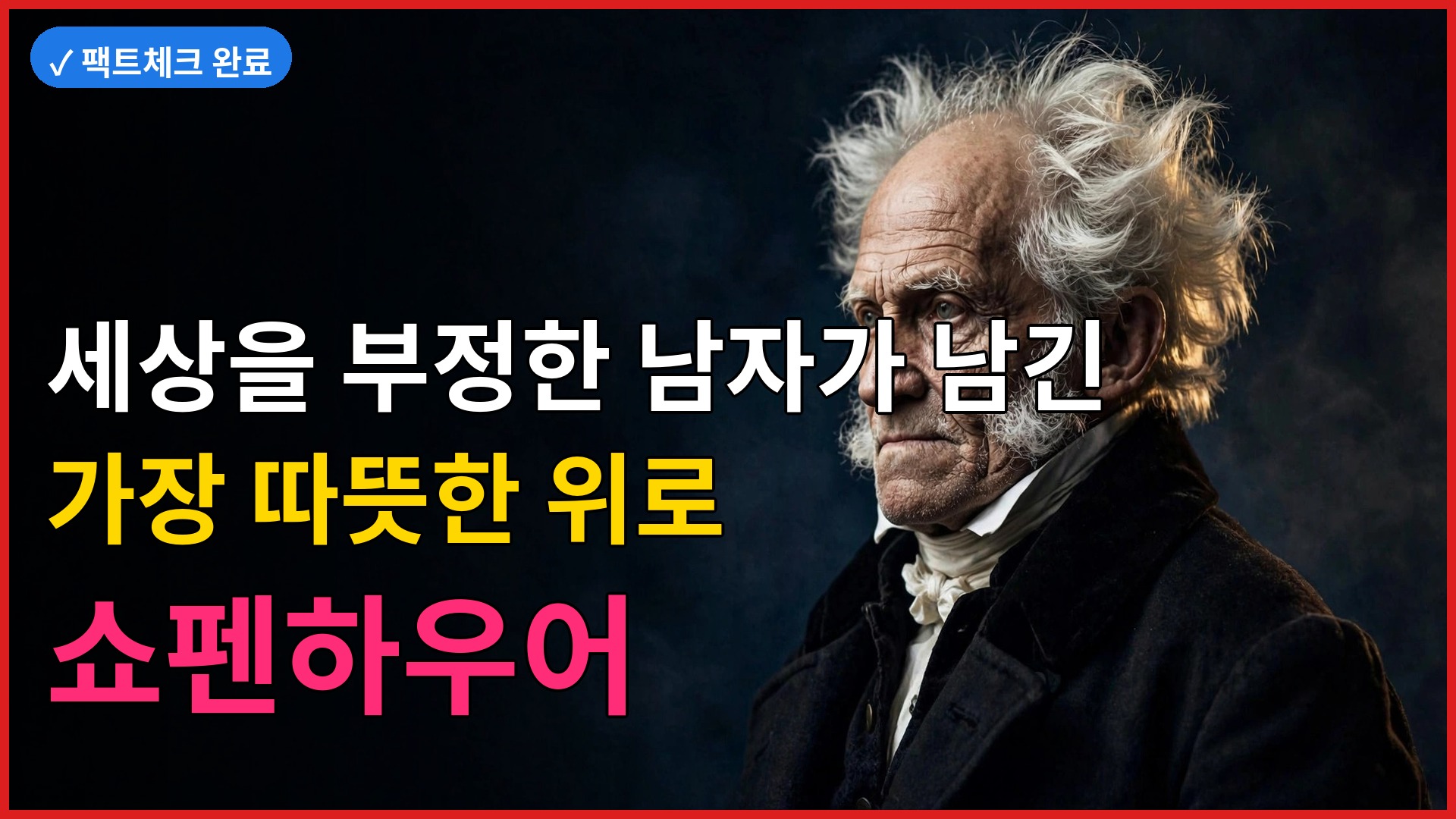
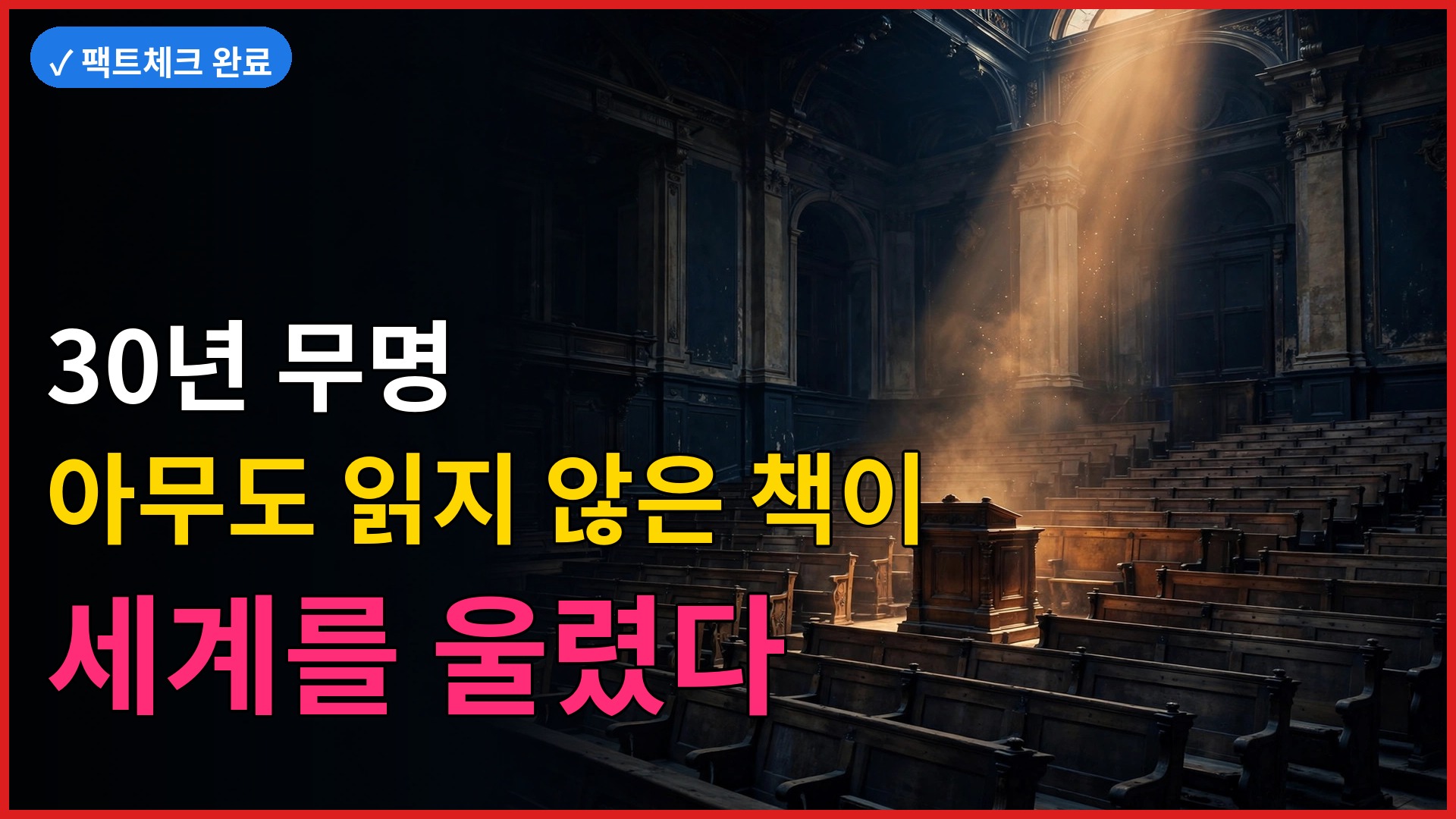
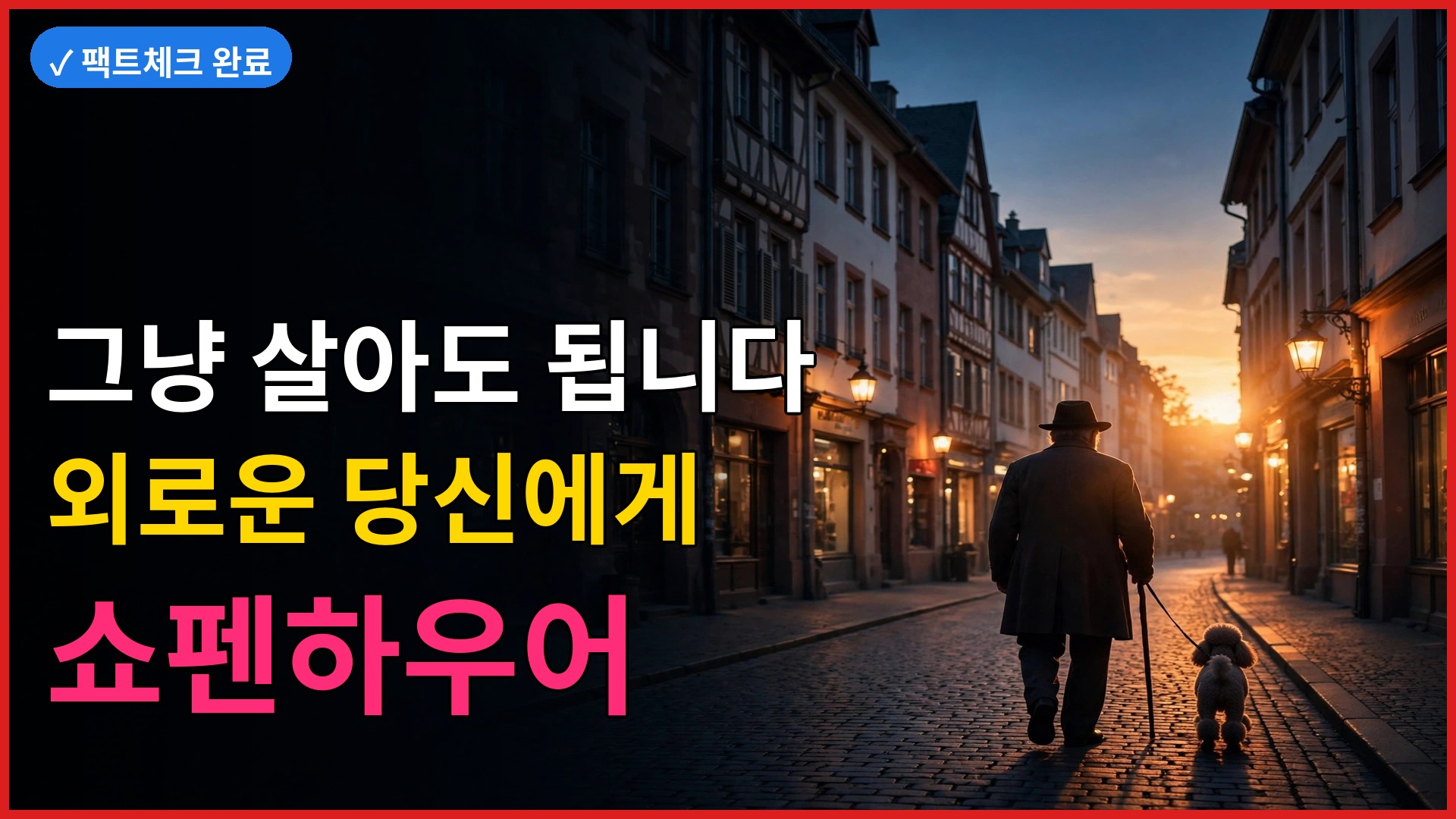
📝 제목 3안
- 쇼펜하우어 — 세상을 부정한 남자가 남긴 가장 따뜻한 위로
- 30년 무명, 아무도 읽지 않은 책이 100년 후 세계를 울렸다
- "그냥 살아도 됩니다" — 외로운 당신에게 쇼펜하우어가 건네는 말
🎙️ 대본 (약 39분 · Vrew 양식)
📋 Vrew '텍스트로 영상 만들기'에 그대로 붙여넣으세요. 한 줄 = 한 문장 = 한 클립·한 자막 양식입니다.
외로우신가요.
아무도 내 마음을 알아주지 않는다고 느끼신 적 있으신가요.
열심히 살아왔는데,
돌아보면 곁에 남은 사람이 별로 없다고 느껴지신 적은요.
오늘은 160여 년 전,
당신과 똑같은 외로움을 산 한 철학자의 이야기를 들려드리려 합니다.
1860년, 독일 프랑크푸르트의 어느 작은 아파트.
깊은 밤, 촛불 하나가 책상을 비추고 있습니다.
책상 앞에는 흰머리가 양옆으로 부풀어 오른 노인이 앉아 있습니다.
72세, 아르투어 쇼펜하우어.
그는 펜을 든 채 미동도 하지 않습니다.
잉크병은 열려 있지만, 종이 위에는 단 한 글자도 적히지 않습니다.
창밖에서는 차가운 바람이 나뭇가지를 흔들고,
노인은 어둠을 응시합니다.
사실 그는 아무것도 보고 있지 않습니다.
70년 넘게 살아온 삶의 무게를 들여다보고 있을 뿐입니다.
쇼펜하우어.
그는 세상이 본질적으로 고통이라고 말한 철학자입니다.
삶은 의미 없는 욕망의 연속이며,
행복이란 잠시 고통이 멈춘 순간에 불과하다고 했습니다.
사람들은 그를 염세주의자라 불렀고, 미친 사람 취급을 했습니다.
30년 동안 그는 완벽한 무명 속에서 살았습니다.
그런데 역설적이게도,
그의 말은 160여 년이 지난 오늘 더 많은 사람에게 위로가 되고
있습니다.
왜 그는 세상을 부정했을까요.
무엇이 그를 이토록 외로운 철학으로 이끌었을까요.
그리고 가장 비관적인 말이 왜 가장 큰 위로가 되었을까요.
지금부터 함께 찾아가 보겠습니다.
이 이야기의 일부 장면은 기록을 바탕으로 재구성했습니다.
부유한 집안에서 태어났지만 사랑받지 못한 소년의 이야기.
30년 동안 무시당했지만 끝까지 자기 길을 간 청년의 이야기.
그리고 마침내 세상이 알아봤을 때,
이미 죽음을 앞에 둔 노인의 이야기입니다.
1788년 2월 22일, 발트해 연안의 항구 도시 단치히.
눈이 내리는 아침이었습니다.
부유한 무역상 하인리히 쇼펜하우어의 저택에서 한 아이가
태어났습니다.
방이 열두 개나 되는 큰 저택이었고, 하인이 열 명이나 있었습니다.
식탁에는 매일 고급 음식이 차려졌습니다.
아이에게는 모든 것이 준비되어 있었습니다.
재산도, 교육도, 미래도.
최고의 집안에서 태어난 아이는 당연히 행복할 것처럼 보였습니다.
하지만 그 집안의 분위기는 차갑기만 했습니다.
아버지 하인리히는 엄격하고 우울한 사람이었습니다.
사업에는 성공했지만, 삶에서는 행복을 찾지 못했습니다.
아들에게조차 따뜻한 말 한마디 건네지 않았습니다.
저녁 식사 시간은 정해져 있었고,
대화는 최소한으로만 이루어졌습니다.
웃음소리는 거의 들리지 않았습니다.
어머니 요한나는 스물한 살의 젊은 여성이었습니다.
사교적이고 활달했으며, 문학과 예술을 사랑했습니다.
하지만 이 결혼 생활에서 행복하지 않았습니다.
남편과의 관계는 형식적이었습니다.
이것은 사랑이 아니라 계약이었습니다.
집안과 집안의 결합, 재산과 재산의 결합이었습니다.
남편 하인리히와는 열아홉 살 차이가 났습니다.
어린 아르투어는 그 모든 것을 지켜보며 자랐습니다.
부모가 함께 있어도 함께 있지 않은 집.
돈은 넘쳐나지만 온기는 없는 방들.
아이는 일찍부터 깨달았습니다.
행복은 외부 조건으로 만들어지는 것이 아니라는 것을.
아무리 많이 가져도, 내면이 공허하면 모든 것이 무의미하다는 것을.
아버지는 아들이 자신의 뒤를 이어 상인이 되기를 원했습니다.
아홉 살 때 아들을 프랑스 르아브르의 무역상 집에
2년간 맡겨 외국 생활을 익히게 했습니다.
열다섯 살이 되자 아버지는 아들을 데리고 유럽 각지를 도는
긴 여행에 나섰습니다.
파리, 런던, 네덜란드, 벨기에.
소년은 화려한 도시들을 보았습니다.
하지만 그가 본 것은 번영이 아니라 인간의 탐욕과 허영뿐이었습니다.
런던의 공장에서 그는 어린아이들이 기계 앞에서
하루 열다섯 시간씩 일하는 모습을 보았습니다.
여섯 살,
일곱 살밖에 안 된 아이들이 손가락이 부러져도 멈추지 못하고
일했습니다.
파리의 사교 모임에서는 가면을 쓴 듯한 사람들의 헛된 수다를
들었습니다.
귀족들은 우아한 말투로 대화했지만, 눈빛은 차가웠습니다.
서로를 견제하고, 시기하고, 이용할 기회만 노리고 있었습니다.
프랑스 툴롱에서는 항구에 정박한 갤리선과 노예처럼 일하는
수감자들을 보았습니다.
그 충격적인 광경은 그의 여행 일기에 기록되었고,
젊은 철학자의 마음에 오래 남았습니다.
열여섯 살의 일기에는 이미 이런 생각들이 가득했습니다.
사람들이 행복이라 부르는 것은 결국 고통의 다른 이름이며,
욕망은 채워지는 순간 새로운 욕망으로 바뀐다는 것이었습니다.
열여섯 소년의 것이라고 믿기 어려울 정도로 성숙하고
비관적인 사색이었습니다.
그러던 1805년 4월, 아버지가 갑자기 세상을 떠났습니다.
창고 다락에서 떨어진 사고사였습니다.
하지만 아버지가 오래 우울증에 시달려 왔다는 것을 아는 사람들은
자살을 의심했습니다.
열일곱 살 소년은 그 죽음을 오래 기억했습니다.
그는 아버지의 삶을 보며 알고 있었습니다.
성공해도, 부유해도, 명예를 얻어도,
내면의 고통은 사라지지 않는다는 것을.
아버지는 세상이 원하는 모든 것을 가졌지만,
결국 자신의 어둠을 이기지 못했습니다.
아버지가 세상을 떠난 뒤, 그는 자신의 길을 택했습니다.
괴팅겐 대학에 입학해 처음에는 의학을 공부했습니다.
하지만 인체를 해부하는 일은 그에게 맞지 않았습니다.
그는 육체가 아니라 정신에 관심이 있었습니다.
인간이 왜 고통받는지, 삶이 왜 무의미한지,
욕망이 왜 끝이 없는지.
곧 철학으로 전향했습니다.
플라톤과 칸트를 읽으며,
그는 자신만의 사상을 다듬어가기 시작했습니다.
베를린 대학에서 그는 당대 최고의 철학자 피히테의 강의를
들었습니다.
하지만 강의 내용은 그를 실망시켰습니다.
그는 피히테의 관념론이 현실을 외면한 공론에 불과하다고 여겼고,
끝내 그 강의를 듣지 않게 되었습니다.
1813년, 그는 예나 대학에서 박사 학위를 받았습니다.
괴테와는 색채론을 함께 연구하기도 했습니다.
스물다섯 살의 박사, 앞날은 창창해 보였습니다.
한편 어머니 요한나는 아버지가 세상을 떠난 뒤 먼저 함부르크로
옮겼다가 1806년 바이마르로 이사했습니다.
바이마르는 괴테가 사는 문화의 도시였습니다.
그녀는 그곳에서 문학 살롱을 열었습니다.
매주 목요일 저녁, 그녀의 집에는 시인, 화가, 음악가,
철학자들이 모였습니다.
요한나는 그 중심에 있었고,
사람들은 그녀의 재치와 교양에 감탄했습니다.
그녀는 소설을 쓰기 시작했고, 꽤 많은 독자를 확보했습니다.
당대의 거장 괴테조차 그녀의 살롱을 자주 방문했습니다.
요한나 쇼펜하우어는 바이마르 사교계의 스타가 되었습니다.
하지만 어머니는 아들을 원하지 않았습니다.
살롱의 손님들이 모인 저녁,
젊은 쇼펜하우어는 구석에 앉아 사람들의 대화를 들었습니다.
어머니는 아들의 비관적인 언행을 못마땅해했습니다.
1813년,
아들이 박사학위 논문을 보내오자 어머니는 코웃음을 쳤습니다.
약사나 볼 책이로구나라고.
어머니의 조롱에 아들은 지지 않고 받아쳤다고 전해집니다.
당신의 책이 한 권도 남지 않게 되더라도,
내 책은 여전히 읽힐 것이라고.
모자의 골은 깊어져만 갔습니다.
결국 1814년, 스물여섯 살의 쇼펜하우어는 어머니와 결별했습니다.
어머니의 곁에는 게르스텐베르크라는 남자가 있었습니다.
아버지가 세상을 떠난 뒤 어머니와 가까워진 사람이었습니다.
쇼펜하우어는 어머니가 아버지를 잊었다고 느꼈습니다.
어머니는 아들이 자신의 삶을 간섭한다고 느꼈습니다.
서로가 서로를 이해하지 못했습니다.
그 후 거의 평생 동안 어머니와 만나지 않았습니다.
어머니가 1838년에 세상을 떠났을 때조차 그는 장례식에
가지 않았습니다.
훗날 누군가 물었습니다.
어머니와 화해하지 않은 것을 후회하지 않느냐고.
쇼펜하우어는 고개를 저었습니다.
후회는 없다고.
하지만 그 결별은 그에게 깊은 상처를 남겼습니다.
유일하게 가까웠어야 할 사람마저 자신을 거부했다는 사실.
어머니조차 자신의 존재를 짐으로 여겼다는 경험.
그것은 그의 철학에 깊은 흔적을 남겼습니다.
인간관계란 본질적으로 이기적이며,
사랑이란 결국 종족의 의지가 만들어낸 환상에 불과하다는 그의
신념은, 어쩜 이 경험에서 비롯된 것인지도 모릅니다.
1818년 12월, 서른 살의 쇼펜하우어의 책이 세상에 나왔습니다.
4년 동안 밤낮으로 쓴 결과물이었습니다.
제목은 『의지와 표상으로서의 세계』였습니다.
그는 이 책이 세상을 바꿀 것이라고 확신했습니다.
칸트 이후 가장 중요한 철학서가 될 것이라고 믿었습니다.
출판사 사장은 회의적이었지만,
저자의 열정에 결국 출판을 승낙했습니다.
쇼펜하우어의 철학은 단순하면서도 충격적이었습니다.
세계의 본질은 의지라고 그는 말했습니다.
하지만 그것은 이성적이거나 목적을 가진 의지가 아니었습니다.
맹목적이고 충동적이며 끝없이 갈구하는 힘.
살고자 하는 의지, 번식하고자 하는 의지, 지배하고자 하는 의지.
이유도 없고 목표도 없으며, 그저 존재하고 팽창하려는 근원적 충동.
모든 생명체는 이 의지의 표현이었습니다.
우리는 자유 의지를 가졌다고 믿지만,
사실은 거대한 의지의 꼭두각시에 불과합니다.
하지만 의지는 결코 만족하지 못합니다.
이것이 핵심이었습니다.
배가 고프면 음식을 원하고,
음식을 얻으면 배부름이 지겨워져 다시 배고픔을 원합니다.
가난하면 돈을 원하고, 돈을 벌면 권력을 원하며,
권력을 얻으면 명예를 원합니다.
끝이 없습니다.
목표에 도달하는 순간 새로운 욕망이 생겨납니다.
만족은 잠깐이고, 갈망은 영원합니다.
그래서 삶은 본질적으로 고통이라고 그는 결론지었습니다.
욕망은 결핍의 다른 이름이고, 결핍은 고통입니다.
우리가 행복이라 부르는 것은 잠시 고통이 멈춘 상태일 뿐,
진정한 만족은 존재하지 않습니다.
행복은 적극적인 상태가 아니라 소극적인 상태,
즉 고통의 부재일 뿐입니다.
더 나아가 그는 인간관계에 대해서도 냉혹한 진실을 말했습니다.
사랑조차 환상이었다고 했습니다.
우리가 사랑이라 부르는 감정은 종족 보존을 위한 의지의
계략일 뿐이라고.
연인들은 자유 의지로 사랑한다고 믿지만,
사실은 본능의 노예에 불과하다고.
인간관계에 대해서는 유명한 비유도 남겼습니다.
고슴도치 딜레마입니다.
추운 겨울날, 고슴도치들은 추위를 피해 서로에게 바짝 다가갑니다.
하지만 가까워질수록 서로의 가시에 찔려 아픕니다.
그래서 다시 멀어지면, 이번에는 추위가 고통스럽습니다.
다가갔다 멀어지기를 반복하다,
고슴도치들은 마침내 적당한 거리를 찾습니다.
찌르지 않을 만큼 가깝고, 춥지 않을 만큼 먼 거리.
쇼펜하우어는 그 거리의 이름이 예의라고 했습니다.
서로를 찌르지 않는 예의.
그는 덧붙였습니다.
내면에 온기가 많은 사람은 오히려 사교를 피해 고독을 택한다고.
외로우신가요.
그렇다면 오늘, 누군가와의 적당한 거리를 찾아보는 것은 어떨까요.
그렇다면 해결책은 무엇일까요.
쇼펜하우어는 세 가지 길을 제시했습니다.
첫 번째는 예술이었습니다.
음악을 듣거나 그림을 감상할 때,
우리는 잠시 의지의 지배에서 벗어납니다.
욕망도 고통도 두려움도 잊고, 대상 그 자체를 바라보는 순간입니다.
특히 음악은 특별했습니다.
음악은 의지 그 자체의 직접적 표현이기 때문입니다.
그래서 음악을 들을 때 우리는 설명할 수 없는 깊은 감동을 받는
것입니다.
두 번째는 연민이었습니다.
타인의 고통을 내 고통처럼 느끼는 것.
그는 모든 도덕의 기초가 연민에 있다고 보았습니다.
타인의 아픔에 공감할 때,
우리는 비로소 이기적인 의지에서 벗어난다고.
세 번째는 금욕이었습니다.
의지 자체를 부정하고 욕망을 끊어내는 것.
불교의 열반처럼 모든 집착을 버리고 무아의 상태로 들어가는 것이
궁극적 해방이라고 그는 믿었습니다.
그는 동양 철학,
특히 불교와 힌두교의 우파니샤드에 깊이 심취했습니다.
서양 철학자 중에서 불교를 진지하게 연구한 최초의
사람 중 하나였습니다.
책은 완성되었습니다.
800페이지가 넘는 방대한 분량이었습니다.
쇼펜하우어는 출판사에 원고를 보내며,
이 책이 자신의 명성을 확립할 것이라 기대했습니다.
출판일을 손꼽아 기다렸습니다.
평론가들의 찬사를 상상했습니다.
대학에서 자신의 철학을 가르치고,
학생들이 몰려드는 광경을 그려 보았습니다.
하지만 현실은 냉혹했습니다.
책은 완전히 무시되었습니다.
출판되고 한 달이 지나도, 두 달이 지나도,
언론의 주목을 받지 못했습니다.
신문에도, 잡지에도, 학술지에도,
이 책에 대한 언급이 거의 없었습니다.
대중은 관심조차 보이지 않았습니다.
출판사 창고에는 팔리지 않은 책들이 쌓여갔습니다.
초판은 거의 팔리지 않았습니다.
그것도 몇 년에 걸쳐서 말입니다.
쇼펜하우어는 분노했습니다.
세상이 진리를 알아보지 못한다고 비난했습니다.
하지만 분노 뒤에는 깊은 좌절이 숨어 있었습니다.
그는 혼자 되뇌었습니다.
내가 틀렸나.
내 철학이 정말 가치가 없는 것인가.
하지만 곧 고개를 저었습니다.
아니다, 내가 옳다.
다만 세상이 아직 준비되지 않았을 뿐이다.
당시 독일 철학계는 헤겔의 전성 시대였습니다.
헤겔은 베를린 대학의 교수였고, 프로이센 정부의 지지를 받았으며,
수백 명의 학생들이 그의 강의를 들었습니다.
헤겔은 역사가 이성에 의해 진보한다고 가르쳤습니다.
낙관적이고 웅장한 체계였습니다.
사람들은 그것을 원했습니다.
나폴레옹 전쟁 이후의 혼란 속에서, 사람들은 희망이 필요했습니다.
역사가 의미 있고, 미래가 밝으며,
고통에도 목적이 있다는 믿음을 원했습니다.
쇼펜하우어는 헤겔을 혐오했습니다.
그는 헤겔의 철학을 사기꾼의 헛소리라고 불렀습니다.
세상이 고통으로 가득한데 무슨 진보냐고.
역사는 똑같은 비극의 반복일 뿐이라고 조롱했습니다.
하지만 세상은 헤겔을 택했고, 쇼펜하우어를 버렸습니다.
쇼펜하우어는 자신의 천재성을 확신했지만,
아무도 알아주지 않았습니다.
서른 살의 나이에 이미 자신의 대표작을 완성했지만,
그것은 아무도 읽지 않는 책이 되었습니다.
그는 자신에게 다짐했습니다.
언젠가는, 먼 미래 언젠가는,
사람들이 이 책의 가치를 알아볼 것이라고.
진리는 서두르지 않는다고.
1820년, 쇼펜하우어는 베를린 대학에서 강의를 시작했습니다.
서른두 살의 나이였습니다.
그는 야심만만했습니다.
자신의 철학을 가르치고,
헤겔의 허황된 이상주의를 무너뜨리겠다는 꿈을 가지고 있었습니다.
하지만 쇼펜하우어는 치명적인 실수를 저질렀습니다.
자신의 강의 시간을 헤겔의 강의 시간과 정확히 같게
배정한 것입니다.
학생들이 헤겔 대신 자신을 선택하게 만들려는 의도였습니다.
동료들은 그를 미쳤다고 생각했습니다.
무명의 시간 강사가 감히 헤겔과 경쟁한다는 것은 자살 행위였습니다.
하지만 쇼펜하우어는 자신만만했습니다.
진리가 권위를 이긴다고 믿었습니다.
결과는 참담했습니다.
첫 강의 날,
쇼펜하우어의 강의실에는 단 다섯 명의 학생만이 앉아 있었습니다.
반면 복도 건너편 헤겔의 강의실은 학생들로 가득 차서,
서 있는 사람들까지 있었습니다.
수백 명이었습니다.
학기가 진행되면서 상황은 더 나빠졌습니다.
다섯 명이던 학생들은 하나둘 떠나기 시작했습니다.
그의 강의는 너무 어두웠습니다.
삶은 고통이고, 역사는 무의미하며,
인간은 맹목적 의지의 노예라는 이야기를 듣고 나면 기분이
나빠졌습니다.
학생들은 희망과 영감을 원했는데,
쇼펜하우어는 절망과 체념을 가르쳤습니다.
어느 학생이 질문했습니다.
교수님, 그렇다면 우리는 어떻게 살아야 합니까.
쇼펜하우어는 대답했습니다.
욕망을 최소화하고, 기대를 낮추며, 금욕적으로 살아야 합니다.
그 학생은 다음 주부터 나오지 않았습니다.
학기말이 되었을 때,
쇼펜하우어의 강의실에는 단 한 명의 학생도 남지 않았습니다.
그는 빈 교실에서 홀로 강의 노트를 펼쳐놓고 앉아 있었습니다.
세상에서 가장 중요한 진리를 전하려 했지만,
아무도 듣지 않았습니다.
결국 한 학기 만에 그의 강의는 끝났습니다.
더 이상 그에게 강단은 열리지 않았습니다.
그 무렵 베를린에 콜레라가 창궐했습니다.
1831년 여름, 동유럽에서 시작된 콜레라가 독일로 퍼져왔습니다.
쇼펜하우어는 8월에 베를린을 떠났습니다.
콜레라를 피해 도망친 것입니다.
사람들은 수군거렸습니다.
철학자가 죽음을 두려워해 도망쳤다고.
하지만 그는 개의치 않았습니다.
그해 11월, 헤겔이 세상을 떠났습니다.
예순한 살이었습니다.
1832년 만하임을 거쳐,
1833년 프랑크푸르트에 정착한 그는 그곳에서 평생을 보냈습니다.
마인강이 보이는 작은 아파트 한 칸에서, 개 한 마리와 함께,
완전한 고독 속에서.
세상이 자신을 버렸다면, 자신도 세상을 버리면 그만이었습니다.
그는 매일 똑같은 일과를 반복했습니다.
아침 7시, 그는 일어났습니다.
계절에 관계없이, 날씨에 관계없이, 언제나 같은 시간이었습니다.
찬물로 목욕을 하고, 오전 내내 글을 썼습니다.
그 시간에는 누가 찾아와도 문을 열지 않았습니다.
집필을 마친 뒤 점심 전에는 플루트를 30분 연주했습니다.
점심은 정확히 12시,
앵글리셔 호프라는 식당의 구석 테이블에서 먹었습니다.
그는 혼자였지만 테이블에는 항상 두 개의 접시가 놓였습니다.
하나는 자신의 것, 다른 하나는 푸들 아트만의 것이었습니다.
산스크리트어로 세계 영혼이라는 뜻의 이름이었습니다.
그는 푸들을 꾸짖을 때는 인간이라고 불렀고,
칭찬할 때는 아트만이라고 불렀다고 합니다.
평생 여러 마리의 푸들을 키웠고,
마지막까지 푸들을 곁에 두었습니다.
오후 2시부터 4시까지는 비가 오든 눈이 오든 5킬로미터 산책을
했습니다.
그는 이 길을 30년 동안 매일 걸었습니다.
저녁에는 오페라를 관람했습니다.
음악을 듣는 동안만큼은 그의 얼굴에 평화로운 표정이 떠올랐습니다.
밤 11시, 침대 옆에는 언제나 장전된 권총이 놓여 있었습니다.
강도를 두려워해서였습니다.
그는 평생 강도가 들 것을 걱정했고,
귀중품을 집안 곳곳에 나눠 숨겼다고 합니다.
그런데 한 가지 분명히 해야 할 것이 있습니다.
쇼펜하우어는 삶을 고통이라 했지만, 자살을 옹호하지 않았습니다.
그는 자살을 고통에서의 해방이 아니라,
오히려 삶에 대한 의지의 강한 긍정으로 보았습니다.
죽음으로써 고통을 피하려는 것 자체가,
삶을 너무나 절실히 원한다는 증거라는 것입니다.
그가 권했던 것은 죽음이 아니라,
고통을 직시하고 연민과 관조로 그 고통에서 풀려나는 일이었습니다.
쇼펜하우어는 이렇게 보았습니다.
자살은 고통의 끝이 아니라, 삶에 대한 가장 강한 집착이라고.
이 일과는 거의 30년 동안 변하지 않았습니다.
기계처럼 정확하고, 수도승처럼 금욕적인 삶이었습니다.
그에게는 마음을 터놓을 친구가 거의 없었습니다.
그는 사람을 믿지 않았습니다.
모든 인간관계는 결국 이기심에 기반한다고 생각했습니다.
대신 개를 키웠습니다.
그의 삶은 금욕적이었지만, 완벽하게 절제된 것은 아니었습니다.
그는 여자를 좋아했고, 결혼은 하지 않았습니다.
결혼은 인생의 감옥이라고 생각했기 때문입니다.
돈은 충분했습니다.
아버지의 유산으로 평생을 안락하게 살 수 있었습니다.
그는 재산 관리에 매우 신중했습니다.
역설적이게도 세상을 부정한 철학자는 자본주의 체제의 수혜자였습니다.
이런 이야기가 전해집니다.
그의 철학대로라면 재산도 무의미할 텐데,
어째서 그리 열심히 돈을 관리하느냐는 물음에,
그는 이렇게 말했다고 합니다.
돈이 행복을 주지는 못하지만, 돈이 없으면 불행은 확실하다고.
재산은 고통을 줄여주는 방패라고.
일관된 것 같으면서도 모순된 삶이었습니다.
금욕을 설교하면서 쾌락을 즐겼고,
욕망을 부정하면서 재산을 불렸습니다.
1821년에는 이웃 재봉사와 다투다 밀쳐 다치게 한 일로,
그녀가 세상을 뜰 때까지 배상금을 물기도 했습니다.
그의 철학과 삶 사이의 간극을 보여 주는 장면입니다.
하지만 그는 불행하지 않았습니다.
적어도 자신은 그렇게 믿었습니다.
세상이 자신을 이해하지 못해도, 자신은 세상을 이해했습니다.
그것으로 충분했습니다.
밤마다 그는 책상 앞에 앉아 글을 썼습니다.
아무도 읽지 않을지라도, 아무도 이해하지 못할지라도,
그는 계속 썼습니다.
그는 자주 이렇게 중얼거렸습니다.
진리는 서두르지 않는다고.
나는 내 시대를 위해 쓰지 않는다고.
미래를 위해 쓴다고.
그는 이미 책 속에 이렇게 써 두었습니다.
진리에게 허락된 것은,
역설로 정죄받는 시기와 자명한 것으로 경시받는 시기 사이의 짧은
승리의 축제뿐이라고.
1850년대 초반, 쇼펜하우어는 이미 예순을 넘긴 노인이었습니다.
그의 책이 출판된 지 30년이 넘었지만, 여전히 무명이었습니다.
하지만 유럽의 분위기가 조금씩 바뀌고 있었습니다.
1848년 혁명이 실패로 끝난 후,
사람들은 낙관주의에 환멸을 느끼기 시작했습니다.
자유, 평등, 박애를 외치며 거리로 나갔지만,
혁명은 유혈 진압으로 끝났습니다.
헤겔이 말한 역사의 진보는 어디에도 보이지 않았습니다.
대신 전쟁과 억압, 가난과 불평등만이 반복되었습니다.
산업 혁명은 부를 가져왔지만, 노동자들은 더 비참해졌습니다.
공장에서 하루 열네 시간씩 일하고도 굶주리는 사람들이 넘쳐났습니다.
이 모든 것이 쇼펜하우어가 이미 30년 전에 말한 것이었습니다.
1851년, 『소품집과 부록』이라는 에세이 모음집이 출간되었습니다.
이번에는 팔렸습니다.
서점에서 품절 사태가 벌어졌고,
대학에서는 그의 철학을 강의하기 시작했습니다.
신문과 잡지에서 인터뷰 요청이 쇄도했습니다.
평론가들이 그를 당대 최고의 철학자라고 칭송했습니다.
1853년,
영국의 『웨스트민스터 리뷰』에 그의 철학을 소개하는 긴 서평이
실렸습니다.
유럽의 젊은 지식인들이 그의 책을 다시 꺼내 읽기 시작했습니다.
대학 도서관에서 먼지 쌓인 『의지와 표상으로서의 세계』를
찾아낸 학생들은 충격을 받았습니다.
이 노인이 이미 모든 것을 예견했다는 사실에.
한 젊은 철학자가 쇼펜하우어에게 편지를 보냈습니다.
당신의 책이 제 삶을 바꿨다고.
당신만이 진실을 말하고 있다고.
처음에는 한두 통이었지만, 점점 늘어났습니다.
독일뿐 아니라 영국, 프랑스, 러시아에서도 편지가 왔습니다.
출판사가 연락을 해 왔습니다.
책을 재출판하고 싶다고.
이번에는 팔릴 것 같다고.
사실 『의지와 표상으로서의 세계』는 1844년에
이미 증보 제2판이 나온 바 있었습니다.
어제까지 무시하던 사람들이 갑자기 존경을 표했습니다.
젊은 학자들이 프랑크푸르트를 찾아왔습니다.
거장을 만나고 싶다고.
하지만 그는 여전히 외로웠습니다.
사람들이 찾아오지만, 진정한 교감은 없었습니다.
그들은 그의 철학을 이해하지 못했습니다.
단지 유명인을 만났다는 것에 만족할 뿐이었습니다.
1855년, 그의 초상화가 그려졌습니다.
초상화 속 쇼펜하우어는 엄숙했습니다.
흰머리는 양옆으로 부풀어 있었고, 눈빛은 여전히 날카로웠습니다.
평생의 고독과 투쟁이 그 얼굴에 새겨져 있었습니다.
뒤늦게 찾아온 명성에 대한 그의 답은 이미 책 속에 있었습니다.
그는 『소품집과 부록』 「인생의 지혜에 관한 아포리즘」에 이렇게
썼습니다.
건강한 거지가 병든 왕보다 행복하다고.
명성보다 건강이, 인정보다 평온한 일상이 더 값지다는 것입니다.
명성을 얻은 뒤에도 그의 일상은 달라지지 않았다고 전해집니다.
여전히 같은 시간에 일어나고, 같은 길을 산책하며,
같은 식당에서 식사했다고 합니다.
명성이 삶의 본질을 바꾸지는 못한다는 것이었습니다.
그는 같은 책 「인생의 여러 시기에 관하여」에 이런 구절을
남겼습니다.
인생의 처음 40년은 본문을 주고,
이후 30년은 그 해설을 준다고.
자신의 70년은 바로 그 해설을 쓰는 시간이었다고.
그는 여전히 똑같은 일과를 유지했고, 여전히 혼자 살았으며,
여전히 세상을 비관적으로 바라봤습니다.
뒤늦은 명성에도 그는 달라지지 않았습니다.
유명하든 무명이든,
결국 삶은 고통이고 죽음은 피할 수 없다는 것이 그의
일관된 대답이었습니다.
명성을 원하는 것도, 인정받고 싶어 하는 것도,
결국 맹목적 의지의 표현일 뿐이라고.
그는 잠시 침묵하다가 덧붙였습니다.
하지만 적어도 자신은 그 사실을 알고 있다고.
자기기만에 빠지지 않는다고.
위선자보다는 솔직한 죄인이 낫다고.
당대 최고의 작곡가 바그너는 그의 철학에 전율했습니다.
바그너의 오페라 『트리스탄과 이졸데』는 쇼펜하우어의 의지 철학을
음악으로 표현한 작품이었습니다.
욕망과 죽음, 갈망과 해방의 이야기였습니다.
1860년, 쇼펜하우어는 일흔두 살이었습니다.
건강은 눈에 띄게 나빠지고 있었습니다.
아침에 일어나면 숨이 차올랐고,
산책을 할 때도 자주 멈춰서 쉬어야 했습니다.
하지만 그는 일과를 바꾸지 않았습니다.
여전히 7시에 일어났고, 찬물로 목욕했으며,
오전 내내 글을 썼습니다.
다만 예전처럼 집중하기가 어려워졌습니다.
펜을 든 손이 떨렸고,
문장을 완성하기 전에 생각이 흩어지곤 했습니다.
그는 매일 아침 일어나서 창밖을 바라보며 생각했습니다.
오늘이 마지막 날이 될지도 모른다고.
하지만 두렵지는 않았습니다.
아니, 적어도 그렇게 말했습니다.
죽음은 존재의 소멸이 아니라 의지로의 귀환이라고.
평생 가르쳐 왔으니까요.
이제 그 가르침을 실천할 때가 다가오고 있었습니다.
그해 여름은 유난히 더웠습니다.
8월 말, 그는 병상에 누웠습니다.
가슴이 너무 답답해서 더 이상 일어날 수 없었습니다.
폐에 염증이 생긴 것이었습니다.
의사를 불렀지만, 별다른 처방을 내리지 못했습니다.
그는 자신의 상태를 잘 알고 있었습니다.
얼마 남지 않았다는 것을.
하지만 놀라거나 슬퍼하지 않았습니다.
오히려 평온했습니다.
9월 21일 아침,
의사가 찾아왔을 때 그는 의자에 앉은 채 숨을 거둔 뒤였습니다.
죽음을 두려워하지 않는다고 말했던 철학자였지만,
한 가지 두려움이 있었습니다.
산 채로 매장되는 것이었습니다.
그는 친구에게 당부했다고 전해집니다.
매장을 서두르지 말라고, 자신이 정말 죽었는지 확인해 달라고.
죽음 자체보다 오해받는 것을 두려워한 인간적인 모습이었습니다.
푸들이 침대 옆에 앉아 있었습니다.
그의 마지막 푸들이었습니다.
1860년 9월 21일 아침 8시경, 하녀가 방에 들어갔을 때,
쇼펜하우어는 소파에 앉은 채 숨을 거두고 있었습니다.
평온한 얼굴이었습니다.
마치 잠든 것처럼, 고통의 흔적은 없었고,
두려움의 흔적도 없었습니다.
푸들은 주인의 발치에 앉아 있었습니다.
짖지 않았습니다.
조용히 앉아서 주인을 지키고 있었습니다.
의사가 와서 사망을 확인했습니다.
고통의 흔적 없이 평온했다고 전해집니다.
쇼펜하우어는 유언으로 마지막 푸들의 양육을 하녀에게
부탁했습니다.
신문에 부고가 실렸습니다.
위대한 철학자 아르투어 쇼펜하우어, 향년 72세로 별세.
유럽 각지의 신문이 그의 죽음을 보도했습니다.
장례식은 9월 26일에 치러졌습니다.
간소하게, 그가 원한 대로.
단지 몇몇 친구들과 제자들만 참석했습니다.
그의 유언은 명확했습니다.
화려한 장례는 원하지 않는다고.
묘비에는 이름만 새기라고.
프랑크푸르트 묘지에 그는 묻혔습니다.
조용한 곳이었습니다.
그는 유언으로 상당한 재산을 자선 단체에 기부했습니다.
1848년 혁명 때 다쳐 장애를 입은 프로이센 군인들과
그 가족들을 돕는 데 쓰라고 했습니다.
세상을 부정했던 철학자가 마지막에는 세상을 위해 무언가를
남긴 것입니다.
쇼펜하우어가 죽은 지 160여 년이 지났습니다.
그가 살았던 시대는 사라졌고,
그가 맞서 싸운 헤겔의 시대도 저물었습니다.
하지만 그의 철학은 여전히 살아 있습니다.
그가 죽은 후, 그의 영향력은 오히려 더 커졌습니다.
니체는 그의 책을 읽고 깊은 영향을 받았습니다.
비록 나중에는 스승을 넘어서려 했지만,
니체의 철학은 쇼펜하우어 없이는 존재할 수 없었습니다.
바그너는 쇼펜하우어의 철학을 오페라로 만들었습니다.
톨스토이는 그의 책을 읽고 깊은 영향을 받았습니다.
프로이트의 정신분석학도 쇼펜하우어의 그림자 아래 있었습니다.
의식 아래의 무의식, 이성으로 통제할 수 없는 충동.
모든 개념은 쇼펜하우어의 맹목적 의지 개념과 놀라울 정도로
유사했습니다.
왜일까요.
왜 이렇게 어둡고 비관적인 철학이 이토록 많은 천재들에게 영향을
주었을까요.
왜 죽은 지 160여 년이 지난 철학자의 말이 여전히 사람들에게
울림을 주는 걸까요.
어쩌면 그것은 쇼펜하우어가 정직했기 때문일지도 모릅니다.
그는 삶을 미화하지 않았습니다.
고통을 부정하지 않았습니다.
행복이 쉽게 얻어진다고 거짓말하지 않았습니다.
세상이 공정하다고, 노력하면 보상받는다고,
모든 일에는 의미가 있다고 위로하지 않았습니다.
많은 철학자들이 말합니다.
세상은 아름답다고, 역사는 진보한다고,
노력하면 행복해질 수 있다고.
종교는 말합니다.
신이 당신을 사랑한다고, 고통에는 의미가 있다고.
하지만 현실은 그렇지 않습니다.
사람들은 열심히 살아도 고통받고, 사랑해도 배신당하며,
노력해도 실패합니다.
착한 사람이 일찍 죽고, 악한 사람이 번영합니다.
쇼펜하우어는 그 진실을 말해주었습니다.
당신이 불행한 것은 당신 잘못이 아니라고.
삶 자체가 원래 그런 것이라고.
행복을 쫓을수록 불행해지는 것은 당연한 일이라고.
그것은 위로가 되었습니다.
역설적이게도 가장 비관적인 말이 가장 큰 위로가 되었습니다.
왜냐하면 그것은 진실이었으니까요.
그리고 그는 말했습니다.
그럼에도 불구하고 살아갈 방법이 있다고.
욕망을 줄이고, 기대를 낮추며,
순간을 관조하는 법을 배우면 고통을 덜 수 있다고.
예술을 감상하고, 자연을 바라보며,
타인의 고통에 공감하면 잠시나마 평화를 얻을 수 있다고.
성공하지 않아도 괜찮다고.
사랑받지 못해도 괜찮다고.
의미를 찾지 못해도 괜찮다고.
그냥 살아도 된다고.
현대인들은 그의 말에서 위로를 찾습니다.
우리는 끊임없이 무언가를 성취하라는 압박을 받습니다.
성공해야 하고, 행복해야 하며,
의미 있는 삶을 살아야 한다고 배웁니다.
SNS에는 모두가 행복해 보이고, 성공한 것처럼 보입니다.
하지만 그것은 거짓입니다.
누구나 고통받고, 누구나 외롭고,
누구나 가끔은 삶이 무의미하다고 느낍니다.
하지만 그것을 말할 수 없습니다.
약한 사람으로 보일까 봐, 실패자로 낙인찍힐까 봐.
쇼펜하우어는 그 모든 것에서 해방시켜줍니다.
그는 말합니다.
그냥 살아도 된다고.
위대할 필요 없고, 성공할 필요 없으며,
오래 인정받지 못해도 괜찮다고.
삶은 원래 무의미하고, 그게 정상이라고.
역설적이지 않습니까.
가장 비관적인 철학자가 가장 큰 위안을 준다는 것이.
하지만 그것은 역설이 아닙니다.
오히려 자연스러운 일입니다.
진실이 위로가 되는 것입니다.
거짓 희망보다 정직한 절망이 더 편안한 것입니다.
지금 이 순간에도 어딘가에서 누군가는 쇼펜하우어의 책을 펼치고
있을 것입니다.
삶에 지친 사람, 사랑에 실패한 사람, 의미를 찾지 못한 사람.
그들은 그의 글을 읽으며 고개를 끄덕일 것입니다.
아, 나만 그런 게 아니구나.
삶이 원래 그런 거구나.
내가 약해서가 아니라, 삶 자체가 고통인 거구나.
그리고 그 깨달음이 위로가 될 것입니다.
자신을 탓하지 않아도 된다는 것.
더 노력할 필요가 없다는 것.
그냥 살아도 충분하다는 것.
쇼펜하우어의 묘에는 여전히 사람들이 찾아옵니다.
세계 각지에서 온 방문객들이 꽃을 놓고 잠시 서서 묵념합니다.
어쩌면 그들은 이렇게 생각할지도 모릅니다.
이 사람도 외로웠구나.
이 사람도 고통받았구나.
이 사람도 오래 인정받지 못하고 살았구나.
그런데 그럼에도 불구하고 끝까지 자기 길을 갔구나.
그것이 위로입니다.
위대한 철학자도 결국 우리와 같은 인간이었다는 것.
그도 실패했고, 고독했으며, 오래 인정받지 못했다는 것.
하지만 그럼에도 불구하고 자신의 진실을 지켰다는 것.
세상을 부정했던 철학자가 역설적이게도 세상에
남긴 가장 큰 선물입니다.
고통받는 사람들에게 주는 정직한 위로.
거짓 희망 대신 진실한 공감.
해결책 대신 동반자.
삶은 여전히 고통입니다.
욕망은 여전히 끝이 없고, 만족은 여전히 일시적이며,
죽음은 여전히 피할 수 없습니다.
쇼펜하우어의 철학도 그것을 바꾸지 못합니다.
하지만 적어도 우리는 혼자가 아닙니다.
160여 년 전 프랑크푸르트의 작은 아파트에서 한 노인이 같은
고통을 느꼈습니다.
그리고 그것을 정직하게 기록했습니다.
그의 글을 읽는다는 것은 시간을 넘어 그와 대화하는 것입니다.
고독한 사람들 사이의 연대입니다.
고통받는 사람들 사이의 공감입니다.
쇼펜하우어는 죽었지만, 그의 목소리는 여전히 들립니다.
책장을 넘기는 순간 그는 다시 살아납니다.
그리고 말합니다.
삶은 고통이다.
하지만 그것을 정직하게 대면할 수 있다.
거짓 위안에 도피하지 않을 수 있다.
그리고 그 정직함 속에서 이상하게도 평화를 찾을 수 있다.
이것이 쇼펜하우어가 남긴 것입니다.
해결책이 아니라 동반자, 희망이 아니라 정직함,
구원이 아니라 이해.
그리고 그것으로 충분합니다.
밤이 깊어 갑니다.
1860년의 그 밤으로 돌아가 보겠습니다.
촛불 앞의 노인, 빈 원고지, 흔들리는 펜.
그는 끝내 세상을 긍정하지 않았습니다.
하지만 한 가지는 분명히 했습니다.
삶이 고통이라고 해서 삶을 버려서는 안 된다는 것.
자살은 고통의 끝이 아니라, 삶에 대한 가장 강한 집착이라고.
그가 우리에게 남긴 것은 해결책이 아닙니다.
동반자입니다.
160여 년 전, 같은 외로움을 산 한 사람이 있었다는 사실.
그것만으로도 오늘 밤은 조금 덜 외로울 수 있습니다.
쇼펜하우어의 묘비에는 그의 이름만 새겨져 있습니다.
아르투어 쇼펜하우어.
긴 설명도 없고, 화려한 추도사도 없습니다.
하지만 그 단순한 이름 속에 모든 것이 담겨 있습니다.
고독했지만 정직했던, 불행했지만 진실했던 한 사람의 이야기.
한 가지 덧붙이자면,
지금까지의 위로는 오늘을 사는 우리의 해석입니다.
쇼펜하우어 자신이 권한 것은 예술과 자연을 바라보는 일,
타인의 고통에 공감하는 일, 소박한 일상을 지키는 일이었습니다.
외로우신가요.
그럼 이 밤,
160여 년 전 한 철학자가 권한 것을 가만히 떠올려 보세요.
좋아하는 음악을 듣고, 창밖의 하늘을 바라보고,
옆 사람의 아픔에 공감하는 일.
그 소박한 일상 속에서 평화를 찾을 수 있습니다.
혹시 지금 마음이 많이 힘드시다면, 혼자 앓지 마세요.
자살예방상담전화 109번, 24시간 누군가 들어줍니다.
🖼️ 이미지 프롬프트 (대본 순서대로)
📋 Vrew 나레이션 재생 중 띄울 배경 이미지용. 따뜻한 힐링 일러스트 스타일.
# 1번 주제 이미지 프롬프트 (대본 순서대로, 총 55장)
# Vrew 나레이션 재생 중 배경 이미지용. 다른 AI 이미지 생성기에 그대로 입력.
# 공통 조건: 16:9 aspect ratio 가로, 실사 사진풍, 따뜻한 시네마틱 톤, 이미지 안에 글자 없음.
# 독일 역사 장면은 19세기 독일인, 현대 한국 장면은 한국인 어르신으로.

---

## 1. 1860년 프랑크푸르트의 밤 (나레이션: "1860년, 독일 프랑크푸르트의 어느 작은 아파트.")
Photorealistic, 16:9 aspect ratio (widescreen), cinematic photo, a small 19th century German apartment study at deep night in Frankfurt in 1860, a single trembling candle lighting a heavy wooden desk, a 72-year-old man with wild white hair puffed out at the sides sitting motionless holding a quill pen above a blank sheet of paper, an open ink bottle catching the candlelight, cold blue night air pressing against the windowpane behind him, deep shadows pooling on the plaster wall, chiaroscuro lighting with warm highlights and cool darkness. Photorealistic editorial photography, shot on full-frame 35mm camera, cinematic natural lighting, crisp real-world textures. No text in image.

## 2. 욕망의 연속 (나레이션: "삶은 의미 없는 욕망의 연속이며, 행복이란 잠시 고통이 멈춘 순간에 불과하다고 했습니다.")
Photorealistic, 16:9 aspect ratio (widescreen), cinematic photo, a weary elderly German philosopher in 19th century dress standing before a vast grey desert of dunes at dusk, reaching toward a mirage of water that recedes as he steps forward, his long shadow stretching behind him, wind lifting his coat, the unreachable horizon glowing faintly orange while everything near him stays cold and grey, a visual metaphor of endless desire and fleeting relief. Photorealistic editorial photography, shot on full-frame 35mm camera, cinematic natural lighting, crisp real-world textures. No text in image.

## 3. 사랑받지 못한 소년 (나레이션: "부유한 집안에서 태어났지만 사랑받지 못한 소년의 이야기.")
Photorealistic, 16:9 aspect ratio (widescreen), cinematic photo, a grand 18th century German merchant mansion dining hall, a small 8-year-old boy sitting alone at the far end of an enormously long polished table laden with silver dishes, tall empty chairs stretching away from him, cold chandelier light from above, his small figure dwarfed by the opulence, no warmth anywhere in the vast room, painterly composition with deep perspective. Photorealistic editorial photography, shot on full-frame 35mm camera, cinematic natural lighting, crisp real-world textures. No text in image.

## 4. 행복해 보이는 아이 (나레이션: "최고의 집안에서 태어난 아이는 당연히 행복할 것처럼 보였습니다.")
Photorealistic, 16:9 aspect ratio (widescreen), cinematic photo, a wealthy 18th century nursery filled with expensive wooden toys, a rocking horse, porcelain dolls and miniature soldiers, a 9-year-old German boy in fine clothes sitting motionless among them staring blankly out a tall window, his face showing no joy, soft daylight outlining his profile while the toys cast long still shadows, the emptiness of abundance made visible. Photorealistic editorial photography, shot on full-frame 35mm camera, cinematic natural lighting, crisp real-world textures. No text in image.

## 5. 형식적인 부부 (나레이션: "남편과의 관계는 형식적이었습니다.")
Photorealistic, 16:9 aspect ratio (widescreen), cinematic photo, an 18th century German bourgeois couple seated at opposite ends of a long dinner table in a dim dining room around 1800, the stern husband reading documents, the young wife gazing past him at nothing, a candelabra between them burning low, polite distance frozen into the furniture, cold blue evening light from a tall window cutting across the tablecloth. Photorealistic editorial photography, shot on full-frame 35mm camera, cinematic natural lighting, crisp real-world textures. No text in image.

## 6. 아홉 살의 유학 (나레이션: "아홉 살 때 아들을 프랑스 르아브르의 무역상 집에 2년간 맡겨 외국 생활을 익히게 했습니다.")
Photorealistic, 16:9 aspect ratio (widescreen), cinematic photo, a snowy 1797 harbor quay, a small 9-year-old German boy in a heavy coat clutching a leather suitcase, about to board a tall sailing ship bound for Le Havre, his parents' figures already distant behind him, sailors loading crates, gulls wheeling in a pale winter sky, the boy looking back over his shoulder with a brave but frightened face, breath visible in the cold air. Photorealistic editorial photography, shot on full-frame 35mm camera, cinematic natural lighting, crisp real-world textures. No text in image.

## 7. 차가운 눈빛의 사교계 (나레이션: "귀족들은 우아한 말투로 대화했지만, 눈빛은 차가웠습니다.")
Photorealistic, 16:9 aspect ratio (widescreen), cinematic photo, a glittering late 18th century aristocratic salon, powdered wigs and silk gowns, guests conversing with graceful gestures and practiced smiles, extreme shallow focus on one nobleman's eyes in the foreground, cold and calculating despite the smile, candlelit opulence blurred into golden bokeh behind him, a young boy's small figure watching from a shadowed corner. Photorealistic editorial photography, shot on 85mm lens, cinematic natural lighting, crisp real-world textures. No text in image.

## 8. 1805년 4월의 죽음 (나레이션: "그러던 1805년 4월, 아버지가 갑자기 세상을 떠났습니다.")
Photorealistic, 16:9 aspect ratio (widescreen), cinematic photo, a dark 1805 warehouse attic with heavy oak beams and dusty crates, a single slanted shaft of cold morning light cutting through the gloom onto an empty floor, ropes hanging still, oppressive silence and a sense of unresolved tragedy, floating dust motes in the light beam, no people present, the aftermath of a sudden death felt in the stillness. Photorealistic editorial photography, shot on full-frame 35mm camera, cinematic natural lighting, crisp real-world textures. No text in image.

## 9. 괴팅겐의 의학도 (나레이션: "괴팅겐 대학에 입학해 처음에는 의학을 공부했습니다.")
Photorealistic, 16:9 aspect ratio (widescreen), cinematic photo, a 19th century university anatomy lecture hall in Göttingen around 1809, tiered wooden benches, a young 21-year-old German student in the front row leaning forward intently as a professor demonstrates at the dissection table, tall windows pouring pale daylight over skulls and medical charts, the earnest hunger for truth on the young man's face. Photorealistic editorial photography, shot on full-frame 35mm camera, cinematic natural lighting, crisp real-world textures. No text in image.

## 10. 예나의 박사 학위 (나레이션: "1813년, 그는 예나 대학에서 박사 학위를 받았습니다.")
Photorealistic, 16:9 aspect ratio (widescreen), cinematic photo, the historic auditorium of Jena University in 1813, a 25-year-old German scholar in doctoral robes receiving a diploma from an elderly professor, rows of solemn academics in black gowns, tall gothic windows with afternoon light, the young man's face calm and unsmiling amid the ceremony, as if the honor meant little to him. Photorealistic editorial photography, shot on full-frame 35mm camera, cinematic natural lighting, crisp real-world textures. No text in image.

## 11. 괴테가 찾은 살롱 (나레이션: "당대의 거장 괴테조차 그녀의 살롱을 자주 방문했습니다.")
Photorealistic, 16:9 aspect ratio (widescreen), cinematic photo, a Weimar literary salon on a Thursday evening in the 1810s, poets and musicians with wine glasses in animated conversation under a crystal chandelier, an elderly distinguished German writer with a noble profile holding court at the center while the elegant hostess pours tea nearby, books and sheet music on mahogany tables, warm golden candlelight, the vibrant cultured air of German classicism. Photorealistic editorial photography, shot on full-frame 35mm camera, cinematic natural lighting, crisp real-world textures. No text in image.

## 12. 깊어지는 모자의 골 (나레이션: "모자의 골은 깊어져만 갔습니다.")
Photorealistic, 16:9 aspect ratio (widescreen), cinematic photo, a divided 19th century drawing room, an elegant middle-aged German woman seated stiffly at a writing desk on the left side and her grown son standing with his back turned at the tall window on the right side, a wide empty carpet between them like an unbridgeable distance, cold daylight from the window, both faces averted, the silence of a severed bond. Photorealistic editorial photography, shot on full-frame 35mm camera, cinematic natural lighting, crisp real-world textures. No text in image.

## 13. 고개를 저으며 (나레이션: "쇼펜하우어는 고개를 저었습니다.")
Photorealistic, 16:9 aspect ratio (widescreen), cinematic photo, close-up of a 30-year-old German philosopher in 1818 shaking his head in quiet refusal, candlelight sculpting his stern young face, an outstretched hand offering a fashionable manuscript blurred in the foreground, his eyes lowered with weary certainty, dark study background with tall bookshelves fading into shadow. Photorealistic editorial photography, shot on 85mm lens, shallow depth of field, cinematic natural lighting, crisp real-world textures. No text in image.

## 14. 의지와 표상으로서의 세계 (나레이션: "제목은 『의지와 표상으로서의 세계』였습니다.")
Photorealistic, 16:9 aspect ratio (widescreen), cinematic photo, a massive aged leather-bound tome resting alone on a dark oak desk in 1819, its cover worn and title too faded to read, a single candle flame reflected in a brass inkwell beside it, deep shadows of a private study, dust motes drifting in the warm light, the quiet gravity of a book that would wait decades to be understood. Photorealistic editorial photography, shot on full-frame 35mm camera, cinematic natural lighting, crisp real-world textures. No text in image.

## 15. 의지의 표현들 (나레이션: "모든 생명체는 이 의지의 표현이었습니다.")
Photorealistic, 16:9 aspect ratio (widescreen), cinematic photo, a sweeping natural history tableau at dawn, a stag straining toward a doe across a misty meadow, vines clawing up a stone wall toward the light, roots splitting rock, birds fighting over a scrap, all living things caught mid-struggle in golden morning mist, one blind relentless drive animating every creature, epic and slightly unsettling. Photorealistic editorial photography, shot on full-frame 35mm camera, cinematic natural lighting, crisp real-world textures. No text in image.

## 16. 욕망은 결핍의 다른 이름 (나레이션: "욕망은 결핍의 다른 이름이고, 결핍은 고통입니다.")
Photorealistic, 16:9 aspect ratio (widescreen), cinematic photo, a pair of weathered elderly hands reaching upward in supplication against a cracked drought-parched earth, empty and open, low harsh sunlight raking across the fissures, nothing placed into the hands, the stark geometry of wanting and absence, desaturated earthy tones with a pale sky. Photorealistic editorial photography, shot on full-frame 35mm camera, cinematic natural lighting, crisp real-world textures. No text in image.

## 17. 고슴도치의 딜레마 (나레이션: "추운 겨울날, 고슴도치들은 추위를 피해 서로에게 바짝 다가갑니다.")
Photorealistic, 16:9 aspect ratio (widescreen), cinematic photo, a snowy winter night, three hedgehogs huddled close for warmth in the blue moonlight, their spines just touching, breath puffing in the freezing air, snowflakes settling on their quills, the tender painful paradox of needing closeness while being hurt by it, deep blue shadows and soft silver highlights. Photorealistic editorial photography, shot on full-frame 35mm camera, cinematic natural lighting, crisp real-world textures. No text in image.

## 18. 해결책을 묻다 (나레이션: "그렇다면 해결책은 무엇일까요.")
Photorealistic, 16:9 aspect ratio (widescreen), cinematic photo, a lone elderly Korean man standing at a foggy crossroads at dawn, three unmarked paths dissolving into white mist before him, his silhouette small and still, a single streetlamp glowing faintly behind, the question of how to live hanging in the cold damp air, muted grey tones with one warm point of light. The person is ethnically Korean with natural Korean facial features. Photorealistic editorial photography, shot on full-frame 35mm camera, cinematic natural lighting, crisp real-world textures. No text in image.

## 19. 타인의 아픔에 공감할 때 (나레이션: "타인의 아픔에 공감할 때, 우리는 비로소 이기적인 의지에서 벗어난다고.")
Photorealistic, 16:9 aspect ratio (widescreen), cinematic photo, a quiet hospital corridor in warm afternoon light, a Korean woman in her 70s gently holding the hand of another elderly woman seated in a wheelchair, both with eyes lowered, soft sunlight through blinds striping the floor, the sacred stillness of shared sorrow, no drama, only presence. Both subjects are ethnically Korean with natural Korean facial features and true-to-life Korean skin tones. Photorealistic editorial photography, shot on full-frame 35mm camera, cinematic natural lighting, crisp real-world textures. No text in image.

## 20. 찬사를 상상하며 (나레이션: "평론가들의 찬사를 상상했습니다.")
Photorealistic, 16:9 aspect ratio (widescreen), cinematic photo, a young 19th century German writer at his desk at night, quill paused mid-air, eyes half-closed in daydream, above him a golden imagined vision of a grand hall with a standing applauding audience dissolving like a mirage into the dark ceiling, warm dream-light against the cold real room, the fragile sweetness of imagined recognition. Photorealistic editorial photography, shot on full-frame 35mm camera, cinematic natural lighting, crisp real-world textures. No text in image.

## 21. 분노 뒤의 좌절 (나레이션: "하지만 분노 뒤에는 깊은 좌절이 숨어 있었습니다.")
Photorealistic, 16:9 aspect ratio (widescreen), cinematic photo, a 19th century study in disarray at night, a middle-aged German man with his face buried in his hands at a desk covered with crumpled rejected manuscripts, an overturned inkwell bleeding black across a page, a single candle guttering, his shoulders shaking not with rage but with spent despair, deep shadows swallowing the room. Photorealistic editorial photography, shot on full-frame 35mm camera, cinematic natural lighting, crisp real-world textures. No text in image.

## 22. 전쟁 이후의 혼란 (나레이션: "나폴레옹 전쟁 이후의 혼란 속에서, 사람들은 희망이 필요했습니다.")
Photorealistic, 16:9 aspect ratio (widescreen), cinematic photo, a war-damaged European street in 1815 at dusk, broken facades and rubble, weary civilians queuing before a makeshift relief station, a mother clutching her child looking toward a church where warm light spills from the doorway, smoke still rising in the distance, the desperate human hunger for hope after catastrophe. Photorealistic editorial photography, shot on full-frame 35mm camera, cinematic natural lighting, crisp real-world textures. No text in image.

## 23. 먼 미래를 기다리며 (나레이션: "언젠가는, 먼 미래 언젠가는, 사람들이 이 책의 가치를 알아볼 것이라고.")
Photorealistic, 16:9 aspect ratio (widescreen), cinematic photo, a thick manuscript resting on a windowsill as decades pass in one frame, dust settling, sunlight arcing across it through changing seasons visible in the window, the pages yellowing but intact, a single beam of future light finally falling across the cover, time itself as the patient reader, quiet and monumental. Photorealistic editorial photography, shot on full-frame 35mm camera, cinematic natural lighting, crisp real-world textures. No text in image.

## 24. 헤겔과의 경쟁 (나레이션: "무명의 시간 강사가 감히 헤겔과 경쟁한다는 것은 자살 행위였습니다.")
Photorealistic, 16:9 aspect ratio (widescreen), cinematic photo, a split 19th century Berlin university scene, on the left a vast packed lecture hall with hundreds of students craning toward a celebrated professor, on the right through an open doorway a tiny empty classroom where a lone young lecturer stands before five scattered chairs, dramatic contrast of fame and obscurity divided by a single wall. Photorealistic editorial photography, shot on full-frame 35mm camera, cinematic natural lighting, crisp real-world textures. No text in image.

## 25. 기분 나빠진 독자들 (나레이션: "삶은 고통이고, 역사는 무의미하며, 인간은 맹목적 의지의 노예라는 이야기를 듣고 나면 기분이 나빠졌습니다.")
Photorealistic, 16:9 aspect ratio (widescreen), cinematic photo, a 19th century bourgeois parlor, three readers in armchairs frowning deeply at an open book, one snapping it shut with a grimace, another rubbing his temples, afternoon tea gone cold on the table, the book lying face-down like an unwelcome guest, warm interior light against their sour expressions. Photorealistic editorial photography, shot on full-frame 35mm camera, cinematic natural lighting, crisp real-world textures. No text in image.

## 26. 한 학기 만에 끝난 강의 (나레이션: "결국 한 학기 만에 그의 강의는 끝났습니다.")
Photorealistic, 16:9 aspect ratio (widescreen), cinematic photo, an empty 19th century university lecture hall at dusk, rows of vacant wooden benches, a single chair left overturned near the lectern, chalk dust hanging in the last shaft of light from tall windows, profound silence after failure, the architecture of abandoned ambition. Photorealistic editorial photography, shot on full-frame 35mm camera, cinematic natural lighting, crisp real-world textures. No text in image.

## 27. 마인강이 보이는 아파트 (나레이션: "마인강이 보이는 작은 아파트 한 칸에서, 개 한 마리와 함께, 완전한 고독 속에서.")
Photorealistic, 16:9 aspect ratio (widescreen), cinematic photo, a modest 19th century Frankfurt apartment interior at twilight, a large window framing the Main river flowing silver-grey below, an elderly philosopher in a worn dressing gown seated in an armchair, a small loyal dog asleep at his feet, a simple table with bread and tea, sparse but orderly, the dignity of chosen solitude. Photorealistic editorial photography, shot on full-frame 35mm camera, cinematic natural lighting, crisp real-world textures. No text in image.

## 28. 두 개의 접시 (나레이션: "그는 혼자였지만 테이블에는 항상 두 개의 접시가 놓였습니다.")
Photorealistic, 16:9 aspect ratio (widescreen), cinematic photo, a small round dining table in a dim 19th century apartment set meticulously for two, two plates, two glasses, two sets of cutlery aligned with care, only one chair ever used, candlelight flickering between the settings, the second place a silent monument to habit and memory, deeply moving in its precision. Photorealistic editorial photography, shot on full-frame 35mm camera, cinematic natural lighting, crisp real-world textures. No text in image.

## 29. 밤 11시의 권총 (나레이션: "밤 11시, 침대 옆에는 언제나 장전된 권총이 놓여 있었습니다.")
Photorealistic, 16:9 aspect ratio (widescreen), cinematic photo, a spartan 19th century bedroom at night, a narrow bed with a single candle burning low on the bedside table, beside the candle an antique pistol resting on a folded cloth, deep shadows, the object rendered without drama as a mere fact of a fearful age, moonlight edging the window frame, unsettling stillness. Photorealistic editorial photography, shot on full-frame 35mm camera, cinematic natural lighting, crisp real-world textures. No text in image.

## 30. 꿰뚫는 시선 (나레이션: "쇼펜하우어는 이렇게 보았습니다.")
Photorealistic, 16:9 aspect ratio (widescreen), cinematic photo, extreme close-up of the elderly German philosopher's face in 1850s Frankfurt, wild white hair, eyes of startling sharpness looking directly into the lens as if seeing through the viewer, every wrinkle a sentence, candlelight on one side and darkness on the other, a gaze that strips away pretense. Photorealistic editorial photography, shot on 85mm lens, shallow depth of field, cinematic natural lighting, crisp real-world textures. No text in image.

## 31. 유산으로 산 안락 (나레이션: "아버지의 유산으로 평생을 안락하게 살 수 있었습니다.")
Photorealistic, 16:9 aspect ratio (widescreen), cinematic photo, a comfortable 19th century study bathed in morning light, a sealed inheritance letter resting on a desk beside a modest stack of banknotes and a steaming cup of coffee, tall bookshelves, a window onto a quiet Frankfurt street, independence bought at the price of grief, calm and unadorned. Photorealistic editorial photography, shot on full-frame 35mm camera, cinematic natural lighting, crisp real-world textures. No text in image.

## 32. 1821년의 다툼 (나레이션: "1821년에는 이웃 재봉사와 다투다 밀쳐 다치게 한 일로, 그녀가 세상을 뜰 때까지 배상금을 물기도 했습니다.")
Photorealistic, 16:9 aspect ratio (widescreen), cinematic photo, a tense 1821 Frankfurt stairwell confrontation, an irritable middle-aged German scholar gesturing sharply at a frightened middle-aged seamstress clutching her sewing basket on the steps, harsh midday light through a stairwell window, the ugly ordinariness of a moment that would haunt him for decades, no physical contact shown, only the charged air between them. Photorealistic editorial photography, shot on full-frame 35mm camera, cinematic natural lighting, crisp real-world textures. No text in image.

## 33. 책 속에 써 둔 말 (나레이션: "그는 이미 책 속에 이렇게 써 두었습니다.")
Photorealistic, 16:9 aspect ratio (widescreen), cinematic photo, close-up of an elderly philosopher's hand writing in the margin of a thick book by candlelight, the quill scratching small dense notes beside the printed page, ink glistening wet, his lined face half-visible above in concentration, the private conversation between a thinker and his own work across the years. Photorealistic editorial photography, shot on full-frame camera with macro lens, cinematic natural lighting, crisp real-world textures. No text in image.

## 34. 보이지 않는 진보 (나레이션: "헤겔이 말한 역사의 진보는 어디에도 보이지 않았습니다.")
Photorealistic, 16:9 aspect ratio (widescreen), cinematic photo, a grand 19th century history painting of triumphant progress hanging crooked in a dim room, its heroic colors dulled by dust, while through a tall window the real street below shows only grey drudgery, a lone philosopher's silhouette studying the gap between the painted lie and the living truth, irony in chiaroscuro. Photorealistic editorial photography, shot on full-frame 35mm camera, cinematic natural lighting, crisp real-world textures. No text in image.

## 35. 웨스트민스터 리뷰 1853 (나레이션: "1853년, 영국의 『웨스트민스터 리뷰』에 그의 철학을 소개하는 긴 서평이 실렸습니다.")
Photorealistic, 16:9 aspect ratio (widescreen), cinematic photo, a Victorian London printing house in 1853, a massive iron press rolling, fresh large-format review pages sliding onto a stack, compositors setting type in the background, warm lamplight on paper and machinery, the moment an unknown German philosopher's name first rolls off an English press, historic and electric. Photorealistic editorial photography, shot on full-frame 35mm camera, cinematic natural lighting, crisp real-world textures. No text in image.

## 36. 출판사의 연락 (나레이션: "출판사가 연락을 해 왔습니다.")
Photorealistic, 16:9 aspect ratio (widescreen), cinematic photo, a 19th century Frankfurt apartment door at morning, an elderly philosopher in a dressing gown accepting a sealed letter from a young courier, his small dog sniffing the messenger's boots, pale daylight in the stairwell, the old man's hand trembling slightly as he takes the envelope, a lifetime of waiting condensed into one ordinary knock. Photorealistic editorial photography, shot on full-frame 35mm camera, cinematic natural lighting, crisp real-world textures. No text in image.

## 37. 노년의 초상 (나레이션: "흰머리는 양옆으로 부풀어 있었고, 눈빛은 여전히 날카로웠습니다.")
Photorealistic, 16:9 aspect ratio (widescreen), cinematic photo, a formal portrait-style photograph of the 70-year-old German philosopher, his famous white hair puffed out wildly at both sides like a lion's mane, eyes of undiminished sharpness beneath heavy brows, seated in a dark study with one hand resting on a closed book, Rembrandt lighting, the face of a man who outwaited the world. Photorealistic editorial photography, shot on 85mm lens, shallow depth of field, cinematic natural lighting, crisp real-world textures. No text in image.

## 38. 명성이 바꾸지 못한 것 (나레이션: "명성이 삶의 본질을 바꾸지는 못한다는 것이었습니다.")
Photorealistic, 16:9 aspect ratio (widescreen), cinematic photo, a divided scene, outside a Frankfurt apartment a small crowd of admirers gathers in evening lamplight holding hats, while inside behind the curtained window the same elderly philosopher eats his solitary dinner at the same small table as always, two worlds separated by glass, fame arriving too late to change anything. Photorealistic editorial photography, shot on full-frame 35mm camera, cinematic natural lighting, crisp real-world textures. No text in image.

## 39. 침묵 뒤의 한마디 (나레이션: "그는 잠시 침묵하다가 덧붙였습니다.")
Photorealistic, 16:9 aspect ratio (widescreen), cinematic photo, an elderly German philosopher pausing mid-conversation in a dim study, one finger slightly raised, lips parted as if weighing a final sentence, his visitor blurred in the foreground leaning forward, candlelight caught in his thoughtful eyes, the electric stillness before a decisive remark. Photorealistic editorial photography, shot on 85mm lens, shallow depth of field, cinematic natural lighting, crisp real-world textures. No text in image.

## 40. 바꾸지 않은 일과 (나레이션: "하지만 그는 일과를 바꾸지 않았습니다.")
Photorealistic, 16:9 aspect ratio (widescreen), cinematic photo, a misty Frankfurt riverside promenade at the same early hour, the elderly philosopher on his unvarying morning walk with his small dog trotting beside him, the route, the pace, the hour all unchanged by fame, soft dawn light on the Main river, the quiet discipline of a life that refused to perform. Photorealistic editorial photography, shot on full-frame 35mm camera, cinematic natural lighting, crisp real-world textures. No text in image.

## 41. 8월 말의 병상 (나레이션: "8월 말, 그는 병상에 누웠습니다.")
Photorealistic, 16:9 aspect ratio (widescreen), cinematic photo, a quiet 1860 Frankfurt bedroom in late summer afternoon light, the 72-year-old philosopher lying still in a narrow bed, hands folded on the coverlet, a small dog curled asleep on the rug beside the bed, sheer curtains breathing in a warm breeze, no fear in the room, only the gentle gravity of a final rest. Photorealistic editorial photography, shot on full-frame 35mm camera, cinematic natural lighting, crisp real-world textures. No text in image.

## 42. 마지막 당부 (나레이션: "매장을 서두르지 말라고, 자신이 정말 죽었는지 확인해 달라고.")
Photorealistic, 16:9 aspect ratio (widescreen), cinematic photo, close-up of an elderly philosopher's weathered hand resting on a half-written letter on a bedside table, a quill laid across the page, a candle burned nearly to its end, the handwriting trailing off mid-sentence, afternoon light from a half-drawn curtain, the wry final humor of a man negotiating with death itself. Photorealistic editorial photography, shot on full-frame camera with macro lens, cinematic natural lighting, crisp real-world textures. No text in image.

## 43. 평온한 마지막 (나레이션: "고통의 흔적 없이 평온했다고 전해집니다.")
Photorealistic, 16:9 aspect ratio (widescreen), cinematic photo, a serene 19th century bedroom at dawn, an elderly man's peaceful face in repose on a white pillow, morning light soft across his features, a small dog sleeping undisturbed at the foot of the bed, wildflowers in a glass on the sill, the room holding its breath in tenderness, death as a quiet closing door. Photorealistic editorial photography, shot on full-frame 35mm camera, cinematic natural lighting, crisp real-world textures. No text in image.

## 44. 군인들을 위한 유산 (나레이션: "1848년 혁명 때 다쳐 장애를 입은 프로이센 군인들과 그 가족들을 돕는 데 쓰라고 했습니다.")
Photorealistic, 16:9 aspect ratio (widescreen), cinematic photo, a modest 19th century charity room, a clerk handing an envelope of support to a disabled Prussian veteran with a wooden crutch while his young family waits behind him, pale daylight through tall windows, worn faces showing cautious relief, the philosopher's unseen compassion made tangible in paper and coin. Photorealistic editorial photography, shot on full-frame 35mm camera, cinematic natural lighting, crisp real-world textures. No text in image.

## 45. 바그너의 오페라 (나레이션: "바그너는 쇼펜하우어의 철학을 오페라로 만들었습니다.")
Photorealistic, 16:9 aspect ratio (widescreen), cinematic photo, a grand 19th century opera house stage, a dramatic scene from a Wagnerian opera with singers in mythic costume amid towering painted sets and swirling stage fog, the audience in shadowed boxes leaning forward spellbound, chandelier light dimmed to a single amber glow, philosophy transfigured into overwhelming music. Photorealistic editorial photography, shot on full-frame 35mm camera, cinematic natural lighting, crisp real-world textures. No text in image.

## 46. 고통을 부정하지 않으며 (나레이션: "고통을 부정하지 않았습니다.")
Photorealistic, 16:9 aspect ratio (widescreen), cinematic photo, a Korean woman in her late 60s standing calmly in gentle rain on a quiet country road, arms relaxed at her sides, face tilted slightly upward, neither fleeing nor fighting the rain, wet hair and clothes accepted without resistance, soft grey light, the quiet strength of not denying pain. She is ethnically Korean with natural Korean facial features and true-to-life Korean skin tones. Photorealistic editorial photography, shot on full-frame 35mm camera, cinematic natural lighting, crisp real-world textures. No text in image.

## 47. 당신의 잘못이 아닙니다 (나레이션: "당신이 불행한 것은 당신 잘못이 아니라고.")
Photorealistic, 16:9 aspect ratio (widescreen), cinematic photo, a warm modest Korean living room at dusk, a Korean woman in her 70s seated on the floor cushion with tears quietly tracing her cheeks, another elderly woman's gentle hand resting on her shoulder, a standing lamp casting amber light, the unspoken absolution passing between them, tender and undramatic. Both are ethnically Korean with natural Korean facial features and true-to-life Korean skin tones. Photorealistic editorial photography, shot on full-frame 35mm camera, cinematic natural lighting, crisp real-world textures. No text in image.

## 48. 의미를 찾지 못해도 (나레이션: "의미를 찾지 못해도 괜찮다고.")
Photorealistic, 16:9 aspect ratio (widescreen), cinematic photo, a Korean man in his early 70s sitting alone on a park bench in late afternoon, simply watching leaves fall, no book, no phone, no purpose, his face relaxed into a faint contented stillness, golden light filtering through the trees, the radical permission to just sit and be. He is ethnically Korean with natural Korean facial features and true-to-life Korean skin tones. Photorealistic editorial photography, shot on full-frame 35mm camera, cinematic natural lighting, crisp real-world textures. No text in image.

## 49. 그냥 살아도 됩니다 (나레이션: "그냥 살아도 된다고.")
Photorealistic, 16:9 aspect ratio (widescreen), cinematic photo, a humble Korean kitchen in morning light, a Korean woman in her late 60s pouring tea from a kettle into a chipped cup, steam rising in a sunbeam, a small radio playing softly, the profound ordinariness of a day that asks for nothing more than to be lived, warm domestic glow. She is ethnically Korean with natural Korean facial features and true-to-life Korean skin tones. Photorealistic editorial photography, shot on full-frame 35mm camera, cinematic natural lighting, crisp real-world textures. No text in image.

## 50. 나만 그런 게 아니구나 (나레이션: "아, 나만 그런 게 아니구나.")
Photorealistic, 16:9 aspect ratio (widescreen), cinematic photo, a quiet neighborhood café in Seoul in the afternoon, two Korean strangers in their 70s at adjacent tables accidentally catching each other's eyes and sharing a small knowing smile of recognition, two cups of coffee steaming between them, window light soft on their faces, the sudden warmth of realizing one's loneliness is shared. Both are ethnically Korean with natural Korean facial features and true-to-life Korean skin tones. Photorealistic editorial photography, shot on full-frame 35mm camera, cinematic natural lighting, crisp real-world textures. No text in image.

## 51. 그것이 위로입니다 (나레이션: "그것이 위로입니다.")
Photorealistic, 16:9 aspect ratio (widescreen), cinematic photo, a Korean grandmother in her 70s gently embracing her adult daughter in a sunlit hallway, eyes closed, the daughter's face softening against her shoulder, dust motes dancing in the warm light between them, no words, the entire philosophy of consolation contained in one held moment. Both are ethnically Korean with natural Korean facial features and true-to-life Korean skin tones. Photorealistic editorial photography, shot on full-frame 35mm camera, cinematic natural lighting, crisp real-world textures. No text in image.

## 52. 우리는 혼자가 아닙니다 (나레이션: "하지만 적어도 우리는 혼자가 아닙니다.")
Photorealistic, 16:9 aspect ratio (widescreen), cinematic photo, a circle of Korean seniors in their 60s and 70s seated together in a community center at golden hour, laughing softly over tea, hands overlapping on the table, warm low sunlight streaming through large windows, the visible shape of not-being-alone. All are ethnically Korean with natural Korean facial features and true-to-life Korean skin tones. Photorealistic editorial photography, shot on full-frame 35mm camera, cinematic natural lighting, crisp real-world textures. No text in image.

## 53. 그가 남긴 것 (나레이션: "이것이 쇼펜하우어가 남긴 것입니다.")
Photorealistic, 16:9 aspect ratio (widescreen), cinematic photo, an elderly Korean man's wrinkled hands passing a thick aged book to the young hands of his grandson across a low wooden table, the book's cover worn smooth by 160 years, warm lamplight, both sets of hands gentle, a philosophy traveling across centuries in one quiet gesture. Both are ethnically Korean with natural Korean facial features and true-to-life Korean skin tones. Photorealistic editorial photography, shot on full-frame camera with macro lens, cinematic natural lighting, crisp real-world textures. No text in image.

## 54. 덜 외로운 밤 (나레이션: "그것만으로도 오늘 밤은 조금 덜 외로울 수 있습니다.")
Photorealistic, 16:9 aspect ratio (widescreen), cinematic photo, a cozy Korean apartment living room at night, a Korean woman in her early 70s wrapped in a soft blanket on the sofa, a warm table lamp glowing beside a cup of tea, rain pattering gently against the dark window, her face peaceful in the amber light, solitude transformed from ache into rest. She is ethnically Korean with natural Korean facial features and true-to-life Korean skin tones. Photorealistic editorial photography, shot on full-frame 35mm camera, cinematic natural lighting, crisp real-world textures. No text in image.

## 55. 160년 전의 권유 (나레이션: "그럼 이 밤, 160여 년 전 한 철학자가 권한 것을 가만히 떠올려 보세요.")
Photorealistic, 16:9 aspect ratio (widescreen), cinematic photo, a single candle burning beside a closed aged book on a wooden desk at deep night, its flame the only light, a window behind showing a calm starry sky over sleeping rooftops, the flame reflected faintly in the glass, 160 years collapsing into one quiet invitation to rest. Photorealistic editorial photography, shot on full-frame 35mm camera, cinematic natural lighting, crisp real-world textures. No text in image.
📄 설명란
외로우신가요? 아무도 내 마음을 알아주지 않는다고 느끼신 적 있으신가요?
160여 년 전, 당신과 똑같은 외로움을 산 철학자가 있었습니다.
세상은 고통이라고 말해 미친 사람 취급을 받고, 30년 동안 완벽한 무명 속에서 살았던 남자.
그런데 역설적이게도, 그의 가장 비관적인 말이 오늘 가장 큰 위로가 되고 있습니다.
아르투어 쇼펜하우어(1788~1860)의 인생 여정을 따라가 봅니다.
부유하지만 차가웠던 집, 아버지의 죽음, 어머니와의 결별,
아무도 읽지 않은 책, 빈 강의실, 30년의 은둔,
그리고 마침내 세상이 알아본 날까지.
이 영상은 이야기입니다. 철학 강의가 아닙니다.
이야기를 듣다 보면, 마지막에는 당신을 위한 위로가 준비되어 있습니다.
"그냥 살아도 됩니다." 그 한마디를 건네기까지, 39분이 걸렸습니다.
📌 챕터
00:00 외로우신가요 — 오프닝
03:00 단치히, 눈 내리는 아침에 태어나다
08:00 아버지의 죽음이 가르쳐준 것
12:00 어머니와의 결별
18:00 세상을 바꾼다고 믿었던 책
24:00 30년의 무명, 그리고 헤겔
30:00 프랑크푸르트 은둔자의 하루
36:00 마침내 세상이 알아보다
40:00 마지막, 그리고 묘비의 이름
42:00 당신에게 건네는 위로
✅ 팩트체크
- 아르투어 쇼펜하우어: 1788년 2월 22일 단치히(현 폴란드 그단스크) 출생, 1860년 9월 21일 프랑크푸르트 사망
- 『의지와 표상으로서의 세계』: 초판 1818년, 증보 제2판 1844년 / 『소품집과 부록』 1851년 출간 후 대중적 성공
- 어머니 요한나 쇼펜하우어: 바이마르 문학 살롱 운영, 괴테와 교류한 작가
- 베를린 대학 강의(1820): 헤겔과 같은 시간대 개설, 수강생이 없어 1학기 만에 종료
- 1831년 콜레라 유행 시 베를린을 떠남, 이후 프랑크푸르트에 정착해 30년간 은둔 생활
- 푸들을 평생 곁에 둠
- 니체, 바그너, 톨스토이, 프로이트에게 영향을 줌
- - 영상 속 명언은 『소품집과 부록』(「인생의 지혜에 관한 아포리즘」「생애 시기의 차이에 대하여」「비유·우화」), 『의지와 표상으로서의 세계』(§69), 『도덕의 기초에 대하여』(§19)의 실제 구절을 번역한 것입니다.
📚 참고 자료
- Stanford Encyclopedia of Philosophy: Arthur Schopenhauer
https://plato.stanford.edu/entries/schopenhauer/
- 위키백과: 아르투어 쇼펜하우어
💛 마음이 많이 힘드시면 혼자 앓지 마세요. 자살예방상담전화 109번 (24시간)
🎙️ 내레이션: AI 음성 / 본 영상은 AI로 제작된 콘텐츠입니다.
#쇼펜하우어 #위로 #철학 #명언 #인생조언 #외로움 #힐링 #시니어 #노년 #위로집
🏷️ 태그
쇼펜하우어위로철학명언인생조언외로움힐링시니어노년인생의지와 표상으로서의 세계니체마음치유좋은글위로집철학자인생이야기고독공감잠들기전