주제 2. 니체 — 신을 죽인 철학자가 미쳐간 이유
인물 전기 롱폼 완성 ★★★★★
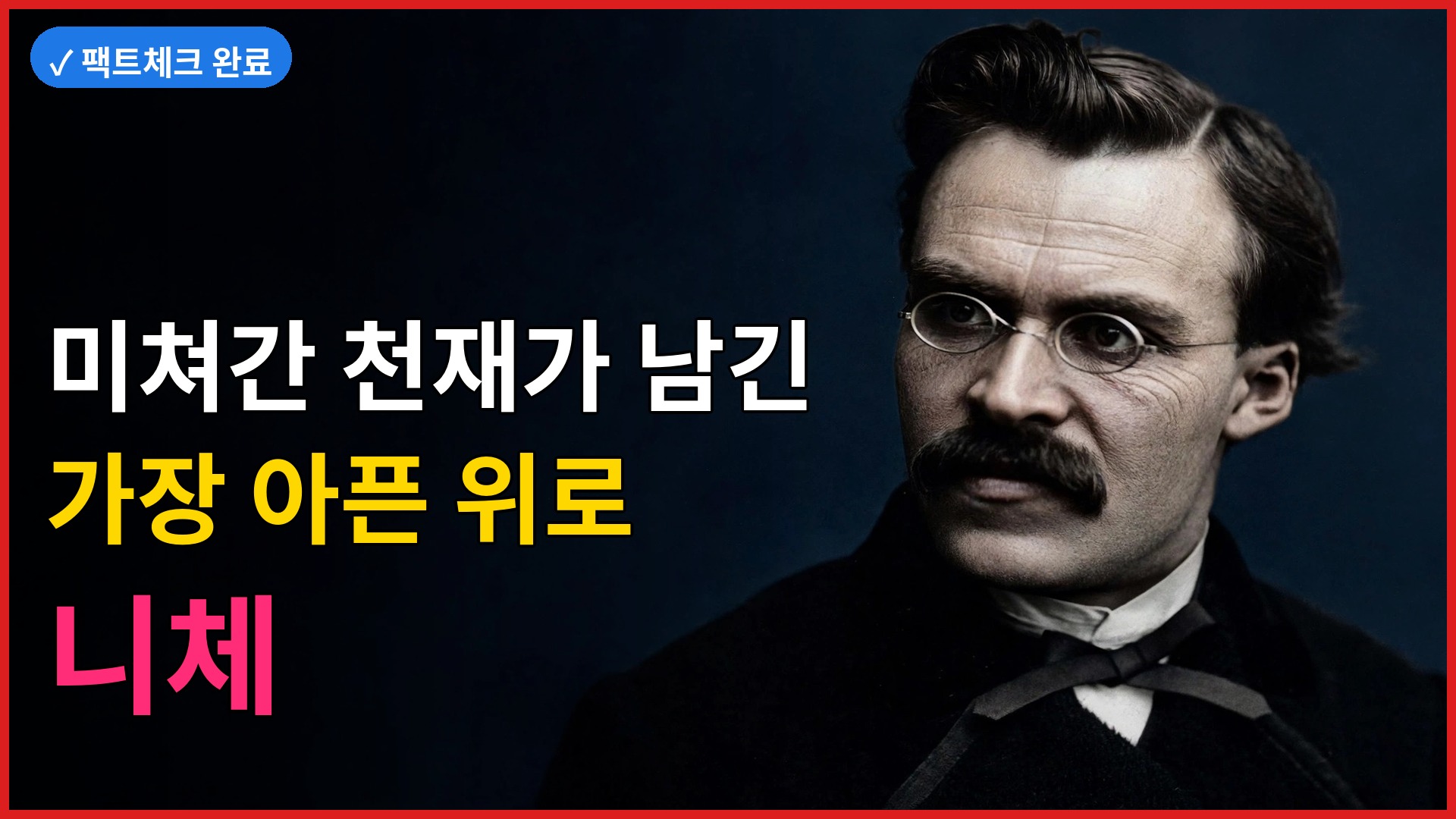
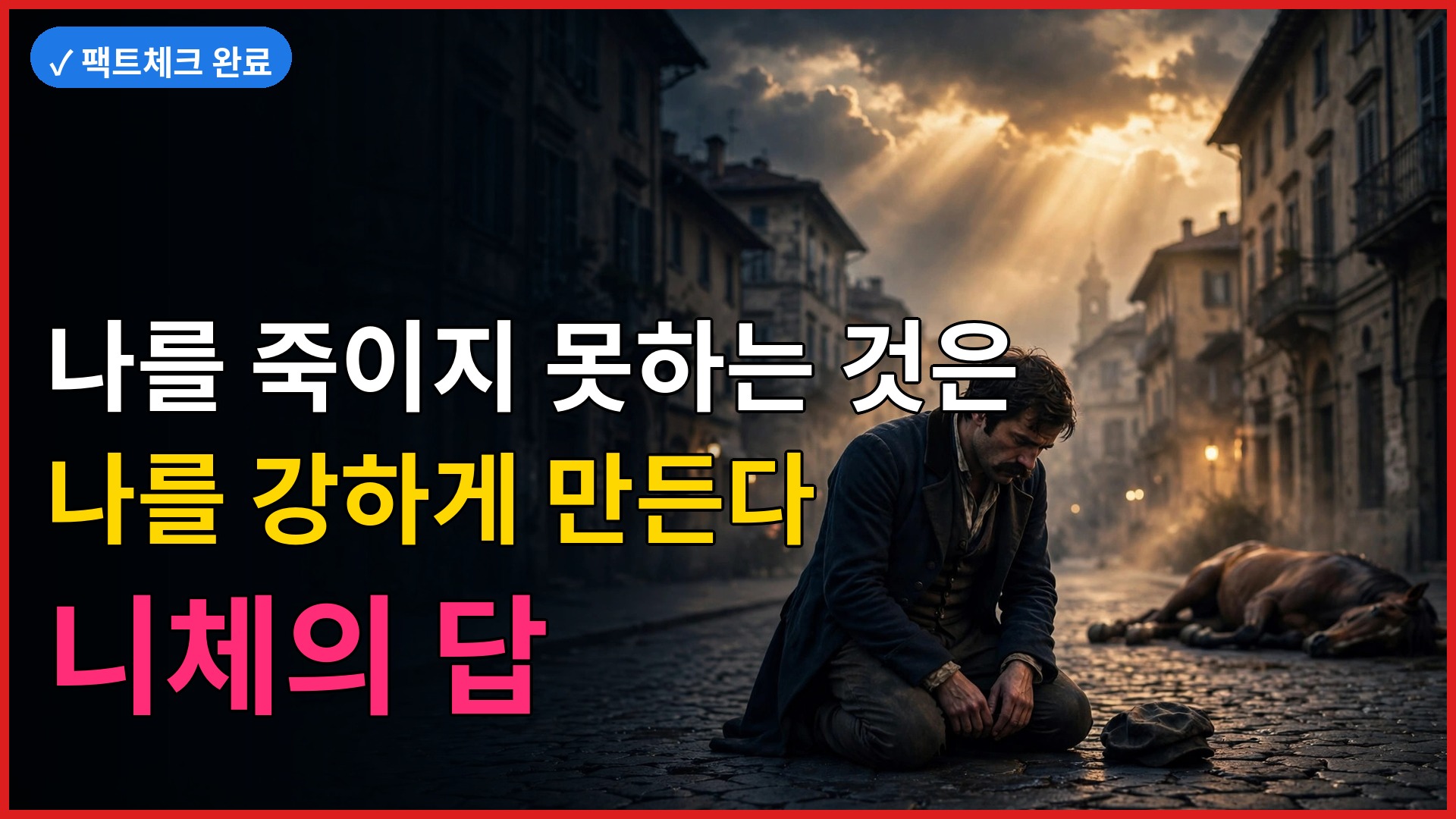
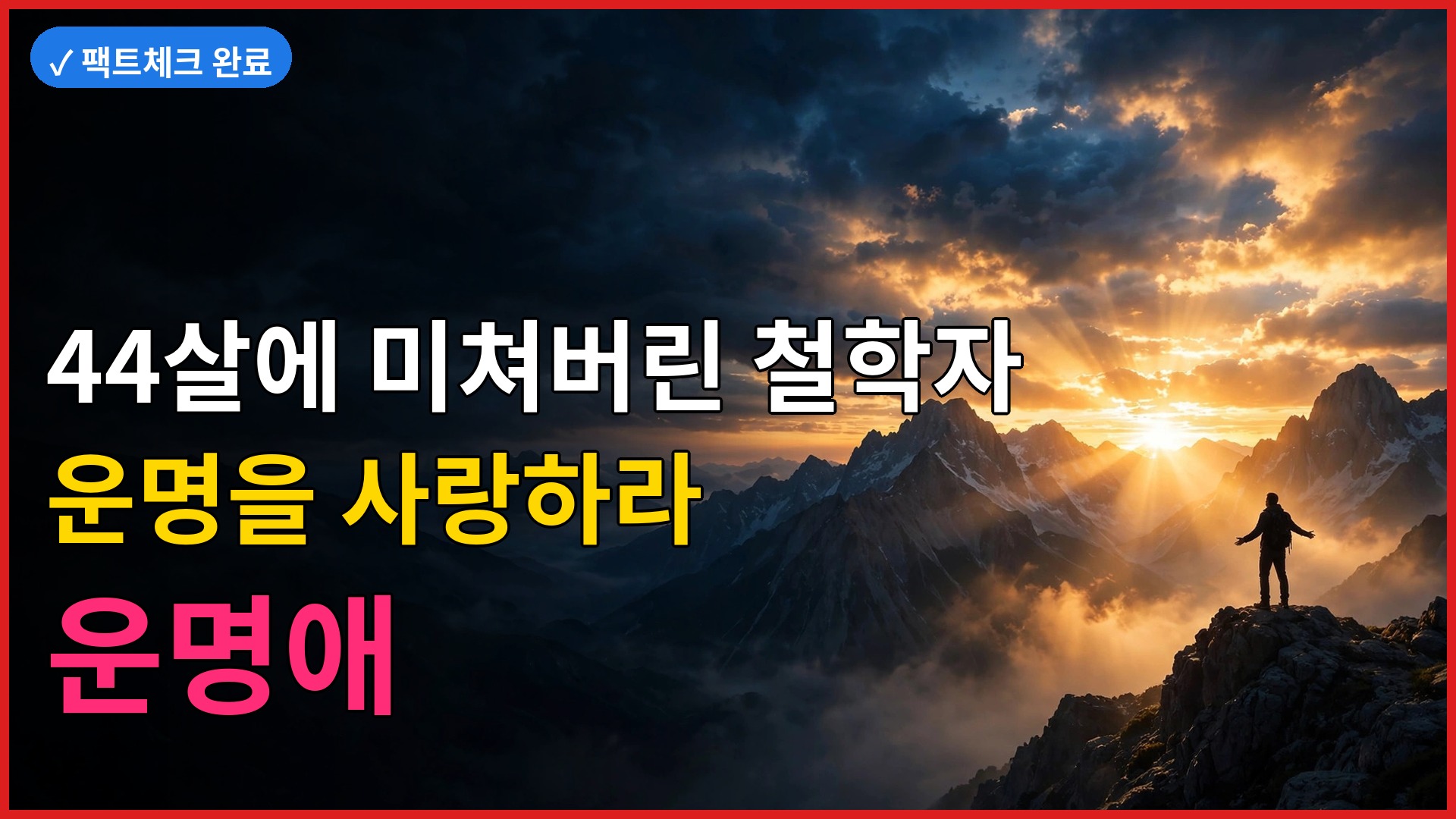
📝 제목 3안
- 니체 — 목사의 아들이 신을 부정하기까지, 미쳐간 천재의 마지막 고백
- "나를 죽이지 못하는 것은 나를 강하게 만든다" 니체가 고통에 답하다
- 44살에 미쳐버린 철학자가 남긴 위로 — 니체의 운명애
🎙️ 대본 (약 33분 · Vrew 양식)
📋 Vrew '텍스트로 영상 만들기'에 그대로 붙여넣으세요. 한 줄 = 한 문장 = 한 클립·한 자막 양식입니다.
외로우신가요.
아니면, 마음속에 말 못 할 고통을 안고 계신가요.
몸이 아프고, 자식은 멀리 있고, 밤이면 잠이 오지 않는 분.
나이 들수록 마음은 더 복잡해집니다.
젊었을 때는 몰랐던 외로움이 찾아옵니다.
오늘은 130여 년 전, 당신보다 더 깊은 고통을 산 한 철학자의 이야기를 들려드리려 합니다.
그는 평생 병과 싸웠습니다.
사랑하는 사람을 잃었습니다.
세상으로부터 외면당했습니다.
그리고 마흔넷에 미쳐버렸습니다.
그런데 그의 말이 오늘 우리를 위로합니다.
어떻게 그럴 수 있을까요.
1889년 1월 3일, 이탈리아 토리노의 어느 거리.
44살의 한 남자가 비틀거리며 걷고 있었습니다.
그는 길가에 쓰러진 말을 보고 갑자기 오열하기 시작했습니다.
말의 목을 끌어안고 울었다고 전해집니다.
정확히 무슨 일이 있었는지는 아무도 모릅니다.
다만 그날 이후, 그는 다시 돌아오지 않았습니다.
11년 동안, 말 한마디 없이.
그는 프리드리히 니체였습니다.
목사의 아들로 태어나 신을 부정했고, 천재로 떠올랐다가 미쳐간 철학자.
그의 이름은 오늘날 세계에서 가장 많이 인용되는 철학자 중 하나입니다.
하지만 그가 살아 있을 때는 아무도 알아주지 않았습니다.
그의 고통은 그의 사상이 되었고, 그의 사상은 우리의 위로가 되었습니다.
왜 목사의 아들은 신을 떠나게 되었을까요.
무엇이 그를 광기로 이끌었을까요.
그리고 왜 그의 가장 아픈 말이 오늘 우리에게 위로가 될까요.
오늘은 세 가지 이야기를 들려드리겠습니다.
목사의 아들이 신을 떠나기까지.
세상이 외면한 천재의 고독.
그리고 11년의 침묵이 남긴 것.
지금부터 니체의 삶 속으로 들어가 보겠습니다.
1844년 10월 15일, 독일 뢰켄의 작은 마을.
개신교 목사의 아들이 태어났습니다.
아버지 칼 루트비히는 마을 사람들이 존경하는 목사였습니다.
어머니 프란치스카는 다정하고 신앙심 깊은 여성이었습니다.
아버지는 아들에게 큰 기대를 걸었습니다.
프로이센 국왕과 같은 날 태어났다며, 아들의 이름을 왕의 이름에서 따왔습니다.
프리드리히 빌헬름.
니체는 목사의 아들이었습니다.
어릴 때부터 성경을 읽고, 찬송가를 부르며 자랐습니다.
목사관의 아침은 기도로 시작되었습니다.
이웃들은 그를 작은 목사라고 불렀습니다.
아버지는 아들에게 피아노를 가르쳤다고 전해집니다.
어린 니체는 아버지 앞에서 건반을 두드렸습니다.
그 기억은 니체의 평생에 남았습니다.
음악은 그에게 위로였습니다.
그런데 니체가 네 살이 되던 해, 아버지가 쓰러졌습니다.
1848년 늦여름, 아버지는 갑자기 병을 얻었습니다.
11개월을 투병하다 1849년에 세상을 떠났습니다.
정확한 병명은 기록에 남아 있지 않습니다.
뇌의 병이었다는 것만 전해집니다.
부검에서는 뇌의 일부가 소실된 것이 확인되었다고 합니다.
네 살 소년은 아버지의 죽음을 이해할 수 없었습니다.
매일 기도하던 아버지.
하나님을 섬기던 아버지.
그런데 하나님은 아버지를 데려갔습니다.
소년의 마음에 첫 번째 균열이 생겼습니다.
선한 사람도 고통받고 죽는다는 것.
기도가 항상 응답되는 것은 아니라는 것.
이 의문은 평생 그를 따라다녔습니다.
아버지의 장례식 날, 니체는 무덤 앞에서 한참을 서 있었습니다.
네 살 소년이 이해할 수 없는 이별이었습니다.
엎친 데 덮친 격으로, 이듬해에는 남동생 요제프도 세상을 떠났습니다.
두 살의 어린 동생이었습니다.
니체는 어린 나이에 죽음을 두 번 겪었습니다.
나움부르크의 외할머니 집에서, 니체는 어머니의 엄격한 교육 아래 자랐습니다.
어머니는 신앙심이 깊었고, 아들에게도 같은 길을 기대했습니다.
하지만 니체는 점점 자신만의 세계로 들어갔습니다.
밤이면 혼자 피아노를 쳤습니다.
자신이 만든 곡을 연주하며 마음을 달랬습니다.
아버지가 떠난 뒤, 니체는 어머니와 여동생 엘리자베스와 함께 외할머니 집으로 옮겼습니다.
나움부르크의 큰 집이었습니다.
여자들이 많은 집이었습니다.
할머니, 어머니, 고모, 여동생.
남자는 니체 혼자였습니다.
니체는 조용하고 예민한 아이로 자랐습니다.
책을 좋아했고, 음악을 좋아했습니다.
나움부르크의 집은 컸지만, 니체의 세계는 작았습니다.
그는 혼자 책을 읽는 것을 좋아했습니다.
고대 영웅들의 이야기에 빠져들었습니다.
그는 일기에 자신의 생각을 적었습니다.
어린 나이에도 깊은 사색을 했습니다.
특히 피아노를 잘 쳤습니다.
스스로 곡을 만들기도 했습니다.
열 살 무렵에는 벌써 작곡을 했습니다.
어머니는 아들이 아버지처럼 목사가 되기를 바랐습니다.
하지만 니체의 마음은 다른 곳에 있었습니다.
어머니와의 관계는 평생 복잡했습니다.
어머니는 아들을 사랑했지만, 아들의 길을 이해하지 못했습니다.
니체는 어머니를 사랑했지만, 어머니의 신앙을 따르지 않았습니다.
이 갈등은 니체의 글 곳곳에 나타납니다.
학교에서는 두각을 나타냈습니다.
고전어에 뛰어난 재능을 보였습니다.
라틴어와 그리스어를 남들보다 빨리 익혔습니다.
선생님들은 그의 작문을 보고 놀랐습니다.
열다섯 살 소년의 라틴어 실력은 뛰어났습니다.
니체는 자신이 특별한 재능을 가졌다는 것을 알았습니다.
하지만 그 재능이 행복을 가져다주지는 못했습니다.
친구들은 그를 공부벌레라고 불렀습니다.
열네 살 때, 니체는 명문 기숙학교에 들어갔습니다.
슐포르타라는 학교였습니다.
엄격한 규율로 유명한 곳이었습니다.
니체는 그곳에서 6년을 보냈습니다.
새벽부터 밤까지 공부했습니다.
고대 그리스 비극을 읽고, 라틴어 시를 외웠습니다.
그의 재능은 점점 빛났습니다.
선생님들은 이 소년이 보통이 아니라는 것을 알았습니다.
슐포르타에서 니체는 평생의 친구를 만났습니다.
파울 도이센이었습니다.
두 사람은 함께 고전을 읽고, 철학을 논했습니다.
니체는 시를 썼고, 음악을 작곡했습니다.
엄격한 기숙학교의 규율 속에서도 그의 내면은 자유로웠습니다.
1864년, 니체는 우수한 성적으로 졸업했습니다.
1864년, 스무 살의 니체는 본 대학에 입학했습니다.
처음에는 신학을 공부했습니다.
아버지의 뒤를 이어 목사가 되기 위해서였습니다.
어머니의 바람이기도 했습니다.
하지만 곧 그만두었습니다.
신학이 아니라 고전문헌학으로 옮겼습니다.
고대 그리스와 로마의 글을 연구하는 학문이었습니다.
어머니는 실망했습니다.
하지만 니체의 마음은 이미 돌아서고 있었습니다.
신학 수업에서 그는 질문을 멈출 수 없었습니다.
성경의 이야기들이 정말 사실일까.
기도는 왜 응답되지 않을까.
네 살 때 품었던 의문이 스무 살에 다시 터져 나온 것입니다.
본 대학 시절, 니체는 방황했습니다.
학생 모임에 가입해 술을 마시고, 친구들과 어울렸습니다.
하지만 마음은 공허했습니다.
그는 라이프치히 대학으로 옮겼습니다.
은사 리츨 교수를 따라간 것입니다.
라이프치히에서 니체는 운명적인 책을 만났습니다.
쇼펜하우어의 『의지와 표상으로서의 세계』였습니다.
니체는 이 책을 읽고 충격을 받았습니다.
세상은 고통으로 가득 차 있다는 것.
인간의 욕망은 끝이 없다는 것.
니체는 쇼펜하우어에게 깊이 공감했습니다.
하지만 나중에는 그를 넘어서려 했습니다.
고통을 부정하는 것이 아니라, 고통을 긍정하는 길을 찾았습니다.
라이프치히 대학으로 옮긴 뒤, 니체는 은사를 만났습니다.
리츨 교수였습니다.
리츨은 그를 천재라고 불렀습니다.
아직 학생인 니체에게 논문 심사를 맡길 정도였습니다.
리츨이 라이프치히로 옮기자 니체도 따라갔습니다.
그의 재능은 눈부셨습니다.
그리고 1869년, 놀라운 일이 벌어졌습니다.
스물넷의 니체가 스위스 바젤 대학의 교수로 임명된 것입니다.
박사학위도 받기 전이었습니다.
대학은 그의 재능을 보고 학위 없이 교수직을 주었습니다.
라이프치히 대학은 나중에 명예로 박사학위를 수여했습니다.
24세의 최연소 교수.
앞날은 창창해 보였습니다.
바젤에서의 첫 강의는 긴장으로 가득했습니다.
스물넷의 젊은 교수가 학생들 앞에 선 것입니다.
하지만 그의 강의는 곧 명성을 얻었습니다.
고대 그리스를 살아 있는 것처럼 이야기했습니다.
학생들은 그의 열정에 매료되었습니다.
그러나 교수로서의 생활은 그를 행복하게 하지 못했습니다.
그는 학문의 틀에 갇힌 느낌이었습니다.
하지만 바젤의 생활은 고독했습니다.
니체는 교수 관사에 혼자 살았습니다.
아침이면 혼자 차를 마셨습니다.
강의가 끝나면 혼자 산책했습니다.
저녁이면 혼자 책을 읽었습니다.
바젤의 학자들은 그를 이방인으로 보았습니다.
그는 독일 사람이었고, 생각도 달랐습니다.
니체는 편지에 썼습니다.
바젤에서 자신이 얼마나 외로운지.
하지만 그는 강의를 소홀히 하지 않았습니다.
학생들은 그의 열정을 기억했습니다.
고대 그리스의 이야기를 들려줄 때 그의 눈은 빛났습니다.
니체는 평생 병과 싸웠습니다.
심한 두통, 눈의 통증, 위장병, 불면증.
그는 하루에도 몇 번씩 구토했습니다.
약을 달고 살았습니다.
1870년에는 전쟁이 터졌습니다.
프로이센과 프랑스의 전쟁이었습니다.
니체는 종군 간호병으로 참전했습니다.
부상병을 돌보다가 자신도 이질과 디프테리아에 걸렸습니다.
한 달 넘게 앓았습니다.
이때의 경험은 그의 몸을 더 망가뜨렸습니다.
니체의 병은 평생 그를 괴롭혔습니다.
편두통이 오면 며칠씩 누워 있어야 했습니다.
눈의 통증은 점점 심해졌습니다.
위장은 음식을 받아들이지 못했습니다.
그는 하루에 몇 시간밖에 일하지 못했습니다.
나머지 시간은 어둠 속에서 누워 있어야 했습니다.
의사는 휴식을 권했지만, 니체는 글을 멈출 수 없었습니다.
강의는 힘들었고, 학생들과의 거리도 멀었습니다.
동료 교수들과도 어울리지 못했습니다.
그는 혼자 산책하고, 혼자 책을 읽고, 혼자 음악을 들었습니다.
바젤의 차가운 겨울은 그의 몸을 더 아프게 했습니다.
그러던 중 한 사람을 만났습니다.
리하르트 바그너였습니다.
당대 최고의 작곡가.
니체는 바그너의 음악에 매료되었습니다.
1868년 처음 만난 뒤, 두 사람은 가까워졌습니다.
바그너도 젊은 교수를 아꼈습니다.
두 사람은 자주 만났습니다.
바그너의 별장 트리브셴에서 함께 시간을 보냈습니다.
니체는 바그너를 스승처럼 따랐습니다.
바그너의 아내는 니체를 동생처럼 대했습니다.
니체에게 바그너는 아버지의 빈자리를 채워주는 존재였습니다.
트리브셴의 별장에서 두 사람은 밤늦도록 이야기했습니다.
음악에 대해, 예술에 대해, 삶의 의미에 대해.
바그너는 니체의 첫 책을 읽고 감동했습니다.
코지마는 니체를 진심으로 아꼈습니다.
니체는 그곳에서 오랜만에 가족 같은 따뜻함을 느꼈습니다.
하지만 이 행복은 오래가지 못했습니다.
1872년, 니체는 첫 책을 냈습니다.
『비극의 탄생』이었습니다.
바그너에게 바치는 책이었습니다.
고대 그리스 비극에서 삶의 의미를 찾으려는 책이었습니다.
니체는 말했습니다.
삶은 고통이지만, 예술을 통해 견딜 수 있다고.
그리스인들은 비극을 통해 고통을 승화시켰다고.
하지만 학계는 차갑게 반응했습니다.
하지만 학계는 차갑게 반응했습니다.
젊은 교수가 학문적 엄밀성을 버리고 예술에 빠졌다고 비판했습니다.
니체는 개의치 않았습니다.
그는 이미 학자의 길을 떠나고 있었습니다.
『비극의 탄생』 이후, 니체는 『반시대적 고찰』을 썼습니다.
시대의 흐름에 맞서는 네 편의 글이었습니다.
그는 당대의 학문과 문화를 날카롭게 비판했습니다.
역사를 숭배하는 풍조를 비판했습니다.
쇼펜하우어를 스승으로 기렸습니다.
이 글들은 학계의 미움을 샀습니다.
하지만 니체는 멈추지 않았습니다.
그는 진리를 향해 돌진하는 사람이었습니다.
1876년, 바그너와의 관계에 균열이 생겼습니다.
바이로이트 축제에서 니체는 바그너의 변화를 목격했습니다.
바그너가 기독교로 돌아가고, 민족주의에 빠지는 모습이었습니다.
니체는 실망했습니다.
자신이 사랑한 것은 예술가 바그너였지, 설교자 바그너가 아니었습니다.
1878년, 니체는 새 책을 바그너 부부에게 보냈습니다.
『인간적인, 너무나 인간적인』이었습니다.
사실상의 결별 선언이었습니다.
니체는 나중에 이렇게 회상했습니다.
두 자루 검이 우편에서 엇갈렸다고.
이 결별은 니체에게 큰 상처였습니다.
아버지를 잃은 데 이어 스승을 잃은 것입니다.
하지만 이 상처는 그를 더 독립적으로 만들었습니다.
이제 그는 누구의 제자도 아닌, 자신만의 길을 가는 사람이 되었습니다.
스승을 잃은 니체는 더 깊은 고독으로 들어갔습니다.
1879년, 건강이 악화되어 바젤 대학 교수직을 사임했습니다.
이제 그는 어디에도 소속되지 않은 자유인이 되었습니다.
국적도 버렸습니다.
그는 평생 무국적자로 살았습니다.
알프스의 작은 마을들을 떠돌며 글을 썼습니다.
여름에는 스위스 실스마리아, 겨울에는 이탈리아 해안 마을.
하숙집 방 하나가 그의 전부였습니다.
니체의 하루는 단순했습니다.
아침에 일어나 산책을 했습니다.
오후에는 글을 썼습니다.
저녁에는 혼자 식사를 했습니다.
실스마리아의 호숫가를 걸으며 그는 생각했습니다.
영원회귀의 생각이 떠오른 것도 이런 산책 중이었습니다.
그는 가난했습니다.
바젤 대학에서 받는 연금으로 근근이 살았습니다.
하지만 그는 자유로웠습니다.
어디에도 소속되지 않은 자유.
1881년 8월, 실스마리아에서 그는 중요한 영감을 얻었습니다.
영원회귀라는 생각이었습니다.
이 삶을 똑같이 다시 살겠는가라는 물음이었습니다.
같은 기쁨도, 같은 고통도, 영원히 반복된다면.
당신은 그래도 이 삶을 살겠는가.
니체는 이 질문을 던졌습니다.
1882년, 로마에서 한 여성을 만났습니다.
루 살로메, 스물한 살의 재기 넘치는 여성이었습니다.
서른일곱의 니체는 그녀에게 두 번 청혼했지만 모두 거절당했습니다.
여동생 엘리자베스가 둘 사이를 이간질했다는 말도 있습니다.
세 사람은 함께 사진을 찍었습니다.
살로메가 채찍을 들고 수레에 탄 유명한 사진입니다.
하지만 사랑은 이루어지지 않았습니다.
니체는 큰 상처를 받았습니다.
이 시기의 편지들에는 그의 아픔이 묻어납니다.
하지만 이 상처는 그의 글을 더 깊게 만들었습니다.
『차라투스트라』에는 이 시기의 아픔이 녹아 있습니다.
고독과 사랑, 그리고 극복에 대한 이야기입니다.
상처받은 니체는 스위스 라팔로로 떠났습니다.
라팔로에서 니체는 놀라운 속도로 글을 썼습니다.
『차라투스트라』 제1부를 열흘 만에 완성했습니다.
그는 나중에 말했습니다.
글이 저절로 흘러나왔다고.
차라투스트라는 산에서 내려온 예언자입니다.
사람들에게 새로운 삶의 방식을 전합니다.
스스로 생각하고, 스스로 가치를 만들라고.
니체는 이 책을 자신의 최고 걸작이라고 믿었습니다.
『차라투스트라』에는 유명한 비유가 나옵니다.
낙타, 사자, 아이의 세 단계입니다.
낙타는 무거운 짐을 지고 견디는 단계입니다.
사자는 기존의 가치에 맞서는 단계입니다.
아이는 새롭게 창조하는 단계입니다.
니체는 우리 모두가 이 단계를 거쳐야 한다고 했습니다.
견디고, 맞서고, 새롭게 태어나라고.
그곳에서 그는 대표작을 쓰기 시작했습니다.
『차라투스트라는 이렇게 말했다』였습니다.
니체는 이 책에서 자신의 사상을 펼쳤습니다.
차라투스트라는 산에서 내려와 사람들에게 말합니다.
스스로 삶의 의미를 만들라고.
1882년에서 1883년 사이, 그는 가장 왕성하게 글을 썼습니다.
『즐거운 학문』, 『차라투스트라』, 『선악의 저편』, 『도덕의 계보』.
『즐거운 학문』에서 니체는 삶의 긍정을 노래했습니다.
고통 속에서도 삶을 사랑하라고.
『선악의 저편』에서 그는 기존의 도덕을 해체했습니다.
선과 악의 구분이 절대적이지 않다고.
『도덕의 계보』에서 그는 도덕의 기원을 추적했습니다.
우리의 도덕이 어디에서 왔는지를 파헤쳤습니다.
이 책들은 모두 외면받았습니다.
하지만 오늘날에는 모두 고전으로 읽힙니다.
그런데 세상은 그를 외면했습니다.
책은 거의 팔리지 않았습니다.
『차라투스트라』 초판은 40부만 팔렸습니다.
출판사는 인세를 주지 않았습니다.
니체는 자비로 책을 찍어 지인들에게 나눠주었습니다.
그는 편지에 이렇게 썼습니다.
자신의 책을 읽는 사람이 없다고.
출판사는 그의 원고를 거절했습니다.
너무 어렵고, 너무 위험하다는 이유였습니다.
니체는 자비로 출판했습니다.
인세는커녕 인쇄비도 건지지 못했습니다.
하지만 그는 쓰기를 멈추지 않았습니다.
1888년, 그는 편지에서 이렇게 썼습니다.
자신이 곧 유명해질 것이라고.
비극적이게도 그 예감은 맞았습니다.
다만 그가 미친 뒤의 일이었습니다.
눈은 점점 나빠져서 글을 쓰기 어려웠습니다.
1882년에는 타자기를 샀습니다.
말링-한센 라이팅 볼이라는 타자기였습니다.
눈이 안 보이는 철학자가 타자기로 글을 쓰는 모습.
그것도 그의 고독의 한 장면이었습니다.
니체는 철학자이기 전에 음악가였습니다.
어릴 때부터 피아노를 쳤고, 평생 작곡을 했습니다.
그는 자신의 곡을 바그너에게 들려주기도 했습니다.
지휘자 폰 뷜로는 그의 악보를 보고 혹평했습니다.
하지만 니체는 음악을 놓지 않았습니다.
말년의 침묵 속에서도 가끔 피아노 앞에 앉았다고 합니다.
음악은 그의 마지막 위로였습니다.
니체의 사상은 단순하지 않습니다.
그는 기존의 도덕을 의심했습니다.
착하다, 나쁘다라는 구분이 정말 옳은가를 물었습니다.
그는 『즐거운 학문』에서 유명한 말을 남겼습니다.
신은 죽었다고.
하지만 이것은 니체 본인의 주장이 아닙니다.
책 속 등장인물의 대사입니다.
핵심은 우리가 그를 죽였다는 것입니다.
인간이 더 이상 신에 의지하지 않게 되었다는 선언이었습니다.
목사의 아들이 신의 죽음을 선언한 것입니다.
니체는 도덕의 기원을 파헤쳤습니다.
『도덕의 계보』에서 그는 말했습니다.
우리가 선하다고 믿는 것들이 사실은 약함에서 나온 것일 수 있다고.
그는 강한 인간을 꿈꿨습니다.
스스로 가치를 만드는 인간을.
그는 초인이라는 말을 썼습니다.
주어진 도덕을 넘어 스스로 삶의 의미를 만드는 사람이라는 뜻이었습니다.
나중에 이 말이 왜곡되어 쓰였지만, 니체의 본뜻은 자기 극복이었습니다.
니체는 영원회귀라는 생각으로 이 말을 뒷받침했습니다.
이 삶이 영원히 반복된다면, 당신은 어떤 삶을 살겠는가.
후회 없는 삶을 살라는 것입니다.
매 순간을 소중히 살라는 것입니다.
이것이 니체가 전하려 한 메시지였습니다.
영원회귀는 무서운 생각이 아닙니다.
오히려 삶을 소중히 하라는 초대입니다.
이 순간이 영원히 반복된다면, 당신은 지금 무엇을 하겠습니까.
후회되는 일을 하고 있지는 않습니까.
니체는 우리에게 묻습니다.
지금 이 순간을 사랑하라고.
1880년대 후반, 니체의 건강은 더 나빠졌습니다.
눈은 거의 보이지 않게 되었고, 두통은 더 심해졌습니다.
그는 이탈리아 토리노의 작은 하숙집에 머물렀습니다.
1888년, 그는 마지막 불꽃을 태웠습니다.
『우상의 황혼』, 『안티크리스트』를 썼습니다.
『우상의 황혼』에서 니체는 기존의 가치들을 해체했습니다.
우상처럼 여겨지는 것들을 깨뜨리라고.
『안티크리스트』에서 그는 기독교를 정면으로 비판했습니다.
목사의 아들이 기독교를 비판한 것입니다.
자신의 뿌리를 부정하는 아픔이 담긴 책이었습니다.
자신의 삶을 돌아보는 『이 사람을 보라』도 썼습니다.
자신의 삶을 돌아보는 『이 사람을 보라』도 썼습니다.
1888년의 토리노에서 니체는 이상한 활기에 휩싸여 있었습니다.
밤낮으로 글을 썼습니다.
친구들에게 장문의 편지를 보냈습니다.
자신을 디오니소스라고 칭했습니다.
주변 사람들은 그의 변화를 걱정했습니다.
하지만 아무도 그가 곧 무너질 것이라고는 예상하지 못했습니다.
니체는 편지에서 자신을 디오니소스라고 칭했습니다.
세계의 운명을 짊어졌다고 썼습니다.
이것은 천재의 마지막 불꽃이었습니다.
너무 밝게 타올라서 곧 꺼질 불꽃이었습니다.
그리고 1889년 1월 3일, 그날이 왔습니다.
토리노의 거리에서 니체는 쓰러졌습니다.
전해지는 이야기에 따르면, 학대받는 말이 쓰러지자 그는 오열하며 말의 목을 껴안았다고 합니다.
정확히 무슨 일이 있었는지는 아무도 모릅니다.
그날 이후 니체는 다시 돌아오지 않았습니다.
그는 이상한 편지들을 썼습니다.
디오니소스, 십자가에 못 박힌 자라고 서명했습니다.
바그너의 아내 코지마에게도 쪽지를 보냈습니다.
아리아드네, 사랑해, 디오니소스라고.
친구 오베르벡이 그를 바젤의 정신병원으로 데려갔습니다.
오베르벡은 니체의 오랜 친구였습니다.
그는 토리노로 달려가 니체를 데려왔습니다.
바젤의 병원에서 니체는 조용히 누워 있었습니다.
말은 거의 하지 않았습니다.
가끔 창밖을 보았습니다.
그의 눈에는 무엇이 비쳤을까요.
그의 나이 마흔넷이었습니다.
이후 11년 동안, 니체는 말없이 살았습니다.
처음에는 병원에 있다가, 나중에는 어머니 집으로 옮겨졌습니다.
예나의 병원에서는 의사들이 그를 관찰했습니다.
하지만 치료 방법은 없었습니다.
니체는 말없이 창밖을 보았습니다.
가끔 미소를 지었다고 합니다.
무슨 생각을 했는지는 아무도 모릅니다.
어머니가 그를 돌보았습니다.
7년 동안 어머니가 곁을 지켰습니다.
1897년 어머니가 돌아가시자, 여동생 엘리자베스가 오빠를 바이마르로 데려갔습니다.
니체는 말없이 창밖을 보았습니다.
가끔 피아노 앞에 앉았다고 합니다.
어머니는 아들을 지극히 돌보았습니다.
7년 동안, 어머니는 니체의 곁을 지켰습니다.
말없는 아들에게 말을 걸고, 식사를 챙겼습니다.
1897년 어머니가 돌아가시자, 니체는 여동생에게 맡겨졌습니다.
엘리자베스는 오빠를 바이마르로 데려갔습니다.
그곳에 니체 아카이브를 만들었습니다.
오빠의 명성을 관리하려는 것이었습니다.
하지만 그 과정에서 왜곡도 일어났습니다.
1900년 8월 25일, 니체는 바이마르에서 세상을 떠났습니다.
쉰다섯 살이었습니다.
그의 장례식에는 많은 사람들이 모였습니다.
생전에는 외면받았지만, 죽음 이후에는 달랐습니다.
젊은 철학자들이 그의 책을 읽기 시작했습니다.
20세기의 문을 연 철학자로 불리게 되었습니다.
당시 의사들은 매독으로 진단했습니다.
하지만 현대 의학계에서는 다른 설도 제기됩니다.
뇌종양설, 유전성 뇌혈관 질환설.
아버지도 젊은 나이에 뇌 질환으로 세상을 떠났습니다.
정확한 원인은 지금도 확정되지 않았습니다.
그런데 그의 죽음 이후, 이상한 일이 벌어졌습니다.
여동생 엘리자베스가 니체의 유고 노트를 모아 책으로 펴냈습니다.
『권력에의 의지』라는 제목이었습니다.
하지만 이 책은 니체가 쓴 책이 아닙니다.
엘리자베스와 편집자가 메모들을 자의적으로 모아 만든 것입니다.
연구자들은 이를 역사적 위조라고 부릅니다.
니체는 생전에 이 제목의 책 계획을 접었습니다.
엘리자베스의 남편은 반유대주의자였습니다.
두 사람은 파라과이에 독일인 식민지를 만들기도 했습니다.
더 큰 문제는 따로 있었습니다.
나치가 니체를 자기들의 철학자로 활용했다는 것입니다.
히틀러는 니체 아카이브를 방문했고, 엘리자베스는 이를 환영했습니다.
하지만 니체 본인은 생전에 반유대주의를 혐오했습니다.
그는 반유대주의 출판사와 결별했고, 여동생의 반유대주의적 남편과도 사이가 나빴습니다.
니체의 사상이 왜곡된 것은 여동생의 편집과 나치의 악용, 두 단계에 걸쳐 일어난 일입니다.
20세기가 되어서야 니체는 재평가받았습니다.
그의 책은 세계의 언어로 번역되었습니다.
철학자들은 그를 현대 철학의 문을 연 사람이라고 불렀습니다.
20세기 내내 니체는 논쟁의 중심에 있었습니다.
어떤 이는 그를 위험한 사상가라고 했습니다.
어떤 이는 그를 자유의 철학자라고 했습니다.
하지만 모두가 인정한 것이 있습니다.
그가 던진 질문들이 여전히 유효하다는 것입니다.
우리는 어떻게 살아야 하는가.
무엇이 선이고 악인가.
니체의 질문은 오늘도 우리를 흔듭니다.
니체는 11년의 침묵 끝에 세상을 떠났습니다.
하지만 그의 진짜 목소리는 책 속에 남아 있습니다.
이제 그의 말이 우리에게 전하는 위로를 들어보겠습니다.
니체는 『우상의 황혼』에 이렇게 썼습니다.
나를 죽이지 못하는 것은 나를 더 강하게 만든다고.
이것은 고통을 미화하는 말이 아닙니다.
고통을 겪은 사람만이 아는 진실입니다.
니체는 이 말을 책상 앞에서 쓴 것이 아닙니다.
편두통으로 며칠씩 누워 있으면서 쓴 것입니다.
눈이 안 보여 타자기를 두드리면서 쓴 것입니다.
그래서 이 말에는 무게가 있습니다.
시니어 여러분, 여러분은 이미 수많은 고통을 견뎌내셨습니다.
전쟁을 겪고, 가난을 겪고, 자식을 키우며 밤을 새웠습니다.
그 고통이 여러분을 강하게 만들었습니다.
젊은 시절의 가난을 생각해 보세요.
그때는 힘들었지만, 지금 돌아보면 그 시절이 있었기에 지금이 있습니다.
니체의 말은 바로 그것을 말합니다.
고통은 우리를 부수기도 하지만, 견뎌낸 고통은 우리를 단단하게 합니다.
니체는 또 이렇게 썼습니다.
삶의 왜를 가진 사람은 거의 모든 어떻게와 타협할 수 있다고.
왜 살아야 하는지 아는 사람은 어떤 고통도 견딜 수 있다는 것입니다.
나이 들어 몸이 아프고, 외롭고, 막막할 때.
왜를 다시 물어보세요.
자식을 위해서, 손주를 위해서, 아직 이루지 못한 작은 소망을 위해서.
왜가 있으면 어떻게든 살아낼 수 있습니다.
니체 자신도 왜를 가진 사람이었습니다.
병든 몸으로도 글을 쓴 이유.
세상이 외면해도 계속 쓴 이유.
그에게는 전해야 할 말이 있었기 때문입니다.
여러분에게도 그런 왜가 있습니다.
그것을 붙잡으세요.
니체의 가장 유명한 말 중 하나가 있습니다.
춤추는 별을 낳으려면 아직 내면에 혼돈을 품고 있어야 한다고.
『차라투스트라』에 나오는 구절입니다.
혼돈은 나쁜 것이 아닙니다.
흔들리고, 아프고, 혼란스러운 마음.
그 속에서 새로운 것이 태어납니다.
나이 들어 마음이 복잡하신가요.
그것은 별을 낳기 전의 혼돈일지 모릅니다.
니체는 혼돈을 두려워하지 않았습니다.
오히려 혼돈 속에서 새로운 것이 태어난다고 믿었습니다.
여러분의 마음이 복잡한 것은 살아 있다는 증거입니다.
아무것도 느끼지 못하는 것보다 백 배 낫습니다.
니체는 고독에 대해서도 썼습니다.
여기에서 그는 자신의 정신과 자신의 고독을 즐겼고, 열 해 동안 그것을 싫증내지 않았다고.
고독은 외로움과 다릅니다.
외로움은 비어 있는 것이고, 고독은 차 있는 것입니다.
혼자 있는 시간을 즐기세요.
그것은 충만한 시간입니다.
니체는 10년 동안 혼자 살면서 가장 위대한 책들을 썼습니다.
혼자 있는 시간은 버려진 시간이 아닙니다.
자신을 돌아보고, 마음을 정리하는 시간입니다.
차 한 잔을 마시며 창밖을 보세요.
그 시간이 여러분을 채울 것입니다.
니체는 이런 경고도 남겼습니다.
괴물과 싸우는 자는 자신이 괴물이 되지 않도록 조심해야 한다고.
오랫동안 심연을 들여다보면, 심연도 너를 들여다본다고.
『선악의 저편』에 나오는 구절입니다.
미운 사람이 있으신가요.
자식에게 서운한 마음, 세상에 대한 분노.
그 마음을 오래 들여다보면, 그 마음이 당신을 집어삼킵니다.
미움은 내려놓으세요.
미움은 내려놓으세요.
그것이 당신을 지키는 길입니다.
니체는 미움의 위험을 알았습니다.
그는 평생 많은 적을 만들었지만, 미움에 지지 않으려 했습니다.
여러분의 마음에 오래된 원한이 있다면, 이제 놓아주세요.
그 무게를 내려놓는 순간 마음이 가벼워집니다.
니체는 인간에 대해 이렇게 말했습니다.
인간에게서 위대한 것은 그가 다리이지 목적이 아니라는 것이라고.
여러분의 삶은 다음 세대로 이어지는 다리입니다.
자식에게, 손주에게, 세상에.
여러분이 건너온 다리 위로 다음 세대가 걸어갑니다.
그것만으로도 충분히 위대한 삶입니다.
여러분은 이미 다리 역할을 하고 계십니다.
자식에게 삶의 지혜를 전하고, 손주에게 사랑을 줍니다.
그 다리가 없었다면 다음 세대는 건너올 수 없었습니다.
자부심을 가지세요.
니체가 가장 사랑한 말은 운명애였습니다.
운명애, 이것이 이제부터 나의 사랑이 되리라.
자신의 운명을 사랑하라는 것입니다.
니체는 자신의 운명을 사랑했을까요.
병든 몸, 외면당한 책, 미쳐버린 말년.
그는 그것을 사랑하려 했습니다.
그것이 그의 마지막 철학이었습니다.
과거를 후회하지 말고, 현재를 원망하지 말고.
그대로의 삶을 사랑하라는 것입니다.
그는 이렇게도 썼습니다.
인간의 위대함에 대한 나의 공식은 운명애이다.
앞을 보든 뒤를 보든, 영원히, 아무것도 다르게 원하지 않는 것.
지나간 일을 후회하지 마세요.
그 모든 것이 지금의 여러분을 만들었습니다.
니체는 과거를 사랑하라고 했습니다.
실패했던 일도, 아팠던 일도, 후회되는 일도.
그것들이 모여 지금의 여러분이 되었습니다.
과거를 미워하지 마세요.
그것은 여러분의 일부입니다.
한 가지 덧붙이자면, 지금까지의 위로는 오늘을 사는 우리의 해석입니다.
니체의 철학은 어렵고, 때로는 위험하게 읽힐 수도 있습니다.
하지만 그의 고통과 고독, 그리고 그것을 견뎌낸 기록은 분명합니다.
1889년 1월의 토리노로 돌아가 보겠습니다.
쓰러진 말 앞에서 오열하던 남자.
그는 다시 돌아오지 못했습니다.
하지만 그가 남긴 말들은 돌아왔습니다.
나를 죽이지 못하는 것은 나를 더 강하게 만든다.
삶의 왜를 가진 사람은 거의 모든 어떻게와 타협할 수 있다.
운명애, 이것이 이제부터 나의 사랑이 되리라.
외로우신가요.
그럼 이 밤, 130여 년 전 한 철학자의 말을 가만히 들어보세요.
그는 미쳐갔지만, 그의 말은 미치지 않았습니다.
그는 외로웠지만, 그의 말은 우리를 위로합니다.
당신의 고통은 당신을 강하게 만들었습니다.
당신의 고독은 충만한 시간입니다.
당신의 삶은 다음 세대로 이어지는 다리입니다.
그리고 그것으로 충분합니다.
좋은 밤 되세요.
혹시 지금 마음이 많이 힘드시다면, 혼자 앓지 마세요.
자살예방상담전화 109번, 24시간 누군가 들어줍니다.
🖼️ 이미지 프롬프트 (대본 순서대로)
📋 Vrew 나레이션 재생 중 띄울 배경 이미지용. 따뜻한 힐링 일러스트 스타일.
# 위로집 2번 니체 — 이미지 프롬프트 54장

## 1. 외로운 밤 (나레이션: "외로우신가요.")
Photorealistic cinematic still, 16:9, no text, no watermark. A quiet Korean senior living room at night, warm lamplight glowing softly in the corner. An elderly Korean woman in her 70s sits alone by the window, gazing out at the dark city lights, her face gentle and contemplative with subtle wrinkles showing a lifetime of stories. Soft bokeh of distant apartment lights outside the window. Warm color grading with deep shadows, shallow depth of field, shot on full-frame camera with 50mm lens. The atmosphere is calm, tender, and slightly melancholic, evoking quiet loneliness and the comfort of a peaceful night. Korean ethnicity, realistic skin texture, natural indoor lighting.

## 2. 고통을 안은 마음 (나레이션: "마음속에 말 못 할 고통을 안고 계신가요.")
Photorealistic cinematic still, 16:9, no text, no watermark. Close-up of an elderly Korean man's weathered hands holding a warm cup of tea on a wooden table, soft morning light streaming through a window. His hands show age spots and prominent veins, telling stories of decades of labor. Steam rises gently from the cup. Shallow depth of field with the background softly blurred showing a modest Korean home interior. Warm golden tones, shot on full-frame camera with 85mm lens, macro detail on skin texture. The mood is introspective and tender, capturing unspoken pain and quiet endurance. Korean ethnicity, photorealistic detail.

## 3. 토리노의 거리 1889 (나레이션: "1889년 1월 3일, 이탈리아 토리노의 어느 거리.")
Photorealistic cinematic still, 16:9, no text, no watermark. A 19th-century Italian street in Turin on an overcast winter day, cobblestone road, historic European buildings with arched windows and stone facades. A horse-drawn carriage in the distance, a few pedestrians in 1880s European clothing with long coats and hats. Muted gray-blue color palette, soft diffused daylight, slight mist in the air. Shot on full-frame camera with 35mm lens, wide establishing shot with authentic period detail. The atmosphere is somber and foreboding, capturing the historical moment before tragedy. European setting, photorealistic architectural detail, cinematic composition.

## 4. 말 앞에서 오열하는 남자 (나레이션: "말의 목을 끌어안고 울었다고 전해집니다.")
Photorealistic cinematic still, 16:9, no text, no watermark. Emotional dramatic scene on a 19th-century Turin street: a middle-aged European man with a large dark mustache, disheveled hair, wearing a worn dark overcoat, kneeling beside a collapsed horse on cobblestones, his arms wrapped around the horse's neck, face buried in grief. Bystanders in 1880s clothing watch from a distance with concern. Overcast winter light, muted desaturated colors, shallow depth of field focusing on the man's anguished expression. Shot on full-frame camera with 50mm lens. The mood is heartbreaking and raw, capturing a moment of profound human compassion and breakdown. European ethnicity, photorealistic emotion.

## 5. 니체 초상 (나레이션: "그는 프리드리히 니체였습니다.")
Photorealistic portrait, 16:9, no text, no watermark. Dignified portrait of Friedrich Nietzsche in his late 30s, the famous German philosopher with his iconic large dark walrus mustache, intense deep-set eyes, high forehead, wearing a dark 19th-century European suit with vest and white shirt. Dark moody background with subtle vignette, Rembrandt lighting illuminating one side of his face. Shot on full-frame camera with 85mm lens, sharp focus on eyes. The expression is serious, penetrating, and melancholic. Museum-quality portrait photography, photorealistic skin texture, European ethnicity, cinematic color grading.

## 6. 뢰켄 마을 1844 (나레이션: "1844년 10월 15일, 독일 뢰켄의 작은 마을.")
Photorealistic cinematic still, 16:9, no text, no watermark. A peaceful 19th-century German village in autumn 1844, small stone church with tall spire at the center, half-timbered houses with thatched and tiled roofs, cobblestone paths, villagers in period clothing. Soft golden afternoon light, gentle mist over green fields in the background. Shot on full-frame camera with 35mm lens, wide panoramic view. Warm nostalgic color grading, photorealistic architectural and natural detail. The atmosphere is serene and idyllic, capturing the birthplace of a philosopher. European setting, cinematic composition.

## 7. 목사관의 아침 (나레이션: "목사관의 아침은 기도로 시작되었습니다.")
Photorealistic cinematic still, 16:9, no text, no watermark. Interior of a 19th-century German parsonage in the morning, a dignified Protestant pastor father in black clerical attire reading the Bible at a wooden table, his young wife beside him, warm candlelight and soft window light illuminating the scene. A small boy (young Nietzsche, age 3) sits nearby listening attentively. Wooden furniture, bookshelves, a cross on the wall. Warm amber tones, soft natural lighting, shot on full-frame camera with 50mm lens. The mood is reverent, warm, and peaceful, capturing a devout family moment. European ethnicity, photorealistic period detail.

## 8. 아버지의 죽음 (나레이션: "1848년 늦여름, 아버지는 갑자기 병을 얻었습니다.")
Photorealistic cinematic still, 16:9, no text, no watermark. Somber 19th-century bedroom scene, a sick middle-aged pastor lying in bed, pale and weak, his worried wife holding his hand, soft candlelight flickering. A small boy (age 4) stands in the doorway watching with confused sad eyes, partially in shadow. Muted desaturated colors, dramatic chiaroscuro lighting, shot on full-frame camera with 50mm lens. The atmosphere is heavy with grief and foreboding. Through the window, late summer light fades. Photorealistic emotional depth, European ethnicity, cinematic composition capturing childhood trauma.

## 9. 무덤 앞의 소년 (나레이션: "아버지의 장례식 날, 니체는 무덤 앞에서 한참을 서 있었습니다.")
Photorealistic cinematic still, 16:9, no text, no watermark. A small German village cemetery in 1849, overcast gray sky, a 4-year-old boy in black 19th-century mourning clothes standing alone before a fresh grave with a simple wooden cross, his mother kneeling nearby in black veil. Bare trees, fallen leaves, soft diffused light. Shot on full-frame camera with 85mm lens, shallow depth of field focusing on the boy's solemn face. Desaturated melancholic color palette. The mood is profoundly sad and lonely, capturing a child's first encounter with death. European ethnicity, photorealistic detail, cinematic emotional weight.

## 10. 나움부르크의 집 (나레이션: "나움부르크의 큰 집이었습니다.")
Photorealistic cinematic still, 16:9, no text, no watermark. Exterior of a large 19th-century German bourgeois house in Naumburg, elegant stone facade with tall windows, a garden with autumn trees. A young boy (Nietzsche age 6) sits on the front steps reading a book, his mother and grandmother visible through a window. Soft afternoon light, warm nostalgic tones, shot on full-frame camera with 35mm lens. The atmosphere is quiet and sheltered but slightly confining. Photorealistic architectural detail, European setting, cinematic composition.

## 11. 피아노 치는 소년 (나레이션: "특히 피아노를 잘 쳤습니다.")
Photorealistic cinematic still, 16:9, no text, no watermark. A 10-year-old European boy with serious expression playing an upright piano in a 19th-century German parlor, sheet music before him, warm lamplight illuminating his concentrated face. His mother watches proudly from a chair nearby. Rich wooden interior, heavy curtains, soft golden light. Shot on full-frame camera with 50mm lens, shallow depth of field. The mood is tender and artistic, capturing a gifted child's musical talent. European ethnicity, photorealistic detail, warm cinematic grading.

## 12. 슐포르타 기숙학교 (나레이션: "슐포르타라는 학교였습니다.")
Photorealistic cinematic still, 16:9, no text, no watermark. Imposing 19th-century German boarding school (Schulpforta), grand stone monastery-like building with Gothic arches, students in dark uniforms walking through a stone courtyard at dawn. A teenage boy (Nietzsche age 14) with books under his arm walks alone, head slightly bowed. Cold morning light, mist, desaturated blue-gray tones. Shot on full-frame camera with 35mm lens, wide shot emphasizing the institution's stern grandeur. The atmosphere is disciplined and austere. European setting, photorealistic architectural detail.

## 13. 고전어 공부 (나레이션: "라틴어와 그리스어를 남들보다 빨리 익혔습니다.")
Photorealistic cinematic still, 16:9, no text, no watermark. A teenage European boy studying ancient Greek and Latin texts by candlelight in a 19th-century dormitory room, open books with classical script, a Greek bust on the desk. His face shows intense concentration, quill in hand. Warm candlelight against dark shadows, chiaroscuro lighting. Shot on full-frame camera with 50mm lens, close intimate framing. The mood is scholarly and passionate, capturing a prodigy's dedication. European ethnicity, photorealistic period detail, cinematic lighting.

## 14. 친구 도이센 (나레이션: "파울 도이센이었습니다.")
Photorealistic cinematic still, 16:9, no text, no watermark. Two teenage European boys in 19th-century school uniforms walking together through an autumn forest path, engaged in deep conversation, books under their arms. Golden autumn leaves, soft dappled sunlight through trees. Shot on full-frame camera with 50mm lens, medium shot capturing their friendship and intellectual bond. Warm nostalgic tones. The atmosphere is youthful and hopeful, the beginning of a lifelong friendship. European ethnicity, photorealistic natural detail.

## 15. 본 대학 입학 (나레이션: "1864년, 스무 살의 니체는 본 대학에 입학했습니다.")
Photorealistic cinematic still, 16:9, no text, no watermark. Grand 19th-century German university building (Bonn), neoclassical facade with columns, students in 1860s attire walking up stone steps. A 20-year-old young man (Nietzsche) with dark hair stands at the entrance looking up with determination and uncertainty. Bright daylight, crisp autumn air. Shot on full-frame camera with 35mm lens, low angle emphasizing the institution's grandeur. The mood is hopeful yet anxious, a young man's new beginning. European setting, photorealistic detail.

## 16. 신학에서 문헌학으로 (나레이션: "신학이 아니라 고전문헌학으로 옮겼습니다.")
Photorealistic cinematic still, 16:9, no text, no watermark. A young European man in his early 20s standing at a crossroads in a 19th-century German university town at dusk, one path leading to a church with illuminated windows, the other to a library with warm light. He gazes toward the library, his face showing resolve and inner conflict. Dramatic sunset sky, long shadows. Shot on full-frame camera with 35mm lens, symbolic composition. The mood is contemplative and decisive, capturing a life-changing choice. European ethnicity, photorealistic, cinematic color grading.

## 17. 쇼펜하우어의 책 (나레이션: "쇼펜하우어의 『의지와 표상으로서의 세계』였습니다.")
Photorealistic cinematic still, 16:9, no text, no watermark. Close-up of a young man's hands holding an old leather-bound German book in a dim 19th-century study, candlelight illuminating the aged pages with German text. His eyes wide with revelation above the book, face partially lit. Dark wooden bookshelves in background. Dramatic chiaroscuro, warm candle glow against deep shadows. Shot on full-frame camera with 50mm lens, intimate framing. The mood is electric with intellectual discovery. European ethnicity, photorealistic texture detail on leather and paper.

## 18. 바젤 교수 임명 (나레이션: "스물넷의 니체가 스위스 바젤 대학의 교수로 임명된 것입니다.")
Photorealistic cinematic still, 16:9, no text, no watermark. A 24-year-old European man with dark hair and serious expression receiving an official document in a grand 19th-century Swiss university hall, professors in academic robes applauding around him. Tall windows with daylight streaming in, ornate wood paneling. Shot on full-frame camera with 35mm lens, capturing the triumphant moment. Bright hopeful lighting, warm tones. The atmosphere is celebratory yet the young man's face shows quiet gravity. European ethnicity, photorealistic period detail.

## 19. 바젤의 고독 (나레이션: "하지만 바젤의 생활은 고독했습니다.")
Photorealistic cinematic still, 16:9, no text, no watermark. A lonely European man in his late 20s walking alone along the Rhine river in Basel on a cold gray winter day, 19th-century Swiss buildings in background, bare trees, his coat collar turned up against the wind. Overcast light, desaturated blue-gray palette. Shot on full-frame camera with 85mm lens, the figure small in the frame emphasizing isolation. The mood is profoundly lonely and melancholic. European ethnicity, photorealistic atmospheric detail, cinematic composition.

## 20. 병마와 싸우는 니체 (나레이션: "니체는 평생 병과 싸웠습니다.")
Photorealistic cinematic still, 16:9, no text, no watermark. A sick European man in his 30s lying in a dark 19th-century bedroom, clutching his head in pain from migraine, medicine bottles on the nightstand, a single candle burning low. His face contorted in suffering, sweat on his brow. Dramatic low-key lighting, deep shadows, muted colors. Shot on full-frame camera with 50mm lens, intimate and raw. The mood is painful and vulnerable, showing the physical torment behind the philosophy. European ethnicity, photorealistic emotional intensity.

## 21. 종군 간호병 (나레이션: "니체는 종군 간호병으로 참전했습니다.")
Photorealistic cinematic still, 16:9, no text, no watermark. Franco-Prussian War 1870 field hospital scene, a young European man in medical volunteer uniform tending to wounded soldiers on stretchers, canvas tents, dramatic wartime atmosphere. Smoke and dust in the air, warm lantern light against dark surroundings. Shot on full-frame camera with 35mm lens, documentary-style realism. The mood is urgent and compassionate, showing a philosopher's encounter with human suffering. European ethnicity, photorealistic historical detail.

## 22. 바그너와의 만남 (나레이션: "리하르트 바그너였습니다.")
Photorealistic cinematic still, 16:9, no text, no watermark. Two 19th-century European men in an elegant drawing room, an older distinguished composer with dramatic presence (Wagner) and a young intense professor (Nietzsche in his 20s) engaged in passionate conversation about music, a grand piano between them, sheet music scattered. Warm lamplight, rich burgundy and gold interior. Shot on full-frame camera with 50mm lens. The atmosphere is electric with artistic kinship and mutual admiration. European ethnicity, photorealistic period detail, cinematic warmth.

## 23. 트리브셴의 밤 (나레이션: "바그너의 별장 트리브셴에서 함께 시간을 보냈습니다.")
Photorealistic cinematic still, 16:9, no text, no watermark. Evening at a luxurious 19th-century Swiss lakeside villa (Tribschen), warm light glowing from tall windows, two men silhouetted on a terrace overlooking Lake Lucerne at sunset, mountains in the distance. The younger man plays piano inside while the older listens with eyes closed. Romantic golden-hour light, deep blues and warm ambers. Shot on full-frame camera with 35mm lens, wide scenic composition. The mood is idyllic and intimate, a golden age of friendship. European setting, photorealistic, cinematic beauty.

## 24. 비극의 탄생 집필 (나레이션: "『비극의 탄생』이었습니다.")
Photorealistic cinematic still, 16:9, no text, no watermark. A European man in his late 20s writing intensely at a wooden desk in a 19th-century study, manuscript pages scattered, a bust of a Greek god and books on ancient tragedy behind him, candlelight illuminating his passionate face. Ink pen in hand, papers filled with German script. Warm dramatic lighting, rich browns and ambers. Shot on full-frame camera with 50mm lens. The mood is creative and fervent, capturing the birth of a philosophical work. European ethnicity, photorealistic detail.

## 25. 학계의 냉대 (나레이션: "하지만 학계는 차갑게 반응했습니다.")
Photorealistic cinematic still, 16:9, no text, no watermark. A young professor standing alone in a grand 19th-century university lecture hall, rows of empty seats, harsh daylight from tall windows creating long shadows. He holds his published book, his expression stoic but wounded. Cold desaturated tones, high contrast. Shot on full-frame camera with 35mm lens, wide shot emphasizing emptiness and rejection. The mood is lonely and defiant. European ethnicity, photorealistic, cinematic composition.

## 26. 바이로이트의 균열 (나레이션: "바이로이트 축제에서 니체는 바그너의 변화를 목격했습니다.")
Photorealistic cinematic still, 16:9, no text, no watermark. Grand 19th-century opera festival theater interior (Bayreuth), opulent audience in formal attire, a lone young man (Nietzsche) in the crowd with a troubled distant expression, the stage glowing in the background. He sits apart, disconnected from the celebration around him. Warm stage light contrasting with his shadowed face. Shot on full-frame camera with 85mm lens, shallow depth of field. The mood is disillusionment and quiet heartbreak. European ethnicity, photorealistic, cinematic tension.

## 27. 결별의 편지 (나레이션: "『인간적인, 너무나 인간적인』이었습니다.")
Photorealistic cinematic still, 16:9, no text, no watermark. Close-up of hands wrapping a newly published German book in brown paper and string on a 19th-century wooden desk, a letter beside it, candlelight. The man's face (30s, mustached) visible in soft focus, expression resolute and sad. Warm amber light, intimate framing. Shot on full-frame camera with 50mm lens. The mood is solemn and final, a friendship ending with dignity. European ethnicity, photorealistic texture detail.

## 28. 바젤 사임 (나레이션: "1879년, 건강이 악화되어 바젤 대학 교수직을 사임했습니다.")
Photorealistic cinematic still, 16:9, no text, no watermark. A European man in his mid-30s walking away from a grand university building at dusk, carrying a small suitcase, looking back one last time. The building's windows glow warmly behind him, his figure silhouetted against the fading light. Cool blue twilight tones. Shot on full-frame camera with 35mm lens, the man small in the frame. The mood is bittersweet liberation, leaving security for the unknown. European ethnicity, photorealistic, cinematic composition.

## 29. 알프스 방랑 (나레이션: "알프스의 작은 마을들을 떠돌며 글을 썼습니다.")
Photorealistic cinematic still, 16:9, no text, no watermark. A lone European traveler with a walking stick and small pack hiking through a breathtaking Alpine mountain pass, snow-capped peaks, a small village with a church spire in the valley below. Dramatic clouds, crisp clear light. Shot on full-frame camera with 35mm lens, wide epic landscape with the tiny human figure emphasizing solitude and freedom. The mood is sublime and liberating. European setting, photorealistic natural grandeur, cinematic scale.

## 30. 실스마리아의 영감 (나레이션: "1881년 8월, 실스마리아에서 그는 중요한 영감을 얻었습니다.")
Photorealistic cinematic still, 16:9, no text, no watermark. A European man in his late 30s standing on the shore of a pristine Alpine lake (Sils-Maria), staring at the dramatic mountain reflection in still water, his face showing sudden revelation and awe. Golden late-afternoon light, mirror-like lake surface, towering peaks. Shot on full-frame camera with 35mm lens. The mood is transcendent and electric, the moment of a world-changing idea. European ethnicity, photorealistic, cinematic natural beauty.

## 31. 루 살로메 (나레이션: "루 살로메, 스물한 살의 재기 넘치는 여성이었습니다.")
Photorealistic cinematic still, 16:9, no text, no watermark. A striking young European woman in her early 20s (Lou Salomé) with intelligent piercing eyes and dark hair, wearing elegant 1880s attire, standing in a Roman garden with ancient ruins behind her. A serious mustached man in his late 30s (Nietzsche) gazes at her with admiration and longing from a slight distance. Warm Italian sunlight, soft focus background. Shot on full-frame camera with 85mm lens. The mood is romantic and intellectually charged, an fateful encounter. European ethnicity, photorealistic, cinematic warmth.

## 32. 채찍 사진 (나레이션: "살로메가 채찍을 들고 수레에 탄 유명한 사진입니다.")
Photorealistic cinematic still, 16:9, no text, no watermark. Recreation of the famous 1882 photograph: a young woman holding a whip standing in a small cart, two mustached men (one in his 30s, Nietzsche) harnessed in front like horses, in a 19th-century photographic studio setting with painted backdrop. Sepia-toned, vintage photographic style with authentic 1880s studio lighting and grain. Shot to mimic period photography. The mood is playful yet philosophically provocative. European ethnicity, photorealistic historical recreation.

## 33. 차라투스트라 집필 (나레이션: "『차라투스트라』 제1부를 열흘 만에 완성했습니다.")
Photorealistic cinematic still, 16:9, no text, no watermark. A European man in his late 30s writing furiously in a small Italian coastal room (Rapallo), papers flying, the Mediterranean sea visible through an open window, his face radiant with creative ecstasy. Sunlight streaming in, papers covered in dense German script. Dynamic energy, warm Mediterranean light. Shot on full-frame camera with 50mm lens. The mood is manic inspiration, words pouring out uncontrollably. European ethnicity, photorealistic, cinematic vitality.

## 34. 팔리지 않는 책 (나레이션: "『차라투스트라』 초판은 40부만 팔렸습니다.")
Photorealistic cinematic still, 16:9, no text, no watermark. A dusty 19th-century bookshop interior, shelves full of unsold books, a stack of newly printed German philosophical books sitting untouched, a disappointed mustached author (late 30s) looking at his books gathering dust. Dim light through a small window, muted browns and grays. Shot on full-frame camera with 35mm lens. The mood is quiet despair and neglect, genius unrecognized. European ethnicity, photorealistic, melancholic atmosphere.

## 35. 타자기 (나레이션: "말링-한센 라이팅 볼이라는 타자기였습니다.")
Photorealistic cinematic still, 16:9, no text, no watermark. Close-up of a unique 19th-century Malling-Hansen writing ball typewriter with its distinctive hemispherical arrangement of keys, a visually impaired European man's hands (30s) feeling the keys, manuscript pages beside it. Warm lamplight in a modest room, shallow depth of field on the intricate brass mechanism. Shot on full-frame camera with 50mm lens, macro detail. The mood is poignant determination, technology aiding a failing body. Photorealistic mechanical detail, cinematic lighting.

## 36. 음악가의 니체 (나레이션: "니체는 철학자이기 전에 음악가였습니다.")
Photorealistic cinematic still, 16:9, no text, no watermark. A European man in his 30s with a large mustache composing at a piano in a dim 19th-century room, handwritten musical scores scattered, candlelight illuminating his absorbed face, his fingers on the keys. Deep shadows, warm golden light. Shot on full-frame camera with 50mm lens. The mood is artistic and soulful, a philosopher's hidden musical soul. European ethnicity, photorealistic, cinematic chiaroscuro.

## 37. 신의 죽음 (나레이션: "인간이 더 이상 신에 의지하지 않게 되었다는 선언이었습니다.")
Photorealistic cinematic still, 16:9, no text, no watermark. Symbolic surreal scene: a vast empty 19th-century European church interior with dramatic light beams falling through tall windows onto empty pews, dust motes dancing in the light, a single figure (European man, 40s) standing small in the center looking up. Profound silence and absence. Cool desaturated tones with warm light shafts. Shot on full-frame camera with 35mm lens, wide symmetrical composition. The mood is awe and existential weight, not blasphemy but solemn questioning. Photorealistic, cinematic grandeur.

## 38. 토리노의 마지막 해 (나레이션: "1888년, 그는 마지막 불꽃을 태웠습니다.")
Photorealistic cinematic still, 16:9, no text, no watermark. A European man in his mid-40s with wild intense eyes and large mustache writing at a small desk in a modest Turin boarding room, walls covered with pinned manuscript pages, late afternoon Italian light through shutters creating striped shadows. His expression is feverish and brilliant. Papers everywhere, ink bottles, books stacked. Shot on full-frame camera with 50mm lens. The mood is brilliant and unsettling, genius burning too bright. European ethnicity, photorealistic, dramatic lighting.

## 39. 광기의 편지 (나레이션: "디오니소스, 십자가에 못 박힌 자라고 서명했습니다.")
Photorealistic cinematic still, 16:9, no text, no watermark. Extreme close-up of a trembling hand writing a letter with a fountain pen on aged paper, erratic German handwriting, a dramatic signature at the bottom, ink blots. A distressed European man's face (40s) blurred in the background, eyes unfocused. Dim lamplight, deep shadows. Shot on full-frame camera with 50mm lens, macro on the handwriting. The mood is tragic and disturbing, a mind slipping away. Photorealistic detail, cinematic darkness.

## 40. 오베르벡의 구조 (나레이션: "오베르벡은 토리노로 달려가 니체를 데려왔습니다.")
Photorealistic cinematic still, 16:9, no text, no watermark. A concerned European man in his 40s (Overbeck) gently supporting a dazed disheveled mustached man (Nietzsche, 44) down the steps of a Turin boarding house, 1889 winter. The sick man's eyes are vacant, his friend's face full of worry and compassion. Gray winter light, muted colors. Shot on full-frame camera with 50mm lens. The mood is heartbreaking loyalty, friendship in the darkest hour. European ethnicity, photorealistic emotional depth.

## 41. 11년의 침묵 (나레이션: "이후 11년 동안, 니체는 말없이 살았습니다.")
Photorealistic cinematic still, 16:9, no text, no watermark. An elderly European man with white-streaked mustache (Nietzsche in his 50s) sitting motionless in a wheelchair by a large window, gazing vacantly at a garden, soft daylight on his peaceful but empty face. A blanket over his knees, a piano visible in the corner of the room. Gentle diffused light, desaturated tender tones. Shot on full-frame camera with 85mm lens, shallow depth of field. The mood is profoundly sad and still, a brilliant mind silenced. European ethnicity, photorealistic, quiet cinematic grief.

## 42. 어머니의 간호 (나레이션: "7년 동안, 어머니는 니체의 곁을 지켰습니다.")
Photorealistic cinematic still, 16:9, no text, no watermark. An elderly European woman in 1890s mourning dress tenderly feeding soup to her middle-aged son (mustached, vacant expression) in a modest German home, warm lamplight, her face showing devotion and sorrow. Simple interior, a cross on the wall. Warm amber tones against soft shadows. Shot on full-frame camera with 50mm lens. The mood is tender and heartbreaking, a mother's unwavering love. European ethnicity, photorealistic, cinematic warmth in sadness.

## 43. 엘리자베스의 아카이브 (나레이션: "그곳에 니체 아카이브를 만들었습니다.")
Photorealistic cinematic still, 16:9, no text, no watermark. A stern European woman in her 50s (Elisabeth) in 1890s attire organizing manuscripts and books in a grand Weimar villa library, shelves of Nietzsche's works, his portrait on the wall. Her expression is ambitious and controlling. Rich wood paneling, green-shaded lamps. Shot on full-frame camera with 35mm lens. The mood is industrious but ominous, legacy being shaped by other hands. European ethnicity, photorealistic period detail.

## 44. 바이마르의 장례식 (나레이션: "그의 장례식에는 많은 사람들이 모였습니다.")
Photorealistic cinematic still, 16:9, no text, no watermark. A 1900 European funeral procession in Weimar, a flower-covered coffin, mourners in black 1900s attire walking solemnly through an autumn cemetery, bare trees, overcast sky. A sense of belated recognition in the large crowd. Muted desaturated tones, soft diffused light. Shot on full-frame camera with 35mm lens, wide respectful composition. The mood is solemn and ironic, honor arriving too late. European setting, photorealistic, cinematic gravity.

## 45. 나치의 악용 (나레이션: "나치가 니체를 자기들의 철학자로 활용했다는 것입니다.")
Photorealistic cinematic still, 16:9, no text, no watermark. Dark symbolic scene: 1930s Nazi officials in uniform visiting a Weimar archive, examining a philosopher's bust with ideological intent, harsh angular lighting, deep shadows. The philosopher's portrait on the wall seems to look away. Cold desaturated tones, oppressive atmosphere. Shot on full-frame camera with 35mm lens. The mood is sinister and cautionary, a thinker's legacy hijacked. Historical recreation, photorealistic, cinematic warning tone. No glorification, documentary gravity.

## 46. 강하게 만드는 고통 (나레이션: "나를 죽이지 못하는 것은 나를 더 강하게 만든다고.")
Photorealistic cinematic still, 16:9, no text, no watermark. An elderly Korean man in his 70s standing tall on a mountain summit at sunrise, arms slightly open, wind in his gray hair, his weathered face showing strength and peace. Golden dawn light breaking through clouds, majestic mountain ranges behind him. Shot on full-frame camera with 35mm lens, epic wide composition. The mood is triumphant and serene, suffering transformed into strength. Korean ethnicity, photorealistic, cinematic golden-hour grandeur.

## 47. 삶의 왜 (나레이션: "삶의 왜를 가진 사람은 거의 모든 어떻게와 타협할 수 있다고.")
Photorealistic cinematic still, 16:9, no text, no watermark. A Korean grandmother in her 70s holding her young grandchild's hand, walking together along a peaceful riverside path at sunset, their silhouettes warm against the golden sky. The grandmother's face glows with purpose and love. Soft warm light, gentle bokeh of riverside trees. Shot on full-frame camera with 85mm lens. The mood is tender and meaningful, life's 'why' embodied in family. Korean ethnicity, photorealistic, cinematic warmth.

## 48. 춤추는 별 (나레이션: "춤추는 별을 낳으려면 아직 내면에 혼돈을 품고 있어야 한다고.")
Photorealistic cinematic still, 16:9, no text, no watermark. Breathtaking night sky over a Korean countryside, the Milky Way swirling brilliantly above dark mountains, a lone elderly Korean figure silhouetted on a hill gazing up at the stars. Deep blues and purples with brilliant starlight, subtle nebula colors. Shot on full-frame camera with 24mm lens, long exposure style. The mood is wondrous and hopeful, chaos giving birth to beauty. Korean ethnicity silhouette, photorealistic astrophotography style, cinematic awe.

## 49. 고독의 충만 (나레이션: "고독은 외로움과 다릅니다.")
Photorealistic cinematic still, 16:9, no text, no watermark. An elderly Korean woman in her 70s enjoying tea alone in a beautiful traditional Korean garden, autumn leaves falling gently, her face serene and content, a book resting on the wooden table beside her. Soft dappled sunlight through maple trees, warm autumn colors. Shot on full-frame camera with 50mm lens, shallow depth of field. The mood is peaceful fulfillment, solitude as richness. Korean ethnicity, photorealistic, cinematic autumn beauty.

## 50. 미움 내려놓기 (나레이션: "미움은 내려놓으세요.")
Photorealistic cinematic still, 16:9, no text, no watermark. An elderly Korean man's hands gently releasing a paper boat onto a calm river at sunset, the boat drifting away carrying soft light, his face in soft focus showing relief and letting go. Golden reflections on water, gentle ripples. Shot on full-frame camera with 85mm lens, shallow depth of field. The mood is cathartic and healing, releasing old resentments. Korean ethnicity, photorealistic, cinematic symbolism.

## 51. 다리가 되는 삶 (나레이션: "여러분의 삶은 다음 세대로 이어지는 다리입니다.")
Photorealistic cinematic still, 16:9, no text, no watermark. A beautiful old Korean stone bridge arching over a misty river at dawn, an elderly Korean couple walking across hand in hand while children run ahead on the other side, generations connected. Soft morning mist, gentle golden light breaking through. Shot on full-frame camera with 35mm lens, wide symbolic composition. The mood is legacy and continuity, life as a bridge between generations. Korean ethnicity, photorealistic, cinematic poetry.

## 52. 운명애 (나레이션: "운명애, 이것이 이제부터 나의 사랑이 되리라.")
Photorealistic cinematic still, 16:9, no text, no watermark. An elderly Korean woman in her 70s standing in a blooming spring garden, arms open slightly, face lifted toward warm sunlight with eyes closed in peaceful acceptance, flower petals drifting in the air around her. Radiant spring light, soft pink and white blossoms. Shot on full-frame camera with 50mm lens. The mood is radiant acceptance and love of life, amor fati embodied. Korean ethnicity, photorealistic, cinematic spring beauty.

## 53. 토리노 회상 (나레이션: "1889년 1월의 토리노로 돌아가 보겠습니다.")
Photorealistic cinematic still, 16:9, no text, no watermark. The Turin street from the opening now bathed in soft golden sunset light, the same cobblestone road and historic buildings, but peaceful and empty, a single horse standing calmly. Warm nostalgic tones replacing the earlier cold gray. Shot on full-frame camera with 35mm lens, same angle as scene 3 for visual rhyme. The mood is reflective and forgiving, the past bathed in understanding. European setting, photorealistic, cinematic bookend composition.

## 54. 좋은 밤 (나레이션: "좋은 밤 되세요.")
Photorealistic cinematic still, 16:9, no text, no watermark. A cozy Korean home at night, warm lamplight, an elderly Korean couple sitting together peacefully, the woman resting her head gently on her husband's shoulder, a window showing a calm starry night sky. Soft warm interior light, deep blues outside. Shot on full-frame camera with 50mm lens. The mood is deep comfort and companionship, a peaceful good night. Korean ethnicity, photorealistic, cinematic warmth and tenderness.
📄 설명란
외로우신가요? 마음속에 말 못 할 고통을 안고 계신가요?
130여 년 전, 당신보다 더 깊은 고통을 산 철학자가 있었습니다.
목사의 아들로 태어나 신을 부정했고, 24살에 최연소 교수가 되었지만
평생 병과 싸우고, 사랑에 상처받고, 세상에 외면당하다
44살에 미쳐버린 남자.
그런데 역설적이게도, 그의 가장 아픈 말이 오늘 가장 큰 위로가 되고 있습니다.
"나를 죽이지 못하는 것은 나를 더 강하게 만든다"
"삶의 왜를 가진 사람은 거의 모든 어떻게와 타협할 수 있다"
"운명애, 이것이 이제부터 나의 사랑이 되리라"
프리드리히 니체(1844~1900)의 인생 여정을 따라가 봅니다.
목사 아버지의 죽음, 24살 바젤 대학 교수, 바그너와의 만남과 결별,
루 살로메의 거절, 아무도 읽지 않은 책들,
1889년 토리노의 붕괴, 11년의 침묵,
그리고 여동생에 의해 왜곡된 유산까지.
이 영상은 이야기입니다. 철학 강의가 아닙니다.
이야기를 듣다 보면, 마지막에는 당신을 위한 위로가 준비되어 있습니다.
고통, 고독, 미움, 후회에 대한 니체의 답을 건네기까지, 33분이 걸렸습니다.
📌 챕터
00:00 외로우신가요 — 오프닝
02:30 1889년 토리노, 쓰러진 말 앞에서
05:00 목사의 아들로 태어나다
09:00 아버지의 죽음과 첫 번째 균열
13:00 24살, 최연소 교수가 되다
17:00 바그너 — 스승을 만나고 잃기까지
21:00 루 살로메와 차라투스트라
25:00 아무도 읽지 않은 책들
28:00 1889년 1월 3일, 그리고 11년의 침묵
31:00 왜곡된 유산 — 여동생과 나치
33:00 당신에게 건네는 위로 — 운명애
✅ 팩트체크
- 프리드리히 니체: 1844년 10월 15일 독일 뢰켄 출생, 1900년 8월 25일 바이마르 사망 (55세)
- 아버지 칼 루트비히(개신교 목사) 1849년 사망 — 정확한 병명은 기록에 없음 (뇌 질환으로 전해짐)
- 1869년 만 24세에 스위스 바젤 대학 고전철학 교수 임용 (박사학위 취득 전)
- 1870년 프로이센-프랑스 전쟁 종군 간호병, 이질·디프테리아 감염
- 바그너와 1876년 바이로이트 축제에서 균열, 1878년 『인간적인, 너무나 인간적인』을 보내며 결별
- 루 살로메: 1882년 로마에서 만남, 두 차례 청혼 모두 거절
- 『차라투스트라는 이렇게 말했다』 초판 40부 판매, 생전 대부분 저서 외면받음
- 1889년 1월 3일 토리노에서 정신적 붕괴 — 말 포옹 일화는 전해지는 이야기이며 일차 출처 없음
- 발병 원인: 당시 매독 진단이나 현대에는 뇌종양설·유전성 뇌혈관 질환설 등, 확정되지 않음
- 『권력에의 의지』는 니체의 저서가 아닌 여동생 엘리자베스와 편집자의 사후 편집물
- 나치의 니체 악용은 여동생의 편집 왜곡과 별개의 2단계로 일어남 (니체 본인은 반유대주의 혐오)
- 영상 속 명언은 실제 저작의 구절입니다:
「나를 죽이지 못하는 것은 나를 더 강하게 만든다」 『우상의 황혼』 "격언과 화살" 제8번
「운명애, 이것이 이제부터 나의 사랑이 되리라」 『즐거운 학문』 §276
「인간의 위대함에 대한 나의 공식은 운명애이다...」 『이 사람을 보라』 "Warum ich so klug bin" §10
「삶의 왜를 가진 사람은 거의 모든 어떻게와 타협할 수 있다」 『우상의 황혼』 "격언과 화살" 제12번
「춤추는 별을 낳으려면...」 『차라투스트라는 이렇게 말했다』 서문 제5절
「인간에게서 위대한 것은 그가 다리이지 목적이 아니라는 것이다」 『차라투스트라』 서문 제4절
「심연을 들여다보면 심연도 너를 들여다본다」 『선악의 저편』 §146
- 위로 부분의 해석은 오늘을 사는 우리의 해석입니다.
📚 참고 자료
- Stanford Encyclopedia of Philosophy: Friedrich Nietzsche
https://plato.stanford.edu/entries/nietzsche/
- 위키백과: 프리드리히 니체
💛 마음이 많이 힘드시면 혼자 앓지 마세요. 자살예방상담전화 109번 (24시간)
🎙️ 내레이션: AI 음성 / 본 영상은 AI로 제작된 콘텐츠입니다.
#니체 #위로 #철학 #명언 #인생조언 #외로움 #힐링 #시니어 #노년 #운명애 #차라투스트라 #고통 #고독 #마음치유 #좋은글 #위로집 #철학자 #인생이야기 #공감 #잠들기전
🏷️ 태그
니체위로철학명언인생조언외로움힐링시니어노년운명애차라투스트라고통고독마음치유좋은글위로집철학자인생이야기공감잠들기전