주제 3. 세네카 — 죽음을 연습한 철학자의 마지막 3년
인물 전기 롱폼 완성 ★★★★★
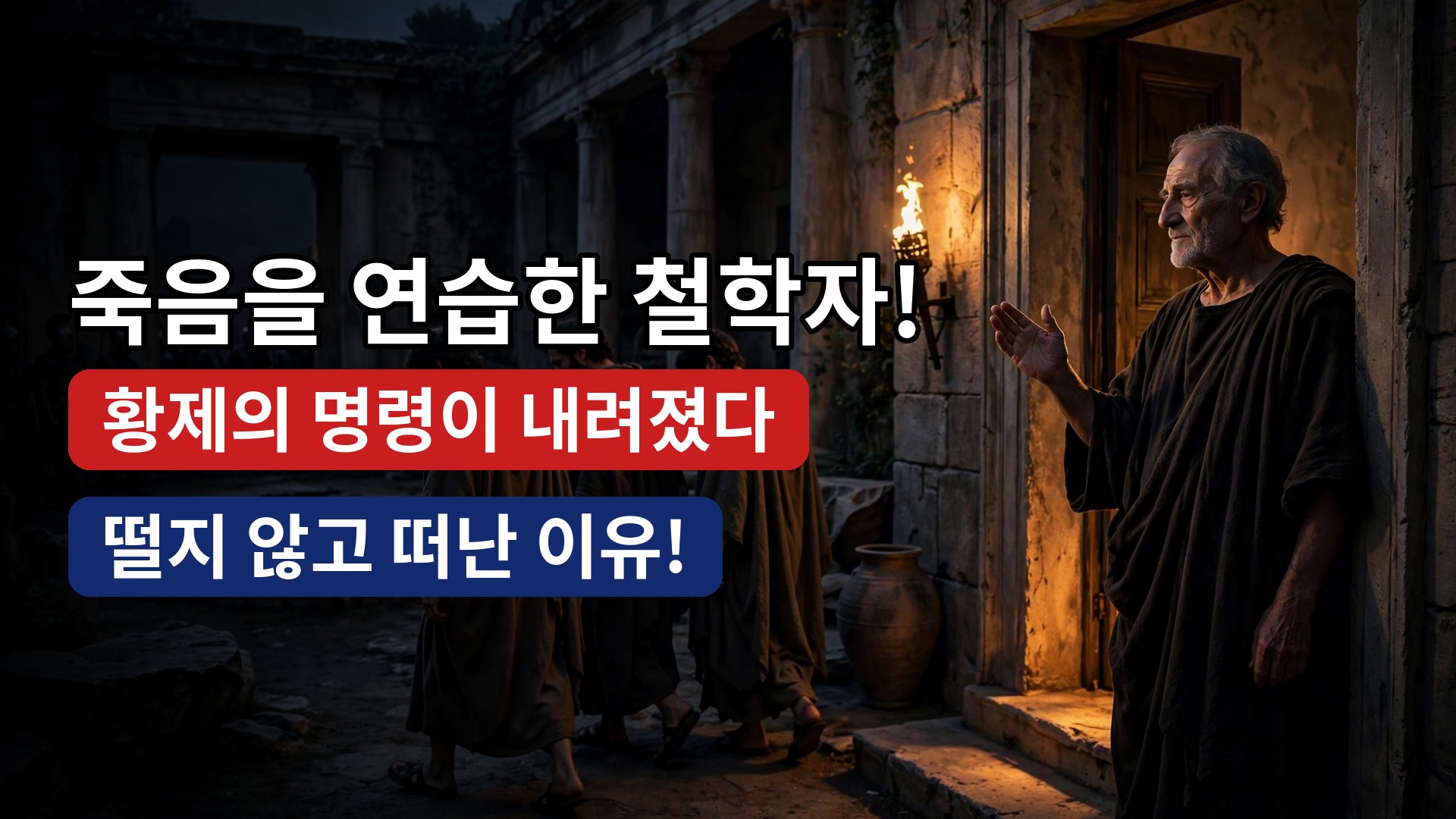
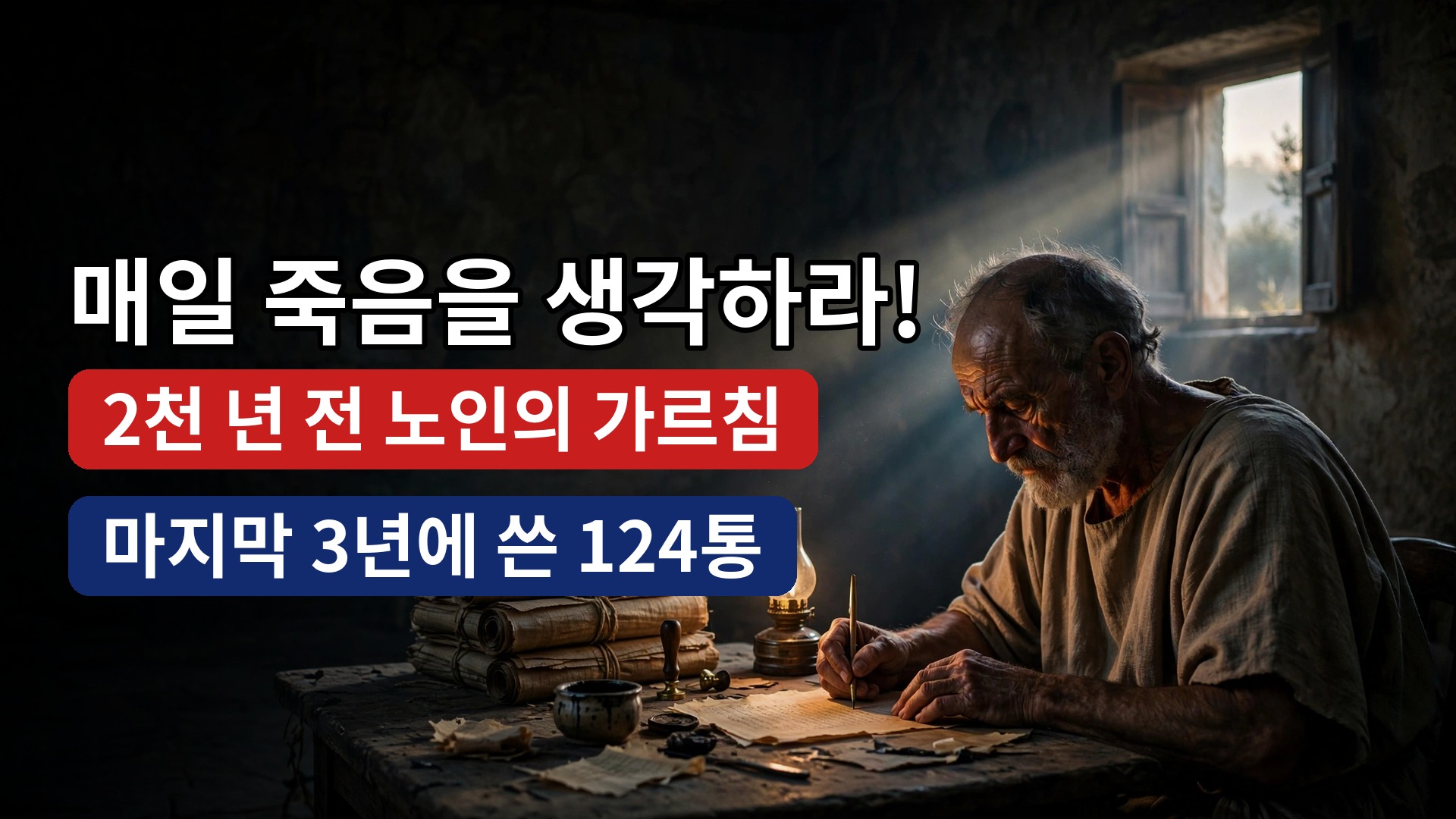
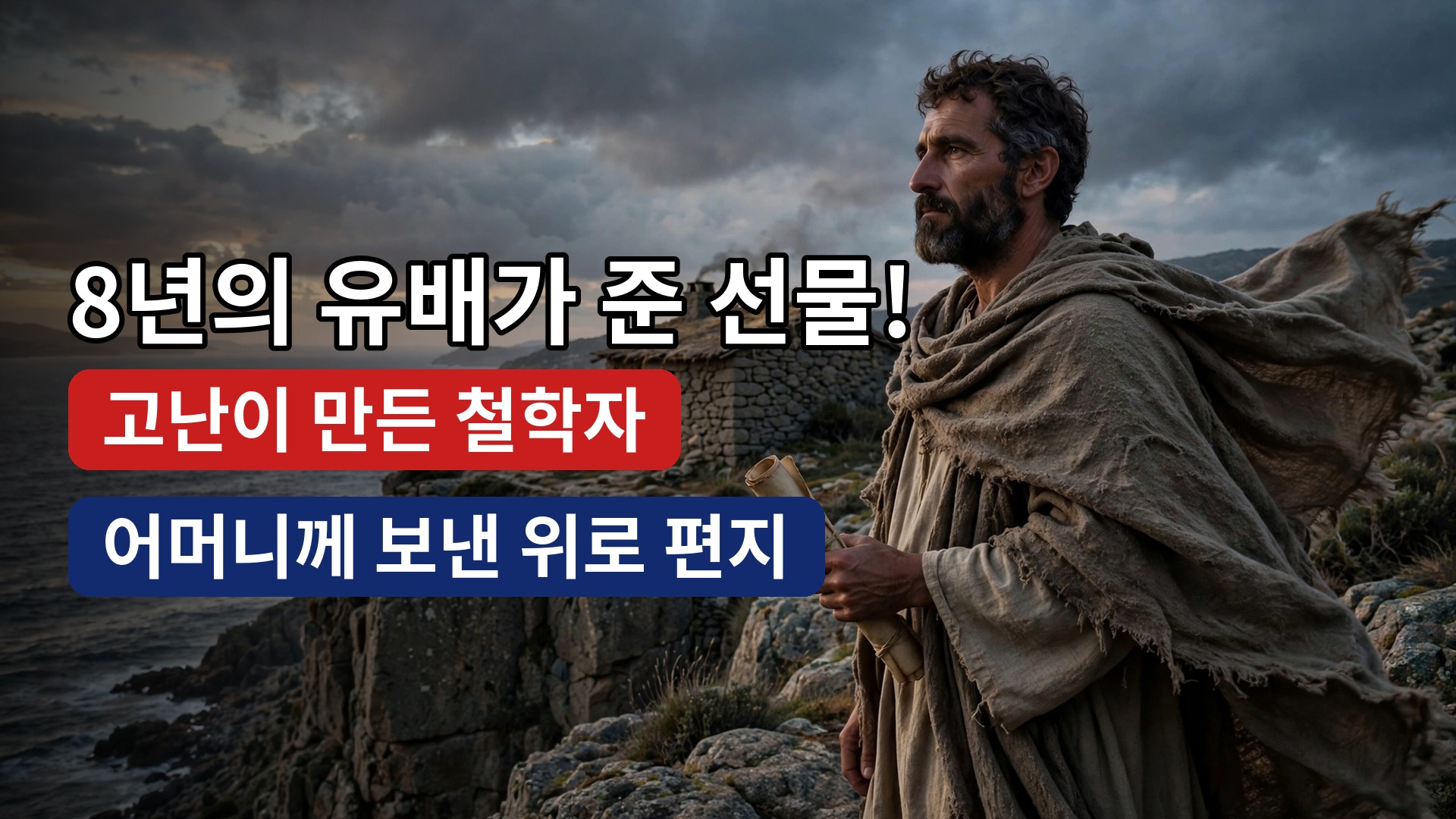
📝 제목 3안
- 세네카 — 로마 황제의 스승이 죽음 앞에서 남긴 마지막 수업
- "우리는 실제보다 상상 속에서 더 자주 고통받는다" 세네카의 위로
- 죽음을 연습한 철학자, 세네카가 마지막 3년에 남긴 일곱 가지 가르침
🎙️ 대본 (약 23분 · Vrew 양식)
📋 Vrew '텍스트로 영상 만들기'에 그대로 붙여넣으세요. 한 줄 = 한 문장 = 한 클립·한 자막 양식입니다.
기원후 65년 4월의 어느 저녁, 로마에서 4마일 떨어진 한 별장.
67세의 노인이 차분히 팔소매를 걷어올립니다.
그리고 혈관을 긋습니다.
붉은 피가 천천히 흘러내리기 시작합니다.
황제의 명령이었습니다.
죽으라는 명령.
그런데 이 노인은 울지 않았습니다.
떨지도 않았습니다.
오히려 곁에 둘러선 친구들과 제자들을 둘러보며 말했습니다.
"내 삶의 본보기를 너희에게 남긴다."
로마 제국의 스승, 루키우스 안나이우스 세네카.
그의 마지막 날이었습니다.
안녕하세요, 위로집입니다.
오늘은 죽음을 연습한 철학자, 세네카의 이야기입니다.
죽음을 미리 생각해본 적 있으신가요.
무섭다고, 생각하기도 싫다고 피하기만 하셨나요.
나이가 들수록 죽음은 가까워집니다.
친구가 떠나고, 형제가 떠나고.
병원에서 검진 결과를 기다리는 시간이 길어집니다.
그래서 더 외면하고 싶어집니다.
2천 년 전, 한 노인은 정반대였습니다.
그는 매일 죽음을 생각했습니다.
매일 죽음을 연습했습니다.
그리고 마지막 순간, 그 연습한 대로 떠났습니다.
두렵지 않았냐고요.
그는 이렇게 답했을 겁니다.
"매일 생각했기에, 두렵지 않았다."
오늘은 그 67년의 삶을 처음부터 따라가 봅니다.
여러분의 60년, 70년과 겹쳐보세요.
세네카는 기원전 4년경, 지금의 스페인 코르도바에서 태어났습니다.
정확한 해는 학자마다 조금씩 다릅니다.
어떤 기록은 기원후 1년경이라고도 합니다.
하지만 통설은 기원전 4년경입니다.
아버지는 로마의 유명한 수사학자였습니다.
세네카는 어려서부터 로마에서 철학과 수사를 공부했습니다.
말솜씨가 뛰어났고, 글재주도 남달랐습니다.
젊은 시절부터 병약했습니다.
천식 비슷한 지병에 시달렸고,
한때는 스스로 목숨을 끊을 생각까지 했다고 고백합니다.
『편지』 78번에서 그는 이렇게 회상합니다.
젊어서 병이 깊어졌을 때, 죽음을 생각했다고.
하지만 늙은 아버지를 생각하며 마음을 돌렸다고.
가족에 대한 사랑이 그를 살린 겁니다.
이때의 경험이 훗날 그의 죽음관을 만들었습니다.
죽음 앞에서 두려워하는 게 아니라, 죽음을 이해하려 한 겁니다.
그는 병상에서 철학책을 읽었습니다.
아픈 몸으로 스토아 철학을 파고들었습니다.
"고통은 피할 수 없지만, 고통에 대한 태도는 선택할 수 있다."
이 깨달음이 그의 철학의 뿌리가 됐습니다.
여러분도 아픈 몸으로 살아오셨죠.
세네카는 그 아픔을 지혜로 바꾼 사람입니다.
젊은 세네카는 출세 가도를 달렸습니다.
변호사로, 원로원 의원으로 승승장구했습니다.
문장력이 뛰어나 황제의 연설문까지 썼습니다.
그런데 황제의 눈에 들었습니다.
나쁜 의미로 말입니다.
기원후 41년, 클라우디우스 황제가 즉위한 해.
황후 메살리나의 모함으로 간통 혐의가 씌워졌습니다.
상대는 황제의 조카딸 율리아 리빌라였습니다.
진실은 아무도 모릅니다.
권력 다툼의 희생양이었을 가능성이 큽니다.
다만 그 대가는 혹독했습니다.
지중해 서쪽의 작은 섬, 코르시카로 유배됐습니다.
8년의 유배 생활이 시작됐습니다.
로마의 화려함과는 정반대의 삶.
바위투성이 섬에서의 고독한 나날이었습니다.
여러분, 8년의 유배를 상상해보세요.
잘나가던 사람이 하루아침에 모든 걸 잃는 겁니다.
그런데 이 유배가 세네카를 철학자로 만들었습니다.
고난이 그를 단련시킨 겁니다.
섬에서 그는 편지를 썼습니다.
먼저 어머니 헬비아에게 보내는 위로 편지.
아들의 유배에 슬퍼하는 어머니를 위로하는 글이었습니다.
"유배는 고통이 아니라, 나를 돌아보는 시간입니다."
"어머니, 슬퍼하지 마세요. 저는 여기서 철학을 배웁니다."
슬픔에 빠진 어머니를 위로하며, 스스로도 다잡았습니다.
형제를 잃은 친구 폴리비우스에게도 위로 편지를 썼습니다.
슬픔에 빠진 친구를 위로하는 글이었습니다.
이 유배 시절의 글들이 후대에 『위로론』으로 전해집니다.
다만 한 가지는 정확히 바로잡아야 합니다.
마르키아에게 보낸 위로 편지는 유배 전인 40년경에 쓴 것입니다.
세 편 모두 유배 중에 쓴 게 아닙니다.
어머니와 폴리비우스에게 보낸 두 편만 유배 중에 썼습니다.
위로의 글을 쓰며, 세네카는 깨달았습니다.
남을 위로하는 말이 곧 나를 위로한다는 걸.
여러분도 그런 경험 있으시죠.
힘든 친구에게 건넨 말이, 오히려 내 마음에 남는 경험.
헬비아에게 보낸 편지의 요지는 이랬습니다.
어머니, 제 없는 자리를 슬퍼하지 마세요.
저는 여기서 책과 철학과 함께 있습니다.
유배지가 아니라 학당이라고 생각하세요.
아들을 잃은 게 아니라, 아들이 공부하러 간 거라고.
어머니의 슬픔을 공부로 바꿔준 겁니다.
이게 세네카식 위로였습니다.
슬픔을 없애는 게 아니라, 슬픔의 의미를 바꾸는 것.
8년의 유배 끝에 운명이 바뀝니다.
49년, 새 황후 아그리피나가 세네카를 불러들였습니다.
11살 소년의 가정교사로 임명된 겁니다.
그 소년이 바로 네로였습니다.
세네카는 네로에게 웅변과 교양을 가르쳤습니다.
『자비에 대하여』라는 책을 바치기도 했습니다.
군주는 자비로워야 한다는 스토아식 가르침이었습니다.
훗날 네로가 폭군이 된 걸 보면, 이 가르침은 실패한 셈입니다.
하지만 세네카의 진심만은 의심할 수 없습니다.
그는 정말로 좋은 황제를 만들고 싶었습니다.
54년, 클라우디우스가 죽고 네로가 황제에 오릅니다.
16살의 소년 황제.
세네카는 제국의 실세가 됐습니다.
근위대장 부루스와 함께 젊은 황제를 보좌했습니다.
처음 5년은 로마의 황금기라 불렸습니다.
세네카의 영향력이 가장 컸던 시절입니다.
세금을 낮추고, 정치를 안정시켰습니다.
백성들은 젊은 황제와 그의 스승을 칭송했습니다.
세네카는 매일 아침 네로를 가르쳤다고 합니다.
"황제란 백성의 아버지 같은 존재다."
"권력은 자랑이 아니라 책임이다."
『자비에 대하여』에 담긴 가르침을 입으로, 몸으로 보여줬습니다.
그런데 스승의 말은 오래가지 않았습니다.
네로는 점점 측근들의 아첨에 귀를 열었습니다.
세네카의 쓴소리보다 달콤한 거짓말을 택한 겁니다.
여러분, 자식 가르치는 것도 마찬가지 아니겠어요.
옳은 말은 귀에 거슬리고, 달콤한 말은 사람을 망칩니다.
세네카는 그걸 황제에게서 똑똑히 봤습니다.
네로는 점점 폭군이 되어갔습니다.
쾌락에 빠지고, 정적을 제거하고, 어머니까지 의심했습니다.
59년 3월, 네로는 자기 어머니 아그리피나를 살해했습니다.
그리고 세네카에게 명령했습니다.
원로원에 보낼 변명문을 쓰라고.
어머니가 먼저 자신을 해하려 했다는 거짓 변명이었습니다.
세네카는 그 글을 썼습니다.
역사가 타키투스는 이렇게 기록했습니다.
"대중의 비난은 네로가 아니라,
그런 변명문을 쓴 세네카에게 향했다."
여러분, 이 대목에서 세네카를 욕하지 마세요.
황제의 명령을 거부한다는 건 곧 죽음이었으니까요.
이 변명문은 세네카의 이름에 평생 따라다니는 오점이 됐습니다.
이때부터 세네카의 마음은 무너지기 시작했습니다.
스승으로서의 자괴감.
제자를 바른길로 이끌지 못했다는 죄책감.
62년, 부루스가 죽자 세네카는 은퇴를 청했습니다.
재산을 바치고 물러나겠다고 했습니다.
네로는 겉으로는 만류했지만, 속으로는 의심했습니다.
"스승이 나를 떠난다."
황제의 의심은 곧 위험 신호였습니다.
정적들은 세네카를 공격했습니다.
고발자 수일리우스는 이렇게 비난했습니다.
"네로의 총애 4년 만에 3억 세스테르티우스를 모았다."
다만 이건 정적의 주장이었다는 점을 밝혀둡니다.
세네카는 『행복한 삶에 대하여』에서 이렇게 답했습니다.
부는 그 자체로 악이 아니라, 어떻게 쓰느냐가 문제라고.
이때부터 세네카의 마지막 3년이 시작됩니다.
62년부터 65년까지.
은퇴한 세네카는 시골 별장에 머물렀습니다.
정치에서 손을 떼고, 오직 글쓰기에 몰두했습니다.
아침에는 정원을 거닐고, 낮에는 글을 쓰고,
저녁에는 친구들과 철학을 논했습니다.
검소한 식사, 규칙적인 생활.
권력의 정점에 있을 때보다 훨씬 평온했습니다.
그는 이때의 심정을 편지에 이렇게 적었습니다.
이제야말로 진정 나를 위해 사는 시간이라고.
여러분, 은퇴 후에야 비로소 나를 찾은 기분.
세네카도 똑같았습니다.
그리고 친구 루킬리우스에게 편지를 쓰기 시작했습니다.
이 편지들이 바로 『루킬리우스에게 보내는 편지』 124통입니다.
죽음을 앞둔 3년, 그가 남긴 가장 깊은 가르침입니다.
왜 하필 죽음을 앞둔 3년에 가장 깊은 글을 썼을까요.
세네카는 알고 있었습니다.
자신에게 시간이 얼마 남지 않았다는 걸.
네로의 의심이 깊어지고 있었으니까요.
그래서 그는 서둘렀습니다.
남은 시간에 가장 중요한 말을 남기려고.
마치 유언을 쓰듯, 한 통 한 통 정성을 다했습니다.
첫 번째 가르침, 시간에 대한 것입니다.
『인생의 짧음에 대하여』 1장 3절의 구절입니다.
"우리는 짧은 시간을 가진 것이 아니라,
많은 시간을 잃어버린 것이다."
인생이 짧은 게 아니라, 우리가 낭비한다는 겁니다.
같은 책의 다른 구절도 있습니다.
"인생이 짧은 것이 아니라 우리가 그것을 짧게 만드는 것이다."
어르신 여러분, 돌이켜보세요.
정말 시간이 없었던 걸까요.
아니면 흘려보낸 시간이 많았던 걸까요.
세네카는 말합니다.
시간을 아끼는 자가 인생을 아끼는 자라고.
『편지』 1번은 이렇게 시작합니다.
시간을 아껴 쓰라고, 시간만이 우리의 진짜 재산이라고.
돈은 잃어도 다시 벌 수 있지만, 시간은 그렇지 않다고.
그는 이렇게 묻습니다.
"당신의 시간 중 얼마나가 당신의 것이었습니까."
남 눈치 보느라, 남 비위 맞추느라 쓴 시간.
그건 내 시간이 아니었다는 겁니다.
이제부터라도 내 시간을 찾으세요.
남이 아니라 나를 위해 쓰는 시간.
그게 세네카가 말하는 시간의 주인입니다.
두 번째 가르침, 두려움에 대한 것입니다.
『루킬리우스에게 보내는 편지』 13번 4절의 구절입니다.
"우리를 짓누르는 것보다 우리를 두려워하게 하는 것이 더 많다.
우리는 실제보다 상상 속에서 더 자주 고통받는다."
아직 오지 않은 일을 미리 걱정하며 사는 우리에게.
2천 년 전 노인이 건네는 말입니다.
내일 일을 오늘 걱정하지 마세요.
그건 상상이 만드는 고통입니다.
『편지』 98번 8절에도 비슷한 말이 있습니다.
"때가 되기도 전에 고통받는 자는, 마땅한 것보다 더 고통받는다."
병원 검사 결과를 기다리며 밤새 뒤척인 적 있으시죠.
자식 전화가 늦어 밤새 걱정하신 적 있으시죠.
며느리가 말투가 차가웠다고 일주일 끙끙 앓은 적 있으시죠.
세네카는 말합니다.
그 고통의 대부분은 상상이 만든 것이라고.
걱정은 미래의 고통을 현재로 끌어오는 짓이라고.
막상 닥치면 별일 아닌 경우가 대부분입니다.
검사 결과는 정상이고, 자식은 바빴던 거고,
며느리는 피곤했던 겁니다.
우리가 밤새 만든 괴물은 상상 속에만 있었습니다.
세 번째 가르침, 죽음에 대한 것입니다.
『편지』 26번에서 세네카는 에피쿠로스를 인용하며 말합니다.
죽음을 명상하라고.
매일 죽음을 생각하라는 가르침입니다.
『편지』 1번 2절에는 이런 구절이 있습니다.
"(시간의 가치를 아는 자란) 자신이 매일 죽어가고 있음을
이해하는 자다."
무섭게 들리시나요.
하지만 세네카의 뜻은 정반대였습니다.
죽음을 생각해야 오늘을 소중히 산다는 겁니다.
『마음의 평정에 대하여』 11장 4절의 구절입니다.
"잘 죽는 법을 모르는 자는 잘 살지 못한다."
죽음을 연습하는 건, 삶을 연습하는 것이었습니다.
매일 아침 눈을 뜨면 이렇게 생각하라는 겁니다.
"오늘이 마지막이라면, 나는 이 시간을 어떻게 쓸 것인가."
그러면 쓸데없는 걱정도, 미움도 사라집니다.
남은 건 사랑과 감사뿐입니다.
여러분, 죽음을 생각하는 게 불길한 일일까요.
세네카는 아니라고 합니다.
죽음을 외면하는 사람이 오히려 죽음에 끌려다닌다고.
죽음을 직시하는 사람이 죽음의 주인이 된다고.
우리는 모두 언젠가 떠납니다.
그걸 인정하는 순간, 오늘의 무게가 달라집니다.
밥 한 끼도, 햇살도, 손주의 웃음도.
전부 선물처럼 느껴집니다.
네 번째 가르침, 역경에 대한 것입니다.
『섭리에 대하여』 5장의 구절입니다.
"불은 금을 시험하고, 역경은 용감한 자를 시험한다."
고난이 우리를 망가뜨리는 게 아니라 증명한다는 겁니다.
여러분이 겪어온 가난, 전쟁, 이별.
그 모든 역경이 여러분이 얼마나 강한 사람인지 증명한 겁니다.
세네카 자신도 증명했습니다.
8년의 유배, 권력의 정점에서의 몰락.
그 모든 걸 겪고도 그는 무너지지 않았습니다.
오히려 가장 깊은 글을 썼습니다.
고난이 그를 철학자로 만든 겁니다.
여러분도 마찬가지입니다.
보릿고개를 넘고, 자식을 키우고, 병을 이겨내신 분들.
IMF 때 가게 문 닫고 다시 일어서신 분들.
자식 먼저 보내고도 버텨내신 분들.
여러분이야말로 시험을 통과한 금입니다.
불순물이 다 타버리고 순금만 남은 겁니다.
다섯 번째 가르침, 운명에 대한 것입니다.
『편지』 107번 11절의 구절입니다.
"운명은 기꺼이 따르는 자를 이끌고,
따르지 않으려는 자를 끌어당긴다."
피할 수 없는 일은 받아들이라는 겁니다.
나이 듦도, 병도, 이별도.
거부하며 질질 끌려가느니,
받아들이며 당당히 걸어가라는 가르침입니다.
이 구절은 원래 그리스 철학자 클레안테스의 찬가를 세네카가
라틴어로 옮긴 것입니다.
2천 년을 이어진 지혜의 계보입니다.
받아들인다는 건 포기한다는 게 아닙니다.
현실을 직시하고, 그 안에서 최선을 다한다는 겁니다.
무릎이 아프면 무릎 아픈 대로 걷는 법을 배우는 겁니다.
자식이 멀어지면, 그 거리에서 사랑하는 법을 배우는 겁니다.
운명을 탓하며 끌려가지 마세요.
운명의 손을 잡고 함께 걸어가세요.
그러면 운명은 여러분을 끌고 가는 게 아니라, 이끄는 게 됩니다.
여섯 번째 가르침, 인생의 길이에 대한 것입니다.
『편지』 77번 20절의 구절입니다.
"연극과 같이 인생도 그러하다.
얼마나 오래였는지가 아니라 얼마나 잘 연기되었는지가 중요하다."
70년을 후회로 살았는지, 60년을 사랑으로 살았는지.
길이가 아니라 내용이 문제라는 겁니다.
장수가 목표가 아닙니다.
어떻게 살았는지가 목표입니다.
여러분의 인생은 어떤 연극이었나요.
주인공으로 당당히 서 있었나요.
세네카는 67년을 살았습니다.
짧다면 짧은 인생입니다.
하지만 2천 년이 지난 지금도 우리는 그를 기억합니다.
네로는 서른에 쫓기다 죽었고,
세네카는 이천 년 가까이 읽히고 있습니다.
길이가 아니라 밀도입니다.
여러분의 남은 인생도 마찬가지입니다.
10년이 남았든, 20년이 남았든.
그 시간을 어떻게 채우느냐가 문제입니다.
일곱 번째 가르침, 지위에 대한 것입니다.
『폴리비우스에게 보내는 위로론』 6장의 구절입니다.
"위대한 재산은 위대한 노예 상태다."
여기서 말하는 재산은 돈이 아니라 높은 지위를 뜻합니다.
지위가 높을수록 마음대로 할 수 없고,
수많은 사람의 눈치를 봐야 한다는 말입니다.
황제조차 예외가 아니라는 게 세네카의 설명입니다.
여러분, 평생 직장에서 높은 자리에 계셨던 분들은 공감하실 겁니다.
지위가 올라갈수록 자유는 줄어듭니다.
은퇴 후 그 무게를 내려놓은 지금,
오히려 자유로우신 분들 많으시죠.
세네카의 말은 그 자유를 일찍 깨달으라는 뜻입니다.
『편지』 2번에도 이런 구절이 있습니다.
"가난한 자가 아니라, 더 많은 것을 바라는 자가 가난하다."
여러분, 자식에게 얼마나 물려줄지 고민하시죠.
세네카의 답은 단순합니다.
돈보다 지혜를 물려주라고.
돈은 쓰면 닳지만, 지혜는 나눌수록 불어난다고.
이 일곱 가지가 세네카가 평생에 걸쳐 남긴 가르침입니다.
그런데 여러분, 궁금하지 않으세요.
세네카는 이 가르침을 어떻게 실천했을까요.
그는 매일 저녁 하루를 돌아봤다고 합니다.
"오늘 나는 무엇을 잘했나, 무엇을 잘못했나."
스토아 철학자들의 일기 수행법이었습니다.
그리고 매일 아침 죽음을 생각했습니다.
"오늘 죽는다면 후회 없을까."
이게 그의 하루 일과였습니다.
죽음을 생각하는 게 우울한 일이 아니었습니다.
오히려 하루를 가장 알차게 쓰는 비결이었습니다.
여러분도 해보세요.
거창할 필요 없습니다.
저녁에 눈 감기 전, 오늘 하루를 돌아보는 겁니다.
"오늘 누구에게 고마웠나, 내일은 뭘 다르게 할까."
그것만으로 내일이 달라집니다.
이제 그의 마지막 날로 돌아가 봅니다.
65년 4월, 피소라는 귀족이 네로 암살을 꾀하다 발각됐습니다.
세네카도 연루 의혹을 받았습니다.
실제로 가담했는지는 역사가도 단정하지 못합니다.
타키투스도 확언하지 않았습니다.
다만 네로는 기다렸다는 듯 자살을 명령했습니다.
의심스러운 스승을 제거할 명분이 생긴 겁니다.
타키투스 『연대기』 15권이 전하는 그날의 기록입니다.
병사들이 별장을 에워쌌습니다.
세네카는 담담히 손님들을 돌려보냈습니다.
그리고 유언을 남기려 했으나, 병사가 막았습니다.
대신 친구들에게 유언처럼 말했습니다.
내 삶의 본보기를 너희에게 남긴다고.
세네카는 팔의 혈관을 열었습니다.
피가 더디게 흐르자 무릎 뒤와 발목의 혈관도 열었습니다.
아내 폼페이아 파울리나도 함께 죽겠다며 혈관을 열었습니다.
네로는 아내만은 살리라고 명령했습니다.
상처가 묶여 아내는 살아남았습니다.
타키투스는 파울리나가 이후 창백한 얼굴로 여생을 보냈다고
기록했습니다.
노령과 소식 탓에 출혈은 느렸고, 고통은 길어졌습니다.
세네카는 서기에게 최후의 말을 구술했습니다.
그 말들은 전해지지 않습니다.
다만 "내 삶의 본보기를 너희에게 남긴다"는 한마디만 남았습니다.
의사 친구 스타티우스 안나이우스가 준비한 독미나리 잔을
마셨으나 듣지 않았습니다.
마지막으로 온수 욕조에 들어갔다가 증기탕으로 옮겨졌습니다.
증기에 질식해 세네카는 숨을 거뒀습니다.
목욕물을 뿌리며 그는 이렇게 말했다고 합니다.
"해방자 유피테르에게 바치는 헌주다."
스스로를 해방시키는 마지막 의식이었습니다.
미리 남긴 지시대로 장례식 없이 화장됐습니다.
여기서 분명히 말씀드립니다.
세네카의 죽음을 미화하려는 게 아닙니다.
그의 죽음은 황제의 명령에 의한 것이었고,
자유로운 선택이 아니었습니다.
그가 진짜 가르치려 한 건 "어떻게 죽을 것인가"가 아니라.
"어떻게 살 것인가"였습니다.
죽음을 생각하라는 건, 죽으라는 말이 아닙니다.
오늘을 헛되이 보내지 말라는 말입니다.
어르신 여러분.
세네카는 67년을 살았습니다.
유배 8년, 권력의 정점, 그리고 몰락.
그 모든 걸 겪고 마지막 3년에 깨달은 건 단순했습니다.
시간을 아끼고, 두려움에 지지 말고, 운명을 받아들이라는 것.
여러분은 이미 세네카보다 강한 분들입니다.
전쟁과 가난과 보릿고개를 견뎌내신 분들.
"불은 금을 시험하고, 역경은 용감한 자를 시험한다."
여러분이야말로 시험을 통과한 금입니다.
오늘부터 하나만 해보세요.
아침에 눈을 뜨면 이렇게 말하는 겁니다.
"오늘이 내게 주어진 시간이다."
그 시간을 누군가를 미워하는 데 쓰지 마세요.
그 시간을 아직 오지 않은 걱정으로 흘려보내지 마세요.
세네카가 2천 년 전에 남긴 말을 다시 읽어드립니다.
"우리는 짧은 시간을 가진 것이 아니라,
많은 시간을 잃어버린 것이다."
남은 시간을 잃지 마세요.
그게 세네카가 평생에 걸쳐 우리에게 남긴 유언입니다.
그런데 여러분, 세네카의 이야기는 그의 죽음으로 끝나지 않았습니다.
그의 편지는 2천 년을 살아남았습니다.
르네상스의 몽테뉴가 읽었고, 셰익스피어가 영향을 받았습니다.
"인생은 이야기와 같다"는 구절은 수많은 책의 제목이 됐습니다.
죽은 지 2천 년이 지났는데도,
그의 말은 여전히 우리를 위로합니다.
이게 바로 그가 말한 "잘 연기된 인생"입니다.
길이가 아니라 내용으로 남는 인생.
여러분도 누군가에게 그런 사람일 수 있습니다.
자식에게, 손주에게, 이웃에게.
"우리 엄마는 이런 말을 했어."
"우리 아버지는 이렇게 살았어."
그 한마디가 2천 년은 못 가도, 2세대는 갑니다.
그게 세네카가 우리에게 주는 마지막 위로입니다.
마음이 많이 지치신 분께 안내드립니다.
힘든 일이 있으시면 자살예방 상담전화 109번으로 전화하세요.
24시간 전문가가 함께합니다.
마지막으로, 세네카의 말을 하나씩 되새기며 마무리합니다.
눈을 감고 들어보세요.
"우리는 짧은 시간을 가진 것이 아니라,
많은 시간을 잃어버린 것이다."
"우리는 실제보다 상상 속에서 더 자주 고통받는다."
"불은 금을 시험하고, 역경은 용감한 자를 시험한다."
"운명은 기꺼이 따르는 자를 이끌고,
따르지 않으려는 자를 끌어당긴다."
"연극과 같이 인생도 그러하다.
얼마나 오래였는지가 아니라 얼마나 잘 연기되었는지가 중요하다."
"잘 죽는 법을 모르는 자는 잘 살지 못한다."
이 여섯 문장이 2천 년을 건너 여러분에게 닿았습니다.
어떤 문장이 가장 마음에 남으셨나요.
그 문장을 오늘 하루 품고 사세요.
냉장고에 붙여두셔도 좋습니다.
힘들 때마다 꺼내보세요.
2천 년 전 노인이 여러분 곁에 서 있는 것 같습니다.
오늘 영상이 마음에 닿으셨다면 구독과 좋아요 부탁드립니다.
위로집은 매일 아침, 여러분의 마음을 안아드립니다.
내일도 따뜻한 이야기로 찾아오겠습니다.
감사합니다.
🖼️ 이미지 프롬프트 (대본 순서대로)
📋 Vrew 나레이션 재생 중 띄울 배경 이미지용. 따뜻한 힐링 일러스트 스타일.
# 3번 주제 이미지 프롬프트 (대본 순서대로, 총 55장)
# Vrew 나레이션 재생 중 배경 이미지용. 다른 AI 이미지 생성기에 그대로 입력.
# 공통 조건: 16:9 aspect ratio 가로, 실사 사진풍, 따뜻한 시네마틱 톤, 이미지 안에 글자 없음.
# 로마 역사 장면은 1세기 로마인, 현대 한국 장면은 한국인 어르신으로.

---

## 1. 마지막 아침의 피 (나레이션: "붉은 피가 천천히 흘러내리기 시작합니다.")
Photorealistic, 16:9 aspect ratio (widescreen), cinematic photo, a dim 1st century Roman bath chamber in 65 AD, an elderly philosopher with a noble lined face reclining in a marble tub, a thin ribbon of crimson blood curling slowly through the warm water, his expression utterly calm and composed, a faithful friend holding his hand at the tub's edge, soft steam rising, torchlight flickering on wet marble, dignity in the face of death, painterly and solemn. Photorealistic editorial photography, shot on full-frame 35mm camera, cinematic natural lighting, crisp real-world textures. No text in image.

## 2. 죽음을 연습한 철학자 (나레이션: "오늘은 죽음을 연습한 철학자, 세네카의 이야기입니다.")
Photorealistic, 16:9 aspect ratio (widescreen), cinematic photo, a marble bust of an elderly Roman philosopher with deep-set thoughtful eyes and a stern gentle mouth, photographed in dramatic museum lighting against darkness, a single beam raking across the stone face, two thousand years of stillness in the carved expression, shallow depth of field with the gallery fading to black behind. Photorealistic editorial photography, shot on full-frame 35mm camera, cinematic natural lighting, crisp real-world textures. No text in image.

## 3. 매일 죽음을 생각하다 (나레이션: "그는 매일 죽음을 생각했습니다.")
Photorealistic, 16:9 aspect ratio (widescreen), cinematic photo, a 1st century Roman study at dawn, an elderly philosopher in a simple tunic seated by an open window, gazing at the pale morning sky over Rome's rooftops, a small skull resting on the desk beside an oil lamp as a quiet reminder, his face peaceful rather than fearful, the daily ritual of remembering mortality made serene. Photorealistic editorial photography, shot on full-frame 35mm camera, cinematic natural lighting, crisp real-world textures. No text in image.

## 4. 베일에 싸인 출생 (나레이션: "정확한 해는 학자마다 조금씩 다릅니다.")
Photorealistic, 16:9 aspect ratio (widescreen), cinematic photo, an ancient Roman archive room, rows of weathered scrolls in wooden pigeonholes, a historian's hand holding two different aged documents side by side in lamplight, dust motes drifting, the edges of the papyrus crumbling, the honest uncertainty of history made visible in fragile paper. Photorealistic editorial photography, shot on full-frame camera with macro lens, cinematic natural lighting, crisp real-world textures. No text in image.

## 5. 병약한 청년의 고백 (나레이션: "천식 비슷한 지병에 시달렸고, 한때는 스스로 목숨을 끊을 생각까지 했다고 고백합니다.")
Photorealistic, 16:9 aspect ratio (widescreen), cinematic photo, a young 1st century Roman man in his twenties sitting on the edge of a bed in a dark cubiculum at night, clutching his chest and gasping for breath, an oil lamp guttering on a side table, his face pale with suffering and despair, the loneliest hour of a brilliant youth who has not yet found philosophy. Photorealistic editorial photography, shot on full-frame 35mm camera, cinematic natural lighting, crisp real-world textures. No text in image.

## 6. 병상의 독서 (나레이션: "그는 병상에서 철학책을 읽었습니다.")
Photorealistic, 16:9 aspect ratio (widescreen), cinematic photo, a young Roman man propped on cushions in a sickbed by a tall window, an open scroll held close to his face, daylight falling across the pages, his eyes suddenly alight with discovery despite his frail body, medicine cups untouched on the side table, the moment philosophy entered as the true physician. Photorealistic editorial photography, shot on full-frame 35mm camera, cinematic natural lighting, crisp real-world textures. No text in image.

## 7. 승승장구의 변호사 (나레이션: "변호사로, 원로원 의원으로 승승장구했습니다.")
Photorealistic, 16:9 aspect ratio (widescreen), cinematic photo, the Roman Senate house in the 40s AD, a confident orator in his thirties in a pristine white toga addressing the assembled senators from the rostrum, dramatic hand gesture, rows of attentive powerful men, shafts of light from the high oculus, the peak of worldly success in marble and rhetoric. Photorealistic editorial photography, shot on full-frame 35mm camera, cinematic natural lighting, crisp real-world textures. No text in image.

## 8. 권력 다툼의 희생양 (나레이션: "권력 다툼의 희생양이었을 가능성이 큽니다.")
Photorealistic, 16:9 aspect ratio (widescreen), cinematic photo, a shadowy imperial palace corridor at night, a fallen senator's scroll of exile lying on cold marble, two praetorian guards' silhouettes at the far end, a single torch sputtering, the chill geometry of power devouring its own servants, no faces shown, only the aftermath. Photorealistic editorial photography, shot on full-frame 35mm camera, cinematic natural lighting, crisp real-world textures. No text in image.

## 9. 유배지의 철학자 (나레이션: "그런데 이 유배가 세네카를 철학자로 만들었습니다.")
Photorealistic, 16:9 aspect ratio (widescreen), cinematic photo, the rugged coast of Corsica in 41 AD, a solitary middle-aged Roman man in a coarse cloak standing on windswept cliffs above a steel-grey sea, a small stone hut behind him with a wisp of smoke, his face turned toward the horizon with new clarity, exile transformed into a monastery, wild and liberating. Photorealistic editorial photography, shot on full-frame 35mm camera, cinematic natural lighting, crisp real-world textures. No text in image.

## 10. 어머니를 위로하며 (나레이션: "슬픔에 빠진 어머니를 위로하며, 스스로도 다잡았습니다.")
Photorealistic, 16:9 aspect ratio (widescreen), cinematic photo, a windswept Corsican cliffside at dusk, a middle-aged Roman man gently embracing his weeping elderly mother, her head on his shoulder, the endless sea behind them, his own eyes wet but steady, comforting another while steadying himself, the birth of consolation literature in one held moment. Photorealistic editorial photography, shot on full-frame 35mm camera, cinematic natural lighting, crisp real-world textures. No text in image.

## 11. 유배지의 두 편지 (나레이션: "어머니와 폴리비우스에게 보낸 두 편만 유배 중에 썼습니다.")
Photorealistic, 16:9 aspect ratio (widescreen), cinematic photo, close-up of a Roman man's hand writing on papyrus by oil lamp in a stone hut, two finished scrolls tied with cord lying beside the inkwell, the lamplight warm on the careful script, night pressing against a small window, words as the only bridge back to Rome. Photorealistic editorial photography, shot on full-frame camera with macro lens, cinematic natural lighting, crisp real-world textures. No text in image.

## 12. 책과 철학과 함께 (나레이션: "저는 여기서 책과 철학과 함께 있습니다.")
Photorealistic, 16:9 aspect ratio (widescreen), cinematic photo, the interior of a humble Corsican stone hut, a middle-aged Roman exile seated on a rough stool surrounded by stacked scrolls and a small brazier, a shaft of daylight from the doorway illuminating the dust and the pages, his face calm and almost smiling, poverty of circumstance against richness of mind. Photorealistic editorial photography, shot on full-frame 35mm camera, cinematic natural lighting, crisp real-world textures. No text in image.

## 13. 11살 황제의 가정교사 (나레이션: "11살 소년의 가정교사로 임명된 겁니다.")
Photorealistic, 16:9 aspect ratio (widescreen), cinematic photo, a grand imperial palace hall in 49 AD, a dignified middle-aged Roman philosopher in a dark toga bowing slightly before an 11-year-old boy in imperial purple who fidgets with a golden toy, towering columns and guards lining the hall, the weight of an empire's future resting on one teacher's shoulders. Photorealistic editorial photography, shot on full-frame 35mm camera, cinematic natural lighting, crisp real-world textures. No text in image.

## 14. 좋은 황제를 꿈꾸며 (나레이션: "그는 정말로 좋은 황제를 만들고 싶었습니다.")
Photorealistic, 16:9 aspect ratio (widescreen), cinematic photo, a Roman tutor and his young imperial pupil walking together in a palace garden at golden hour, the philosopher gesturing toward the sky as he speaks of virtue and duty, the boy listening with unusual seriousness, cypress trees and marble statues around them, the fragile hope of shaping a ruler's soul. Photorealistic editorial photography, shot on full-frame 35mm camera, cinematic natural lighting, crisp real-world textures. No text in image.

## 15. 칭송받는 황금기 (나레이션: "백성들은 젊은 황제와 그의 스승을 칭송했습니다.")
Photorealistic, 16:9 aspect ratio (widescreen), cinematic photo, a sunlit Roman forum in the mid 50s AD, cheering crowds throwing flower petals as a young emperor's procession passes, the philosopher-tutor walking humbly two steps behind the golden chariot, banners waving, the brief shining moment when Rome believed in its future. Photorealistic editorial photography, shot on full-frame 35mm camera, cinematic natural lighting, crisp real-world textures. No text in image.

## 16. 달콤한 거짓말을 택하다 (나레이션: "세네카의 쓴소리보다 달콤한 거짓말을 택한 겁니다.")
Photorealistic, 16:9 aspect ratio (widescreen), cinematic photo, a decadent imperial banquet at night, a young emperor laughing among flatterers who pour wine and whisper praises, honeyed cakes and gold cups on the table, while at the edge of the torchlight the philosopher's stern face watches in shadow, truth losing to sweetness. Photorealistic editorial photography, shot on full-frame 35mm camera, cinematic natural lighting, crisp real-world textures. No text in image.

## 17. 59년 3월의 살해 (나레이션: "59년 3월, 네로는 자기 어머니 아그리피나를 살해했습니다.")
Photorealistic, 16:9 aspect ratio (widescreen), cinematic photo, a moonlit Bay of Naples in March 59 AD, a luxurious imperial barge sinking slowly into black water, distant torches on the shore, the sea calm and indifferent under the stars, no people visible, only the quiet horror of a son's crime committed in darkness. Photorealistic editorial photography, shot on full-frame 35mm camera, cinematic natural lighting, crisp real-world textures. No text in image.

## 18. 거부할 수 없는 명령 (나레이션: "황제의 명령을 거부한다는 건 곧 죽음이었으니까요.")
Photorealistic, 16:9 aspect ratio (widescreen), cinematic photo, a 1st century Roman study at night, an elderly philosopher staring at an imperial sealed letter on his desk, his hand hovering motionless above the wax seal, a praetorian guard's helmeted silhouette visible through the half-open door, candlelight trembling, the impossible weight of a command that cannot be refused. Photorealistic editorial photography, shot on full-frame 35mm camera, cinematic natural lighting, crisp real-world textures. No text in image.

## 19. 의심하는 황제 (나레이션: "네로는 겉으로는 만류했지만, 속으로는 의심했습니다.")
Photorealistic, 16:9 aspect ratio (widescreen), cinematic photo, an imperial audience chamber, a young emperor with a practiced gracious smile placing a hand on an old philosopher's shoulder while his eyes, caught in sidelight, are cold with suspicion, courtiers watching from the shadows, the double face of power rendered in one frozen gesture. Photorealistic editorial photography, shot on 85mm lens, shallow depth of field, cinematic natural lighting, crisp real-world textures. No text in image.

## 20. 부는 악이 아니다 (나레이션: "부는 그 자체로 악이 아니라, 어떻게 쓰느냐가 문제라고.")
Photorealistic, 16:9 aspect ratio (widescreen), cinematic photo, a balanced still life in a Roman villa, gold coins and a simple clay bread loaf arranged side by side on a marble table in even daylight, neither glorified nor condemned, the moral neutrality of wealth made visible in quiet composition. Photorealistic editorial photography, shot on full-frame camera with macro lens, cinematic natural lighting, crisp real-world textures. No text in image.

## 21. 은퇴의 평온 (나레이션: "권력의 정점에 있을 때보다 훨씬 평온했습니다.")
Photorealistic, 16:9 aspect ratio (widescreen), cinematic photo, a serene Campanian country villa garden in 62 AD, the retired philosopher in a simple tunic pruning roses in morning light, bees drifting, a small fountain murmuring, his face relaxed in a way it never was at court, the peace that power could never purchase. Photorealistic editorial photography, shot on full-frame 35mm camera, cinematic natural lighting, crisp real-world textures. No text in image.

## 22. 마지막 3년의 가르침 (나레이션: "죽음을 앞둔 3년, 그가 남긴 가장 깊은 가르침입니다.")
Photorealistic, 16:9 aspect ratio (widescreen), cinematic photo, an elderly Roman philosopher writing letters at his desk in the last years of his life, stacks of finished scrolls tied and addressed, evening light slanting across the pages, his face etched with urgency and tenderness, a man racing kindly against time to leave everything he knows. Photorealistic editorial photography, shot on full-frame 35mm camera, cinematic natural lighting, crisp real-world textures. No text in image.

## 23. 시간에 대한 가르침 (나레이션: "첫 번째 가르침, 시간에 대한 것입니다.")
Photorealistic, 16:9 aspect ratio (widescreen), cinematic photo, an ancient Roman water clock clepsydra in a sunlit study, water dripping steadily from bronze into stone, a philosopher's hand hovering near the stream without touching it, light catching each falling drop, time made visible as something that cannot be held. Photorealistic editorial photography, shot on full-frame camera with macro lens, cinematic natural lighting, crisp real-world textures. No text in image.

## 24. 돌이켜보세요 (나레이션: "어르신 여러분, 돌이켜보세요.")
Photorealistic, 16:9 aspect ratio (widescreen), cinematic photo, a Korean man in his early 70s standing alone on a quiet riverside path at dusk, looking back over his shoulder down the long road he has walked, the setting sun gilding the water, his face thoughtful and unhurried, a lifetime visible in one backward glance. He is ethnically Korean with natural Korean facial features and true-to-life Korean skin tones. Photorealistic editorial photography, shot on full-frame 35mm camera, cinematic natural lighting, crisp real-world textures. No text in image.

## 25. 당신의 시간이었습니까 (나레이션: "당신의 시간 중 얼마나가 당신의 것이었습니까.")
Photorealistic, 16:9 aspect ratio (widescreen), cinematic photo, an hourglass on a Korean senior's wooden desk, the upper bulb nearly empty and the lower full, a wrinkled hand resting beside it, warm lamplight, the quiet arithmetic of a life spent mostly for others, poignant without despair. The hand is ethnically Korean with true-to-life Korean skin tones. Photorealistic editorial photography, shot on full-frame camera with macro lens, cinematic natural lighting, crisp real-world textures. No text in image.

## 26. 두려움이 더 크다 (나레이션: "우리를 짓누르는 것보다 우리를 두려워하게 하는 것이 더 많다.")
Photorealistic, 16:9 aspect ratio (widescreen), cinematic photo, a Korean woman in her late 60s standing before a hospital entrance at night, her small shadow dwarfed by the building's enormous looming shadow cast by a streetlamp, her actual burden light while the shadow is monstrous, the visual truth that fear outweighs reality. She is ethnically Korean with natural Korean facial features and true-to-life Korean skin tones. Photorealistic editorial photography, shot on full-frame 35mm camera, cinematic natural lighting, crisp real-world textures. No text in image.

## 27. 때 이른 고통 (나레이션: "때가 되기도 전에 고통받는 자는, 마땅한 것보다 더 고통받는다.")
Photorealistic, 16:9 aspect ratio (widescreen), cinematic photo, a Korean senior lying awake in a dark bedroom at 3 a.m., staring at the ceiling while imagined storm clouds gather above the bed in a dreamlike double exposure, the suffering that exists only in anticipation, cool blue night tones. He is ethnically Korean with natural Korean facial features. Photorealistic editorial photography, shot on full-frame 35mm camera, cinematic natural lighting, crisp real-world textures. No text in image.

## 28. 막상 닥치면 별일 아니다 (나레이션: "막상 닥치면 별일 아닌 경우가 대부분입니다.")
Photorealistic, 16:9 aspect ratio (widescreen), cinematic photo, a Korean man in his 70s stepping through a doorway he had feared for weeks, emerging into bright ordinary daylight on the other side, his tense shoulders dropping as nothing terrible happens, a small surprised smile, morning light washing away the dread. He is ethnically Korean with natural Korean facial features and true-to-life Korean skin tones. Photorealistic editorial photography, shot on full-frame 35mm camera, cinematic natural lighting, crisp real-world textures. No text in image.

## 29. 편지 1번의 구절 (나레이션: "『편지』 1번 2절에는 이런 구절이 있습니다.")
Photorealistic, 16:9 aspect ratio (widescreen), cinematic photo, an ancient papyrus letter unrolled on a dark wooden table, its script too faded and small to read, a single oil lamp illuminating the fibers of the paper, a philosopher's reading glasses of bronze resting beside it, the aura of two-thousand-year-old words without showing them. Photorealistic editorial photography, shot on full-frame camera with macro lens, cinematic natural lighting, crisp real-world textures. No text in image.

## 30. 죽음을 연습한다는 것 (나레이션: "죽음을 연습하는 건, 삶을 연습하는 것이었습니다.")
Photorealistic, 16:9 aspect ratio (widescreen), cinematic photo, a Korean woman in her early 70s practicing traditional dance alone in an empty community hall at dawn, each deliberate movement a rehearsal, mirrors reflecting her focused face, the discipline of rehearsal as a metaphor for rehearsing life itself through death. She is ethnically Korean with natural Korean facial features and true-to-life Korean skin tones. Photorealistic editorial photography, shot on full-frame 35mm camera, cinematic natural lighting, crisp real-world textures. No text in image.

## 31. 외면하는 자의 운명 (나레이션: "죽음을 외면하는 사람이 오히려 죽음에 끌려다닌다고.")
Photorealistic, 16:9 aspect ratio (widescreen), cinematic photo, a man walking briskly with his eyes squeezed shut and hands over his ears while a long dark shadow shaped like a shrouded figure pulls at his heels, bright daylight everywhere except where he refuses to look, the paradox of avoidance. Photorealistic editorial photography, shot on full-frame 35mm camera, cinematic natural lighting, crisp real-world textures. No text in image.

## 32. 불은 금을 시험한다 (나레이션: "불은 금을 시험하고, 역경은 용감한 자를 시험한다.")
Photorealistic, 16:9 aspect ratio (widescreen), cinematic photo, a goldsmith's crucible glowing white-hot in a dark forge, molten gold pouring in a luminous stream, sparks rising like stars, the craftsman's steady hands unafraid of the blaze, fire as the honest examiner of both metal and men. Photorealistic editorial photography, shot on full-frame 35mm camera, cinematic natural lighting, crisp real-world textures. No text in image.

## 33. 고난이 만든 철학자 (나레이션: "고난이 그를 철학자로 만든 겁니다.")
Photorealistic, 16:9 aspect ratio (widescreen), cinematic photo, a lone pine tree growing from a crack in a sheer granite cliff, roots gripping stone, wind-bent but unbroken against a dramatic sky, the tree's struggle written into every twisted branch, adversity as the sculptor of character. Photorealistic editorial photography, shot on full-frame 35mm camera, cinematic natural lighting, crisp real-world textures. No text in image.

## 34. 편지 107번의 구절 (나레이션: "『편지』 107번 11절의 구절입니다.")
Photorealistic, 16:9 aspect ratio (widescreen), cinematic photo, a Roman scribe's desk with an unfinished letter, the reed pen laid across fresh papyrus, a window overlooking a stormy sea, the letter half-written as if the thought continues beyond the page, lamplight warm against the gathering dark outside. Photorealistic editorial photography, shot on full-frame 35mm camera, cinematic natural lighting, crisp real-world textures. No text in image.

## 35. 2천 년의 지혜 계보 (나레이션: "2천 년을 이어진 지혜의 계보입니다.")
Photorealistic, 16:9 aspect ratio (widescreen), cinematic photo, a long library corridor stretching into golden haze, generations of hands passing scrolls and books forward through the centuries, Roman togas giving way to medieval robes to modern sleeves, one unbroken chain of lamplight, the lineage of wisdom made visible. Photorealistic editorial photography, shot on full-frame 35mm camera, cinematic natural lighting, crisp real-world textures. No text in image.

## 36. 운명에 이끌리다 (나레이션: "그러면 운명은 여러분을 끌고 가는 게 아니라, 이끄는 게 됩니다.")
Photorealistic, 16:9 aspect ratio (widescreen), cinematic photo, a Korean senior walking willingly beside a great slow river at dawn, matching its pace rather than fighting it, mist rising off the water, his reflection moving with him, surrender transformed into guidance. He is ethnically Korean with natural Korean facial features. Photorealistic editorial photography, shot on full-frame 35mm camera, cinematic natural lighting, crisp real-world textures. No text in image.

## 37. 길이가 아니라 내용 (나레이션: "길이가 아니라 내용이 문제라는 겁니다.")
Photorealistic, 16:9 aspect ratio (widescreen), cinematic photo, two candles side by side in darkness, one tall and thin guttering weakly, one short and thick burning with a strong steady flame that lights the whole table, the measure of a life in brightness rather than length. Photorealistic editorial photography, shot on full-frame camera with macro lens, cinematic natural lighting, crisp real-world textures. No text in image.

## 38. 길이가 아니라 밀도 (나레이션: "길이가 아니라 밀도입니다.")
Photorealistic, 16:9 aspect ratio (widescreen), cinematic photo, a small dense black tea brick beside a large pale watery teapot, the tiny brick yielding cup after cup of deep color while the big pot gives only faint tint, morning light on a wooden table, concentration against dilution. Photorealistic editorial photography, shot on full-frame camera with macro lens, cinematic natural lighting, crisp real-world textures. No text in image.

## 39. 지위와 자유 (나레이션: "지위가 높을수록 마음대로 할 수 없고, 수많은 사람의 눈치를 봐야 한다는 말입니다.")
Photorealistic, 16:9 aspect ratio (widescreen), cinematic photo, a 1st century Roman emperor on a golden throne encircled by whispering courtiers, petitioners, and guards, the throne's high back like a cage of gold, the emperor's eyes tired despite the splendor, every gesture watched, power as the most supervised prison. Photorealistic editorial photography, shot on full-frame 35mm camera, cinematic natural lighting, crisp real-world textures. No text in image.

## 40. 자유를 일찍 깨달으라 (나레이션: "세네카의 말은 그 자유를 일찍 깨달으라는 뜻입니다.")
Photorealistic, 16:9 aspect ratio (widescreen), cinematic photo, a Korean woman in her 60s unlocking a small birdcage on her apartment balcony at sunrise and watching the bird rise freely into pink morning sky, her face lit with quiet joy, the cage door swinging open and empty, liberation chosen early. She is ethnically Korean with natural Korean facial features and true-to-life Korean skin tones. Photorealistic editorial photography, shot on full-frame 35mm camera, cinematic natural lighting, crisp real-world textures. No text in image.

## 41. 궁금하지 않으세요 (나레이션: "그런데 여러분, 궁금하지 않으세요.")
Photorealistic, 16:9 aspect ratio (widescreen), cinematic photo, a Korean senior couple in their 70s leaning toward each other over a café table, eyes bright with sudden curiosity, two untouched cups of tea between them, afternoon light through the window, the spark of a question waking up a quiet afternoon. Both are ethnically Korean with natural Korean facial features and true-to-life Korean skin tones. Photorealistic editorial photography, shot on full-frame 35mm camera, cinematic natural lighting, crisp real-world textures. No text in image.

## 42. 우울하지 않은 죽음 생각 (나레이션: "죽음을 생각하는 게 우울한 일이 아니었습니다.")
Photorealistic, 16:9 aspect ratio (widescreen), cinematic photo, a Korean man in his early 70s tending a small rooftop garden at sunset, humming as he waters thriving green plants, the city glowing gold below, death contemplated the way a gardener contemplates winter, as a season rather than an enemy. He is ethnically Korean with natural Korean facial features and true-to-life Korean skin tones. Photorealistic editorial photography, shot on full-frame 35mm camera, cinematic natural lighting, crisp real-world textures. No text in image.

## 43. 65년 4월의 음모 (나레이션: "65년 4월, 피소라는 귀족이 네로 암살을 꾀하다 발각됐습니다.")
Photorealistic, 16:9 aspect ratio (widescreen), cinematic photo, a torchlit Roman villa courtyard at night in April 65 AD, conspirators' shadows scattering as praetorian guards storm through the colonnade, an overturned wine cup spilling red across mosaic tiles, whispered plot collapsing into chaos, no faces clear, only the geometry of discovery. Photorealistic editorial photography, shot on full-frame 35mm camera, cinematic natural lighting, crisp real-world textures. No text in image.

## 44. 손님을 돌려보내며 (나레이션: "세네카는 담담히 손님들을 돌려보냈습니다.")
Photorealistic, 16:9 aspect ratio (widescreen), cinematic photo, the atrium of a Roman villa at dusk, an elderly philosopher calmly bowing to departing guests at the doorway, his hand raised in gentle farewell, the visitors looking back with stricken faces while his remains serene, torchlight warm on the threshold between life and death. Photorealistic editorial photography, shot on full-frame 35mm camera, cinematic natural lighting, crisp real-world textures. No text in image.

## 45. 아내만은 살리라 (나레이션: "네로는 아내만은 살리라고 명령했습니다.")
Photorealistic, 16:9 aspect ratio (widescreen), cinematic photo, a Roman bedroom in lamplight, an elderly philosopher kneeling beside his young wife's couch, holding her hands tightly as soldiers wait respectfully at the far doorway, her face pale but resolute, his eyes begging her to live, love's last negotiation with power. Photorealistic editorial photography, shot on full-frame 35mm camera, cinematic natural lighting, crisp real-world textures. No text in image.

## 46. 듣지 않은 독미나리 (나레이션: "의사 친구 스타티우스 안나이우스가 준비한 독미나리 잔을 마셨으나 듣지 않았습니다.")
Photorealistic, 16:9 aspect ratio (widescreen), cinematic photo, close-up of an elderly Roman man's steady hand lifting a simple clay cup to his lips, a physician friend watching with bowed head in the blurred background, steam rising from a bath beyond, torchlight on the cup's rim, the calm acceptance of a draught that refuses to work. Photorealistic editorial photography, shot on full-frame camera with macro lens, cinematic natural lighting, crisp real-world textures. No text in image.

## 47. 장례식 없는 화장 (나레이션: "미리 남긴 지시대로 장례식 없이 화장됐습니다.")
Photorealistic, 16:9 aspect ratio (widescreen), cinematic photo, a simple Roman funeral pyre at dawn with no mourners and no ceremony, a single column of smoke rising straight into a pale gold sky, cypress trees standing dark around an empty field, the radical simplicity of a philosopher's exit exactly as instructed. Photorealistic editorial photography, shot on full-frame 35mm camera, cinematic natural lighting, crisp real-world textures. No text in image.

## 48. 오늘을 헛되이 보내지 말라 (나레이션: "오늘을 헛되이 보내지 말라는 말입니다.")
Photorealistic, 16:9 aspect ratio (widescreen), cinematic photo, a Korean woman in her late 60s opening her apartment curtains wide at sunrise, light flooding the room, a small potted plant on the sill turning toward the sun, her face bright with the decision to waste nothing of the day, fresh morning energy. She is ethnically Korean with natural Korean facial features and true-to-life Korean skin tones. Photorealistic editorial photography, shot on full-frame 35mm camera, cinematic natural lighting, crisp real-world textures. No text in image.

## 49. 다시, 불은 금을 시험한다 (나레이션: "불은 금을 시험하고, 역경은 용감한 자를 시험한다.")
Photorealistic, 16:9 aspect ratio (widescreen), cinematic photo, a Korean senior craftsman in his 70s at a traditional forge, drawing a glowing blade from the coals with long tongs, sparks cascading, his weathered face calm and focused in the firelight, a lifetime of hardships tempered into mastery. He is ethnically Korean with natural Korean facial features and true-to-life Korean skin tones. Photorealistic editorial photography, shot on full-frame 35mm camera, cinematic natural lighting, crisp real-world textures. No text in image.

## 50. 2천 년 전의 말을 다시 (나레이션: "세네카가 2천 년 전에 남긴 말을 다시 읽어드립니다.")
Photorealistic, 16:9 aspect ratio (widescreen), cinematic photo, a Korean grandfather in his 70s reading aloud from an old book to his young grandchild on his knee in a warm living room, the child's eyes wide, lamplight golden on both faces, two thousand years collapsing into one lap. Both are ethnically Korean with natural Korean facial features and true-to-life Korean skin tones. Photorealistic editorial photography, shot on full-frame 35mm camera, cinematic natural lighting, crisp real-world textures. No text in image.

## 51. 인생은 이야기와 같다 (나레이션: ""인생은 이야기와 같다"는 구절은 수많은 책의 제목이 됐습니다.")
Photorealistic, 16:9 aspect ratio (widescreen), cinematic photo, a long bookshelf in a cozy study where countless book spines catch the lamplight, one slim ancient volume pulled halfway out among them, dust motes in a sunbeam, the single famous sentence echoing through two millennia of titles. Photorealistic editorial photography, shot on full-frame 35mm camera, cinematic natural lighting, crisp real-world textures. No text in image.

## 52. 아버지의 삶 (나레이션: ""우리 아버지는 이렇게 살았어.")
Photorealistic, 16:9 aspect ratio (widescreen), cinematic photo, a Korean father in his 70s showing a faded black-and-white family photograph to his adult son at a low table, both leaning in, warm afternoon light, the son's face softening as he truly sees his father for the first time, a life's story passing hands. Both are ethnically Korean with natural Korean facial features and true-to-life Korean skin tones. Photorealistic editorial photography, shot on full-frame 35mm camera, cinematic natural lighting, crisp real-world textures. No text in image.

## 53. 눈을 감고 들어보세요 (나레이션: "눈을 감고 들어보세요.")
Photorealistic, 16:9 aspect ratio (widescreen), cinematic photo, close-up of a Korean woman in her late 60s with eyes gently closed, a serene half-smile, soft window light on her peaceful face, shallow depth of field with a blurred quiet room behind, the invitation to listen inward. She is ethnically Korean with natural Korean facial features and true-to-life Korean skin tones. Photorealistic editorial photography, shot on 85mm lens, cinematic natural lighting, crisp real-world textures. No text in image.

## 54. 오래가 아니라 잘 (나레이션: "얼마나 오래였는지가 아니라 얼마나 잘 연기되었는지가 중요하다.")
Photorealistic, 16:9 aspect ratio (widescreen), cinematic photo, an empty ancient theater stage at dusk, a single actor's mask resting on the boards in a pool of warm spotlight, the vast stone seats holding only silence, the performance ended but the applause of two thousand years still hanging in the air. Photorealistic editorial photography, shot on full-frame 35mm camera, cinematic natural lighting, crisp real-world textures. No text in image.

## 55. 곁에 선 노인 (나레이션: "2천 년 전 노인이 여러분 곁에 서 있는 것 같습니다.")
Photorealistic, 16:9 aspect ratio (widescreen), cinematic photo, a Korean senior walking slowly along a quiet evening park path, and just behind his shoulder the translucent dignified figure of an ancient Roman philosopher walking in step, both bathed in soft twilight, the past keeping gentle company with the present. The senior is ethnically Korean with natural Korean facial features. Photorealistic editorial photography, shot on full-frame 35mm camera, cinematic natural lighting, crisp real-world textures. No text in image.
📄 설명란
로마 황제의 스승 세네카, 죽음을 연습한 철학자의 마지막 3년
기원후 65년, 황제의 자살 명령 앞에서 67세의 노인은 떨지 않았습니다.
"내 삶의 본보기를 너희에게 남긴다."
유배 8년, 권력의 정점, 그리고 몰락을 겪은 철학자가
마지막 3년에 편지로 남긴 일곱 가지 가르침을 전합니다.
📌 오늘의 일곱 가지 가르침
1. 시간 — "우리는 짧은 시간을 가진 것이 아니라, 많은 시간을 잃어버린 것이다" (『인생의 짧음에 대하여』 1.3)
2. 두려움 — "우리는 실제보다 상상 속에서 더 자주 고통받는다" (『루킬리우스에게 보내는 편지』 13.4)
3. 죽음 — "잘 죽는 법을 모르는 자는 잘 살지 못한다" (『마음의 평정에 대하여』 11.4)
4. 역경 — "불은 금을 시험하고, 역경은 용감한 자를 시험한다" (『섭리에 대하여』 5.9)
5. 운명 — "운명은 기꺼이 따르는 자를 이끌고, 따르지 않으려는 자를 끌어당긴다" (『편지』 107.11)
6. 인생 — "얼마나 오래였는지가 아니라 얼마나 잘 연기되었는지가 중요하다" (『편지』 77.20)
7. 부 — "위대한 재산은 위대한 노예 상태다" (『폴리비우스에게 보내는 위로론』 6.5)
✅ 팩트체크
- 세네카 출생: 기원전 4년경 코르도바 (학계 통설, 일부 기록은 기원후 1년경)
- 코르시카 유배: 41~49년 (타키투스 『연대기』 12.8)
- 위로론 3편 중 마르키아 편은 유배 전(40년경), 헬비아·폴리비우스 편은 유배 중 집필
- 네로 가정교사 임명: 49년 / 네로 즉위: 54년 / 은퇴: 62년
- 아그리피나 살해 후 변명문 작성: 타키투스 『연대기』 14.11
- 3억 세스테르티우스 축재설: 정적 수일리우스의 주장 (타키투스 『연대기』 13.42-43)
- 피소 음모 연루: 실제 가담 여부는 불확실, 타키투스도 단정하지 않음
- 죽음 장면: 타키투스 『연대기』 15.60-64 (혈관 절개→독미나리→증기탕 질식)
- 본 영상의 명언은 모두 세네카 저작의 실제 구절이며, 출처(저서·편지 번호·장절)를 표기했습니다
- "운이란 준비가 기회를 만났을 때"는 세네카의 말이 아니므로 사용하지 않았습니다
📚 참고 자료
- 타키투스 『연대기』 15권 (세네카의 죽음 기록)
- 세네카 『루킬리우스에게 보내는 편지』 (Letters to Lucilius)
- 세네카 『인생의 짧음에 대하여』 (De Brevitate Vitae)
- Stanford Encyclopedia of Philosophy: https://plato.stanford.edu/entries/seneca/
- Wikiquote (명언 출처 대조): https://en.wikiquote.org/wiki/Seneca_the_Younger
💛 마음이 많이 지치신 분께
자살예방 상담전화 109번 (24시간)
#위로집 #세네카 #스토아철학 #죽음명상 #인생명언 #철학자이야기 #노후위로 #마음위로 #세네카명언 #루킬리우스에게보내는편지 #인생의짧음에대하여 #타키투스 #로마철학 #죽음연습 #운명 #역경 #시간관리 #노후인생 #시니어위로 #좋은글
🏷️ 태그
위로집세네카스토아철학죽음명상인생명언철학자이야기노후위로마음위로세네카명언루킬리우스에게보내는편지인생의짧음에대하여타키투스로마철학죽음연습운명역경시간관리노후인생시니어위로좋은글