주제 4. 에피쿠로스 — '죽음이 두렵다면'이라 말한 철학자의 정원
인물 전기 롱폼 완성 ★★★★★
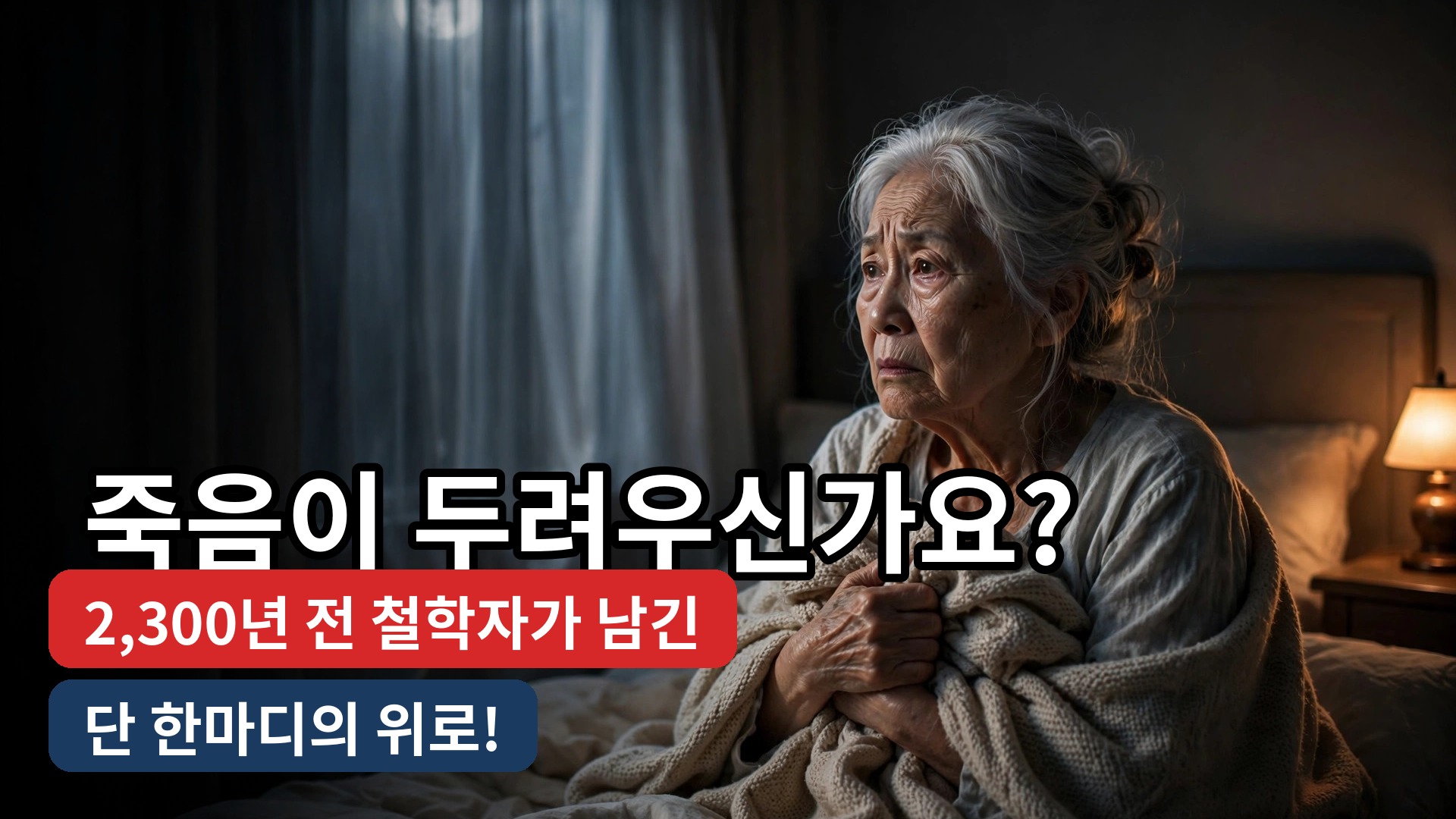
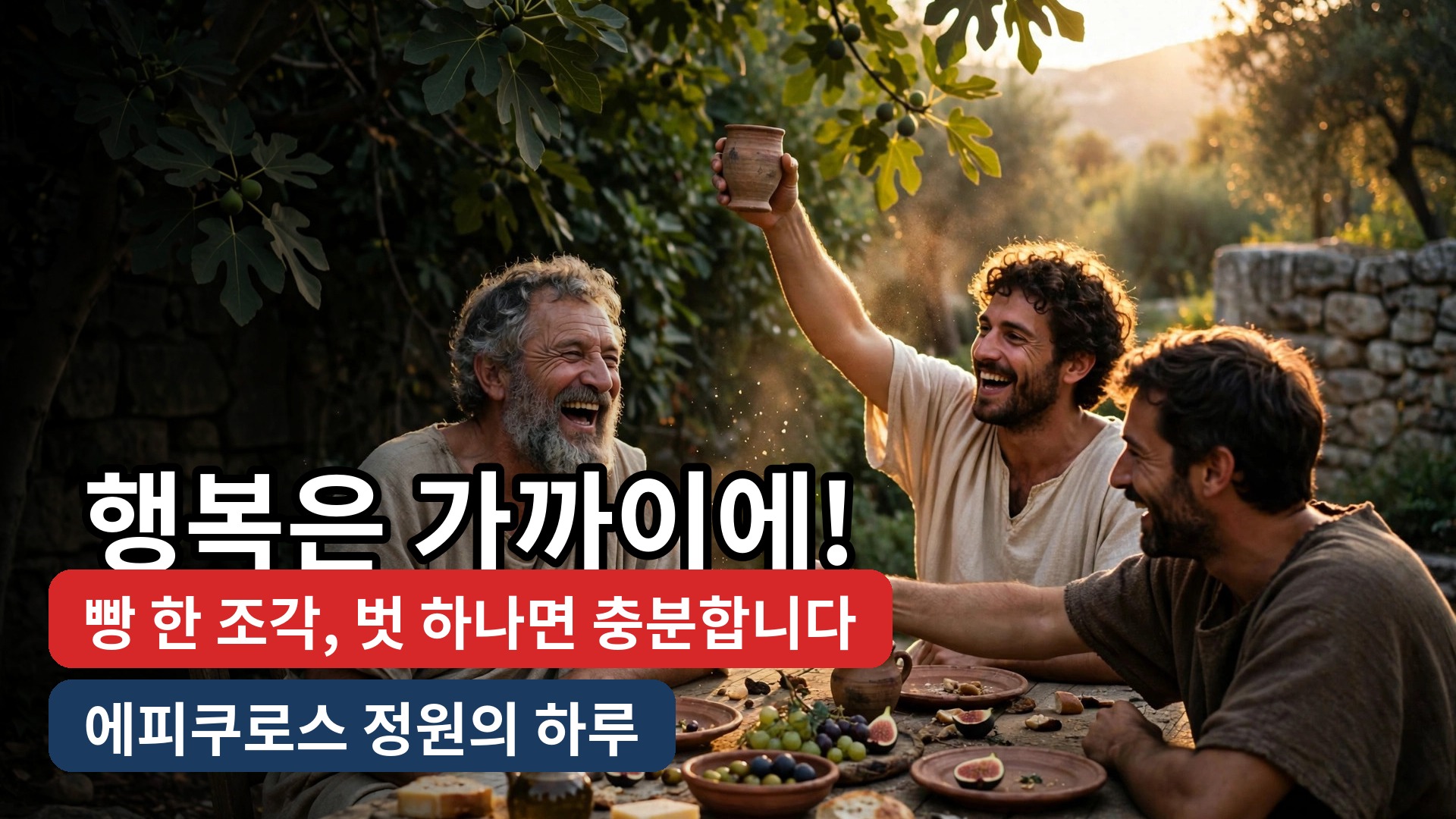
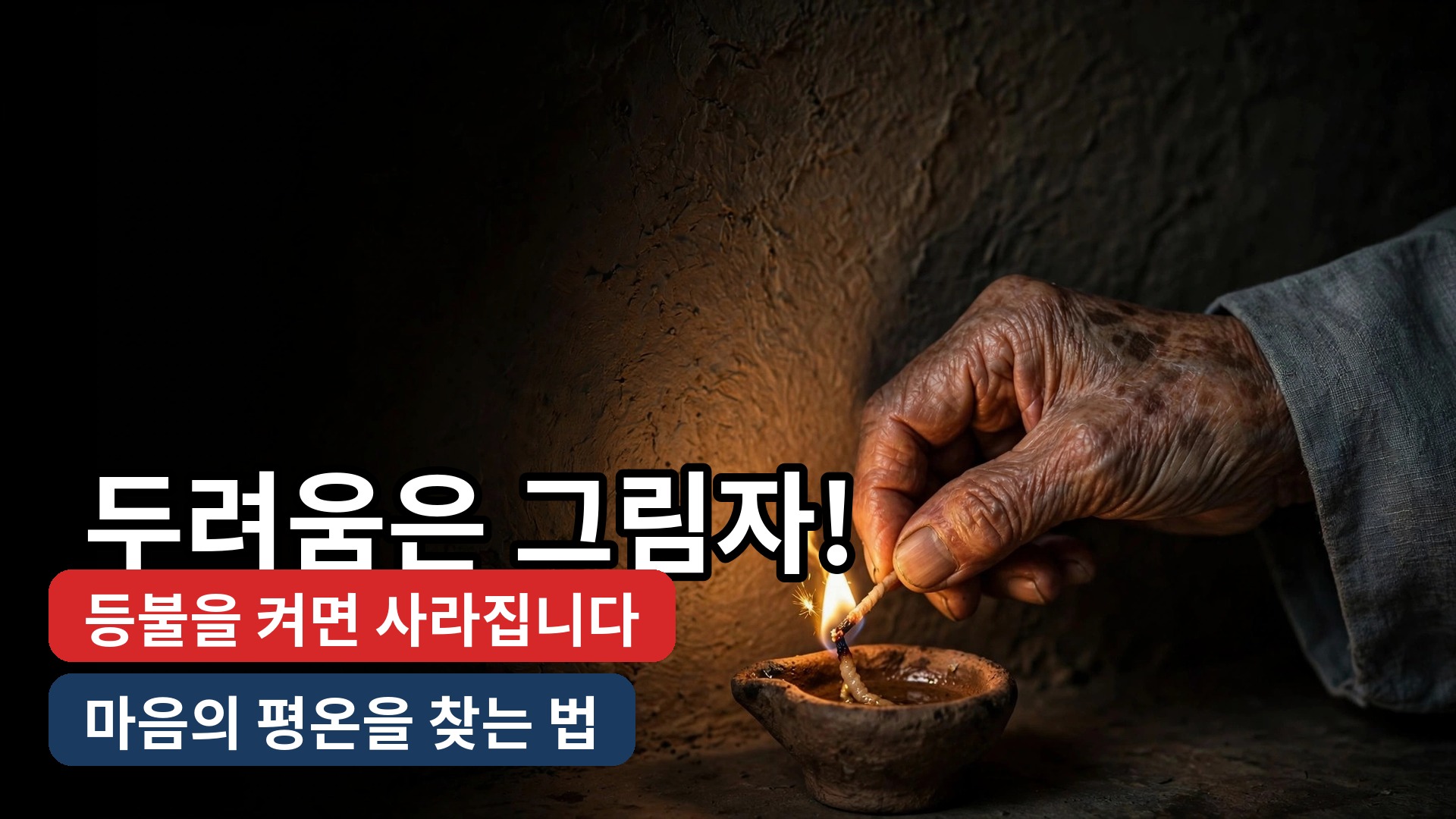
📝 제목 3안
- 죽음이 두렵다면, 에피쿠로스가 딱 한마디 했다
- 에피쿠로스 — 쾌락을 말한 오해받는 철학자의 진짜 행복론
- "죽음은 우리에게 아무것도 아니다" 2천 년 전 철학자가 건넨 위로
🎙️ 대본 (약 31분 · Vrew 양식)
📋 Vrew '텍스트로 영상 만들기'에 그대로 붙여넣으세요. 한 줄 = 한 문장 = 한 클립·한 자막 양식입니다.
밤에 잠들기 전, 문득 이런 생각이 드신 적 있으시죠.
나는 언제 죽을까.
죽으면 어떻게 될까.
두렵습니다.
솔직히 말씀드리면, 저도 두렵습니다.
나이가 들수록 그 두려움은 더 자주 찾아옵니다.
건강검진 결과를 기다리는 밤, 친구의 부고 소식을 들은 날,
병원에 다녀온 저녁.
죽음은 이제 남의 이야기가 아닙니다.
예를 들어, 이런 경우를 생각해 보세요.
평생 건강하게 사신 분이 일흔이 넘어 갑자기 몸이 아파집니다.
병원에 가니 정밀검사를 해보자고 합니다.
검사 결과를 기다리는 일주일, 잠이 오지 않습니다.
"혹시 큰 병이면 어떡하지."
"자식들에게 짐이 되면 어떡하지."
이런 걱정이 꼬리를 물고 이어집니다.
에피쿠로스는 말합니다.
그 걱정의 대부분은 헛된 것이라고.
아직 오지 않은 일을 미리 걱정하는 것은 스스로를 괴롭히는
일이라고.
그런데 2천 3백 년 전, 한 철학자가 이런 말을 남겼습니다.
"죽음은 우리에게 아무것도 아니다."
그가 바로 에피쿠로스입니다.
오늘은 쾌락을 말한 오해받는 철학자,
에피쿠로스의 진짜 행복론을 전해드립니다.
끝까지 들으시면, 죽음에 대한 두려움이 조금은 가벼워지실 겁니다.
그리고 행복이 멀리 있지 않다는 것을 알게 되실 겁니다.
에피쿠로스의 핵심 메시지는 단순합니다.
두려움을 버리고, 소박하게 살고, 벗과 함께 하라.
이 세 가지를 기억하세요.
이야기를 시작하기 전에, 한 가지만 약속해 주세요.
편안한 마음으로 들어주시는 것.
2천 년 전 정원의 벗들도 그렇게 들었습니다.
그들도 죽음이 두려웠고, 삶이 불안했습니다.
하지만 에피쿠로스의 말을 듣고 마음의 평온을 찾았습니다.
여러분도 찾으실 수 있습니다.
여러분은 죽음이 왜 두려우세요.
아파서 죽는 게 두려우신가요.
아니면 사랑하는 사람들과 헤어지는 게 두려우신가요.
아니면 죽음 뒤에 아무것도 없다는 게 두려우신가요.
에피쿠로스는 말합니다.
그 두려움들을 하나씩 살펴보자고.
아픈 게 두려우면, 고통은 영원하지 않다는 것을 기억하라고.
헤어짐이 두려우면, 지금 함께 있는 시간을 소중히 하라고.
무(無)가 두려우면,
무는 경험할 수 없으니 두려워할 이유가 없다고.
두려움의 정체를 알면, 두려움은 힘을 잃습니다.
마치 어두운 방에 불을 켜면 귀신이 사라지듯.
이해를 하면 두려움이 사라집니다.
에피쿠로스의 철학은 두려움을 밝히는 등불입니다.
나이가 드는 것도 마찬가지입니다.
늙는 게 두려우신가요.
에피쿠로스는 말합니다.
나이 드는 것을 슬퍼하지 말라고.
지혜가 깊어지는 시간이니까요.
젊음의 쾌락이 지나가면, 마음의 평온이 찾아옵니다.
그게 노년의 선물입니다.
에피쿠로스라는 이름을 들으면 어떤 생각이 드세요.
아마 많은 분들이 이렇게 생각하실 겁니다.
"아, 향락을 즐기라고 한 사람 아닌가."
"먹고 마시고 즐기라는 철학자지."
"에피큐리언이라고 하면 미식가를 뜻하잖아."
그런데 여러분, 그건 오해입니다.
크나큰 오해입니다.
에피쿠로스가 말한 쾌락은 향락이 아니었습니다.
그가 말한 쾌락은 고통이 없는 상태였습니다.
몸의 고통이 없고, 마음의 불안이 없는 상태.
그걸 그는 행복이라고 불렀습니다.
그의 제자들은 소박하게 살았습니다.
보리와 빵, 물, 가끔 치즈 한 조각.
향락과는 거리가 먼 밥상이었습니다.
그런데도 사람들은 오해했습니다.
"최고선이 쾌락"이라는 말만 듣고 향락주의자로 몰아갔습니다.
에피쿠로스는 억울했을 겁니다.
그래서 그는 분명히 말했습니다.
『주요 학설』 5번의 구절입니다.
"지혜롭고 명예롭고 정의롭게 살지 않고서는 즐겁게 살 수 없고,
즐겁게 살지 않고서는 지혜롭고 명예롭고 정의롭게 살 수 없다."
쾌락과 덕은 떨어질 수 없다는 뜻입니다.
향락에 빠진 삶은 결국 고통을 부릅니다.
『주요 학설』 8번에서도 말합니다.
"쾌락 그 자체는 나쁜 것이 아니지만,
어떤 쾌락을 낳는 것들은 그 쾌락보다 훨씬 큰 혼란을 가져온다."
순간의 즐거움이 뒤에 큰 고통을 남긴다면,
그건 진짜 쾌락이 아닙니다.
여러분, 이 말을 새겨들으세요.
에피쿠로스는 절제를 말한 철학자였습니다.
그는 정의에 대해서도 말했습니다.
『주요 학설』에 따르면, 정의는 서로 해치지 않기로 한 약속입니다.
남을 해치면 마음이 불안해집니다.
들킬까 봐 전전긍긍하게 됩니다.
그러니 정의롭게 사는 것이 마음의 평온에 이롭다는 것입니다.
착하게 살라는 도덕적 설교가 아닙니다.
마음이 편해지는 실용적인 조언입니다.
에피쿠로스의 철학은 언제나 실용적이었습니다.
"이게 마음의 평온에 도움이 되는가."
그게 판단 기준이었습니다.
욕망을 가려내고, 소박하게 살고, 벗과 함께 웃는 삶.
그게 그의 쾌락론이었습니다.
그런데 왜 이런 오해가 생겼을까요.
이유는 두 가지입니다.
첫째, '쾌락'이라는 말 자체가 오해를 불렀습니다.
그리스어 '헤도네'는 즐거움이란 뜻인데,
사람들은 향락으로 받아들였습니다.
둘째, 후대의 기독교 사상가들이 에피쿠로스를 비판했습니다.
쾌락을 말한다는 이유로 유물론자, 무신론자로 몰아갔습니다.
하지만 에피쿠로스는 신을 부정하지 않았습니다.
신을 두려워하지 말라고 했을 뿐입니다.
그는 경건한 사람이었습니다.
부모를 사랑하고, 형제를 아끼고, 노예에게도 친절했습니다.
디오게네스 라에르티오스는 이렇게 기록했습니다.
"그는 부모에 대한 사랑, 형제에 대한 너그러움,
노예에 대한 온화함으로 유명했다."
향락주의자가 아니라, 따뜻한 인품의 철학자였습니다.
여러분도 오해받아본 적 있으시죠.
말 한마디가 와전되어 이상한 사람 취급받은 적.
에피쿠로스는 2천 년 동안 오해받았습니다.
하지만 진실은 사라지지 않았습니다.
그의 편지와 어록이 오늘까지 전해집니다.
이제 에피쿠로스가 세상을 어떻게 보았는지 살펴보겠습니다.
어렵게 들리실 수 있지만, 천천히 따라오세요.
에피쿠로스는 세상이 원자로 이루어져 있다고 보았습니다.
모든 것은 작은 입자들의 모임이라는 것입니다.
우리 몸도, 마음도 원자로 되어 있습니다.
죽으면 원자들이 흩어집니다.
그래서 의식도 사라집니다.
무서운 이야기가 아닙니다.
오히려 위로가 되는 이야기입니다.
죽음 뒤에 심판도, 형벌도 없다는 뜻이니까요.
신들은 존재하지만, 완전하고 행복해서 우리 일에 간섭하지 않습니다.
그러니 신벌을 두려워할 필요가 없습니다.
자연 현상도 마찬가지입니다.
천둥, 번개, 지진.
옛사람들은 신의 노여움이라고 생각했습니다.
에피쿠로스는 말합니다.
그건 자연의 이치라고.
두려워할 것이 아니라 이해할 것이라고.
『주요 학설』 11번의 구절입니다.
"하늘의 현상과 죽음에 대한 의심으로 괴로워하지 않고,
고통과 욕망의 한계를 깨닫는다면, 자연학이 필요 없을 것이다."
자연을 알면 두려움이 사라진다는 뜻입니다.
여러분, 병에 걸리면 무서우시죠.
하지만 병의 원리를 알면 마음이 놓입니다.
같은 이치입니다.
아는 것이 두려움을 이깁니다.
그럼 에피쿠로스는 어떤 사람이었을까요.
기원전 341년, 에게해의 사모스섬에서 한 아이가 태어났습니다.
아버지 네오클레스는 아테네에서 온 식민지 개척민이었습니다.
소년 에피쿠로스는 열여덟 살에 아테네로 건너가 철학을 배웠습니다.
당시 아테네는 플라톤의 아카데미아가 있던 철학의 도시였습니다.
하지만 에피쿠로스는 플라톤의 관념론에 고개를 저었습니다.
그는 데모크리토스의 원자론에 마음이 끌렸습니다.
세상은 원자로 이루어져 있다는 생각.
신은 완전한 존재라서 인간 일에 간섭하지 않는다는 생각.
스승들을 두루 배웠지만, 결국 그는 스스로 길을 만들었습니다.
"나는 스스로 배운 사람이다."
그렇게 말할 정도로 독자적인 철학자였습니다.
알렉산드로스 대왕이 죽은 뒤 혼란이 찾아왔습니다.
사모스의 아테네 식민지 주민들은 쫓겨났습니다.
에피쿠로스는 아버지를 따라 콜로폰으로 갔습니다.
그곳에서 그는 가르치기 시작했습니다.
제자들이 하나둘 모여들었습니다.
람프사코스에서는 메트로도로스라는 뛰어난 제자를 만났습니다.
폴리아이노스라는 수학자도 함께했습니다.
미틸레네에서도 가르쳤습니다.
서른이 넘어서 그는 이미 자신만의 철학을 갖춘 스승이었습니다.
그리고 기원전 306년경,
마흔 살의 에피쿠로스는 아테네로 돌아왔습니다.
그는 아테네 성벽 안의 작은 땅을 샀습니다.
무화과나무와 채소가 자라는 소박한 정원.
그곳이 바로 유명한 '정원', 케포스입니다.
플라톤의 아카데미아,
아리스토텔레스의 리케이온과 어깨를 나란히 한 철학 학교.
하지만 정원은 다른 두 학교와 완전히 달랐습니다.
우선, 여성을 받아들였습니다.
당시로서는 상상하기 힘든 일이었습니다.
레온테우스의 아내 테미스타가 대표적인 여성 철학자였습니다.
노예도 받아들였습니다.
그의 노예 중 무스라는 이는 철학의 형제가 되었다고 전해집니다.
신분이 아니라, 함께 진리를 찾는 벗으로 모인 공동체였습니다.
이건 고대 그리스에서 혁명적인 일이었습니다.
정원의 문에는 이런 글귀가 붙어 있었다고 합니다.
"나그네여, 여기 머무르는 것이 좋을 것이다."
"여기서 우리의 최고선은 쾌락이다."
세네카가 『루킬리우스에게 보내는 편지』 21번에서 전한 문구입니다.
이 문구 때문에 에피쿠로스는 오해를 받기 시작했습니다.
최고선이 쾌락이라니, 향락을 부추기는 것 아니냐는 비난.
하지만 정원의 식탁을 보면 오해가 풀립니다.
그들의 주식은 보리와 빵, 물,
그리고 가끔 치즈 한 조각이었습니다.
향락과는 거리가 먼 소박한 밥상이었습니다.
정원에서는 철학 토론도 했지만, 함께 농사도 지었습니다.
함께 밥 먹고, 함께 이야기 나누는 벗들의 공동체.
에피쿠로스는 결혼하지 않았고 자식도 없었습니다.
대신 제자들을 가족처럼 여겼습니다.
이제 에피쿠로스의 가르침을 하나씩 살펴보겠습니다.
첫 번째 가르침, 죽음에 대한 것입니다.
『메노이케우스에게 보내는 편지』 124절의 구절입니다.
"죽음은 우리에게 아무것도 아니라는 믿음에 익숙해지십시오."
"모든 선과 악은 감각에 있는데,
죽음은 감각의 부재이기 때문입니다."
125절에서는 이렇게 이어집니다.
"우리가 존재하는 한 죽음은 우리와 함께 있지 않고,
죽음이 오면 우리는 더 이상 존재하지 않습니다."
"그러므로 죽음은 산 자에게도 죽은 자에게도 아무것도 아닙니다."
"산 자에게는 아직 오지 않았고,
죽은 자는 더 이상 존재하지 않기 때문입니다."
여러분, 이 말의 뜻을 천천히 생각해 보세요.
죽음은 우리가 경험할 수 없는 것입니다.
경험할 수 없는 것을 왜 두려워해야 할까요.
두려움은 살아있는 동안의 마음이 만드는 그림자입니다.
에피쿠로스는 그 그림자를 걷어내라고 말합니다.
"죽음을 두려워한다고 말하는 자는 어리석습니다."
"다가오지도 않은 것이 슬프게 할까 봐 미리 슬퍼하기 때문입니다."
여러분도 밤마다 죽음을 생각하며 잠 못 이루신 적 있으시죠.
에피쿠로스는 말합니다.
그건 헛된 고통이라고.
오지 않은 손님을 위해 문 앞에서 밤새 떨고 있는 것과 같다고.
『주요 학설』 2번에서도 같은 말을 합니다.
"죽음은 우리에게 아무것도 아니다."
"몸이 원소로 흩어지면 감각이 없고,
감각이 없는 것은 우리에게 아무것도 아니기 때문이다."
죽음 뒤에 천국도 지옥도 없다는 뜻이 아닙니다.
죽음 자체는 경험이 아니라는 뜻입니다.
경험이 아닌 것을 두려워하는 마음이 우리를 괴롭힌다는 것입니다.
두 번째 가르침, 테트라파르마코스입니다.
'네 가지 처방'이라는 뜻입니다.
에피쿠로스의 제자 필로데모스가 헤르쿨라네움 파피루스에
남긴 요약입니다.
"신을 두려워하지 마라."
"죽음을 걱정하지 마라."
"선한 것은 얻기 쉽다."
"무서운 것은 견디기 쉽다."
이 네 문장이 에피쿠로스 철학의 전부라고 해도 과언이 아닙니다.
첫째, 신을 두려워하지 마라.
에피쿠로스는 신의 존재를 부정하지 않았습니다.
다만 신은 완전하고 행복한 존재라서 인간 일에 간섭하지 않는다고
보았습니다.
『주요 학설』 1번의 구절입니다.
"복되고 불멸하는 존재는 스스로 괴로움이 없고,
다른 존재에게도 괴로움을 주지 않는다."
벌을 내리는 신이 없으니,
신벌에 대한 두려움도 필요 없다는 것입니다.
둘째, 죽음을 걱정하지 마라.
앞서 말씀드린 그대로입니다.
셋째, 선한 것은 얻기 쉽다.
행복에 필요한 것은 빵과 물, 그리고 벗이면 충분합니다.
거창한 부나 명예가 필요 없다는 뜻입니다.
넷째, 무서운 것은 견디기 쉽다.
극심한 고통은 오래 가지 않고,
오래 가는 고통은 견딜 만하다는 것입니다.
이 네 가지 처방을 마음에 새기면,
불안의 대부분이 사라진다고 에피쿠로스는 말했습니다.
마치 감기약처럼, 마음의 병에 먹는 약입니다.
실제로 적용해 보세요.
밤에 잠이 안 올 때, 첫 번째 처방을 떠올리세요.
"신을 두려워하지 마라."
내일의 일을 신의 벌처럼 두려워하지 마세요.
두 번째 처방입니다.
"죽음을 걱정하지 마라."
죽음은 아직 오지 않았습니다.
세 번째 처방입니다.
"선한 것은 얻기 쉽다."
행복은 거창한 것이 아닙니다.
따뜻한 밥, 편한 잠자리, 벗의 안부.
네 번째 처방입니다.
"무서운 것은 견디기 쉽다."
아픔도, 슬픔도 영원하지 않습니다.
이 네 문장을 종이에 적어 냉장고에 붙여두세요.
불안할 때마다 읽어보세요.
2천 년 된 처방전이지만, 오늘도 효과가 있습니다.
세 번째 가르침, 욕망에 대한 것입니다.
『주요 학설』 29번의 구절입니다.
"욕망 중에는 자연적이고 필연적인 것,
자연적이지만 필연적이지 않은 것,
그리고 자연적이지도 필연적이지도 않고 헛된 의견에서 생겨나는 것이
있다."
쉽게 풀어드리겠습니다.
자연적이고 필연적인 욕망: 밥, 물, 잠자리, 벗.
이건 꼭 필요하고, 쉽게 채울 수 있습니다.
자연적이지만 필연적이지 않은 욕망: 맛있는 음식, 좋은 옷.
있으면 좋지만 없어도 됩니다.
헛된 의견에서 생겨나는 욕망: 명예, 권력, 끝없는 부.
이건 채워도 채워도 끝이 없습니다.
에피쿠로스는 말합니다.
첫 번째 욕망만 채워도 행복할 수 있다고.
문제는 세 번째 욕망에 매달리는 것입니다.
여러분,
평생 명예와 돈을 좇느라 마음 편할 날이 없으셨던 분들 계시죠.
은퇴하고도 자식 재산 걱정, 체면 걱정에 시달리시는 분들.
에피쿠로스는 그 짐을 내려놓으라고 말합니다.
『메노이케우스에게 보내는 편지』에서도 욕망을 다스리라고 가르칩니다.
필요한 것만 취하고, 헛된 욕망은 버리라고.
그게 마음의 평온으로 가는 길입니다.
편지의 구절을 하나 더 전해드립니다.
"젊은이는 죽음을 가볍게 여겨서도 안 되고,
늙은이는 죽음을 두려워해서도 안 된다."
젊음도 늙음도, 죽음 앞에서는 같은 마음이어야 한다는 뜻입니다.
여러분은 이미 많은 것을 겪으셨습니다.
그 경험이 지혜가 되었습니다.
에피쿠로스는 말합니다.
그 지혜로 욕망을 다스리라고.
젊은 시절 좇았던 명예와 부를 이제는 내려놓으라고.
마음의 평온이 가장 큰 재산이라고.
네 번째 가르침, 우정에 대한 것입니다.
에피쿠로스는 우정을 무엇보다 소중히 여겼습니다.
『바티칸 어록』 52번의 구절입니다.
"우정은 세상을 춤추며 돌아다니며,
우리 모두에게 행복을 향해 깨어나라고 알린다."
얼마나 아름다운 문장입니까.
『주요 학설』 27번에서도 말합니다.
"현명한 삶이 평생의 완전한 행복을 위해 주는
것들 중 단연 가장 큰 것은 우정이다."
정원은 사실 우정의 공동체였습니다.
함께 밥 먹고, 함께 이야기 나누고, 함께 철학하는 벗들의 모임.
정원의 벗들 이야기를 조금 더 전해드리겠습니다.
메트로도로스는 에피쿠로스의 가장 아끼는 제자였습니다.
람프사코스에서 만나 평생을 함께했습니다.
뛰어난 철학자였고, 에피쿠로스 사상을 널리 알린 사람이었습니다.
안타깝게도 스승보다 먼저 세상을 떠났습니다.
에피쿠로스는 그의 아이들을 끝까지 돌보라고 유언했습니다.
폴리아이노스는 수학자였습니다.
철학과 수학을 함께 공부한 벗이었습니다.
헤르마르코스는 에피쿠로스의 후계자가 되었습니다.
스승의 뒤를 이어 정원을 지켰습니다.
이도메네우스는 임종 편지를 받은 벗이었습니다.
스승의 마지막 부탁을 받고 정원과 아이들을 돌보았습니다.
이들은 스승과 제자를 넘어 가족이었습니다.
여러분, 이런 벗이 있으신가요.
힘들 때 기댈 수 있는 벗.
에피쿠로스는 말합니다.
벗이 있는 삶이 가장 행복한 삶이라고.
『바티칸 어록』 23번의 구절입니다.
"모든 우정은 그 자체로 바람직하다. 비록 도움의 필요에서
시작되었더라도."
벗은 처음에는 필요해서 사귀지만,
나중에는 그 자체로 소중해진다는 뜻입니다.
에피쿠로스는 결혼하지 않았고 자식도 없었습니다.
대신 제자들을 가족처럼 여겼습니다.
임종을 앞두고 쓴 편지에서도 메트로도로스의 아이들을 부탁했습니다.
여러분, 노년에 가장 큰 재산은 벗입니다.
함께 웃고 함께 밥 먹을 벗.
에피쿠로스는 2천 년 전에 그걸 알았습니다.
그래서 정원을 만들었습니다.
벗들이 모이는 곳.
함께 배우고, 함께 먹고, 함께 웃는 곳.
여러분의 정원도 만드세요.
거창할 필요 없습니다.
동네 카페 단골자리, 경로당 한켠, 집 앞 벤치.
벗과 함께 앉을 수 있는 곳이면 됩니다.
그곳이 여러분의 정원이 됩니다.
다섯 번째 가르침, 자족에 대한 것입니다.
『바티칸 어록』 77번의 구절입니다.
"자족의 가장 큰 열매는 자유다."
적게 가질수록 자유로워진다는 뜻입니다.
에피쿠로스에게 전해지는 말이 있습니다.
"나는 빵과 물로도 몸이 즐거워진다."
소박한 밥상에서도 행복을 느끼는 마음.
그게 자족입니다.
에피쿠로스가 사랑한 것들을 나열해 보겠습니다.
벗과의 대화, 철학 토론, 정원의 무화과, 빵 한 조각, 맑은 물.
거창한 것이 하나도 없습니다.
여러분도 사랑하는 소박한 것들을 떠올려 보세요.
아침에 마시는 따뜻한 차, 손주의 전화 목소리, 동네 산책길의 꽃.
그게 바로 에피쿠로스의 행복입니다.
여러분, 자식에게 물려줄 재산 걱정으로 밤잠 설치신 적 있으시죠.
에피쿠로스는 말합니다.
가장 큰 유산은 마음의 평온이라고.
돈보다 지혜를, 걱정보다 평온을 물려주라고.
여섯 번째 가르침, 고통에 대한 것입니다.
『주요 학설』 4번의 구절입니다.
"몸의 지속적인 고통은 오래 가지 않는다."
"극심한 고통은 짧게 머물고,
쾌락을 겨우 웃도는 고통도 여러 날 함께하지 않는다."
"오래 가는 병조차 몸의 쾌락이 고통을 웃돌게 한다."
아프면 이 말을 떠올리세요.
고통은 영원하지 않습니다.
에피쿠로스는 몸소 증명했습니다.
임종을 앞두고 극심한 고통 속에서도 마음의 평온을 잃지 않았습니다.
이제 에피쿠로스의 마지막을 전해드립니다.
기원전 270년, 일흔두 살의 에피쿠로스는 병상에 누웠습니다.
요로결석으로 소변을 보지 못하는 고통스러운 병이었습니다.
열나흘 동안 극심한 고통이 이어졌습니다.
그런데 그는 명랑함을 잃지 않았다고 전해집니다.
제자 헤르마르코스의 기록입니다.
임종을 앞두고 그는 이도메네우스에게 편지를 썼습니다.
디오게네스 라에르티오스 『유명한 철학자들의 생애와 사상』 10권에
실린 편지입니다.
"나는 나에게 행복한 날이자 인생의 마지막 날에 이 편지를
씁니다."
"소변을 보지 못하는 고통스러운 병과 이질에 시달려,
그 고통에 더할 것이 없습니다."
"하지만 철학적 사색의 회상에서 오는 마음의 명랑함이
이 모든 괴로움과 맞섭니다."
고통 속에서도 마음은 평온했다는 고백입니다.
그는 자신의 철학이 옳았음을 몸소 증명한 셈입니다.
"무서운 것은 견디기 쉽다."
네 번째 처방을 그는 죽음으로 보여주었습니다.
그는 유언도 남겼습니다.
정원은 학파의 소유로 남겨 후학들이 쓰게 했습니다.
멜리테의 집은 헤르마르코스가 쓰게 했습니다.
메트로도로스와 폴리아이노스의 아이들을 돌보라고 부탁했습니다.
노예들에게는 자유를 주었습니다.
매년 자신의 생일에는 제사를 지내라고 했습니다.
매달 20일에는 자신과 메트로도로스를 기리는 모임을 열라고
했습니다.
벗을 끝까지 챙긴 철학자였습니다.
그의 저작은 대부분 사라졌습니다.
300권이 넘었다고 전해지지만, 오늘날 남은 것은 일부뿐입니다.
디오게네스 라에르티오스가 『유명한 철학자들의 생애와
사상』 10권에 세 통의 편지를 실었습니다.
헤로도토스에게 보내는 편지, 피토클레스에게 보내는 편지,
메노이케우스에게 보내는 편지.
그리고 『주요 학설』 40개와 유언.
바티칸 도서관에서 발견된 『바티칸 어록』 81개.
이것들이 에피쿠로스의 목소리를 오늘까지 전합니다.
2천 3백 년의 시간을 건너온 편지.
여러분에게도 전해지길 바랍니다.
에피쿠로스가 죽은 뒤에도 정원은 오래 이어졌습니다.
그의 가르침은 로마로 건너가 루크레티우스의 『사물의 본성에
대하여』로 꽃피웠습니다.
루크레티우스는 에피쿠로스의 원자론을 장대한 서사시로 풀어냈습니다.
"죽음에 대한 두려움에서 벗어나라"는 메시지를 로마인들에게
전했습니다.
스토아 학파의 세네카도 에피쿠로스를 자주 인용했습니다.
"에피쿠로스의 말은" 하며 편지에 인용했습니다.
흥미로운 일입니다.
스토아 학파와 에피쿠로스 학파는 라이벌이었습니다.
세상을 보는 눈이 달랐습니다.
스토아 학파는 운명을 받아들이라고 말했습니다.
에피쿠로스는 고통을 피하라고 말했습니다.
하지만 지혜로운 사람들은 서로에게서 배웠습니다.
세네카는 에피쿠로스의 말에서 위로를 찾았습니다.
마르쿠스 아우렐리우스도 그의 말을 마음에 새겼다고 전해집니다.
서로 다른 학파였지만, 지혜 앞에서는 벗이었던 것입니다.
여러분도 마음에 드는 가르침을 골라 쓰시면 됩니다.
스토아의 것도 좋고, 에피쿠로스의 것도 좋습니다.
중요한 건 마음이 편해지는 것입니다.
이제 정원의 하루를 상상해 보세요.
아침이면 벗들이 모여 함께 빵을 나눠 먹었습니다.
보리빵에 물을 곁들인 소박한 아침.
누군가는 어제 읽은 책 이야기를 꺼냅니다.
누군가는 밤새 고민한 질문을 던집니다.
"선생님, 죽음이 두렵습니다."
에피쿠로스는 미소 지으며 답합니다.
"죽음은 우리에게 아무것도 아니란다."
점심에는 철학 토론이 이어졌습니다.
"오늘 무엇이 우리를 불안하게 하는가."
"어떤 욕망이 헛된 것인가."
오후에는 정원을 가꾸었습니다.
무화과나무에 물을 주고, 채소를 심었습니다.
땅을 만지는 손이 마음을 차분하게 합니다.
저녁에는 함께 산책하며 하루를 돌아보았습니다.
소박하지만 충만한 하루.
여러분의 하루와 비교해 보세요.
바쁘게 일하고, 걱정하며 잠드는 하루.
에피쿠로스는 말합니다.
삶의 속도를 늦추라고.
필요한 것만 취하고, 벗과 함께 웃으라고.
정원의 벗들은 매달 20일에 모였습니다.
에피쿠로스와 메트로도로스를 기리는 날이었습니다.
함께 밥 먹고, 함께 이야기 나누는 날.
2천 년 전에도 사람들은 모임이 필요했습니다.
에피쿠로스가 죽은 뒤 수백 년이 지나도 정원의 전통은 이어졌습니다.
로마 시대에도 에피쿠로스 학파는 번성했습니다.
훌륭한 시인 호라티우스도 에피쿠로스의 영향을 받았다고 말했습니다.
"나는 에피쿠로스 학파의 돼지"라는 농담을 남길 정도였습니다.
돼지는 소박하게 잘 먹고 잘 사는 동물이니까요.
여러분도 그런 모임이 있으신가요.
경로당, 동창회, 절친과의 점심.
그게 바로 현대의 정원입니다.
혼자 있지 마세요.
벗과 함께 하세요.
그게 에피쿠로스가 남긴 가장 큰 유산입니다.
에피쿠로스의 가르침을 오늘에 적용해 보겠습니다.
첫째, 죽음 공포가 찾아오면 이렇게 생각하세요.
"지금 이 순간, 나는 살아있다."
"죽음은 아직 오지 않았다."
"오지 않은 것을 두려워하지 말자."
이건 단순한 위로가 아닙니다.
논리적인 결론입니다.
경험할 수 없는 것을 두려워하는 것은 이치에 맞지 않습니다.
둘째, 욕망을 점검하세요.
"이게 정말 필요한 것인가."
"없어도 되는 것 아닌가."
"헛된 욕망에 매달리고 있지 않은가."
장바구니를 비우듯, 마음의 장바구니도 비우세요.
셋째, 벗에게 연락하세요.
오래 못 본 친구에게 전화 한 통.
"밥 한 번 먹자."
그 한 통이 마음의 약입니다.
에피쿠로스는 우정이 가장 큰 행복이라고 했습니다.
넷째, 소박함을 즐기세요.
비싼 보약보다 따뜻한 밥 한 그릇.
화려한 여행보다 동네 산책.
행복은 가까이에 있습니다.
다섯째, 고통이 찾아오면 기억하세요.
"고통은 영원하지 않다."
"이 또한 지나가리라."
에피쿠로스는 임종에서도 이 말을 지켰습니다.
여러분, 나이가 들면 몸이 아픈 게 당연합니다.
무릎이 아프고, 허리가 아프고, 잠이 안 옵니다.
그럴 때마다 에피쿠로스를 떠올리세요.
"극심한 고통은 오래 가지 않는다."
"오래 가는 고통은 견딜 만하다."
그리고 고통 속에서도 마음의 평온을 지킬 수 있습니다.
에피쿠로스는 열나흘의 극심한 고통 속에서도 명랑했습니다.
철학적 사색의 회상이 고통과 맞섰다고 했습니다.
여러분도 마음의 평온을 지키세요.
좋은 기억, 고마운 사람들, 따뜻했던 순간들.
그 회상이 고통을 이깁니다.
여러분, 오늘 에피쿠로스의 여섯 가지 가르침을 전해드렸습니다.
죽음은 우리에게 아무것도 아니다.
신을 두려워하지 마라.
욕망을 가려내라.
우정을 소중히 하라.
자족하면 자유로워진다.
고통은 영원하지 않다.
혹시 이런 질문이 드실 수 있습니다.
"철학이 밥 먹여주나요."
에피쿠로스는 말합니다.
철학은 밥이 아니라 마음의 약이라고.
몸이 아플 때 약을 먹듯, 마음이 아플 때 철학을 하라고.
또 이런 질문도 있으실 겁니다.
"죽음을 생각하지 않으면 되는 거 아닌가요."
에피쿠로스는 말합니다.
피하는 것과 극복하는 것은 다르다고.
두려움을 외면하면 더 커지고, 마주하면 작아진다고.
"그럼 어떻게 마주하나요."
이렇게 하세요.
죽음에 대해 생각하되, 결론을 내리세요.
"죽음은 경험할 수 없다."
"그러니 두려워할 이유가 없다."
이 결론을 마음에 새기세요.
불안이 찾아올 때마다 꺼내보세요.
이 중에서 하나만 마음에 새기셔도 좋습니다.
저는 첫 번째를 권해드립니다.
죽음에 대한 두려움을 내려놓는 것.
그 두려움이 사라지면, 남은 날들이 선물처럼 느껴집니다.
오늘 저녁 밥상이, 내일 아침 햇살이, 손주의 웃음소리가.
에피쿠로스는 2천 3백 년 전 정원에서 이렇게 말했습니다.
행복은 멀리 있지 않다고.
빵 한 조각, 벗 하나, 두려움 없는 마음.
그게 전부라고.
오늘의 한마디를 정리해 드립니다.
"죽음은 우리에게 아무것도 아니다."
이 한 문장을 가슴에 품고 주무세요.
두려움이 찾아오면 되뇌어보세요.
"죽음은 아직 오지 않았다."
"나는 지금 살아있다."
"이 순간이 선물이다."
"내일 아침도 선물이다."
여러분의 남은 인생도 그러하시길 바랍니다.
두려움 없이, 평온하게.
잠시 눈을 감고 생각해 보세요.
지금 나를 불안하게 하는 것은 무엇입니까.
죽음에 대한 두려움입니까.
자식에 대한 걱정입니까.
돈에 대한 불안입니까.
에피쿠로스가 옆에 앉아 말을 겁니다.
"그 두려움은 실체가 있는가."
"지금 이 순간, 당신은 살아있지 않은가."
"빵 한 조각과 벗 하나면 충분하지 않은가."
깊이 숨을 쉬어보세요.
들이쉬고, 내쉬고.
마음의 짐을 하나씩 내려놓으세요.
죽음은 아직 오지 않았습니다.
오지 않은 손님을 위해 떨지 마세요.
오늘 하루, 평온하게 보내세요.
내일도 평온하게 보내세요.
그게 에피쿠로스가 2천 년 전에 전한 위로입니다.
오늘 이야기가 마음에 작은 위로가 되었기를 바랍니다.
에피쿠로스는 2천 3백 년 전에 이런 말을 남겼습니다.
"철학을 하는 데 너무 이르거나 너무 늦은 나이는 없다."
『메노이케우스에게 보내는 편지』 122절의 구절입니다.
젊어서도, 늙어서도 철학할 수 있다는 뜻입니다.
여러분의 나이에도 철학은 열려 있습니다.
마음의 평온을 찾는 일에 늦은 때는 없습니다.
오늘부터 시작하세요.
두려움을 내려놓는 연습을.
소박함을 즐기는 연습을.
벗과 함께 웃는 연습을.
매일 조금씩, 평생토록.
혹시 마음이 너무 힘드신 분이 계시다면, 혼자 끙끙 앓지 마세요.
자살예방 상담전화 109번이 24시간 열려 있습니다.
전화 한 통이 마음을 살립니다.
주저하지 마세요.
여러분의 삶은 소중합니다.
여러분은 누군가에게 소중한 벗입니다.
기억하세요.
여러분은 혼자가 아닙니다.
위로집이 함께합니다.
다음 시간에도 따뜻한 이야기로 찾아뵙겠습니다.
여러분의 평온한 밤을 응원합니다.
두려움 없는 내일을 기원합니다.
에피쿠로스의 정원이 여러분의 마음에도 피어나길 바랍니다.
감사합니다.
구독과 좋아요로 위로집과 함께해 주세요.
🖼️ 이미지 프롬프트 (대본 순서대로)
📋 Vrew 나레이션 재생 중 띄울 배경 이미지용. 따뜻한 힐링 일러스트 스타일.
## 1. 죽음이 가까워진 밤 (나레이션: "건강검진 결과를 기다리는 밤, 친구의 부고 소식을 들은 날, 병원에 다녀온 저녁.")
Photorealistic intimate nighttime scene, 16:9, absolutely no text or letters anywhere in the image. An elderly Korean woman, ethnically Korean with natural Korean facial features, must unmistakably read as Korean, not Chinese or Japanese, sitting up in bed late at night with a worried, sleepless expression, soft silver moonlight streaming through bedroom curtains across her weathered face. On the bedside table a dim warm lamp glows beside a small pill organizer and a folded hospital appointment slip with no readable writing. Rumpled blankets, quiet stillness, deep emotional atmosphere of late-night thoughts about health and mortality. Cinematic low-key lighting, shallow depth of field, 50mm lens, full-frame camera aesthetic, hyper-detailed skin texture, melancholic yet tender mood, photorealistic.

## 2. 헛된 걱정의 그림자 (나레이션: "그 걱정의 대부분은 헛된 것이라고.")
Photorealistic symbolic dawn scene, 16:9, absolutely no text or letters anywhere in the image. An elderly Korean man, ethnically Korean with natural Korean facial features, must unmistakably read as Korean, not Chinese or Japanese, standing on a quiet hillside at dawn watching dark heavy worry-clouds shaped like vague shadows dissolve and scatter in the first golden sunlight. His face shifts from anxiety to relief as warm light touches his features, wind gently moving his gray hair. Below him a peaceful sleeping village in soft morning mist. The visual metaphor of vain worries evaporating like night fog. Cinematic wide composition, 35mm lens, photorealistic, emotional depth, hopeful and liberating atmosphere, hyper-detailed clouds and light.

## 3. 에피쿠로스 초상 (나레이션: "에피쿠로스의 핵심 메시지는 단순합니다.")
Photorealistic classical marble bust of the ancient Greek philosopher Epicurus, 16:9, absolutely no text or letters anywhere in the image. Weathered white marble sculpture with characteristic thoughtful expression, gentle eyes, and serene demeanor, displayed in a museum-like setting with soft dramatic spotlighting against a dark background. Fine cracks and age patina on the marble surface telling two thousand years of history. Shallow depth of field, chiaroscuro lighting emphasizing the philosopher's calm wisdom, 85mm portrait lens, full-frame aesthetic, hyper-detailed stone texture, reverent museum atmosphere, photorealistic.

## 4. 헤어짐의 두려움 (나레이션: "아니면 사랑하는 사람들과 헤어지는 게 두려우신가요.")
Photorealistic tender sunset scene, 16:9, absolutely no text or letters anywhere in the image. An elderly Korean couple, both ethnically Korean with natural Korean facial features, must unmistakably read as Korean, not Chinese or Japanese, sitting side by side on a park bench holding hands tightly, gazing at a beautiful orange sunset over distant mountains. The wife rests her head gently on her husband's shoulder, their faces showing deep love mixed with quiet sadness about parting. Warm golden backlight outlining their silver hair, falling leaves drifting in the air, peaceful park path. Cinematic 50mm lens, shallow depth of field, photorealistic, deeply emotional and poignant atmosphere, hyper-detailed expressions.

## 5. 어두운 방에 켜진 등불 (나레이션: "이해를 하면 두려움이 사라집니다.")
Photorealistic symbolic interior scene, 16:9, absolutely no text or letters anywhere in the image. A dark pitch-black room where frightening vague shadows loom on the walls, and in the center an elderly Korean hand, ethnically Korean, lighting a small warm oil lamp. As the flame catches, golden light floods outward and the scary shadows dissolve into nothing, revealing a cozy ordinary room with a comfortable chair and a bookshelf. The visual metaphor that understanding dispels fear like light dispels darkness. Dramatic chiaroscuro transition from darkness to warm illumination, 35mm lens, photorealistic, profound and comforting atmosphere, hyper-detailed flame and light falloff.

## 6. 쾌락의 오해 (나레이션: "에피큐리언이라고 하면 미식가를 뜻하잖아.")
Photorealistic contrasting scene of an ancient Greek symposium with luxurious excess, 16:9, absolutely no text or letters anywhere in the image. Wealthy Athenians reclining on ornate couches in a lavishly decorated hall, overflowing tables of exotic foods, wine cups, musicians playing, decadent atmosphere of indulgence. Marble columns, rich tapestries, golden lamplight. This represents the common misunderstanding of Epicurean pleasure as hedonistic excess. Dramatic warm lighting, detailed period costumes of chitons and himations, cinematic wide shot, 35mm lens, photorealistic historical detail, opulent and slightly overwhelming mood.

## 7. 오해받는 철학자 (나레이션: "최고선이 쾌락"이라는 말만 듣고 향락주의자로 몰아갔습니다.")
Photorealistic dramatic scene in the ancient Athenian agora, 16:9, absolutely no text or letters anywhere in the image. A calm dignified Greek philosopher in a simple himation standing quietly in the center while a crowd of citizens around him whisper and point fingers with suspicious, judgmental expressions. He remains serene and composed, hands folded, gentle sadness in his eyes at being misunderstood. Sunlit marble square, olive trees, temple columns in the background, dust in the afternoon light. The contrast between the noisy accusing crowd and his tranquil dignity. Cinematic 35mm lens, photorealistic, poignant atmosphere of injustice and quiet endurance.

## 8. 순간 쾌락 뒤의 고통 (나레이션: "쾌락 그 자체는 나쁜 것이 아니지만, 어떤 쾌락을 낳는 것들은 그 쾌락보다 훨씬 큰 혼란을 가져온다.")
Photorealistic symbolic still life, 16:9, absolutely no text or letters anywhere in the image. An ornate golden goblet overflowing with honey on a marble table, but its long shadow stretching across the table transforms into dark storm clouds and thorny brambles. A fly caught in the honey, beautiful yet ominous. Warm seductive light on the goblet contrasting with the cold dark shadow it casts. Ancient Greek pottery and figs nearby. The visual metaphor that some pleasures bring far greater turmoil than the pleasure itself. Dramatic side lighting, macro detail, 50mm lens, photorealistic, cautionary and contemplative mood, hyper-detailed textures.

## 9. 실용적인 지혜 (나레이션: "마음이 편해지는 실용적인 조언입니다.")
Photorealistic warm scene in the Garden of Epicurus, 16:9, absolutely no text or letters anywhere in the image. An elderly Greek philosopher with a kind face speaking gently to a small circle of friends of various ages seated on stone benches under fig trees, gesturing with open hands as if offering practical comfort. The listeners lean in with relieved, thoughtful expressions, one nodding with a soft smile. Simple garden, clay cups of water, dappled afternoon sunlight through leaves, butterflies in the air. The atmosphere of heartfelt, useful counsel rather than abstract theory. 35mm lens, photorealistic, warm and reassuring mood, hyper-detailed expressions.

## 10. 후대의 비판 (나레이션: "둘째, 후대의 기독교 사상가들이 에피쿠로스를 비판했습니다.")
Photorealistic dim medieval monastery scriptorium, 16:9, absolutely no text or readable letters anywhere in the image. Hooded medieval Christian scholars in dark robes gathered around a wooden desk, examining an ancient Greek papyrus scroll with stern disapproving expressions, one pointing at the scroll critically while another shakes his head. Candlelight flickering on stone walls, tall narrow windows with cold light, shelves of manuscripts. The scroll's writing is aged and illegible. Atmosphere of doctrinal judgment across the centuries. Cinematic chiaroscuro, 35mm lens, photorealistic, tense and solemn historical mood.

## 11. 따뜻한 인품의 철학자 (나레이션: "향락주의자가 아니라, 따뜻한 인품의 철학자였습니다.")
Photorealistic heartwarming scene in the Garden of Epicurus, 16:9, absolutely no text or letters anywhere in the image. A gentle elderly Greek philosopher with a warm smile placing a comforting hand on the shoulder of a humble servant carrying a basket of figs, treating him with genuine kindness and equality. The servant looks up with surprised gratitude. Other garden members working peacefully in the background, fig trees, warm late-afternoon sunlight, simple earthenware and linen. The embodiment of warmth and humanity, not indulgence. 50mm lens, shallow depth of field, photorealistic, deeply human and tender atmosphere.

## 12. 원자로 이루어진 세상 (나레이션: "우리 몸도, 마음도 원자로 되어 있습니다.")
Photorealistic artistic visualization of ancient Greek atomic theory, 16:9, absolutely no text or letters anywhere in the image. A Greek philosopher's study at night with scrolls and diagrams, while above him a dreamlike visualization of countless tiny glowing particles and atoms swirling and drifting apart in the cosmos like dust in starlight, connecting the earthly and the celestial. Marble busts, oil lamps, star charts on the walls. The philosopher gazes upward in wonder at the invisible building blocks of reality, his own hand semi-transparent showing particles within. Deep blue night tones mixed with warm lamplight, mystical and intellectual atmosphere, cinematic, 35mm lens, photorealistic with a touch of wonder.

## 13. 천둥과 번개 (나레이션: "두려워할 것이 아니라 이해할 것이라고.")
Photorealistic dramatic ancient Greek scene, 16:9, absolutely no text or letters anywhere in the image. A powerful thunderstorm with lightning splitting the dark sky over ancient Athens, frightened citizens covering their ears and cowering, while one calm philosopher in a simple himation stands on a hill gesturing toward the sky with a reassuring expression, as if explaining nature's workings. Rain, dramatic clouds, the Acropolis silhouetted against lightning flashes. The contrast between superstitious terror and rational calm. Epic cinematic composition, 24mm wide feel, photorealistic, awe-inspiring and enlightening mood, hyper-detailed storm.

## 14. 사모스섬의 탄생 (나레이션: "기원전 341년, 에게해의 사모스섬에서 한 아이가 태어났습니다.")
Photorealistic breathtaking aerial view of the ancient Greek island of Samos in the Aegean Sea at sunrise, 16:9, absolutely no text or letters anywhere in the image. Crystal-clear turquoise waters, whitewashed ancient Greek houses cascading down hillsides, olive groves and vineyards, a small harbor with wooden fishing boats. Golden morning light breaking through soft clouds, symbolizing a new birth. Distant mountains fading into morning mist. Epic historical establishing shot, cinematic color grading, drone-like perspective, photorealistic, 24mm wide-angle feel, serene and hopeful atmosphere.

## 15. 스스로 길을 만든 철학자 (나레이션: "스승들을 두루 배웠지만, 결국 그는 스스로 길을 만들었습니다.")
Photorealistic portrait of a confident young Greek philosopher in his thirties walking alone on a diverging mountain path at dawn, choosing the untrodden trail while the well-worn road of his teachers curves away behind him, 16:9, absolutely no text or letters anywhere in the image. He wears a simple philosopher's himation, scrolls tucked under his arm, wind gently moving his dark hair and cloak. His expression shows quiet self-assurance and independent thinking. Ancient Greek landscape with olive trees and distant islands, soft pink and gold dawn light. Symbol of intellectual independence and forging one's own path. Cinematic portrait, 85mm lens, shallow depth of field, photorealistic, inspiring mood.

## 16. 미틸레네의 가르침 (나레이션: "미틸레네에서도 가르쳤습니다.")
Photorealistic scene of a young Epicurus teaching a small group of students in an ancient seaside courtyard in Mytilene, 16:9, absolutely no text or letters anywhere in the image. The teacher sits on a stone bench gesturing expressively while a diverse group of young men and women listen intently, some taking notes on wax tablets, the Aegean Sea glittering beyond the courtyard wall. Whitewashed walls, climbing vines, terracotta pots with herbs, warm Mediterranean sunlight. An atmosphere of eager learning and philosophical discovery. Period-accurate clothing, 35mm lens, photorealistic, warm and inviting educational atmosphere.

## 17. 여성을 받아들인 정원 (나레이션: "당시로서는 상상하기 힘든 일이었습니다.")
Photorealistic dignified scene at the gate of the Garden of Epicurus, 16:9, absolutely no text or letters anywhere in the image. An intelligent Greek woman in her forties wearing an elegant peplos being warmly welcomed into the Garden by Epicurus and his followers, who bow respectfully and gesture her inside. Her expression shows quiet confidence and gratitude. Male philosophers of the era watching with astonishment in the background. Fig trees arching over the gate, warm afternoon light. A revolutionary moment of equality in ancient Greece. 50mm lens, shallow depth of field, photorealistic, empowering and dignified atmosphere.

## 18. 정원의 문패 (나레이션: "세네카가 『루킬리우스에게 보내는 편지』 21번에서 전한 문구입니다.")
Photorealistic close-up of the famous Garden gate in ancient Athens, 16:9, absolutely no text or readable letters anywhere in the image. A weathered wooden gate with an ancient stone tablet beside it bearing worn carvings smoothed by two thousand years of weather, completely illegible, fig branches arching overhead. A traveler's hand touching the stone curiously. Warm sunlight and shadows playing across the ancient stone, moss in the crevices. The invitation to weary strangers to find rest. Shallow depth of field, 50mm lens, photorealistic, welcoming and timeless atmosphere.

## 19. 제자를 가족처럼 (나레이션: "에피쿠로스는 결혼하지 않았고 자식도 없었습니다.")
Photorealistic warm communal meal in the Garden of Epicurus, 16:9, absolutely no text or letters anywhere in the image. An elderly Epicurus seated like a father figure at the head of a long simple wooden table outdoors, surrounded by his beloved disciples of all ages sharing barley bread, figs, cheese, and water from clay cups, laughter and animated conversation, genuine warmth like a family dinner. One young student leans affectionately toward the teacher. Fig trees providing shade, golden late-afternoon light. The philosopher who had no children but gained a family of friends. 35mm lens, photorealistic, joyful and heartwarming communal atmosphere.

## 20. 죽음과 삶은 만나지 않는다 (나레이션: "우리가 존재하는 한 죽음은 우리와 함께 있지 않고, 죽음이 오면 우리는 더 이상 존재하지 않습니다.")
Photorealistic symbolic visualization of Epicurus's argument about death, 16:9, absolutely no text or letters anywhere in the image. A serene elderly Korean man, ethnically Korean with natural Korean facial features, must unmistakably read as Korean, not Chinese or Japanese, sleeping peacefully in a sunlit room, while a translucent shadowy figure representing death passes by the window outside without entering, unable to touch the sleeper, forever separated by the glass. Soft morning light, dust motes in sunbeams, profound tranquility. The visual metaphor that death and life never meet. Dreamlike yet photorealistic, 35mm lens, peaceful and comforting atmosphere, gentle color palette.

## 21. 미리 슬퍼하지 말라 (나레이션: "죽음을 두려워한다고 말하는 자는 어리석습니다.")
Photorealistic emotional night-to-dawn scene, 16:9, absolutely no text or letters anywhere in the image. An elderly Korean woman, ethnically Korean with natural Korean facial features, must unmistakably read as Korean, not Chinese or Japanese, sitting alone at her kitchen table at 3 a.m. with a deeply worried face, hands clasped, while through the window behind her the first pale light of dawn begins to break, birds stirring, a new day arriving without any of the feared disasters. Her reflection in the dark window shows fear, while the brightening sky promises relief. Cinematic 35mm lens, photorealistic, empathetic and gently illuminating mood, hyper-detailed expressions.

## 22. 죽음은 경험이 아니다 (나레이션: "죽음 뒤에 천국도 지옥도 없다는 뜻이 아닙니다.")
Photorealistic serene sunrise over a calm sea, 16:9, absolutely no text or letters anywhere in the image. An elderly Korean man, ethnically Korean with natural Korean facial features, must unmistakably read as Korean, not Chinese or Japanese, standing on a quiet beach at dawn watching an empty wooden boat drifting peacefully on glassy golden water, symbolizing the absence of experience itself. His face is calm and accepting, hands in pockets, gentle waves lapping the shore, soft pink and gold sky. No drama, no judgment, only quiet stillness. The visual metaphor that death is not an experience to fear. Cinematic 35mm lens, photorealistic, tranquil and philosophical mood.

## 23. 신을 두려워하지 마라 (나레이션: "첫째, 신을 두려워하지 마라.")
Photorealistic serene image of ancient Greek gods as peaceful distant beings, 16:9, absolutely no text or letters anywhere in the image. Majestic Olympian figures resting blissfully among soft clouds in a tranquil celestial realm, completely serene and detached, paying no attention to the tiny peaceful Greek landscape far below. No anger, no punishment, only perfect blessedness. Soft ethereal light, dreamlike and calming. The Epicurean vision of gods as models of tranquility rather than objects of fear. Cinematic, 24mm wide feel, photorealistic, profoundly peaceful atmosphere.

## 24. 선한 것은 얻기 쉽다 (나레이션: "셋째, 선한 것은 얻기 쉽다.")
Photorealistic heartwarming image of simple happiness, 16:9, absolutely no text or letters anywhere in the image. An elderly Korean couple, both ethnically Korean with natural Korean facial features, must unmistakably read as Korean, not Chinese or Japanese, sharing a simple meal of rice and soup at a small wooden table in a sunlit traditional home, smiling warmly at each other. Steam rising from the bowls, morning sunlight through the window, a small vase with wildflowers. Their contentment radiates from the simplicity. True Epicurean good easily attained. 50mm lens, shallow depth of field, photorealistic, warm and deeply satisfying atmosphere.

## 25. 밤의 처방전 (나레이션: "신을 두려워하지 마라.")
Photorealistic peaceful nighttime bedroom scene, 16:9, absolutely no text or letters anywhere in the image. An elderly Korean man, ethnically Korean with natural Korean facial features, must unmistakably read as Korean, not Chinese or Japanese, lying in bed at night with eyes gently closed and a calm, relieved expression, as if silently repeating a comforting remedy to himself. Soft moonlight through curtains, a small handwritten note on the bedside table deliberately blurred and illegible. Warm blanket, utter stillness, the anxiety of the night replaced by quiet trust. Cinematic low-key lighting, 50mm lens, shallow depth of field, photorealistic, deeply soothing and restful mood.

## 26. 욕망의 세 가지 분류 (나레이션: "세 번째 가르침, 욕망에 대한 것입니다.")
Photorealistic symbolic still life representing the three kinds of desires, 16:9, absolutely no text or letters anywhere in the image. Three ancient Greek vessels on a stone table: a simple clay cup of clear water, a modestly decorated ceramic bowl of fresh fruit, and a golden chest overflowing with coins and jewels. Dramatic side lighting, dark background, each object telling its philosophical story of necessary, natural-but-unnecessary, and vain desires. Museum-quality composition, 50mm lens, photorealistic, contemplative and instructive mood, hyper-detailed textures of clay, ceramic, and gold.

## 27. 자연적이지만 필연적이지 않은 욕망 (나레이션: "있으면 좋지만 없어도 됩니다.")
Photorealistic warm market scene in ancient Greece, 16:9, absolutely no text or letters anywhere in the image. A vibrant stall displaying delicious pastries, ripe fruits, and beautifully dyed garments in rich colors, while a contented philosopher in a simple himation walks past with a gentle smile, glancing at the goods with appreciation but no craving, hands relaxed at his sides. Other shoppers browsing happily. Warm afternoon sunlight, the pleasure of nice things without attachment. The visual metaphor of natural but unnecessary desires. 35mm lens, photorealistic, light and balanced atmosphere, hyper-detailed food and fabrics.

## 28. 헛된 욕망 버리기 (나레이션: "필요한 것만 취하고, 헛된 욕망은 버리라고.")
Photorealistic liberating image, 16:9, absolutely no text or letters anywhere in the image. An elderly Korean person, ethnically Korean with natural Korean facial features, must unmistakably read as Korean, not Chinese or Japanese, standing on a mountain path at sunrise, setting down a heavy backpack overflowing with stones, golden trinkets, and ornate boxes, straightening up with visible relief and a peaceful smile. Morning mist, golden light breaking through, birds in the sky. The physical act of laying down burdens as metaphor for releasing vain desires. Cinematic, 35mm lens, photorealistic, freeing and hopeful mood, hyper-detailed landscape.

## 29. 명예와 부 내려놓기 (나레이션: "젊은 시절 좇았던 명예와 부를 이제는 내려놓으라고.")
Photorealistic poignant symbolic scene, 16:9, absolutely no text or letters anywhere in the image. Weathered elderly Korean hands, ethnically Korean, slowly opening and releasing a handful of golden sand, medals, and glittering coins into the mountain wind at sunset, the riches scattering and dissolving into the air like dust. The hands then rest empty and relaxed, serene. Distant peaks glowing orange, clouds below the summit. The visual metaphor of letting go of lifelong pursuits of honor and wealth. Cinematic close-up, 85mm lens, shallow depth of field, photorealistic, bittersweet yet liberating mood, hyper-detailed hands and particles.

## 30. 우정의 공동체 (나레이션: "정원은 사실 우정의 공동체였습니다.")
Photorealistic warm group portrait of the Garden community, 16:9, absolutely no text or letters anywhere in the image. A diverse gathering of ancient Greek philosophers, women, elderly, young students, and former slaves seated together in a garden courtyard, engaged in lively warm conversation, some laughing, scrolls and cups in hand. Fig trees, evening light, genuine affection among them. The utopian community of friends. 35mm lens, photorealistic, heartwarming and idealistic atmosphere.

## 31. 폴리아이노스와의 우정 (나레이션: "철학과 수학을 함께 공부한 벗이었습니다.")
Photorealistic scene of intellectual friendship in the Garden, 16:9, absolutely no text or letters anywhere in the image. Polyaenus the mathematician drawing geometric figures in the sand with a stick while Epicurus and Hermarchus watch with interest, engaged in spirited discussion, all three smiling at a shared insight. Scrolls with diagrams nearby, a warm afternoon in the garden courtyard, the joy of shared inquiry between friends. Period-accurate details, 35mm lens, photorealistic, stimulating and collegial atmosphere.

## 32. 우정 그 자체 (나레이션: "모든 우정은 그 자체로 바람직하다. 비록 도움의 필요에서 시작되었더라도.")
Photorealistic heartwarming autumn park scene, 16:9, absolutely no text or letters anywhere in the image. Two elderly Korean friends, both ethnically Korean with natural Korean facial features, must unmistakably read as Korean, not Chinese or Japanese, walking arm in arm along a path covered with golden fallen leaves, laughing together with genuine joy, one wiping a tear of laughter. Warm low autumn sunlight filtering through maple trees, long shadows, a bench and a thermos suggesting a long leisurely outing. Friendship cherished for its own sake, beyond any need. 50mm lens, shallow depth of field, photorealistic, deeply warm and touching atmosphere.

## 33. 여러분의 정원 (나레이션: "함께 배우고, 함께 먹고, 함께 웃는 곳.")
Photorealistic heartwarming modern Korean scene, 16:9, absolutely no text or letters anywhere in the image. A group of elderly Korean friends, all ethnically Korean with natural Korean facial features, must unmistakably read as Korean, not Chinese or Japanese, gathered around a small table at a cozy neighborhood cafe, sharing drinks and laughing together, one showing photos on a phone, another leaning in with a story. Sunlight streaming through the window, steam rising from cups, the warmth of decades-long companionship. A modern-day Garden of Epicurus. 35mm lens, photorealistic, joyful and relatable atmosphere, hyper-detailed expressions.

## 34. 빵과 물의 즐거움 (나레이션: "소박한 밥상에서도 행복을 느끼는 마음.")
Photorealistic mindful image of simple joy, 16:9, absolutely no text or letters anywhere in the image. Close-up of weathered hands breaking a piece of rustic bread over a wooden table, a clay cup of clear water beside it, morning sunlight streaming across. The hands show age and contentment, the simple act elevated to quiet celebration. Shallow depth of field, 85mm lens, photorealistic, meditative and grateful atmosphere, finding abundance in simplicity.

## 35. 가장 큰 유산 (나레이션: "가장 큰 유산은 마음의 평온이라고.")
Photorealistic tender family scene, 16:9, absolutely no text or letters anywhere in the image. An elderly Korean grandfather, ethnically Korean with natural Korean facial features, must unmistakably read as Korean, not Chinese or Japanese, sitting in a sunlit living room reading a storybook to his young grandchild on his lap, both calm and smiling, the child's head resting trustingly against his chest. Warm afternoon light, a small bookshelf, a cup of tea steaming nearby. The true inheritance of peace of mind passed down, more precious than money. 50mm lens, shallow depth of field, photorealistic, deeply warm and serene atmosphere.

## 36. 고통 속의 평온 (나레이션: "임종을 앞두고 극심한 고통 속에서도 마음의 평온을 잃지 않았습니다.")
Photorealistic powerful image of inner peace amid suffering, 16:9, absolutely no text or letters anywhere in the image. An elderly philosopher's serene face in soft focus, eyes gently closed with a peaceful expression and even a faint smile, while around him symbolic dark storm clouds dissolve into warm golden light. The contrast between outer affliction and inner cheerfulness. A hand resting calmly on a blanket. Ethereal and deeply spiritual visualization of Epicurus's final testimony that peace of mind can withstand pain. 85mm portrait lens, photorealistic, transcendent and comforting mood, hyper-detailed light and texture.

## 37. 임종의 편지 (나레이션: "디오게네스 라에르티오스 『유명한 철학자들의 생애와 사상』 10권에 실린 편지입니다.")
Photorealistic deeply moving deathbed scene, 16:9, absolutely no text or readable letters anywhere in the image. An elderly Epicurus propped up on cushions in a simple bedroom, writing his final letter on papyrus with a steady hand despite visible frailty, his face showing pain but also remarkable serenity and a gentle smile. A young disciple holds the ink nearby with tearful reverence. Soft window light, the Garden's greenery visible outside. The triumph of philosophy over suffering, his last words taking shape. 50mm lens, photorealistic, profoundly moving and dignified atmosphere, the writing itself blurred and illegible.

## 38. 유언 (나레이션: "그는 유언도 남겼습니다.")
Photorealistic solemn scene of Epicurus's will being read, 16:9, absolutely no text or readable letters anywhere in the image. Hermarchus unrolling a papyrus will before the assembled Garden members in the courtyard, all listening with bowed heads and deep respect, some wiping tears. The Garden's fig trees, soft evening light, the continuity of the community. A legacy of care for friends, children, and even freed slaves. The document's writing aged and illegible. 35mm lens, photorealistic, solemn and loving atmosphere.

## 39. 사라진 저작들 (나레이션: "300권이 넘었다고 전해지지만, 오늘날 남은 것은 일부뿐입니다.")
Photorealistic melancholic ancient library scene, 16:9, absolutely no text or readable letters anywhere in the image. Endless wooden shelves holding hundreds of papyrus scrolls, many crumbling to dust and fragments, a few intact scrolls glowing softly in a beam of light from a high window. Dust motes drifting, a broken scroll case on the floor, the fragility of knowledge across millennia. One surviving scroll carefully preserved on a reading stand, its writing aged beyond legibility. Cinematic chiaroscuro, 35mm lens, photorealistic, poignant and reverent atmosphere of loss and survival.

## 40. 이어지는 정원 (나레이션: "에피쿠로스가 죽은 뒤에도 정원은 오래 이어졌습니다.")
Photorealistic hopeful scene of the Garden generations later, 16:9, absolutely no text or letters anywhere in the image. The same walled garden now flourishing with taller fig trees, a new generation of young philosophers and students reading, debating, and tending vegetables where Epicurus once walked. An elderly teacher pointing toward an empty stone bench preserved with honor beneath the oldest fig tree. Morning sunlight, butterflies, continuity and renewal. The living tradition outlasting its founder. Epic 24mm wide feel, photorealistic, warm and inspiring atmosphere of enduring wisdom.

## 41. 두 학파 (나레이션: "세상을 보는 눈이 달랐습니다.")
Photorealistic symbolic scene of two philosophical schools, 16:9, absolutely no text or letters anywhere in the image. Two elderly Greek philosophers in distinct robes standing on a garden path that forks into two directions, one path leading toward a stern mountain temple of fate, the other toward a sunlit garden of simple pleasures, yet the two men face each other with mutual respect, hands clasped in friendship. Olive trees, morning mist, golden light. Rival schools with different visions of the world, united by love of wisdom. 35mm lens, photorealistic, harmonious and thought-provoking mood.

## 42. 마음이 편해지는 것 (나레이션: "중요한 건 마음이 편해지는 것입니다.")
Photorealistic tranquil scene, 16:9, absolutely no text or letters anywhere in the image. An elderly Korean woman, ethnically Korean with natural Korean facial features, must unmistakably read as Korean, not Chinese or Japanese, sitting peacefully on a wooden bench in a sunlit traditional Korean garden, eyes softly closed, a gentle serene smile, hands folded in her lap. Cherry blossom petals drifting in the warm breeze, a small pond with rippling reflections, distant mountains. Complete ease and contentment radiating from her posture. 50mm lens, shallow depth of field, photorealistic, deeply calming and restorative atmosphere.

## 43. 정원의 오후 (나레이션: "무화과나무에 물을 주고, 채소를 심었습니다.")
Photorealistic peaceful scene of philosophers gardening together in the Garden, 16:9, absolutely no text or letters anywhere in the image. Elderly and young members in simple tunics tending vegetable plots in the warm afternoon, one watering a young fig sapling with a clay pitcher, another planting seedlings with hands in the rich dark earth, a basket of fresh produce nearby. Butterflies and bees, golden sunlight, the therapeutic joy of working the land. Philosophical life grounded in simple physical labor. 35mm lens, photorealistic, meditative and grounding atmosphere, hyper-detailed soil and plants.

## 44. 매달 20일의 모임 (나레이션: "함께 밥 먹고, 함께 이야기 나누는 날.")
Photorealistic festive monthly gathering in the Garden, 16:9, absolutely no text or letters anywhere in the image. A larger celebration with garlands of flowers, extra dishes on the tables, members of all ages raising clay cups in a toast, musicians playing simple instruments, warm lantern light as dusk falls. The commemoration filled with joy rather than mourning, laughter echoing among the fig trees. 35mm lens, photorealistic, celebratory and warm communal atmosphere, hyper-detailed lantern glow.

## 45. 혼자 있지 마세요 (나레이션: "혼자 있지 마세요.")
Photorealistic touching modern Korean scene, 16:9, absolutely no text or letters anywhere in the image. An elderly Korean man, ethnically Korean with natural Korean facial features, must unmistakably read as Korean, not Chinese or Japanese, sitting alone in a dim quiet living room gazing out the window, when a warm knock comes at the door and a longtime friend appears in the doorway with a bright smile carrying a bag of groceries. The lonely man's face transforms with surprised joy. Warm light spilling in from the hallway, dust motes in the beam. The healing power of companionship. 35mm lens, photorealistic, deeply moving and hopeful atmosphere.

## 46. 마음의 장바구니 비우기 (나레이션: """없어도 되는 것 아닌가.""")
Photorealistic symbolic modern scene, 16:9, absolutely no text or letters anywhere in the image. An elderly Korean woman's hands, ethnically Korean, gently tipping over a shopping basket and letting luxury items, designer boxes, and shiny gadgets tumble out onto a soft meadow, her expression calm and unbothered as she keeps only a simple loaf of bread and a small flower. Morning sunlight, wildflowers, a peaceful park. The visual metaphor of emptying the basket of the mind like emptying a shopping basket. 50mm lens, shallow depth of field, photorealistic, light and liberating mood, hyper-detailed hands and objects.

## 47. 고통은 지나간다 (나레이션: "이 또한 지나가리라.")
Photorealistic contemplative image about pain's impermanence, 16:9, absolutely no text or letters anywhere in the image. A stormy sea gradually calming at dawn, dark clouds parting to reveal soft golden light on gentle waves, viewed from a peaceful shoreline where an elderly Korean figure, ethnically Korean, stands watching calmly with hands behind the back. The storm as metaphor for intense pain that does not last, the calm as its passing. Epic natural symbolism, 24mm wide feel, photorealistic, hopeful and philosophical mood, hyper-detailed waves and clouds.

## 48. 평온을 지키는 마음 (나레이션: "여러분도 마음의 평온을 지키세요.")
Photorealistic peaceful meditation image, 16:9, absolutely no text or letters anywhere in the image. An elderly Korean person, ethnically Korean with natural Korean facial features, must unmistakably read as Korean, not Chinese or Japanese, sitting comfortably with eyes gently closed in a quiet sunlit room, hands resting calmly, serene expression, soft window light creating a gentle glow. A small plant and a cup of tea nearby, a folded blanket, complete stillness. The practice of guarding inner tranquility. 50mm lens, shallow depth of field, photorealistic, deeply calming and restorative atmosphere.

## 49. 마음의 약 (나레이션: "몸이 아플 때 약을 먹듯, 마음이 아플 때 철학을 하라고.")
Photorealistic cozy reading scene, 16:9, absolutely no text or readable letters anywhere in the image. An elderly Korean man, ethnically Korean with natural Korean facial features, must unmistakably read as Korean, not Chinese or Japanese, sitting in a warm armchair by a window reading a well-worn philosophy book with a gentle absorbed smile, a steaming cup of tea on the side table, soft lamplight and evening rain on the window. The book's pages blurred and illegible. Bookshelves, a warm blanket, utter coziness. Philosophy as medicine for the aching mind. 50mm lens, shallow depth of field, photorealistic, warm and comforting atmosphere.

## 50. 여섯 가지 가르침 (나레이션: "이 중에서 하나만 마음에 새기셔도 좋습니다.")
Photorealistic symbolic dusk scene in the Garden, 16:9, absolutely no text or letters anywhere in the image. Six small clay oil lamps arranged in a gentle arc on an ancient stone table, each flame burning with a warm steady glow against the deep blue twilight, fig tree silhouettes behind, fireflies drifting. An elderly philosopher's hand reaching toward one lamp as if choosing it. The six flames as symbols of the six teachings, any one of which can light the heart. Cinematic chiaroscuro, 50mm lens, photorealistic, contemplative and hopeful mood, hyper-detailed flames.

## 51. 한 문장을 품고 잠들기 (나레이션: "이 한 문장을 가슴에 품고 주무세요.")
Photorealistic serene bedtime scene, 16:9, absolutely no text or letters anywhere in the image. An elderly Korean woman, ethnically Korean with natural Korean facial features, must unmistakably read as Korean, not Chinese or Japanese, sleeping peacefully in a cozy bed with a soft contented smile, one hand resting gently over her heart as if holding a precious sentence close. Silver moonlight through curtains, a warm dim lamp, complete tranquility on her face, no trace of fear. The embodiment of falling asleep with a comforting truth in the heart. 50mm lens, shallow depth of field, photorealistic, deeply peaceful and tender mood.

## 52. 지금 이 순간 살아있다 (나레이션: """지금 이 순간, 당신은 살아있지 않은가.""")
Photorealistic uplifting morning scene, 16:9, absolutely no text or letters anywhere in the image. An elderly Korean man, ethnically Korean with natural Korean facial features, must unmistakably read as Korean, not Chinese or Japanese, standing on a hilltop at sunrise with arms slightly open, breathing deeply with eyes closed and a radiant peaceful smile, golden sunlight washing over his face. His chest rising with a deep breath, birds soaring, vast glowing landscape below. The vivid joy of being alive in this very moment. Cinematic 35mm lens, photorealistic, triumphant and life-affirming mood, hyper-detailed light on skin.

## 53. 늦은 때란 없다 (나레이션: "철학을 하는 데 너무 이르거나 너무 늦은 나이는 없다.")
Photorealistic inspiring scene, 16:9, absolutely no text or readable letters anywhere in the image. An elderly Korean woman, ethnically Korean with natural Korean facial features, must unmistakably read as Korean, not Chinese or Japanese, with silver hair in a bright library, eagerly reading a philosophy book with youthful curiosity sparkling in her eyes, a notebook and pencil beside her, morning sunlight streaming across the table. Other readers of various ages around her. The book's text blurred and illegible. It is never too early or too late to seek wisdom. 50mm lens, shallow depth of field, photorealistic, bright and encouraging atmosphere.

## 54. 혼자 끙끙 앓지 마세요 (나레이션: "자살예방 상담전화 109번이 24시간 열려 있습니다.")
Photorealistic hopeful modern scene, 16:9, absolutely no text, no letters, no numbers anywhere in the image. An elderly Korean woman, ethnically Korean with natural Korean facial features, must unmistakably read as Korean, not Chinese or Japanese, holding a telephone receiver to her ear with a relieved, tearful smile, as if a warm caring voice on the other end is reaching her. Sunrise light streaming through the window, a new day beginning, her shoulders relaxing. A small plant and a family photo on the table. The life-saving power of one phone call, never suffering alone. 50mm lens, shallow depth of field, photorealistic, deeply compassionate and hopeful mood.

## 55. 위로집 엔딩 (나레이션: "구독과 좋아요로 위로집과 함께해 주세요.")
Photorealistic warm closing image in the signature healing style, 16:9, absolutely no text or letters anywhere in the image. A cozy Korean senior couple's living room bathed in warm orange and yellow sunset tones, an elderly Korean couple, both ethnically Korean with natural Korean facial features, must unmistakably read as Korean, not Chinese or Japanese, sitting together peacefully looking out at a beautiful evening sky, holding warm teacups, gentle smiles. Soft blankets, a small potted plant, books on the table. The embrace of comfort and peace that the channel promises. Photorealistic with a warm illustrated healing-art feel, 35mm lens, full-frame aesthetic, deeply comforting and hopeful finale.
📄 설명란
쾌락을 말한 오해받는 철학자, 에피쿠로스의 진짜 행복론
"죽음은 우리에게 아무것도 아니다."
기원전 341년 사모스에서 태어나 기원전 306년 아테네에 '정원(케포스)'을 세운 철학자.
향락주의자로 오해받았지만, 그가 말한 쾌락은 고통의 부재였습니다.
여성과 노예까지 받아들인 벗들의 공동체에서
죽음의 두려움을 이기는 여섯 가지 가르침을 전합니다.
📌 오늘의 여섯 가지 가르침
1. 죽음 — "죽음은 우리에게 아무것도 아니다" (『메노이케우스에게 보내는 편지』 124-125)
2. 네 가지 처방 — "신을 두려워하지 마라. 죽음을 걱정하지 마라. 선한 것은 얻기 쉽다. 무서운 것은 견디기 쉽다" (테트라파르마코스)
3. 욕망 — "욕망 중에는 자연적이고 필연적인 것, 자연적이지만 필연적이지 않은 것, 헛된 의견에서 생겨나는 것이 있다" (『주요 학설』 29)
4. 우정 — "우정은 세상을 춤추며 돌아다니며, 우리 모두에게 행복을 향해 깨어나라고 알린다" (『바티칸 어록』 52)
5. 자족 — "자족의 가장 큰 열매는 자유다" (『바티칸 어록』 77)
6. 고통 — "몸의 지속적인 고통은 오래 가지 않는다" (『주요 학설』 4)
✅ 팩트체크
- 에피쿠로스: 기원전 341년(사모스) ~ 기원전 270년(아테네, 72세)
- 정원(케포스) 설립: 기원전 306년경 (디오게네스 라에르티오스 『유명한 철학자들의 생애와 사상』 10권)
- 저작 대부분 소실, 편지 3통·『주요 학설』·유언은 디오게네스 라에르티오스 10권에 보존
- 정원 문패 문구는 세네카 『루킬리우스에게 보내는 편지』 21번에서 전함
- 여성·노예를 정식 구성원으로 받아들인 최초의 그리스 철학 학파
- 임종 편지(이도메네우스에게): 디오게네스 라에르티오스 10권 수록
- 본 영상의 명언은 모두 에피쿠로스 저작의 실제 구절이며, 출처를 표기했습니다
📚 참고 자료
- 디오게네스 라에르티오스 『유명한 철학자들의 생애와 사상』 10권
- Stanford Encyclopedia of Philosophy: https://plato.stanford.edu/entries/epicurus/
- Wikiquote: https://en.wikiquote.org/wiki/Epicurus
💛 마음이 많이 지치신 분께
자살예방 상담전화 109번 (24시간)
#위로집 #에피쿠로스 #죽음명언 #인생명언 #철학자이야기 #노후위로 #마음위로 #에피쿠로스명언 #쾌락주의 #정원학파 #테트라파르마코스 #죽음두려움 #우정 #자족 #고대그리스철학 #행복론 #메노이케우스 #주요학설 #바티칸어록 #시니어위로 #좋은글
🏷️ 태그
위로집에피쿠로스죽음명언인생명언철학자이야기노후위로마음위로에피쿠로스명언쾌락주의정원학파테트라파르마코스죽음두려움우정자족고대그리스철학행복론메노이케우스주요학설바티칸어록시니어위로