주제 15. 정약용이 말하는 나이 들어 지켜야 할 인간관계 3가지
인간관계 처세 롱폼 완성 ★★★★☆
📝 제목 3안
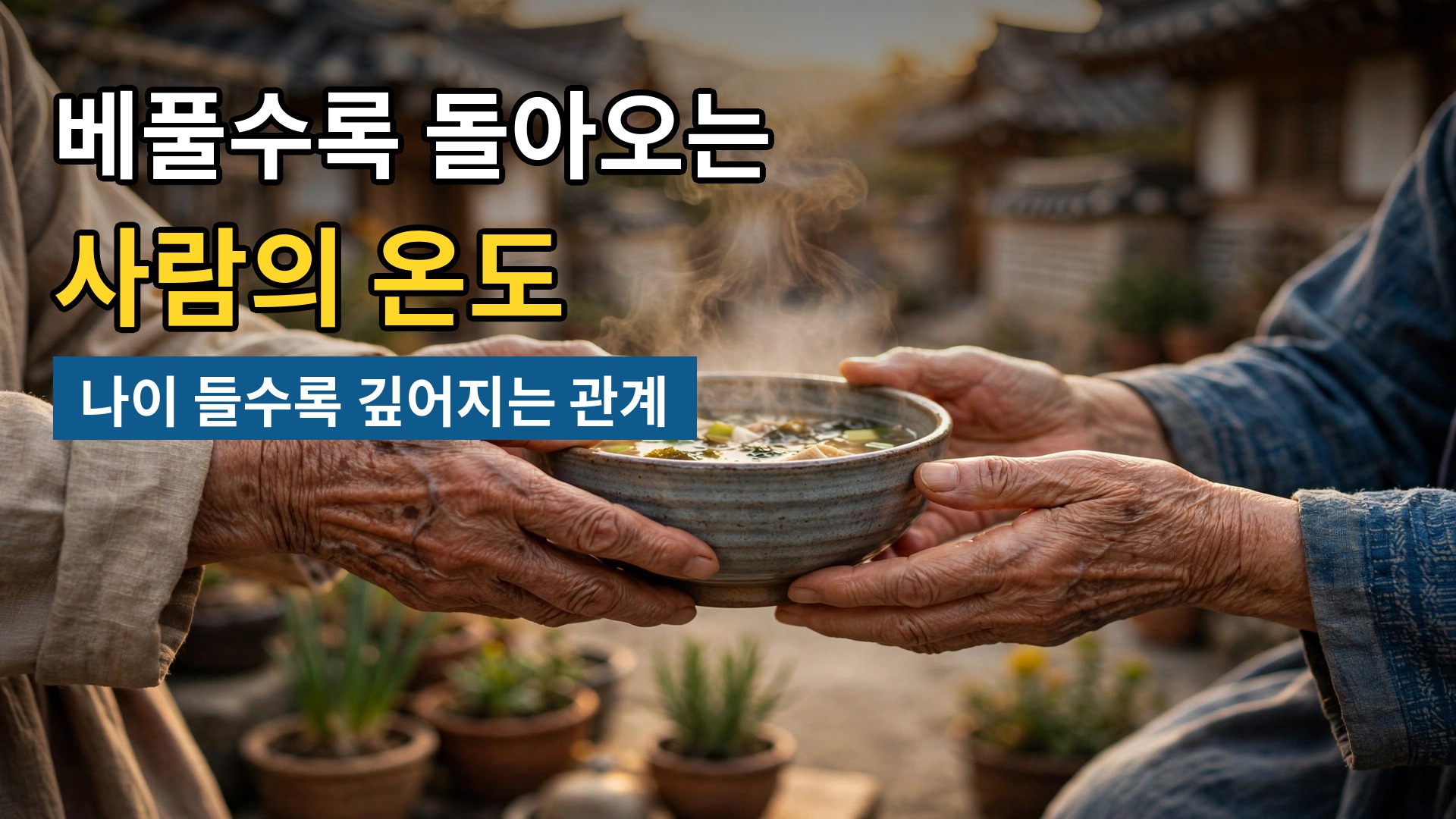
- 나이 들수록 이 세 사람만 남기세요 — 정약용이 유배지에서 깨달은 인간관계 3가지
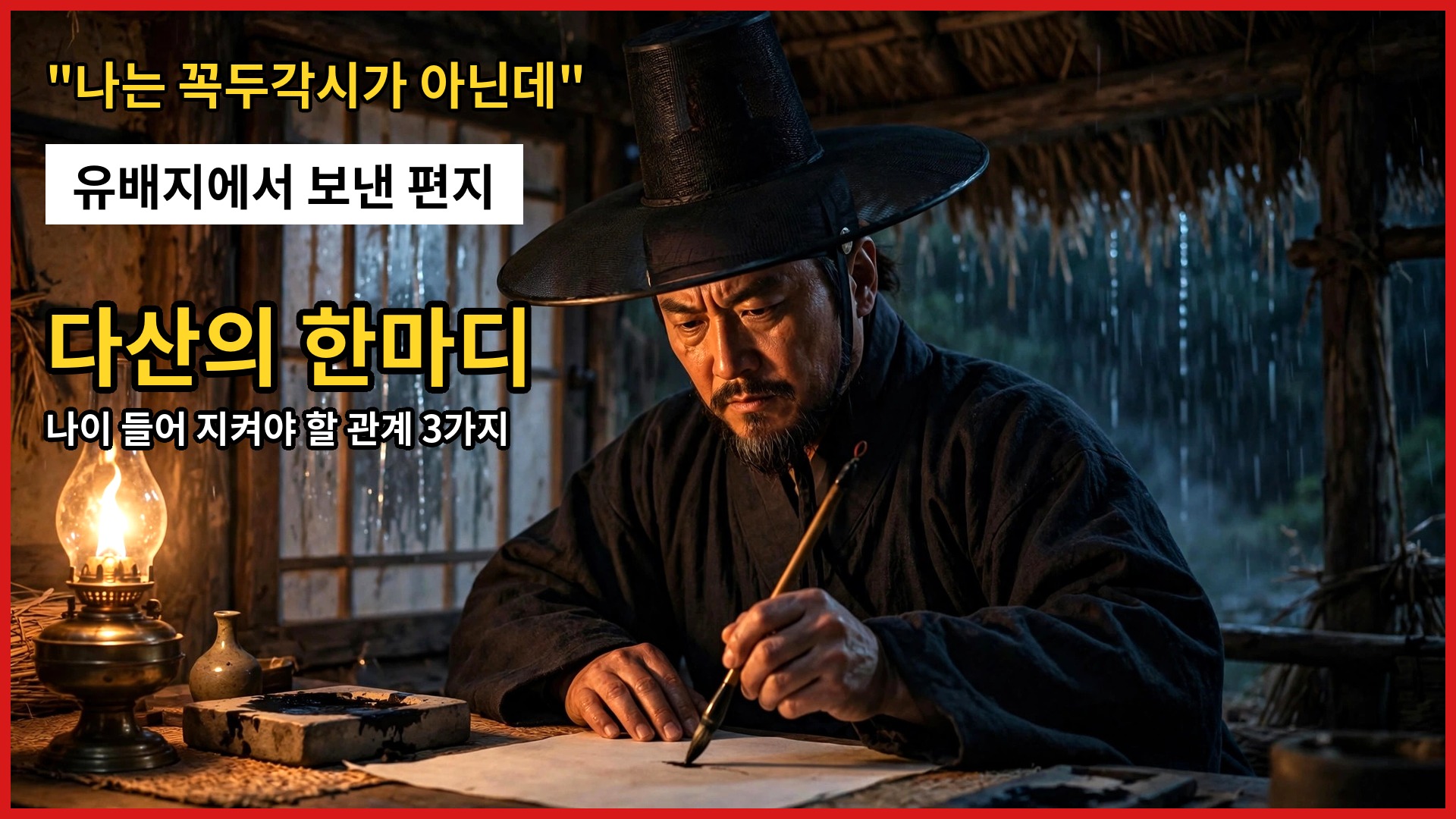
- 18년 유배에도 사람을 미워하지 않은 남자 — 다산 정약용의 인간관계 3가지
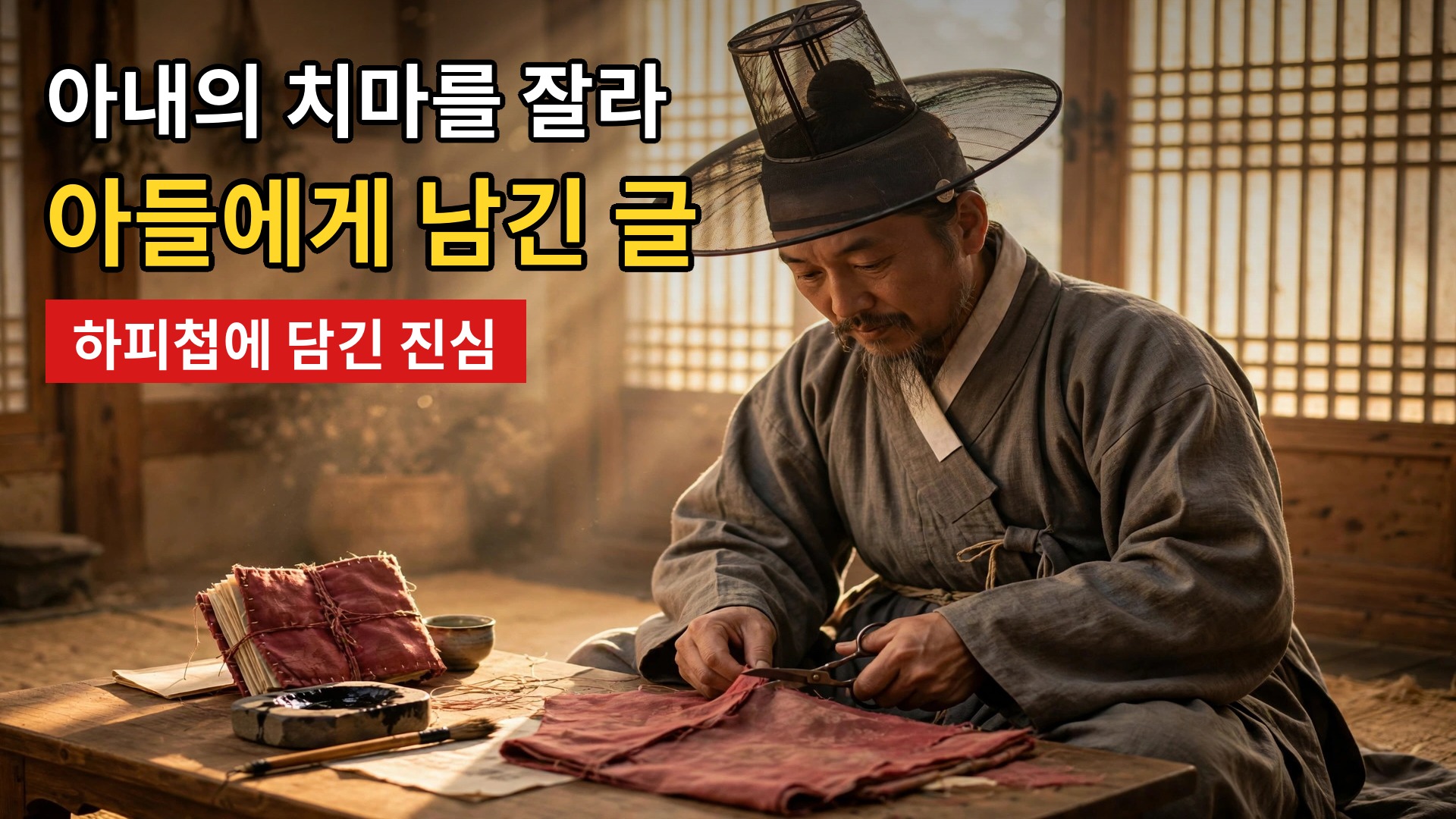
- 늙어서까지 남의 눈치 보며 살 건가요 — 정약용이 아들에게 남긴 한마디
🎙️ 대본 (약 30분 · Vrew 양식)
📋 Vrew '텍스트로 영상 만들기'에 그대로 붙여넣으세요. 한 줄 = 한 문장 = 한 클립·한 자막 양식입니다.
안녕하세요, 위로집입니다.
오늘도 하루 수고 많으셨습니다.
창밖으로 가을이 깊어갑니다.
낙엽이 지는 것처럼, 우리 곁의 사람도 하나둘 줄어드는 계절입니다.
오늘 위로집이 준비한 이야기는 나이 들어 지켜야 할 인간관계에
대한 이야기입니다.
끝까지 들으시면 마음이 한결 가벼워지실 겁니다.
예전엔 연락이 끊이지 않던 친구들이 어느 날부터 소식이 뜸해지고,
명절에도 자식들 얼굴 보기가 쉽지 않고,
"내 곁에 누가 남을까" 하는 생각이 밤마다 마음을 무겁게 합니다.
혼자 먹는 저녁이 유난히 길게 느껴지는 날이 있습니다.
텔레비전을 켜 두어도 집 안은 조용하고,
전화벨이 울리면 괜히 반가운 마음이 먼저 듭니다.
젊을 때는 미처 몰랐습니다.
사람이 곁에 있다는 것이 얼마나 큰 위로였는지 말입니다.
나이가 들수록 관계는 양보다 깊이로 가늠하게 됩니다.
많이 아는 사이보다 마음을 나눌 수 있는 한 사람이 더
귀해지는 때가 온 것입니다.
젊을 때는 사람이 모이는 게 당연했습니다.
직장 동료, 이웃, 친구, 부르면 모이고,
모이면 웃었습니다.
그런데 어느 날 문득 돌아보니 전화번호는 많은데
마음을 터놓을 사람은 몇 안 됩니다.
휴대전화 속 주소록은 길어졌는데
정작 속마음을 털어놓을 이름은 손에 꼽습니다.
경조사에서 얼굴을 비추는 사람은 많아도,
아픈 날 죽을 끓여 올 사람은 드뭅니다.
그래서 나이 들수록 우리는 묻게 됩니다.
누가 남았는가가 아니라,
누구와 마음을 나눌 수 있는가를.
친구가 줄어드는 데는 이유가 있습니다.
은퇴하면 만날 자리가 줄고,
몸이 예전 같지 않아 약속이 부담스러워집니다.
먼저 연락하기가 민망해지고,
그러다 보면 1년이 훌쩍 갑니다.
하지만 다산은 말합니다.
사람이 줄어드는 것은 관계가 정리되는 것이라고.
정리된 자리에 진짜가 남습니다.
줄어드는 것이 모두 잃는 것은 아닙니다.
바람이 불면 떨어지는 잎이 있지만,
가지에 남는 열매는 더 단단해집니다.
관계도 그렇습니다.
세월이 걸러낸 자리에 남는 사람은 화려하지 않아도 깊습니다.
그 깊이를 알아보는 눈이 생기는 것,
그것이 나이 듦이 주는 선물입니다.
다산의 18년 유배가 그것을 증명했습니다.
벼슬도, 재산도, 곁에 있던 사람도 한꺼번에 사라진 자리였습니다.
그 자리에서 다산이 끝내 놓지 않은 것이 사람이었습니다.
그는 그 기나긴 세월 속에서 멀어진 이를 원망하지 않는 법을 배웠습니다.
대신 남은 인연을 더 깊이 품는 법을 배운 것입니다.
관계가 하루아침에 무너져 내리는 경험은 나이 든 우리에게도
낯설지 않습니다.
그래서 오늘 이야기가 먼 옛날일기처럼 들리지 않는 것입니다.
모든 것을 잃은 자리에서 그는 사람을 얻는 법을 배웠습니다.
오늘 이 영상을 클릭하신 당신은 아마 그런 마음이셨을 겁니다.
다산이 아들들에게 평생 반복한 가르침의 핵심은 이것입니다.
작은 이익에 흔들리지 말고, 근본을 지키라는 것.
유배지에서 보낸 편지마다 이 당부가 담겨 있습니다.
오늘 이야기는 이렇게 이어집니다.
200년 전 조선의 실학자 정약용,
다산이 남긴 인간관계 3가지입니다.
왜 하필 다산일까요.
다산은 인간관계의 모든 것을 잃어본 사람입니다.
벼슬을 잃고, 형제를 잃고,
18년 동안 가족과 떨어져 살았습니다.
그런데도 그는 사람을 미워하지 않았습니다.
오히려 편지로, 책으로, 더 많은 사람을 품었습니다.
잃어본 사람의 말이 가장 깊이 와닿는 법입니다.
다산의 삶은 순탄한 날보다 꺾인 날이 더 많았습니다.
젊은 날의 영광은 짧았고,
이어진 세월은 기다림의 연속이었습니다.
그럼에도 그의 글에는 사람을 향한 온기가 식지 않았습니다.
상처가 그를 차갑게 만들지 못한 것입니다.
오히려 그는 잃어본 사람만이 알 수 있는 마음으로,
남의 외로움까지 헤아리는 글을 남겼습니다.
그래서 그의 이야기는 지금의 우리에게도 남의 일처럼 들리지 않습니다.
정약용, 1762년에 태어나 1836년에 세상을 떠났습니다.
자 미용, 호 다산, 본관은 나주입니다.
젊어서는 정조의 총애를 받은 천재였습니다.
1789년 문과에 급제하고,
수원 화성을 쌓을 때는 거중기를 고안했습니다.
무거운 돌을 들어 올리는 도르래 장치,
그 발상이 다산의 것이었습니다.
하지만 1800년, 정조가 세상을 떠나자 다산의 운명도 꺾입니다.
1801년 신유박해로 전라도 강진에 유배됩니다.
그 유배가 무려 18년이었습니다.
1801년부터 1818년까지,
마흔에 끌려가 쉰일곱에 풀려났습니다.
한창 일할 나이에 끌려가,
돌아올 때는 머리가 희어진 뒤였습니다.
남 같으면 원망과 체념으로 무너졌을 시간입니다.
그러나 다산은 그 시간을 헛되이 보내지 않았습니다.
읽고, 쓰고, 가르치며 유배지를 공부방으로 바꾸어 놓았습니다.
잃은 세월을 탓하는 대신 남은 세월을 채우는 쪽을 택한 것입니다.
다산에게는 형제가 있었습니다.
셋째 형 정약종은 신유박해 때 목숨을 잃었고,
둘째 형 정약전은 흑산도로 유배되었습니다.
하루아침에 집안이 무너진 겁니다.
그 와중에 다산은 두 아들,
학연과 학유에게 수많은 편지를 썼습니다.
공부해라, 바르게 살아라,
편지마다 담긴 아버지의 간절한 마음.
유배지의 다산은 외로웠습니다.
서울의 벗들과는 편지 한 통 나누기도 어려웠고,
강진의 낯선 땅에서 말을 섞을 사람조차 귀했습니다.
그래서 그는 붓을 들었습니다.
편지로 아들들을 가르치고, 책으로 후세를 가르쳤습니다.
사람이 없을 때 다산은 글을 사람 삼았습니다.
편지가 닿기까지 며칠이 걸리던 시절이었습니다.
그래도 다산은 기다리며 썼고, 또 기다리며 읽었습니다.
종이 위에 마음을 적어 보내는 일은 그에게 사람을 만나는 일과
다르지 않았습니다.
멀리 있어도 마음은 닿을 수 있다는 것을 그는 편지로 보여주었습니다.
몸이 묶여 있어도 정은 오갈 수 있다는 것도 함께 보여주었습니다.
오늘의 우리에게도 그 마음은 그대로 닿습니다.
자주 만나지 못하는 날이 많아져도 안부를 묻는 마음까지
멀어질 필요는 없습니다.
유배 중에도 둘째 형 약전과는 편지로 학문을 논했습니다.
멀리 떨어져 있어도 글로 마음을 나눈 형제였습니다.
다산의 인간관계를 보여주는 일화가 있습니다.
어느 날 저녁, 주막집 노파가 다산에게 물었습니다.
아버지를 중히 여기고 어머니를 가볍게 여기는 성인들의
가르침이 편파적이지 않느냐는 질문이었습니다.
다산은 옛책에 의거해 추상적으로 답했습니다.
그러자 노파가 이렇게 말했습니다.
아버지와 어머니의 차이를 나무의 종자와 풀의 토양에 비유하며
자연의 이치를 설명한 겁니다.
다산은 지극히 오묘한 진리가 노파에게서 나와서 크게 놀랐고,
공경하는 마음이 일었다고 고백했습니다.
둘째 형 약전은 답신에서 이렇게 평했습니다.
"모두 새로운 견문이니,
사람을 깨닫게 하고 정신을 맑게 하네." 신분을 가리지 않고
배운 다산, 그게 그의 인간관계였습니다.
1810년, 유배 10년째 되던 해의 일입니다.
아내 홍씨가 낡은 치마 다섯 폭을 보내왔습니다.
시집올 때 입었던 붉은 비단 치마였습니다.
다산은 그 치마를 잘랐습니다.
잘라낸 천으로 작은 첩을 만들어 두 아들에게 주는 가르침을 적었습니다.
이것이 유명한 하피첩입니다.
지금은 보물로 지정되어 국립민속박물관에 보관되어 있습니다.
첩에 적힌 두 글자는 근과 검, 부지런할 근,
검소할 검.
18년 동안 떨어져 살면서도 부부는 편지와 가르침으로
마음을 나눈 겁니다.
그리고 유배가 풀리던 해인 1818년,
다산은 목민심서를 완성합니다.
지방관이 지켜야 할 마음가짐을 적은 책,
12편 72조의 행정지침서입니다.
부임, 율기, 봉공, 애민, 이전, 호전, 예전, 병전,
형전, 공전, 진황, 해관.
열두 편 모두 사람을 대하는 법입니다.
그중 율기는 자신을 다스리는 편, 봉공은 윗사람을 섬기는 편,
애민은 백성을 사랑하는 편입니다.
사람을 다스리는 책이지만,
사실은 사람을 대하는 책입니다.
1836년, 다산은 아내 홍씨와 회혼일을 맞았습니다.
결혼한 지 60년이 되는 해였습니다.
하지만 그 60년을 해로했다고만 말하기는 어렵습니다.
부부는 18년 동안 떨어져 살았습니다.
다산이 아내에게 보낸 시에는 이런 구절이 있습니다.
"살아 이별, 죽어 이별에 사람은 늙어만 가네." 그리고
회혼일 아침, 다산은 세상을 떠났습니다.
사람을 잃고도 사람을 미워하지 않은 남자,
오늘은 그가 남긴 인간관계 3가지를 꺼내봅니다.
첫째, 진심으로 대하십시오.
다산의 진심을 보여주는 물건이 있습니다.
1810년, 아내가 보내온 붉은 치마로 만든 하피첩입니다.
다산은 하피첩 서문에 이렇게 적었습니다.
"내가 강진에서 귀양살이하고 있는데
병든 아내가 낡은 치마 다섯 폭을 보내왔다." "그것은 시집올
때 가져온 붉은 치마이다." "붉은빛은 이미 바랬고
첩으로 쓰기에 알맞았다." "이를 잘라 작은 첩을 만들어
훈계의 말을 지어 두 아들에게 전한다." 아내의 치마를
잘라 아들들에게 가르침을 적은 아버지, 그 간절함이 진심입니다.
다산은 하피첩에 두 글자를 적었습니다.
경직의방, 공경할 경, 곧을 직, 의로울 의,
바를 방.
마음은 공경으로 곧게 하고 일은 의로움으로 바르게 하라는 뜻입니다.
주역 곤괘의 말씀을 줄인 것입니다.
그리고 두 글자를 더 주었습니다.
부지런할 근, 검소할 검.
재물보다 소중한 유산이라고 했습니다.
진심은 말이 아니라 행동으로 증명됩니다.
다산의 편지에는 받는 사람을 생각하는 마음이 담겼습니다.
아들에게는 아버지의 간절함을,
형에게는 학문의 기쁨을 담았습니다.
같은 붓이지만 받는 이에 따라 마음이 달랐습니다.
우리도 마찬가지입니다.
자식에게는 걱정이 아닌 응원을, 친구에게는 평가가 아닌 공감을,
배우자에게는 잔소리가 아닌 고마움을.
예를 들어 이런 경우가 있습니다.
자식에게 전화해서 "너는 왜 연락을 안 하니" 하고
원망부터 꺼내는 경우가 있습니다.
며느리 흉을 친구에게 늘어놓거나,
옆집 소식을 흉보는 경우도 있습니다.
진심은 원망이 아닙니다.
원망은 전하고 싶은 마음이 뒤집힌 모습일 때가 많습니다.
서운하다는 말 뒤에는 사실 알아달라는 마음이 숨어 있습니다.
그 마음을 그대로 풀어내면 말은 한결 부드러워집니다.
다그치는 말 대신 솔직한 마음을 건네는 것,
그것이 진심을 전하는 첫걸음입니다.
듣는 사람도 방어할 필요가 없어지니 대화의 문이 열립니다.
닫힌 문을 여는 열쇠는 큰소리가 아니라 진심입니다.
말 한마디를 건네기 전에 그 마음부터 들여다보십시오.
진심은 꾸밈없이 건네는 따뜻함입니다.
"건강하니, 밥은 먹었니." 짧은 안부 한마디가 긴 원망보다
멀리 갑니다.
말은 나이를 먹지 않습니다.
오래전에 들은 따뜻한 말 한마디가 지금도 마음을 데워줍니다.
반대로 무심코 던진 말 한마디도 오래 남아 가슴을 찌릅니다.
그래서 나이 들수록 말의 무게를 아는 사람이 대접을 받습니다.
화가 날 때일수록 한 박자 늦게 말하고,
서운할 때일수록 부드럽게 전하는 연습이 필요합니다.
그 연습이 쌓이면 곁에 머무는 사람도 늘어납니다.
부부 사이도 마찬가지입니다.
18년을 떨어져 산 다산 부부는 원망 대신 가르침을 나누었습니다.
그 마음이 200년을 건너왔습니다.
친구 사이도 마찬가지입니다.
험담은 잠깐은 시원하지만,
결국 내 마음을 갉아먹습니다.
남의 흉을 보는 입은 언젠가 내 흉도 봅니다.
말은 한 번 나가면 돌아오지 않습니다.
내뱉은 말은 다시 주울 수 없습니다.
반대로 삼킨 말은 나를 지킵니다.
하고 싶은 말을 다 하지 않아도 관계는 이어집니다.
오히려 여백이 있는 말,
다그치지 않는 말이 상대의 마음을 열게 합니다.
다산이 편지를 쓰며 몇 번이고 고쳐 읽었을 마음을 떠올려 보십시오.
전하고 싶은 마음이 클수록 말은 더 골라서 써야 합니다.
나이 들수록 말은 짧아지고 진심은 깊어져야 합니다.
누가 들어도 부끄럽지 않은 말만 남기십시오.
하루에 한 번, 따뜻한 말을 건네는 연습을 해보십시오.
아침에 일어나 배우자에게, 전화기 너머 자식에게,
마주치는 이웃에게.
부부 사이에 꼭 필요한 말 세 가지가 있습니다.
"미안해", "고마워", "사랑해".
어색하시다고요.
다산 부부는 18년을 편지로만 마음을 나눴습니다.
얼굴 보고 말할 수 있는 지금이 얼마나 귀한 시간인지,
다산이 우리에게 일깨워줍니다.
오늘 저녁, 배우자에게 "고마워" 한마디 건네보십시오.
이 가르침을 삶에 적용하는 방법 세 가지를 제안합니다.
첫째, 말을 하기 전에 3초만 멈추십시오.
이 말이 상대의 가슴에 어떻게 닿을지 스스로에게 물어보는 겁니다.
둘째, 원망이 올라올 때는 안부로 바꾸십시오.
"왜 연락 안 하니" 대신 "잘 지내니" 한마디.
셋째, 하루를 마치며 오늘 한 말을 돌아보십시오.
부끄러운 말이 있었다면 내일은 조금 더 따뜻하게.
그것이 다산이 말한 첫 번째 인간관계입니다.
둘째, 베풀고 나누십시오.
목민심서에는 애민, 백성을 사랑하는 편이 있습니다.
그 첫머리에 여섯 가지가 나옵니다.
양로, 자유, 진궁, 애상, 관질, 구재.
노인을 봉양하고, 어린이를 보살피고, 가난한 이를 구제하고,
상을 당한 이를 돕고, 병자를 돌보고,
재난을 당한 이를 구하는 일입니다.
다산은 이렇게 썼습니다.
"노인을 봉양하는 예가 없어지면 백성이 효도할 줄 모르게 되니,
목민이 된 자는 이를 행하지 않을 수 없다." 원문은 목민심서
애민편 양로조에 있습니다.
다산은 80세 이상 노인을 먼저 초청하라고 했습니다.
어르신을 먼저 챙긴 겁니다.
다산은 애민 6조의 바탕이 주례의 보식육정이라고 밝혔습니다.
옛 성현의 가르침을 이어받아 여섯 가지로 정리한 겁니다.
200년 전에도, 2000년 전에도,
사람을 돌보는 마음은 같았습니다.
관직에 있는 사람에게 한 말이지만,
나이 든 우리에게도 같은 울림입니다.
이 여섯 가지를 우리 삶에 대입해봅니다.
양로, 부모님을 봉양했던 기억을 떠올리십시오.
이제는 봉양받는 입장이지만,
마음만은 나눌 수 있습니다.
부모님께 받았던 사랑을 이제는 자식과 손주에게 흘려보내는 겁니다.
자유, 손주를 돌보는 일입니다.
손주와 보내는 한 시간이 그 아이의 평생 기억이 됩니다.
함께 읽은 동화 한 권,
함께 걸은 골목 한 바퀴가 유산입니다.
진궁, 어려운 이웃을 돕는 일입니다.
옆집 혼자 사는 어르신께 반찬 한 가지를 나누는 일입니다.
거창하지 않아도 됩니다.
김치 한 접시가 인연의 시작입니다.
애상, 상을 당한 이웃을 찾아가는 일입니다.
빈소에 다녀오는 발걸음이 위로가 됩니다.
"힘내십시오" 한마디가 유족의 가슴에 남습니다.
관질, 아픈 친구를 문병하는 일입니다.
"괜찮아지실 겁니다" 한마디가 약이 됩니다.
병문안을 다녀온 뒤의 마음은 오히려 찾아간 사람이 더 따뜻해집니다.
구재, 재난을 당한 이를 돕는 일입니다.
수해 소식이 들리면 작은 정성을 보태는 일,
그 마음이 모여 큰 힘이 됩니다.
여섯 가지 모두 결국 같은 마음으로 모입니다.
곁에 있는 사람의 아픔을 내 일처럼 여기는 마음입니다.
그 마음이 있는 집안과 동네는 살 만한 곳이 됩니다.
다산이 꿈꾼 세상도 그런 세상이었을 것입니다.
목민심서의 애민은 결국 이웃 사랑이었습니다.
멀리 있는 백성이 아니라 곁에 있는 사람을 돌보는 마음,
그것이 다산의 가르침입니다.
나눔은 돌고 돕니다.
오늘 내가 건넨 온기가 내일 나에게 돌아옵니다.
다산이 유배지에서 받은 것도 사람들의 온기였습니다.
베푸는 사람이 외롭지 않습니다.
예를 들어 이런 경우가 있습니다.
손주에게 용돈을 쥐여주며 "할머니는 괜찮다"고 웃는 분,
이웃의 아픈 소식을 듣고 죽 한 그릇을 끓여 나르는 분.
주는 사람은 잃는 게 아니라 얻는 겁니다.
마음의 자리를 얻는 겁니다.
목민심서 율기편은 이렇게 말합니다.
자신을 먼저 다스리라는 것.
청렴하고 검소하게, 명예와 부를 탐내지 말고 살라는 가르침입니다.
관직에 있는 사람에게 한 말이지만,
관계에도 똑같이 적용됩니다.
나를 다스리지 못하면 남을 대할 때 흔들립니다.
감정에 휘둘려 쏘아붙이고,
외로움에 못 이겨 매달립니다.
먼저 나를 바로 세우는 것,
그것이 좋은 관계의 시작입니다.
나눔에는 신기한 힘이 있습니다.
준 사람은 잊어도 받은 사람은 잊지 않습니다.
다산이 유배지에서 받은 것도 나눔이었습니다.
아내가 보내온 치마, 이웃의 따뜻한 마음.
받는 것도 관계입니다.
받는 것을 부끄러워하지 마십시오.
고맙게 받는 것도 관계를 잇는 예의입니다.
누군가의 호의를 기쁘게 받아들이면 건넨 사람의 마음도 따뜻해집니다.
주고받는 일은 빚을 만드는 일이 아닙니다.
마음이 오가는 길을 트는 일입니다.
그 길이 트여 있어야 외로운 날 서로를 찾을 수 있습니다.
나이 들어 받는 것이 미안하시다면,
고맙다는 말 한마디로 답하십시오.
"고마워"라는 말도 나눔입니다.
다산은 목민심서 자서에 이렇게 썼습니다.
"백성을 부양하는 것을 가리켜 목이라 한 것은 성현이
남긴 뜻이다." 기른다는 것, 돌본다는 것,
그게 사람을 대하는 본분이라는 뜻입니다.
다산에게 애민은 제도가 아니라 마음이었습니다.
법전에 적힌 조문이 아니라 사람을 향한 태도였습니다.
나이 들어 가진 게 줄었다고 느끼실 때,
오히려 나눌 것을 찾아보십시오.
작은 나눔이 큰 인연을 부릅니다.
나누는 손은 절대 비지 않습니다.
나눔은 꼭 거창한 것이어야 하지 않습니다.
먼저 건네는 인사, 자리를 양보하는 마음,
안부를 묻는 전화가 모두 나눔입니다.
받는 사람의 하루를 환하게 만들기도 하고,
때로는 오래된 서운함을 녹이기도 합니다.
베풀 수 있다는 것은 아직 내 삶에 나눌 것이 남아
있다는 뜻이기도 합니다.
그 사실을 확인하는 것만으로도 마음은 한결 든든해집니다.
그것이 다산이 말한 두 번째 인간관계입니다.
셋째, 사람을 가려 사귀십시오.
다산이 아들에게 보낸 편지 중에 이런 대목이 있습니다.
아들이 유배에서 풀려나게 지인들에게 편지를 넣어보라고 권하자,
다산은 이렇게 야단쳤습니다.
"나는 꼭두각시가 아닌데
너는 무엇 때문에 나를 그들의 장단에 춤추게 하려느냐."
"잗다란 일에 잽싸게 다른 사람에게 꼬리를 흔들며 애걸하고 산다면,
만약 나라에 외침이 있어 난리가 터질 때 임금을 배반하고
적군에 투항하지 않을 사람이 몇이나
있겠느냐." 작은 이익 때문에 앞뒤 가리지 않고
행동하지 말라는 가르침입니다.
다산은 덧붙였습니다.
"조그만 이익 때문에 앞뒤 가리지 않고
마구 행동하란 말이냐. 마음을 크게 먹고 걱정 말고
세월을 기다리는 것이 마땅하다." 이익에 밝은 시대에
다산의 편지는 근본을 지키라고 말합니다.
아들의 청탁 권유를 단호히 거절한 아버지,
그 마음이 편지 한 줄에 담겼습니다.
청탁으로 풀려난 유배와 떳떳하게 기다린 유배는 다릅니다.
다산은 후자를 택했습니다.
자식에게 부끄럽지 않은 아버지로 남고 싶었던 겁니다.
나이 들어서도 마찬가지입니다.
이익으로 맺은 인연은 이익이 끝나면 끝납니다.
예를 들어 이런 경우가 있습니다.
"저 집 아들이 출세했다더라" 하며 다가오는 사람,
"돈이 좀 생겼다더라" 하며 붙는 사람, 경조사에만 얼굴을 비추는 사람.
그런 관계에는 꼬리를 흔들지 마십시오.
친구 사이의 돈거래도 조심하십시오.
빌려주고 못 받으면 돈도 잃고 사람도 잃습니다.
정말 도와주고 싶다면 돌려받지 않아도 되는 만큼만,
주는 마음으로 건네십시오.
마음을 크게 먹고 기다리십시오.
진짜 인연은 조용히 옵니다.
조건 없이 곁에 머무는 사람, 말하지 않아도 마음이 편한 사람,
그런 사람을 가까이 두십시오.
목민심서 이전편에는 아전을 다루는 법이 나옵니다.
"그들을 불러다놓고 자세하게 묻고
상세하게 배워 그 농간을 살펴야 한다." 어려운 사람을 만났을 때
무작정 끊기보다 지혜롭게 살피라는 가르침입니다.
가려 사귄다는 것은 무조건 멀리한다는 뜻이 아닙니다.
목민심서 봉공편에는 윗사람을 대하는 법이 나옵니다.
거짓 없이 받들되 아첨하지는 말라는 가르침입니다.
나이 들어서도 마찬가지입니다.
잘 보이는 사람에게만 잘하고 못 보이는 사람을 무시하면
관계는 기울어집니다.
진짜 인연은 어떻게 알아볼까요.
다산의 편지가 힌트를 줍니다.
첫째, 조건 없이 곁에 머무는 사람입니다.
내가 잘될 때만 나타나는 사람이 아니라 힘들 때도 자리를
지키는 사람입니다.
둘째, 말하지 않아도 마음이 편한 사람입니다.
애쓰지 않아도 되는 관계가 좋은 관계입니다.
셋째, 나를 더 나은 사람으로 만드는 사람입니다.
만나고 나면 마음이 따뜻해지는 사람,
그런 사람을 가까이 두십시오.
가짜 인연을 정리하는 것이 진짜 인연을 지키는 길입니다.
정리한다고 해서 서운해할 필요는 없습니다.
멀어진 인연에는 그만한 사정이 있고,
남는 인연에는 그만한 이유가 있습니다.
억지로 붙잡은 관계는 서로를 지치게 할 뿐입니다.
놓을 사람을 놓고 나면 마음에 빈자리가 생기고,
그 자리로 더 좋은 인연이 들어옵니다.
나이 들어 친구가 줄어드는 것은 슬픈 일이 아니라 자연스러운 일입니다.
남는 사람이 진짜입니다.
그러니 줄어든 숫자에 마음을 쓰기보다 남은 사람의
이름을 떠올려 보십시오.
그 이름들이 지금 당신의 삶을 지탱하는 기둥입니다.
기둥은 많지 않아도 집은 섭니다.
깊이 뿌리내린 인연 몇이면 충분합니다.
그 기둥을 소중히 여기는 것이 나이 들어 관계를 지키는 지혜입니다.
조급해하지 마십시오.
다산은 18년을 기다린 사람입니다.
유배가 풀리기를 기다린 것이 아닙니다.
뒷세상이 알아주기를 기다린 겁니다.
그것이 다산의 호 사암, 뒷세상을 기다린다는 뜻입니다.
좋은 인연도 기다리면 옵니다.
기다림은 손을 놓고 있는 것이 아닙니다.
내 마음을 가다듬고, 건넬 말을 준비하며,
다가올 인연을 맞을 자리를 비워 두는 일입니다.
그렇게 준비된 기다림은 결코 헛되지 않습니다.
마음을 크게 먹는다는 것은 조급함을 내려놓는다는 뜻입니다.
자식이 잘되기를 바라는 마음, 친구가 먼저 연락해주기를 바라는 마음,
그 바람이 조급함이 되면 관계는 무거워집니다.
기다린다는 것은 포기한다는 뜻이 아닙니다.
믿고 기다리는 겁니다.
기다림에도 방법이 있습니다.
먼저 연락하는 것을 두려워하지 마십시오.
거절당할까 봐 미리 마음을 닫으면 인연은 오지 않습니다.
마음의 문을 열어두고 기다리는 것,
그것이 다산의 기다림이었습니다.
서두르면 가짜가 붙고, 기다리면 진짜가 남습니다.
관계를 정리한다는 것은 차갑게 등을 돌린다는 뜻이 아닙니다.
내 마음이 다치지 않을 거리를 지키는 일이고,
남은 시간을 소중한 사람에게 더 쓰겠다는 다짐입니다.
멀어진 사람을 붙잡느라 오늘 곁에 있는 사람을 놓치지 마십시오.
정작 마음을 나눌 사람은 멀리 있지 않습니다.
오늘 내 안부를 반가워할 그 사람이 바로 진짜 인연입니다.
그것이 다산이 말한 세 번째 인간관계입니다.
오늘 다산의 세 가지를 다시 마음에 새겨봅니다.
말 한마디를 아끼고, 손 한 번을 내밀고,
사람 한 번을 가려보는 것.
거창한 지혜가 아닙니다.
매일의 작은 실천입니다.
세 가지를 한꺼번에 다 해내려 애쓰지 않으셔도 됩니다.
오늘은 따뜻한 말 한마디, 내일은 작은 나눔 하나,
그렇게 하루에 하나씩이면 충분합니다.
작은 실천이 쌓이면 어느새 곁에 머무는 사람들이 달라져 있을 것입니다.
다산도 하루아침에 그런 사람이 된 것이 아닙니다.
긴 세월이 그를 그렇게 만들었습니다.
정리해봅니다.
첫째, 진심으로 대하십시오.
누가 보아도 부끄럽지 않은 말을 남기십시오.
둘째, 베풀고 나누십시오.
주는 사람이 외롭지 않습니다.
셋째, 사람을 가려 사귀십시오.
이익 앞에서는 고개를 숙이지 마십시오.
다산은 18년 유배를 마치고
고향으로 돌아와 여유당이라 이름 지은 집에서 만년을 보냈습니다.
여유당은 겨울 강을 건너듯 조심하고
홀로 있을 때도 스스로를 단정히 한다는 뜻을 담은 이름입니다.
남이 보지 않아도 스스로를 바르게 세우는 삶,
그것이 다산의 만년이었습니다.
다산은 딸에게도 그림 한 점을 주었습니다.
매화 가지 위에 새 두 마리가 앉은 매조도,
지금은 고려대학교 박물관에 소장되어 있습니다.
아들에게는 글로, 딸에게는 그림으로.
자식에게 남기는 것은 돈이 아니라 마음이었습니다.
자신의 묘지명도 스스로 썼습니다.
1822년 회갑 때 쓴 자찬묘지명,
세상을 떠나기 14년 전의 일입니다.
거기에 호를 사암이라 적었습니다.
사암은 뒷세상을 기다린다는 뜻입니다.
당대는 알아주지 않아도 뒷세상이 알아주리라는 믿음.
그리고 실제로 그렇게 되었습니다.
우리는 200년 뒤에서 다산의 편지를 읽고 있습니다.
그의 기다림은 헛되지 않았습니다.
편지 한 통이 200년을 건넜습니다.
당신이 오늘 건넨 따뜻한 말 한마디도 누군가의 평생 기억이 됩니다.
자식의 가슴에, 친구의 마음에 남는 겁니다.
목민심서는 200년이 지난 지금도 읽힙니다.
여유당전서는 154권 76책,
우리나라에서 가장 방대한 개인 문집 중 하나입니다.
그가 편지로 가르친 아들들은 아버지의 가르침을 가슴에 품고 살았습니다.
장남 학연, 차남 학유.
사람을 대하는 법도 마찬가지입니다.
오늘 뿌린 진심은 내일, 모레, 먼 훗날에 돌아옵니다.
오늘의 한마디를 마음에 새겨봅니다.
"나는 꼭두각시가 아닌데
너는 무엇 때문에 나를 그들의 장단에 춤추게 하려느냐."
다산이 아들에게 보낸 편지의 한 구절입니다.
누구의 장단에도 맞추지 말고 내 걸음으로 걸으라는 뜻입니다.
나이 들어 인간관계가 정리되는 것은 끝이 아니라 시작입니다.
진짜만 남는 시간, 그 시간의 주인은 당신입니다.
다산의 18년이 그랬듯이,
당신의 시간도 당신의 것입니다.
오늘 이야기를 들으시며 떠오르는 얼굴이 있으실 겁니다.
오래 연락하지 못한 친구, 서운함 때문에 멀어진 자식,
고맙다는 말을 미처 전하지 못한 사람.
그 얼굴이 떠올랐다면 아직 늦지 않았습니다.
관계는 마음이 닿는 순간 다시 시작됩니다.
다산의 편지가 그러했습니다.
다산도 나이를 먹었습니다.
유배 18년, 그 세월이 그를 단단하게 했습니다.
나이 듦은 잃는 것만이 아닙니다.
가려내는 눈을 얻는 것입니다.
사람을 잃고도 사람을 미워하지 않은 남자,
그가 남긴 세 가지가 오늘 당신의 저녁을 조금은 따뜻하게 하길 바랍니다.
인간관계에 정답은 없습니다.
하지만 다산의 세 가지는 200년을 건너온 답입니다.
진심으로 대하고, 베풀고 나누고,
사람을 가려 사귀는 것.
오늘부터 하나씩 실천해보십시오.
다산의 편지가 그랬듯이,
당신의 진심도 누군가에게 닿습니다.
시간이 걸릴 뿐입니다.
오늘 밤, 문득 떠오르는 사람이 있다면 짧게라도 안부를 건네보십시오.
거창한 말이 아니어도 좋습니다.
잘 지내느냐는 짧은 인사가 누군가에게는 오래 기다린 소식이
될 수 있습니다.
관계는 그렇게 다시 이어집니다.
서두르지 않아도 됩니다.
다산의 편지가 긴 세월을 건너 우리에게 닿았듯이,
당신의 진심도 반드시 닿을 곳에 닿습니다.
당신의 안부도 누군가에게는 긴 기다림 끝에 닿는 편지입니다.
마음이 많이 지치신 분께 한 말씀 드립니다.
외로움이 깊어 잠 못 이루는 밤이 있다면,
혼자 끙끙 앓지 마시고 자살예방 상담전화 109번을 기억해주십시오.
24시간, 언제든 당신의 이야기를 들어줍니다.
당신은 혼자가 아닙니다.
오늘도 끝까지 들어주셔서 감사합니다.
위로집이었습니다.
🖼️ 이미지 프롬프트 (대본 순서대로)
📋 Vrew 나레이션 재생 중 띄울 배경 이미지용. 따뜻한 힐링 일러스트 스타일.
# 위로집 15번 이미지 프롬프트 (70개)
# 대본: ~/workspace/goals/wirojip-youtube-long-form-pipeline/packages/topic-15-script-v2.txt
# 기준: 영문, 각 400자 이상(공백 포함·줄바꿈 제외), photorealistic/16:9/no text 필수
# 배치: 앞 20장 = 대본 첫 ~2,100자 구간 집중(60~70자 간격), 뒤 50장 = 나머지 구간 균등 배치

## 1. 따뜻한 오프닝 인사 (나레이션: "안녕하세요, 위로집입니다.")
A warm Korean living room at dawn, a senior Korean woman in her late 60s smiling gently while holding a warm ceramic teacup with both hands, delicate steam rising in golden morning lamplight, a window behind her showing a soft pastel sunrise sky, a cozy wooden table with a small vase of fresh wildflowers, calm welcoming atmosphere, healing documentary photography style, shallow depth of field, warm cinematic light on her kind wrinkled face and neatly tied gray hair, ethnically Korean with natural Korean facial features, must unmistakably read as Korean, not Chinese or Japanese, wearing a comfortable beige cardigan, Photorealistic, 16:9 aspect ratio, no text, no letters, no watermark

## 2. 오늘의 이야기, 인간관계 (나레이션: "오늘 위로집이 준비한 이야기는 나이 들어 지켜야 할 인간관계에대한 이야기입니다.")
A quiet Korean living room in late autumn, a senior Korean woman in her 60s seated beside a wide window as golden ginkgo leaves drift down outside the glass, an open book resting on her lap and a thoughtful, tender expression on her face, warm afternoon light filling the room, a small potted plant and a cup of tea on the side table, the feeling of a story about the people who remain in our lives about to begin, healing documentary photography, shallow depth of field, ethnically Korean with natural Korean facial features, must unmistakably read as Korean, not Chinese or Japanese, wearing a soft knit cardigan, Photorealistic, 16:9 aspect ratio, no text, no letters, no watermark

## 3. 뜸해진 연락, 무거워지는 밤 (나레이션: "예전엔 연락이 끊이지 않던 친구들이 어느 날부터 소식이 뜸해지고,명절에도 자식들 얼굴 보기가 쉽지 않고,"내 곁에 누가 남을까" 하는 생각이 밤마다 마음을 무겁게 합니다.")
A dim Korean living room in the early evening, a senior Korean man in his late 60s sitting alone on a sofa and gazing at a silent smartphone on the table before him, the television glowing faintly in the background, framed photographs of old friends smiling together on a shelf behind him, a heavy quiet mood softened by warm lamplight, cinematic healing photography, shallow depth of field, ethnically Korean with natural Korean facial features, must unmistakably read as Korean, not Chinese or Japanese, wearing a worn cardigan, his weathered hands folded in his lap, Photorealistic, 16:9 aspect ratio, no text, no letters, no watermark

## 4. 혼자 먹는 긴 저녁 (나레이션: "혼자 먹는 저녁이 유난히 길게 느껴지는 날이 있습니다.")
A modest Korean dining table set for one person only, a single bowl of rice, a small plate of kimchi and a bowl of soup steaming quietly, an empty chair across the table, the blue glow of a television in the corner of a silent apartment at night, a senior Korean woman in her 60s eating slowly with a distant gaze, tender loneliness rendered with warmth rather than darkness, cinematic documentary photography, ethnically Korean with natural Korean facial features, must unmistakably read as Korean, not Chinese or Japanese, soft lamplight on her silver hair, Photorealistic, 16:9 aspect ratio, no text, no letters, no watermark

## 5. 전화벨이 반가운 집 (나레이션: "텔레비전을 켜 두어도 집 안은 조용하고,전화벨이 울리면 괜히 반가운 마음이 먼저 듭니다.")
A hushed Korean apartment living room at dusk, a landline phone and a smartphone resting on a side table suddenly lit up, a senior Korean man in his late 60s turning toward the sound with an unexpectedly bright, glad expression, warm lamplight pooling over a comfortable armchair and a knitted blanket, the quiet house coming alive at a single ring, healing cinematic photography, shallow depth of field, ethnically Korean with natural Korean facial features, must unmistakably read as Korean, not Chinese or Japanese, wearing a soft flannel shirt, Photorealistic, 16:9 aspect ratio, no text, no letters, no watermark

## 6. 곁에 있다는 위로 (나레이션: "사람이 곁에 있다는 것이 얼마나 큰 위로였는지 말입니다.")
Two senior Korean friends in their late 60s sitting side by side on a wooden park bench in gentle morning sunlight, sharing a thermos of warm tea and an easy, unhurried conversation, relaxed smiles and decades of familiarity between them, green trees and a quiet walking path behind them, healing documentary photography, warm natural light, shallow depth of field, ethnically Korean with natural Korean facial features, must unmistakably read as Korean, not Chinese or Japanese, both wearing comfortable casual jackets, Photorealistic, 16:9 aspect ratio, no text, no letters, no watermark

## 7. 깊이로 가늠하는 관계 (나레이션: "많이 아는 사이보다 마음을 나눌 수 있는 한 사람이 더귀해지는 때가 온 것입니다.")
An intimate Korean tea table scene, a senior Korean woman in her late 60s and her one dear friend of many years leaning in close over two cups of tea, speaking quietly with warm, trusting expressions, soft window light wrapping the small room, a vase of seasonal flowers between them, the depth of a single heartfelt bond rather than a crowd, healing cinematic photography, shallow depth of field, ethnically Korean with natural Korean facial features, must unmistakably read as Korean, not Chinese or Japanese, gentle wrinkles and silver hair, Photorealistic, 16:9 aspect ratio, no text, no letters, no watermark

## 8. 부르면 모이던 젊은 날 (나레이션: "직장 동료, 이웃, 친구, 부르면 모이고,모이면 웃었습니다.")
A warm nostalgic scene of young Korean coworkers and friends in the 1980s laughing together around a low table at a small neighborhood restaurant, period Korean hairstyles and simple shirts of the era, bowls and shared dishes between them, cigarette-free cheerful energy, everyone leaning in with open laughter, golden evening light through the window, photorealistic retro documentary style, unmistakably Korean faces and Korean street signs blurred unreadable in the background, Photorealistic, 16:9 aspect ratio, no text, no letters, no watermark

## 9. 길어진 주소록, 꼽히는 이름 (나레이션: "휴대전화 속 주소록은 길어졌는데정작 속마음을 털어놓을 이름은 손에 꼽습니다.")
A close-up of a senior Korean man's weathered hands holding a smartphone, his thumb paused over a long scrolling list of contacts on the screen shown as soft blurred shapes without readable letters, his face reflected faintly in the dark glass with a pensive expression, warm side light from a table lamp, a quiet room behind him, cinematic healing photography, shallow depth of field, ethnically Korean with natural Korean facial features, must unmistakably read as Korean, not Chinese or Japanese, the mood of searching for one name he can truly open his heart to, Photorealistic, 16:9 aspect ratio, no text, no letters, no watermark

## 10. 아픈 날의 죽 한 그릇 (나레이션: "경조사에서 얼굴을 비추는 사람은 많아도,아픈 날 죽을 끓여 올 사람은 드뭅니다.")
A kind Korean neighbor woman in her 60s carrying a warm bowl of rice porridge on a small tray through a quiet residential alley at dusk, walking toward the gate of an old friend who is ill, steam rising gently from the bowl, porch lights glowing warmly along the lane, a scene of care that shows up on hard days, healing documentary photography, soft cinematic light, ethnically Korean with natural Korean facial features, must unmistakably read as Korean, not Chinese or Japanese, wearing a padded vest over a blouse, Photorealistic, 16:9 aspect ratio, no text, no letters, no watermark

## 11. 친구가 줄어드는 이유 (나레이션: "친구가 줄어드는 데는 이유가 있습니다.")
A retired senior Korean man in his late 60s sitting quietly at home beside a wall calendar and an untouched telephone, a pair of reading glasses resting on a closed notebook, soft afternoon light through lace curtains, the stillness of days after retirement when meeting places disappear, rendered tenderly rather than bleakly, healing documentary photography, shallow depth of field, ethnically Korean with natural Korean facial features, must unmistakably read as Korean, not Chinese or Japanese, wearing a neat home cardigan, Photorealistic, 16:9 aspect ratio, no text, no letters, no watermark

## 12. 먼저 연락하기 민망한 손 (나레이션: "먼저 연락하기가 민망해지고,그러다 보면 1년이 훌쩍 갑니다.")
A senior Korean woman in her late 60s holding a smartphone in both hands, her thumb hovering without pressing, a hesitant and slightly embarrassed expression as she looks at an old friend's number on the blurred screen, warm evening lamplight in a cozy living room, a cup of tea gone lukewarm beside her, cinematic healing photography, shallow depth of field, ethnically Korean with natural Korean facial features, must unmistakably read as Korean, not Chinese or Japanese, capturing the small courage it takes to call first, Photorealistic, 16:9 aspect ratio, no text, no letters, no watermark

## 13. 관계의 정리 (나레이션: "사람이 줄어드는 것은 관계가 정리되는 것이라고.")
A majestic old Korean maple tree in late autumn gracefully shedding its leaves in the soft afternoon wind, each falling leaf glowing amber in the sunlight, an elderly Korean couple walking hand in hand along the leaf-carpeted path beneath, a few leaves still clinging to the branches and shining brightest, symbolizing how relationships are pruned and only the true ones remain, peaceful and hopeful atmosphere, cinematic wide shot, Korean ethnicity couple who must unmistakably read as Korean, Photorealistic, 16:9 aspect ratio, no text, no letters, no watermark

## 14. 가지에 남는 열매 (나레이션: "바람이 불면 떨어지는 잎이 있지만,가지에 남는 열매는 더 단단해집니다.")
A Korean persimmon tree in late autumn after most of its leaves have fallen, a few firm orange persimmons still holding fast to the bare branches against a clear cold sky, a traditional tiled roof and a quiet village lane below, soft golden afternoon light, a visual metaphor for the true people who remain after the seasons sort a life, serene cinematic nature photography, rich warm tones, no people, Photorealistic, 16:9 aspect ratio, no text, no letters, no watermark

## 15. 나이 듦이 주는 선물 (나레이션: "그 깊이를 알아보는 눈이 생기는 것,그것이 나이 듦이 주는 선물입니다.")
A senior Korean woman in her early 70s standing by a bright window with a serene, discerning gaze, her eyes carrying the calm wisdom of someone who can now recognize what truly matters, soft morning light illuminating her silver hair and gentle wrinkles, a quiet room with books and a small plant behind her, healing documentary portrait photography, shallow depth of field, ethnically Korean with natural Korean facial features, must unmistakably read as Korean, not Chinese or Japanese, wearing an elegant muted blouse, Photorealistic, 16:9 aspect ratio, no text, no letters, no watermark

## 16. 모든 것을 잃은 자리 (나레이션: "벼슬도, 재산도, 곁에 있던 사람도 한꺼번에 사라진 자리였습니다.")
A humble room in a rural exile cottage in Gangjin during the Joseon dynasty, a Korean scholar in his 40s wearing a plain undyed hanbok and a worn gat hat, sitting alone on the floor before a low desk with brushes and stacked books, everything of rank and wealth stripped away, a single shaft of daylight entering through a paper window, solemn yet dignified atmosphere, photorealistic historical drama still, muted earthy tones, unmistakably Korean Joseon-era clothing and interior, Photorealistic, 16:9 aspect ratio, no text, no letters, no watermark

## 17. 원망하지 않는 법을 배우다 (나레이션: "그는 그 기나긴 세월 속에서 멀어진 이를 원망하지 않는 법을 배웠습니다.")
A Joseon dynasty scholar in exile writing calmly at a low wooden desk by the light of a small oil lamp at night, his brush moving steadily over paper filled with abstract brush strokes, a composed and forgiving expression on his face despite the humble room around him, books and an ink stone arranged neatly beside him, photorealistic historical drama photography, warm lamp glow against deep shadows, unmistakably Korean Joseon-era hanbok and gat hat, Photorealistic, 16:9 aspect ratio, no text, no letters, no watermark

## 18. 무너진 관계 앞의 오후 (나레이션: "관계가 하루아침에 무너져 내리는 경험은 나이 든 우리에게도낯설지 않습니다.")
A senior Korean man in his late 60s sitting alone at a dining table in the quiet aftermath of a family argument, an empty chair pushed back across from him, two untouched teacups cooling on the table, late afternoon light falling across his thoughtful, regretful face, a familiar and painful moment for many older hearts, rendered with tenderness, healing documentary photography, ethnically Korean with natural Korean facial features, must unmistakably read as Korean, not Chinese or Japanese, wearing a simple sweater, Photorealistic, 16:9 aspect ratio, no text, no letters, no watermark

## 19. 잃은 자리에서 사람을 얻다 (나레이션: "모든 것을 잃은 자리에서 그는 사람을 얻는 법을 배웠습니다.")
A Joseon dynasty scholar in exile teaching a small group of village children and young students in the yard of a humble cottage in Gangjin, the children seated on a straw mat listening eagerly as he gestures toward an open book, warm afternoon sunlight, a persimmon tree overhead, a man who lost everything finding people again through teaching, photorealistic historical drama photography, unmistakably Korean Joseon-era clothing, gat hat and hanbok, Photorealistic, 16:9 aspect ratio, no text, no letters, no watermark

## 20. 아들들에게 반복한 가르침 (나레이션: "다산이 아들들에게 평생 반복한 가르침의 핵심은 이것입니다.")
A close view over the shoulder of a Joseon dynasty scholar writing a letter to his distant sons, his brush moving across paper covered in soft abstract calligraphy strokes that carry no readable words, an ink stone and folded letters arranged on the low desk, lamplight warming his concentrated profile and gat hat, the devotion of a father teaching through letters across eighteen years of separation, photorealistic historical drama photography, unmistakably Korean Joseon-era setting, Photorealistic, 16:9 aspect ratio, no text, no letters, no watermark

## 21. 머리 희어져 돌아온 길 (나레이션: "한창 일할 나이에 끌려가,돌아올 때는 머리가 희어진 뒤였습니다.")
An aging Joseon dynasty scholar with graying hair and beard walking slowly along a country road toward his hometown after eighteen years of exile, a small bundle of books on his back, morning mist over rice fields and distant tiled roofs, his plain hanbok worn and faded, a quiet mixture of sorrow and relief on his face, photorealistic historical drama photography, soft dawn light, unmistakably Korean Joseon-era clothing and landscape, Photorealistic, 16:9 aspect ratio, no text, no letters, no watermark

## 22. 흩어진 형제들 (나레이션: "셋째 형 정약종은 신유박해 때 목숨을 잃었고,둘째 형 정약전은 흑산도로 유배되었습니다.")
A somber Joseon dynasty coastal scene, two Korean scholar brothers in hanbok and gat hats parting at a harbor, one boarding a wooden boat bound for a distant island through gray waves, the other standing on the shore watching, overcast sea light, grief restrained with dignity, photorealistic historical drama photography, muted blue-gray tones, unmistakably Korean Joseon-era clothing, boats and shoreline village in the background, Photorealistic, 16:9 aspect ratio, no text, no letters, no watermark

## 23. 편지와 책으로 가르치다 (나레이션: "편지로 아들들을 가르치고, 책으로 후세를 가르쳤습니다.")
A Joseon dynasty scholar in exile seated at a low desk piled high with handwritten manuscripts and bound books, brush in hand and several finished letters folded neatly beside an ink stone, afternoon light through a lattice window falling across the pages of abstract brush strokes, a one-man study created in the middle of exile, photorealistic historical drama photography, warm quiet tones, unmistakably Korean Joseon-era hanbok, gat hat and interior, Photorealistic, 16:9 aspect ratio, no text, no letters, no watermark

## 24. 안부를 묻는 마음 (나레이션: "자주 만나지 못하는 날이 많아져도 안부를 묻는 마음까지멀어질 필요는 없습니다.")
A senior Korean woman in her late 60s sitting in a sunlit living room and smiling warmly as she holds a smartphone to her ear, catching up with an old friend she has not met in months, a vase of flowers and a family photograph on the shelf behind her, the simple truth that affection need not fade just because meetings grow rare, healing documentary photography, warm natural light, ethnically Korean with natural Korean facial features, must unmistakably read as Korean, not Chinese or Japanese, wearing a soft pastel blouse, Photorealistic, 16:9 aspect ratio, no text, no letters, no watermark

## 25. 노파의 질문 (나레이션: "아버지를 중히 여기고 어머니를 가볍게 여기는 성인들의가르침이 편파적이지 않느냐는 질문이었습니다.")
An elderly Korean village woman of the Joseon dynasty in a plain hemp hanbok with her hair in a neat bun, standing at the yard of a roadside inn and asking a question with fearless, curious eyes, a traveling scholar in a gat hat listening before her, earthen walls and a thatched roof behind them, warm late-day light, photorealistic historical drama photography, unmistakably Korean Joseon-era clothing and rural inn setting, Photorealistic, 16:9 aspect ratio, no text, no letters, no watermark

## 26. 신분 가리지 않고 배우다 (나레이션: ""모두 새로운 견문이니,사람을 깨닫게 하고 정신을 맑게 하네." 신분을 가리지 않고배운 다산, 그게 그의 인간관계였습니다.")
A Joseon dynasty scholar in a gat hat bowing his head slightly with genuine respect as he listens to an elderly village woman speaking at an inn yard, his earlier pride replaced by wonder, the old woman gesturing calmly as she explains the ways of nature, earthen jars and a thatched roof in the background, warm afternoon light, photorealistic historical drama photography, unmistakably Korean Joseon-era clothing and expressions of humble learning, Photorealistic, 16:9 aspect ratio, no text, no letters, no watermark

## 27. 보물이 된 하피첩 (나레이션: "지금은 보물로 지정되어 국립민속박물관에 보관되어 있습니다.")
A small antique booklet made from faded red silk cloth displayed in a softly lit museum case, its aged pages filled with delicate abstract brush strokes, a pair of white-gloved hands of a curator resting beside it, deep quiet gallery tones with a single warm spotlight, the humble cloth letter of an exiled father now treasured as a national heritage, photorealistic museum photography, shallow depth of field, no people facing the camera, Photorealistic, 16:9 aspect ratio, no text, no letters, no watermark

## 28. 사람을 대하는 법, 목민심서 (나레이션: "열두 편 모두 사람을 대하는 법입니다.")
A Joseon dynasty local magistrate seated at a wide desk in a government office, studying a thick administrative volume filled with abstract brush strokes, clerks standing respectfully at a distance, wooden pillars and a lattice door behind him, morning light entering the hall, a book about governing that is truly a book about treating people, photorealistic historical drama photography, unmistakably Korean Joseon-era official robe, hat and office interior, Photorealistic, 16:9 aspect ratio, no text, no letters, no watermark

## 29. 회혼일 아침의 이별 (나레이션: ""살아 이별, 죽어 이별에 사람은 늙어만 가네." 그리고회혼일 아침, 다산은 세상을 떠났습니다.")
A quiet scholar's room at dawn in a Joseon dynasty house, a low desk holding a folded length of faded red silk skirt cloth beside an ink stone and a resting brush, soft first light entering through the paper window on the morning of a sixtieth wedding anniversary, profound tenderness and farewell held in stillness, no people, photorealistic historical drama photography, muted warm tones, unmistakably Korean Joseon-era interior, Photorealistic, 16:9 aspect ratio, no text, no letters, no watermark

## 30. 치마를 잘라 만든 첩 (나레이션: ""내가 강진에서 귀양살이하고 있는데병든 아내가 낡은 치마 다섯 폭을 보내왔다." "그것은 시집올때 가져온 붉은 치마이다." "붉은빛은 이미 바랬고첩으로 쓰기에 알맞았다." "이를 잘라 작은 첩을 만들어훈계의 말을 지어 두 아들에게 전한다." 아내의 치마를잘라 아들들에게 가르침을 적은 아버지, 그 간절함이 진심입니다.")
A close view of a Joseon dynasty scholar's hands carefully cutting a faded red silk skirt cloth with large iron scissors on a low desk, small folded paper booklets waiting beside the cloth, lamplight warming the worn silk and his ink-stained fingers, a father's devotion turning his wife's skirt into lessons for his sons, abstract brush strokes only on nearby papers, photorealistic historical drama photography, unmistakably Korean Joseon-era setting, Photorealistic, 16:9 aspect ratio, no text, no letters, no watermark

## 31. 경직의방, 마음을 곧게 (나레이션: "마음은 공경으로 곧게 하고 일은 의로움으로 바르게 하라는 뜻입니다.")
A Joseon dynasty scholar sitting perfectly upright at a low desk, copying large bold calligraphy strokes onto a fresh sheet of paper with deep concentration, the characters rendered as abstract ink shapes, his spine straight and his expression resolute, a plain study with a single orchid plant on the sill, morning light, photorealistic historical drama photography, unmistakably Korean Joseon-era hanbok and gat hat, the posture of a heart kept upright, Photorealistic, 16:9 aspect ratio, no text, no letters, no watermark

## 32. 받는 이에 따라 다른 마음 (나레이션: "같은 붓이지만 받는 이에 따라 마음이 달랐습니다.")
A Joseon dynasty scholar's low desk arranged with two different letters in progress, one beside a small bundle of books meant for a brother and one beside a child's wooden toy meant for his sons, the scholar pausing with brush raised and a thoughtful expression, lamplight and stacked papers around him, the same brush carrying a different heart for each reader, photorealistic historical drama photography, unmistakably Korean Joseon-era setting, Photorealistic, 16:9 aspect ratio, no text, no letters, no watermark

## 33. 진심은 원망이 아니다 (나레이션: "진심은 원망이 아닙니다.")
A senior Korean woman in her late 60s holding a smartphone, pausing and taking a slow breath with her eyes gently closed before she speaks to her adult child, the frustration on her face softening into honesty, warm evening light in a quiet living room, a family photo on the wall behind her, cinematic healing photography, shallow depth of field, ethnically Korean with natural Korean facial features, must unmistakably read as Korean, not Chinese or Japanese, capturing the moment complaint turns back into love, Photorealistic, 16:9 aspect ratio, no text, no letters, no watermark

## 34. 말하기 전에 마음을 들여다보다 (나레이션: "말 한마디를 건네기 전에 그 마음부터 들여다보십시오.")
A senior Korean man in his early 70s sitting in quiet morning reflection with one hand resting over his heart and his eyes lowered, a cup of tea steaming untouched beside him, soft daylight through the window of a calm living room, the pause before words are chosen with care, healing documentary photography, shallow depth of field, ethnically Korean with natural Korean facial features, must unmistakably read as Korean, not Chinese or Japanese, wearing a neat cardigan, deep wrinkles and a gentle expression, Photorealistic, 16:9 aspect ratio, no text, no letters, no watermark

## 35. 한 박자 늦게 말하는 부부 (나레이션: "화가 날 때일수록 한 박자 늦게 말하고,서운할 때일수록 부드럽게 전하는 연습이 필요합니다.")
A senior Korean couple in their late 60s seated across a small dining table, the husband listening calmly with his hands folded while his wife speaks, tension dissolving into patience between them, warm lamplight and two bowls of soup on the table, a home where hard words are slowed down on purpose, healing documentary photography, ethnically Korean with natural Korean facial features, must unmistakably read as Korean, not Chinese or Japanese, both in comfortable home clothes, expressions softening, Photorealistic, 16:9 aspect ratio, no text, no letters, no watermark

## 36. 돌아오지 않는 말 (나레이션: "말은 한 번 나가면 돌아오지 않습니다.")
A poetic symbolic scene at dawn: small birds taking flight from the slightly parted lips of an elderly Korean man's silhouette, the birds scattering into a vast bright sky never to return, representing words once spoken that can never be taken back, solemn and beautiful visual metaphor, cinematic wide shot with soft morning light, Korean ethnicity silhouette who must unmistakably read as Korean, Photorealistic, 16:9 aspect ratio, no text, no letters, no watermark

## 37. 부끄럽지 않은 말만 남기다 (나레이션: "누가 들어도 부끄럽지 않은 말만 남기십시오.")
A senior Korean woman in her late 60s standing at the low gate of her house and greeting a passing neighbor with a warm, courteous smile and a slight bow, morning sunlight on a quiet residential lane, flower pots lined along the wall, words chosen so they could be heard by anyone without shame, healing documentary photography, ethnically Korean with natural Korean facial features, must unmistakably read as Korean, not Chinese or Japanese, wearing a tidy blouse and cardigan, Photorealistic, 16:9 aspect ratio, no text, no letters, no watermark

## 38. 배우자에게 건네는 고마워 (나레이션: "오늘 저녁, 배우자에게 "고마워" 한마디 건네보십시오.")
A senior Korean husband in his late 60s handing his wife a warm cup of tea across the dinner table with a slightly shy, grateful smile, his wife looking up at him touched and pleased, simple home dishes between them, golden evening light filling their small dining room, a single word of thanks warming fifty years of marriage, healing documentary photography, ethnically Korean with natural Korean facial features, must unmistakably read as Korean, not Chinese or Japanese, cozy and tender atmosphere, Photorealistic, 16:9 aspect ratio, no text, no letters, no watermark

## 39. 오늘의 말을 돌아보는 밤 (나레이션: "부끄러운 말이 있었다면 내일은 조금 더 따뜻하게.")
A senior Korean man in his late 60s sitting in a bedside chair at night with a closed notebook resting on his lap, reflecting quietly on the words he spoke that day, a warm reading lamp glowing beside him, his wife already asleep peacefully in the background, calm resolve on his face to speak more warmly tomorrow, healing documentary photography, soft night tones, ethnically Korean with natural Korean facial features, must unmistakably read as Korean, not Chinese or Japanese, wearing soft pajamas and a cardigan, Photorealistic, 16:9 aspect ratio, no text, no letters, no watermark

## 40. 노인을 먼저 챙기라는 가르침 (나레이션: ""노인을 봉양하는 예가 없어지면 백성이 효도할 줄 모르게 되니,목민이 된 자는 이를 행하지 않을 수 없다." 원문은 목민심서애민편 양로조에 있습니다.")
A Joseon dynasty village feast honoring the elders, a local magistrate in official robe respectfully offering a cup with both hands to a white-bearded village elder seated at the place of honor, other elderly villagers gathered around low tables under a large tree, warm afternoon light, reverence for age written into governance, photorealistic historical drama photography, unmistakably Korean Joseon-era clothing and village setting, Photorealistic, 16:9 aspect ratio, no text, no letters, no watermark

## 41. 사람을 돌보는 마음은 같다 (나레이션: "200년 전에도, 2000년 전에도,사람을 돌보는 마음은 같았습니다.")
A timeless Korean village scene at golden hour, neighbors of different generations caring for one another along a narrow lane, a young man carrying a bundle for an elderly woman while children greet her with bows, tiled roofs and a large zelkova tree overhead, the unchanging heart of looking after people across two thousand years, healing documentary photography, warm nostalgic light, unmistakably Korean village atmosphere, Photorealistic, 16:9 aspect ratio, no text, no letters, no watermark

## 42. 손주와 보내는 한 시간 (나레이션: "손주와 보내는 한 시간이 그 아이의 평생 기억이 됩니다.")
A Korean grandmother in her late 60s reading a picture book to her young grandchild on a sunny porch, the child leaning against her shoulder completely absorbed, then the warmth of a shared story filling the frame, bright natural light, flowers in the yard and a quiet street beyond, an hour together becoming a lifetime memory for the child, healing documentary photography, ethnically Korean with natural Korean facial features, must unmistakably read as Korean, not Chinese or Japanese, wearing a comfortable floral blouse, Photorealistic, 16:9 aspect ratio, no text, no letters, no watermark

## 43. 아픈 친구를 문병하다 (나레이션: "관질, 아픈 친구를 문병하는 일입니다.")
A senior Korean woman visiting her sick friend in a bright hospital room, holding her friend's hand warmly across the bed, both sharing a gentle brave smile, sunlight through the blinds, a small vase of flowers on the bedside table, comfort beyond medicine, deeply moving atmosphere, cinematic healing photography, Korean ethnicity women who must unmistakably read as Korean, Photorealistic, 16:9 aspect ratio, no text, no letters, no watermark

## 44. 살 만한 동네의 마음 (나레이션: "그 마음이 있는 집안과 동네는 살 만한 곳이 됩니다.")
A warm Korean residential neighborhood in the morning, senior neighbors greeting one another along a flower-lined lane, one woman sharing a small dish of side food with the house next door, laundry fluttering and cats resting in the sun, a village made livable by people who treat each other's pain as their own, healing documentary photography, bright warm light, unmistakably Korean homes and faces, ethnically Korean with natural Korean facial features, must unmistakably read as Korean, not Chinese or Japanese among the neighbors, Photorealistic, 16:9 aspect ratio, no text, no letters, no watermark

## 45. 죽 한 그릇을 나르는 마음 (나레이션: "손주에게 용돈을 쥐여주며 "할머니는 괜찮다"고 웃는 분,이웃의 아픈 소식을 듣고 죽 한 그릇을 끓여 나르는 분.")
A senior Korean woman in her late 60s walking carefully through a quiet alley carrying a covered pot of warm porridge wrapped in a cloth for a sick neighbor, gentle steam escaping at the rim, her expression full of unhurried kindness, morning light on old fences and flower pots, giving without display and receiving a place in another's heart, healing documentary photography, ethnically Korean with natural Korean facial features, must unmistakably read as Korean, not Chinese or Japanese, wearing a padded vest, Photorealistic, 16:9 aspect ratio, no text, no letters, no watermark

## 46. 먼저 나를 다스리다 (나레이션: "나를 다스리지 못하면 남을 대할 때 흔들립니다.")
A senior Korean man in his late 60s sitting in quiet meditation at dawn, his back straight and his hands resting calmly on his knees beside an open window, soft first light touching his composed face, a neatly arranged room behind him with books in order, governing his own heart before trying to hold any relationship, healing documentary photography, serene atmosphere, ethnically Korean with natural Korean facial features, must unmistakably read as Korean, not Chinese or Japanese, wearing a simple gray sweater, Photorealistic, 16:9 aspect ratio, no text, no letters, no watermark

## 47. 고맙게 받는 것도 예의 (나레이션: "고맙게 받는 것도 관계를 잇는 예의입니다.")
A senior Korean woman in her late 60s receiving a small basket of tangerines from a neighbor with both hands and a genuinely grateful, bright smile, the giver smiling back just as warmly, sunlight filling the doorway of a modest Korean home, receiving graciously as its own form of courtesy that keeps a relationship alive, healing documentary photography, ethnically Korean with natural Korean facial features, must unmistakably read as Korean, not Chinese or Japanese, wearing a tidy cardigan, Photorealistic, 16:9 aspect ratio, no text, no letters, no watermark

## 48. 기른다는 것, 돌본다는 것 (나레이션: ""백성을 부양하는 것을 가리켜 목이라 한 것은 성현이남긴 뜻이다." 기른다는 것, 돌본다는 것,그게 사람을 대하는 본분이라는 뜻입니다.")
A Joseon dynasty local magistrate walking among villagers in a farming village, personally handing a measure of grain to an elderly farmer's wife with both hands, clerks and villagers watching with trust, rice fields and tiled roofs behind them, leadership understood as raising and caring for people rather than ruling them, photorealistic historical drama photography, unmistakably Korean Joseon-era official robe and village setting, Photorealistic, 16:9 aspect ratio, no text, no letters, no watermark

## 49. 거창하지 않은 나눔 (나레이션: "나눔은 꼭 거창한 것이어야 하지 않습니다.")
A senior Korean man in his late 60s leaving a small bag of seasonal fruit hanging on the gate handle of his neighbor's house in the early morning, stepping away quietly before anyone notices, soft dawn light on a peaceful residential lane, sharing that needs no ceremony, just a first greeting, a yielded seat, a call to ask after someone, healing documentary photography, ethnically Korean with natural Korean facial features, must unmistakably read as Korean, not Chinese or Japanese, wearing a light jacket and cap, Photorealistic, 16:9 aspect ratio, no text, no letters, no watermark

## 50. 셋째, 사람을 가려 사귀라 (나레이션: "셋째, 사람을 가려 사귀십시오.")
A Joseon dynasty scholar teaching his young adult son at a low desk, one hand raised in firm instruction as the son listens with lowered head, a half-written letter and an ink stone between them, candlelight warming the small study, a father beginning the hardest lesson about choosing people carefully and never bowing to small profit, photorealistic historical drama photography, unmistakably Korean Joseon-era hanbok and gat hat, Photorealistic, 16:9 aspect ratio, no text, no letters, no watermark

## 51. 꼭두각시가 되지 마라 (나레이션: ""나는 꼭두각시가 아닌데너는 무엇 때문에 나를 그들의 장단에 춤추게 하려느냐.""잗다란 일에 잽싸게 다른 사람에게 꼬리를 흔들며 애걸하고 산다면,만약 나라에 외침이 있어 난리가 터질 때 임금을 배반하고적군에 투항하지 않을 사람이 몇이나있겠느냐." 작은 이익 때문에 앞뒤 가리지 않고행동하지 말라는 가르침입니다.")
A Joseon dynasty scholar writing a letter with a firm, unshaken expression by candlelight, and on the corner of his low desk a small traditional Korean wooden puppet figure lying set aside on its strings, the metaphor made visible, a father refusing to dance to anyone's tune for the sake of release from exile, photorealistic historical drama photography, dramatic warm candle glow, unmistakably Korean Joseon-era setting and clothing, Photorealistic, 16:9 aspect ratio, no text, no letters, no watermark

## 52. 자식에게 부끄럽지 않은 아버지 (나레이션: "자식에게 부끄럽지 않은 아버지로 남고 싶었던 겁니다.")
A Joseon dynasty scholar standing upright before a bright window at dawn, his plain hanbok neat and his posture straight, a calm and resolute expression as he faces another day of exile without bending, books and a folded letter on the desk behind him, the dignity of a father determined to remain someone his children need never be ashamed of, photorealistic historical drama photography, clear morning light, unmistakably Korean Joseon-era setting, Photorealistic, 16:9 aspect ratio, no text, no letters, no watermark

## 53. 경조사에만 비추는 얼굴 (나레이션: "그런 관계에는 꼬리를 흔들지 마십시오.")
A Korean ceremonial hall during a family event, several middle-aged acquaintances exchanging shallow, performative smiles and greeting envelopes near the entrance while barely knowing the family inside, bright banquet lighting and blurred guests in the background, relationships that appear only where profit or obligation calls, documentary photography with a quietly critical warmth, unmistakably Korean faces and modern Korean wedding-hall atmosphere, Photorealistic, 16:9 aspect ratio, no text, no letters, no watermark

## 54. 지혜롭게 살피는 법 (나레이션: ""그들을 불러다놓고 자세하게 묻고상세하게 배워 그 농간을 살펴야 한다." 어려운 사람을 만났을 때무작정 끊기보다 지혜롭게 살피라는 가르침입니다.")
A Joseon dynasty magistrate seated at his office desk listening carefully as two clerks report, his eyes sharp and his hand resting on documents filled with abstract brush strokes, wooden pillars and a bright lattice door behind him, dealing with difficult people not by cutting them off blindly but by examining them with wisdom, photorealistic historical drama photography, unmistakably Korean Joseon-era official robe, hat and office interior, Photorealistic, 16:9 aspect ratio, no text, no letters, no watermark

## 55. 조건 없이 곁에 머무는 사람 (나레이션: "첫째, 조건 없이 곁에 머무는 사람입니다.")
A senior Korean man in his late 60s sitting quietly at the bedside of his ill friend in a bright hospital room, simply being present with a book resting unopened on his lap, the friend resting peacefully, soft daylight through the window, the first mark of a true bond, someone who stays in the hard seasons without conditions, healing documentary photography, ethnically Korean with natural Korean facial features, must unmistakably read as Korean, not Chinese or Japanese, both men in their late 60s, tender stillness, Photorealistic, 16:9 aspect ratio, no text, no letters, no watermark

## 56. 가짜를 정리해야 진짜가 산다 (나레이션: "가짜 인연을 정리하는 것이 진짜 인연을 지키는 길입니다.")
A senior Korean woman in her late 60s calmly closing a thick old address book at her desk and looking out the window with peaceful resolve, soft afternoon light and a cup of tea beside her, letting go of ties that only drained her heart so the true ones can be protected, no bitterness on her face, healing documentary photography, shallow depth of field, ethnically Korean with natural Korean facial features, must unmistakably read as Korean, not Chinese or Japanese, wearing a muted cardigan, Photorealistic, 16:9 aspect ratio, no text, no letters, no watermark

## 57. 남는 사람이 진짜 (나레이션: "남는 사람이 진짜입니다.")
Two senior Korean friends in their early 70s walking slowly side by side along a tree-lined path, supporting each other with the ease of a fifty-year friendship, one carrying the other's light bag without being asked, warm late afternoon light through the leaves, the quiet proof that those who remain are the real ones, healing documentary photography, ethnically Korean with natural Korean facial features, must unmistakably read as Korean, not Chinese or Japanese, both in comfortable walking clothes, Photorealistic, 16:9 aspect ratio, no text, no letters, no watermark

## 58. 18년을 기다린 사람 (나레이션: "다산은 18년을 기다린 사람입니다.")
An elderly Korean man sitting peacefully on a riverbank at sunset, watching the wide river flow calmly, his reflection steady in the water, a fishing rod resting beside him untouched, patience and magnanimity in stillness, eighteen years of waiting distilled into one tranquil evening, breathtaking golden-hour landscape, cinematic wide shot, Korean riverside with distant mountains, Korean ethnicity man who must unmistakably read as Korean, Photorealistic, 16:9 aspect ratio, no text, no letters, no watermark

## 59. 조급함이 관계를 무겁게 할 때 (나레이션: "자식이 잘되기를 바라는 마음, 친구가 먼저 연락해주기를 바라는 마음,그 바람이 조급함이 되면 관계는 무거워집니다.")
A senior Korean woman in her late 60s glancing repeatedly at a silent smartphone on the table as she waits for her child's call, worry tightening her expression, then slowly softening as she sets the phone down and breathes, warm lamplight in a quiet living room, hopes turning heavy when they grow impatient, healing documentary photography, ethnically Korean with natural Korean facial features, must unmistakably read as Korean, not Chinese or Japanese, wearing a soft blouse, Photorealistic, 16:9 aspect ratio, no text, no letters, no watermark

## 60. 다치지 않을 거리를 지키다 (나레이션: "관계를 정리한다는 것은 차갑게 등을 돌린다는 뜻이 아닙니다.")
Two senior Korean friends chatting warmly across a low garden fence between their houses, each standing comfortably on their own side with cups of tea in hand, flowers blooming along the fence line, a kind distance kept on purpose so neither heart gets hurt and the remaining years go to the people who matter, healing documentary photography, bright warm light, ethnically Korean with natural Korean facial features, must unmistakably read as Korean, not Chinese or Japanese, relaxed, genuine smiles, Photorealistic, 16:9 aspect ratio, no text, no letters, no watermark

## 61. 세 가지를 마음에 새기다 (나레이션: "오늘 다산의 세 가지를 다시 마음에 새겨봅니다.")
A senior Korean man in his late 60s at a quiet morning table with a cup of tea and a small closed notebook before him, his eyes lowered in resolve as he takes three simple teachings to heart for the day, soft daylight filling the room, nothing grand, only a daily practice about to begin, healing documentary photography, shallow depth of field, ethnically Korean with natural Korean facial features, must unmistakably read as Korean, not Chinese or Japanese, wearing a neat sweater, Photorealistic, 16:9 aspect ratio, no text, no letters, no watermark

## 62. 긴 세월이 만든 사람 (나레이션: "다산도 하루아침에 그런 사람이 된 것이 아닙니다.")
An elderly Joseon dynasty scholar in his seventies with a white beard, seated peacefully in the study of his later years, surrounded by tall stacks of bound manuscripts that fill the room, late afternoon light softening the paper windows, a man shaped slowly by long years rather than made in a single day, photorealistic historical drama photography, unmistakably Korean Joseon-era scholar's hanbok and quiet, earned serenity, Photorealistic, 16:9 aspect ratio, no text, no letters, no watermark

## 63. 여유당, 홀로 단정히 (나레이션: "여유당은 겨울 강을 건너듯 조심하고홀로 있을 때도 스스로를 단정히 한다는 뜻을 담은 이름입니다.")
A quiet scholar's house beside a winter river in the Joseon dynasty era, bare trees and thin ice along the water, and inside the warm room an elderly scholar sitting perfectly upright and alone in tidy dress, keeping himself disciplined even when no one is watching, soft cold light outside and lamplight within, photorealistic historical drama photography, unmistakably Korean Joseon-era architecture, hanbok and winter landscape, Photorealistic, 16:9 aspect ratio, no text, no letters, no watermark

## 64. 스스로 쓴 묘지명 (나레이션: "자신의 묘지명도 스스로 썼습니다.")
A Joseon dynasty scholar on his sixtieth birthday seated at a low desk writing his own epitaph with a calm, accepting expression, a long manuscript of abstract brush strokes unrolled before him, family members respectfully absent from the quiet room, afternoon light and stacked books around him, a man composing the record of his own life fourteen years before its end, photorealistic historical drama photography, unmistakably Korean Joseon-era setting, Photorealistic, 16:9 aspect ratio, no text, no letters, no watermark

## 65. 평생 기억이 되는 한마디 (나레이션: "당신이 오늘 건넨 따뜻한 말 한마디도 누군가의 평생 기억이 됩니다.")
A middle-aged Korean son in his 40s sitting in his parents' old living room and reading a faded handwritten letter with a soft, moved smile, the paper covered in gentle abstract handwriting strokes, warm afternoon light and familiar furniture around him, a parent's warm words from long ago still warming his heart today, healing documentary photography, shallow depth of field, ethnically Korean with natural Korean facial features, must unmistakably read as Korean, not Chinese or Japanese, wearing a casual shirt, Photorealistic, 16:9 aspect ratio, no text, no letters, no watermark

## 66. 뿌린 진심은 돌아온다 (나레이션: "오늘 뿌린 진심은 내일, 모레, 먼 훗날에 돌아옵니다.")
A Korean postman in a warm uniform handing a long-awaited letter to a senior Korean woman at the gate of her house in bright morning light, her face opening into hopeful surprise as she takes it with both hands, a quiet residential lane and blooming flowers behind them, sincerity planted today returning across days and years, healing documentary photography, ethnically Korean with natural Korean facial features, must unmistakably read as Korean, not Chinese or Japanese, wearing a tidy blouse and vest, Photorealistic, 16:9 aspect ratio, no text, no letters, no watermark

## 67. 당신의 시간은 당신의 것 (나레이션: "다산의 18년이 그랬듯이,당신의 시간도 당신의 것입니다.")
A senior Korean man in his late 60s walking at his own steady pace along a sunrise country road, fields and low mountains glowing gold around him, his posture upright and his expression quietly self-possessed, no one else's rhythm to follow, the years ahead belonging to him, healing documentary photography, warm dawn light, ethnically Korean with natural Korean facial features, must unmistakably read as Korean, not Chinese or Japanese, wearing a light hiking jacket, Photorealistic, 16:9 aspect ratio, no text, no letters, no watermark

## 68. 잃는 것만이 아닌 나이 듦 (나레이션: "나이 듦은 잃는 것만이 아닙니다.")
A close portrait of a senior Korean woman in her early 70s with clear, discerning eyes and a faint knowing smile, autumn light falling across her silver hair by a window, the gaze of someone who has learned to tell what is real from what is not, a lifetime's discernment earned rather than lost, healing documentary portrait photography, shallow depth of field, ethnically Korean with natural Korean facial features, must unmistakably read as Korean, not Chinese or Japanese, wearing an elegant muted cardigan, Photorealistic, 16:9 aspect ratio, no text, no letters, no watermark

## 69. 오늘 밤, 안부를 건네다 (나레이션: "오늘 밤, 문득 떠오르는 사람이 있다면 짧게라도 안부를 건네보십시오.")
A senior Korean man in his late 60s sitting by a warm lamp at night and calling an old friend he suddenly remembered, his face brightening into a smile as the friend answers, the dark quiet room warming around the small pool of lamplight, a short greeting becoming long-awaited news for someone tonight, healing documentary photography, ethnically Korean with natural Korean facial features, must unmistakably read as Korean, not Chinese or Japanese, wearing comfortable home clothes, Photorealistic, 16:9 aspect ratio, no text, no letters, no watermark

## 70. 혼자가 아닌 밤, 109 (나레이션: "외로움이 깊어 잠 못 이루는 밤이 있다면,혼자 끙끙 앓지 마시고 자살예방 상담전화 109번을 기억해주십시오.")
A senior Korean woman in her late 60s sitting at night beside a softly glowing telephone on a small table, her hand resting near it with calm, reassured stillness rather than fear, the first gray light of dawn beginning at the window behind her, the quiet knowledge that someone will listen at any hour and that she is not alone, healing documentary photography, gentle warm tones, ethnically Korean with natural Korean facial features, must unmistakably read as Korean, not Chinese or Japanese, wearing a soft cardigan, Photorealistic, 16:9 aspect ratio, no text, no letters, no watermark
📄 설명란
나이 들수록 이 세 사람만 남기세요 — 정약용이 유배지에서 깨달은 인간관계 3가지
나이 들수록 곁의 사람이 줄어드는 것 같아 마음이 무거우신가요.
200년 전 18년의 유배를 살며 사람을 잃고도 사람을 미워하지 않은 남자,
다산 정약용이 남긴 인간관계 3가지를 전합니다.
첫째, 진심으로 대하십시오 — 아내의 붉은 치마를 잘라 아들들에게 가르침을 적은 하피첩의 간절함
둘째, 베풀고 나누십시오 — 『목민심서』 「애민」 6조 (양로·자유·진궁·애상·관질·구재)
셋째, 사람을 가려 사귀십시오 — "나는 꼭두각시가 아닌데" 아들에게 보낸 편지의 가르침
📌 오늘의 한마디
"나는 꼭두각시가 아닌데 너는 무엇 때문에 나를 그들의 장단에 춤추게 하려느냐"
(정약용, 아들에게 보낸 편지 — "잗다란 일에 잽싸게 다른 사람에게 꼬리를 흔들며 애걸하고 산다면, 만약 나라에 외침이 있어 난리가 터질 때 임금을 배반하고 적군에 투항하지 않을 사람이 몇이나 있겠느냐")
"養老之禮廢, 而民不興孝, 爲民牧者, 不可以不擧也"
(정약용, 『목민심서』 「애민」 양로조 — "노인을 봉양하는 예가 없어지면 백성이 효도할 줄 모르게 되니, 목민이 된 자는 이를 행하지 않을 수 없다")
✅ 팩트체크
- 정약용(丁若鏞): 1762년 ~ 1836년. 자 미용(美鏞), 호 다산(茶山), 본관 나주 (2026-10-11 위키백과 직접 검증, 영문 위키 교차 검증)
- 1789년 문과 급제, 수원 화성 축조 시 거중기 고안 (위키백과 '정약용')
- 1801년 신유박해로 전라도 강진에 유배 → 1818년(순조 18년) 해배, 유배 18년. 셋째 형 정약종(1760~1801) 신유박해 때 순교, 둘째 형 정약전 흑산도 유배 (2026-10-11 위키백과 직접 검증)
- 두 아들: 장남 정학연(丁學淵, 1783~1859), 차남 정학유(丁學游, 1786~1855) (위키백과 '정약용' 가계)
- 주막집 노파 일화: 다산이 둘째 형 정약전에게 보낸 편지에 실린 일화로, 노파의 비유에 감탄하고 공경하는 마음이 일었다고 고백 (제주대 고봉진 교수, 다음뉴스 2026-03-16)
- 하피첩(1810년): 아내 홍씨(풍산 홍씨)의 다홍치마를 잘라 가르침을 적은 첩. 보물 제1683-2호, 국립민속박물관 소장. 서문의 한글 번역은 이해를 돕기 위한 번역입니다. 첩의 가르침: 경직의방(敬直義方 — 마음은 공경으로 곧게, 일은 의로움으로 바르게), 근(勤)·검(儉) (2026-10-11 언론·위키백과 직접 검증)
- 목민심서: 1818년(순조 18년) 완성, 12편(부임·율기·봉공·애민·이전·호전·예전·병전·형전·공전·진황·해관) 72조, 『여유당전서』 권16~29 수록 (2026-10-11 위키백과 '목민심서' 직접 검증)
- 목민심서 「애민」 6조: 養老·慈幼·振窮·哀喪·寬疾·救災 (노인을 봉양하고, 어린이를 보살피고, 가난한 이를 구제하고, 상을 당한 이를 돕고, 병자를 돌보고, 재난을 당한 이를 구함). 애민 6조 서문은 『주례』 「지관사도」 대사도의 保息六政에서 따왔음을 밝힘. 양로조 원문 "養老之禮廢, 而民不興孝, 爲民牧者, 不可以不擧也" (2026-10-11 한·중 교차 검증)
- 목민심서 「자서」: "백성을 부양하는 것을 가리켜 목(牧)이라 한 것은 성현이 남긴 뜻이다" (한글 취지 인용)
- "나는 꼭두각시가 아닌데 너는 무엇 때문에 나를 그들의 장단에 춤추게 하려느냐" / "조그만 이익 때문에 앞뒤 가리지 않고 마구 행동하란 말이냐. 마음을 크게 먹고 걱정 말고 세월을 기다리는 것이 마땅하다" — 정약용이 아들에게 보낸 편지 (박석무 편역 『유배지에서 보낸 편지』, 오마이뉴스 인용). 한글 번역은 이해를 돕기 위한 번역입니다
- 매조도(梅鳥圖): 다산이 딸에게 준 매화·새 그림. 고려대학교 박물관 소장 (매일경제 2020-02-06)
- 자찬묘지명: 1822년 회갑 때 자찬 (사망 1836년보다 14년 전). 호 사암(俟菴) — 뒷세상을 기다린다는 뜻
- 여유당전서: 다산 사후 원고를 모아 1934년 간행된 154권 76책 전집 (정인보·안재홍 교열 참여)
- 1836년 회혼일에 사망. 회근시 '生離死別催人老'(살아 이별, 죽어 이별) — 18년 유배로 떨어져 산 부부였음을 함께 전함
- 본 영상의 인용구는 모두 검증된 편지·저서의 실제 구절이며, 출처를 표기했습니다. 출처가 확인되지 않은 다산 명의의 격언("편지 한 장" 원칙, "가족도 친구도 성공을 바라지 마라" 등)은 사용하지 않았습니다
- 본 영상의 예시는 특정 개인이 아닌 일반적 상황을 바탕으로 한 것입니다 ("예를 들어"로 시작하는 일반 상황 설명만 사용, 가명 인물 없음)
📚 참고 자료
- Wikipedia 정약용: https://ko.wikipedia.org/wiki/정약용
- Wikipedia 목민심서: https://ko.wikipedia.org/wiki/목민심서
- Wikipedia 여유당전서: https://ko.wikipedia.org/wiki/여유당전서
- 다음뉴스 「다산의 유배지 삶과 학문」(제주대 고봉진 교수): https://v.daum.net/v/20260316090652594
- 오마이뉴스 「시대를 초월한 정약용 선생의 가르침」(편지 인용): https://v.daum.net/v/20251113120601833
- 매일경제 「허연의 책과 지성」 다산 정약용 (1762~1836): https://www.mk.co.kr/news/culture/7750439
- 나무위키 정약용 (교차 확인용): https://namu.wiki/w/정약용
💛 마음이 많이 지치신 분께
자살예방 상담전화 109번 (24시간)
💬 댓글로 나눠 주세요
지금 곁에 남은 사람 중, 가장 고마운 한 분은 누구인가요?
댓글에 그분의 이야기를 한 줄만 남겨 주세요.
#위로집 #정약용 #다산 #다산정약용 #인간관계 #인간관계명언 #나이들어지켜야할것 #친구 #우정 #진심 #나눔 #베풂 #목민심서 #애민 #하피첩 #유배지편지 #아들에게보내는편지 #인생조언 #인생명언 #명언 #좋은글 #노후위로 #마음위로 #시니어위로 #인생이야기 #위인전
🏷️ 태그
위로집정약용다산다산정약용인간관계인간관계명언친구우정진심나눔베풂목민심서애민하피첩유배지편지아들에게보내는편지인생조언인생명언명언좋은글