주제 71. 금메달 따고 고개 숙인 남자, 손기정 — 2시간 29분 19초 뒤에 숨은 눈물
야담·야화 롱폼 완성 ★★★★★
📝 제목 3안
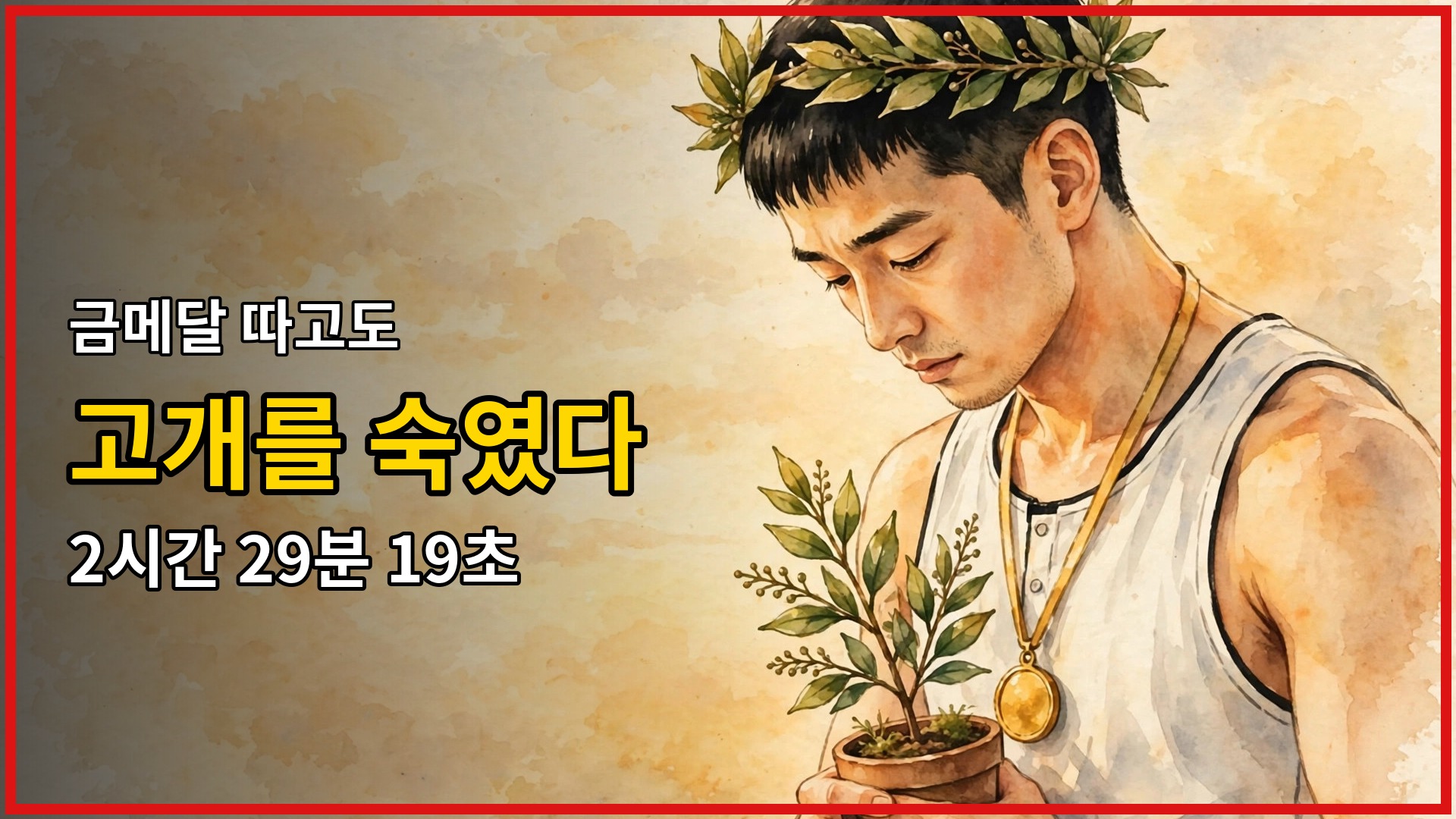
- 금메달 따고 고개 숙인 남자, 손기정 — 2시간 29분 19초 뒤에 숨은 눈물
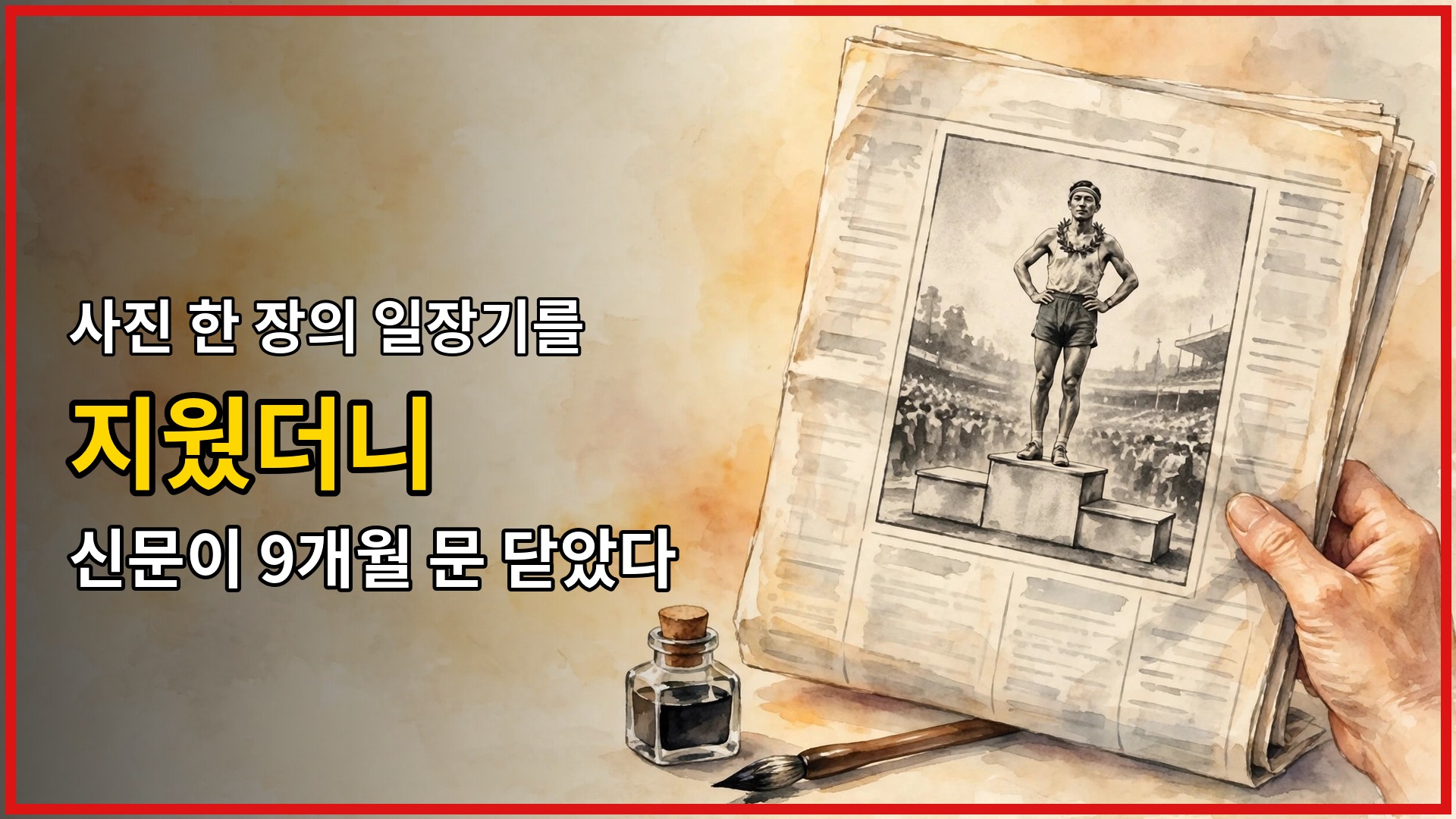
- 일장기를 지운 신문 — 손기정 금메달 뒤 동아일보가 9개월 문 닫은 이유
- 기테이 손이 아니라 손기정 — 1936년 베를린, 월계수로 일장기를 가린 남자
🎙️ 대본 (약 15분 · Vrew 양식)
📋 Vrew '텍스트로 영상 만들기'에 그대로 붙여넣으세요. 한 줄 = 한 문장 = 한 클립·한 자막 양식입니다.
안녕하세요, 위로집입니다.
오늘도 하루 수고 많으셨습니다.
창밖으로 찬 바람이 불어옵니다.
가을이 깊어지는 계절입니다.
손기정이라는 이름,
교과서에서 배운 기억이 있으신가요.
오늘 위로집이 준비한 이야기는
1936년, 베를린에서 있었던
한 마라토너의 이야기입니다.
금메달을 따고도 고개를 들지 못했던
남자의 이야기입니다.
오늘 이야기는 위로집의 새로운 이야기,
야담·야화의 첫 번째 이야기입니다.
실화라서 더 재미있는 옛이야기,
오늘은 그 첫 장을 엽니다.
1936년 8월 9일, 독일 베를린.
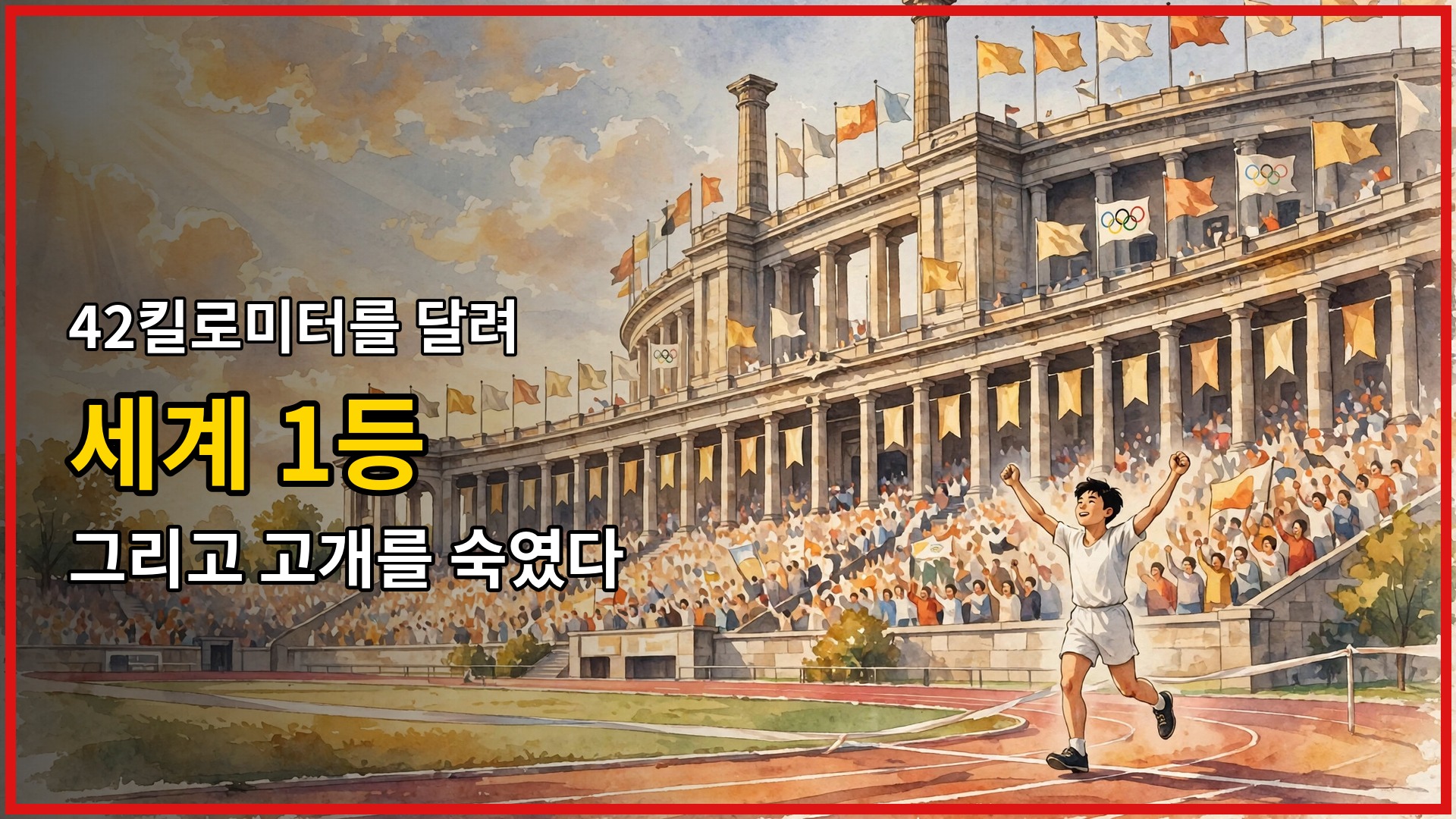
한 남자가 42킬로미터를 달려
세계 1등이 됐습니다.
그런데 시상식에서,
그는 고개를 들지 못했습니다.
가슴에는 자기 나라 깃발이 아니라,
남의 나라 깃발이 달려 있었으니까요.
그 남자의 이름은 손기정.
한국인 최초로 올림픽 금메달을 딴
마라토너입니다.
오늘 이야기는 금메달 뒤에 숨은
눈물에 대한 이야기입니다.
1936년, 우리나라는 일제강점기였습니다.
조선의 청년들은 자기 이름으로
세상에 나갈 수 없었습니다.
손기정도 마찬가지였습니다.
그는 스물다섯의 나이로
베를린올림픽 마라톤에 나섰습니다.
하지만 가슴에 단 것은 태극기가 아니라
일장기였습니다.
일본 대표로 뛸 수밖에 없었기 때문입니다.
그해 베를린올림픽은
나치 독일이 주최한 대회였습니다.
히틀러 정권은 올림픽을
아리안 민족의 우월함을 선전하는
무대로 삼으려 했습니다.
조선에서 온 청년은 그 무대에서
가장 눈에 띄지 않는 선수였습니다.
세계 무대에 알려지지 않은 신인이었고,
가슴에는 자기 나라 깃발도
달 수 없었습니다.
1936년 6월 4일, 손기정은 경성을 떠났습니다.
기차를 타고 베를린으로 향했습니다.
지도로만 보던 먼 나라였습니다.
멀고 먼 길이었습니다.
고향을 떠나는 청년의 마음은
어땠을까요.
돌아올 때는 금메달을 들고 오겠다는
다짐이었을까요.
아니면 그저 무사히 다녀오겠다는
소망이었을까요.
우리는 알 수 없습니다.
다만 한 가지는 압니다.
그 기차에 오른 청년의 가슴에는
자기 나라의 이름이 없었다는 것을.
손기정기념관에 전해지는 이야기에 따르면,
손기정은 베를린에 도착해서도
일장기가 달린 훈련복을 입지 않았다고 합니다.
가슴에 남의 나라 깃발을 달고
뛰는 것이 싫었기 때문입니다.
가슴에 단 깃발 하나 때문에,
한 사람의 이름이 가려졌습니다.
올림픽은 나라를 대표하는 자리입니다.
그런데 손기정은 자기 나라를
대표할 수 없었습니다.
일본 대표로 나섰지만,
일본인은 아니었습니다.
그 애매한 자리가
손기정의 마음에 얼마나 무겁게
얹혀 있었을지 생각해 봅니다.
베를린올림픽은 세계의 축제였지만,
손기정에게는 축제만은 아니었습니다.
그는 달리기 위해서가 아니라,
자기 이름을 지키기 위해서
뛰어야 했습니다.
이름을 지키는 일은
어떤 일일까요.
이름은 그 사람의 존재입니다.
이름이 가려지면
그 사람도 가려집니다.
손기정은 달리는 동안
자기 이름을 되찾고 싶었을 것입니다.
그 마음이 어떤 것이었을지,
지금 우리는 짐작할 뿐입니다.
1936년 8월 9일, 마라톤 경기가 시작됐습니다.
우승 후보는 아르헨티나의 후안 사발라였습니다.
손기정은 세계 무대에 알려지지 않은
신인이었습니다.
마라톤은 42킬로미터,
두 시간 반이 넘는 싸움입니다.
다리는 무거워지고 숨은 가빠집니다.
마라톤은 몸의 싸움이기도 하지만,
마음의 싸움이기도 합니다.
사발라가 앞서 달렸고,
손기정은 뒤를 쫓았습니다.
하지만 그는 끝까지 사발라를 놓치지 않았습니다.
후반, 비스마르크 언덕에서
손기정은 사발라를 추월했습니다.
그리고 그대로 결승선을 통과했습니다.
기록은 2시간 29분 19초 2.
당시 올림픽 신기록이었습니다.
한국인 최초의 올림픽 금메달이었습니다.
함께 출전한 남승룡 선수도
동메달을 따냈습니다.
남승룡 선수의 동메달까지,
그날 조선은 메달 두 개를 가져왔습니다.
그날 베를린의 하늘 아래,
조선의 두 청년이 세계의 정상을 밟았습니다.
42킬로미터를 달리는 동안,
손기정의 마음속에는 무엇이 있었을까요.
아마도 결승선 너머에 있는
자기 나라의 모습이 아니었을까요.
그 마음을 우리는 알 수 없습니다.
다만 기록은 말합니다.
2시간 29분 19초 2,
그 숫자가 손기정의 대답이었다고.
그 숫자는 그날의 올림픽 신기록이었습니다.
하지만 손기정에게 그 숫자는
기록 이상의 것이었습니다.
자기 이름을 걸고 뛴 시간,
그것이 그 숫자의 의미였습니다.
그런데 그 숫자를 본 사람들은
무엇을 느꼈을까요.
조선의 청년이 세계에서 가장 빨리
달렸다는 것,
그것만으로도 충분했을 것입니다.
그런데 우승의 기쁨은 잠시였습니다.
시상식장으로 향하는 손기정의 발걸음은
무거웠습니다.
금메달리스트의 가슴에 걸린 것은
태극기가 아니라 일장기였습니다.
단상 위로 일장기가 올라가고,
일본 국가가 연주됐습니다.
손기정은 고개를 푹 숙였습니다.
눈물을 흘렸습니다.
장내에서는 그의 이름을
일본식으로 불렀습니다.
기테이 손.
손기정이 아니었습니다.
부상으로 받은 월계수 화분을
손기정은 가슴 앞으로 가져왔습니다.
월계수 잎으로 가슴의 일장기를
가리려는 몸짓이었습니다.
세계 1등이 된 날,
그는 자기 이름을 지킬 수 없었습니다.
그 사진이 조선에 전해진 것은
보름이 지난 뒤였습니다.
1936년 8월 24일,
동아일보 사회부 체육주임 이길용 기자는
오사카 아사히 스포츠지를 보다가
시상식 사진을 발견했습니다.
사진 속 손기정의 가슴에는
일장기가 붙어 있었습니다.
이길용 기자는 그 사진을 보고
무엇을 느꼈을까요.
아마도 분노였을 것입니다.
그리고 결심이었습니다.
그 일장기를 지우고
국내에 보도하겠다고.
다음 날인 1936년 8월 25일,
동아일보 2면에는
일장기가 지워진 사진이 실렸습니다.
사진 속 일장기는 청산가리 액으로
지워진 것이었습니다.
이길용 기자는 왜 그 일을 했을까요.
사진 한 장의 깃발을 지우는 일이
무슨 의미가 있었을까요.
그것은 거짓을 만드는 일이 아니었습니다.
오히려 진실을 되찾는 일이었습니다.
사진 속 남자는 일본인이 아니라
조선인이었으니까요.
그 진실을 신문에 싣는 대가로,
이길용 기자는 고문을 당했습니다.
조선중앙일보도 일장기를 지운 사진을
실었습니다.
국민들은 그 사진을 보고
자긍심을 느꼈다고 합니다.
일본도 하지 못한 것을
손기정이 해냈다는 마음이었습니다.
그 사진을 본 사람들은
손기정의 이름을 불렀을 것입니다.
기테이 손이 아니라 손기정이라고.
그 사진은 조선의 방방곡곡으로 퍼졌습니다.
신문을 펼친 사람들은 사진 속
손기정의 가슴을 보았습니다.
일장기는 지워져 있었지만,
그 자리에 무엇이 있었는지는
모두가 알고 있었습니다.
지워진 자리는 비어 있는 것이 아니라,
채워진 것이었습니다.
조선의 마음으로.
그 마음은 지금도 이어집니다.
손기정의 이름을 부를 때,
우리는 그 마음을 함께 부릅니다.
하지만 대가는 컸습니다.
동아일보는 8월 29일부터
무기정간 처분을 받았습니다.
신문이 9개월 동안 문을 닫은 것입니다.
정간이 풀린 것은 1937년 6월 3일이었습니다.
9개월 동안 동아일보는
신문을 낼 수 없었습니다.
신문이 나오지 않는다는 것은
그 시대에 어떤 의미였을까요.
지금처럼 휴대전화로 소식을 보는
시대가 아니었습니다.
신문이 곧 세상이었습니다.
그 세상을 9개월 동안 닫는다는 것은
쉬운 결정이 아니었습니다.
그런데도 동아일보는
그 사진을 실었습니다.
이길용 기자를 비롯한 동아일보 관계자들은
40일 동안 고문을 당했습니다.
사회부장이었던 현진건은
1년 동안 감옥살이를 했습니다.
조선중앙일보 사장이었던 여운형도
고초를 겪어야 했습니다.
조선중앙일보는 9월 5일 스스로
휴간에 들어갔습니다.
사진 한 장에 담긴 일장기를 지웠다는 이유로,
신문이 문을 닫고 사람들이 감옥에 갔습니다.
그런데 이 이야기의 주인공은
손기정만이 아닙니다.
사진 한 장의 깃발을 지운 기자들,
그리고 그 신문을 기다린 독자들까지,
이 이야기는 함께 만든 것입니다.
손기정의 귀국길도 순탄하지 않았습니다.
유럽과 인도를 거쳐 싱가포르에 도착했을 때,
선배로부터 이런 이야기를 들었습니다.
본국에서 사고가 났으니
일본인들이 선수단을 감시하라는
전문이 들어왔다는 것이었습니다.
자신의 사진 때문에 신문이 정간되고
많은 기자가 고초를 당했다는 소식을 들은
손기정은 이렇게 다짐했다고 합니다.
다시는 마라톤을 하지 말아야겠다고.
금메달을 딴 청년이
다시는 달리지 않겠다고 다짐하는 마음,
그것이 어떤 마음이었을지
우리는 짐작할 뿐입니다.
귀국한 뒤에도 손기정은 경찰의 감시를 받았습니다.
전차를 타는 것조차
일본 경찰의 감시를 받아야 했습니다.
그는 "마라톤 우승을 반납하고 싶다"고까지
말했다고 전해집니다.
일본 정부는 이후 12년 동안
손기정을 금지선수로 지목했습니다.
국제대회에 나갈 수 없었습니다.
12년이라는 시간은
한 선수의 전성기를 통째로
삼켜버리는 시간이었습니다.
스물다섯에 세계 1등이 된 청년은
그 뒤로 다시는 올림픽 무대에
설 수 없었습니다.
금메달을 딴 대가가
너무나 컸던 것입니다.
그런데 시간은 흘렀고, 세상은 바뀌었습니다.
식민지는 사라졌고, 나라는 독립했습니다.
1936년에서 52년이 지난 1988년,
서울에서 올림픽이 열렸습니다.
지금 70대이신 분들은 1988년을
기억하실 겁니다.
서울올림픽이 열리던 해,
온 나라가 들떠 있었습니다.
개막식 날, 76세가 된 손기정이
성화봉을 들고 잠실주경기장에 들어섰습니다.
원래 최종 주자로 정해져 있었지만,
일본 언론이 미리 보도하는 바람에
최종 주자는 바뀌었습니다.
조직위원회는 개회식 당일까지
이 사실을 비밀로 부치려고 했습니다.
박세직 조직위원장은 기자들에게
보도하지 말아 달라고 당부했습니다.
그런데 손기정은 개회식 나흘 전,
일본 기자의 전화를 받았습니다.
성화 봉송 연습을 언제 어디에서 하느냐는
질문이었습니다.
손기정은 사실대로 답했습니다.
13일 새벽, 잠실주경기장에서 한다고.
그 말이 다음 날 일본 신문의
1면 특종이 됐습니다.
솔직한 대답 하나가
52년 만의 무대를 바꿔 놓은 것입니다.
조직위원회의 박세직 위원장은
나중에 회고록에서 이렇게 썼습니다.
개회식 전날 저녁, 지하실 회의에서
최종 주자 교체를 결정했다고.
개회식 나흘 전, 일본 요미우리신문은
손기정이 최종 주자라는 사실을
석간 1면에 특종으로 보도했습니다.
조직위원회는 부랴부랴
최종 주자를 바꿨습니다.
손기정은 성화를 들고 트랙을 100미터 돈 뒤,
열여덟 살의 임춘애 선수에게 넘겼습니다.
임춘애는 86아시안게임에서
3관왕을 차지한 육상 선수였습니다.
임춘애는 성화대 아래에서 기다리던
정선만 선생에게 넘겼습니다.
정선만 선생은 전남 소흑산도의
분교 교사였습니다.
그리고 김원탁 선수, 손미정 학생과 함께
세 사람이 성화대에 불을 붙였습니다.
평범한 사람들이 함께 붙인 불,
올림픽 역사상 처음 있는 일이었습니다.
성화대에 불을 붙인 세 사람은
모두 평범한 사람들이었습니다.
소흑산도의 교사, 대학원생, 예고 학생.
그해 정부는 보통사람을 앞세웠습니다.
금메달리스트가 아니라
평범한 사람들의 손으로
불을 붙인 것입니다.
그날 손기정은 성화봉을 들고
어린아이처럼 펄쩍 펄쩍 뛰며
경기장에 들어섰다고,
당시 기사는 전합니다.
1936년 시상식에서 고개를 숙이고 있던
그 사진과는 전혀 다른 모습이었습니다.
하지만 이야기는 여기서 끝나지 않습니다.
손기정이 우승 부상으로 받은 것은
금메달만이 아니었습니다.
고대 청동 투구도 받았습니다.
손기정은 그 투구가 민족의 것이라고 여겼습니다.
그리고 1994년, 대한민국 정부에 기증했습니다.
지금 그 투구는 보물 제904호로
국립중앙박물관에 소장돼 있습니다.
투구 하나가 60년 가까이
손기정의 손에 머물렀습니다.
손기정은 2002년, 90세로 세상을 떠났습니다.
사후에 체육훈장 청룡장이 추서됐습니다.
2012년에는 손기정기념관이 세워졌습니다.
1936년 베를린에서 금메달을 딴 청년은
긴 세월을 살았습니다.
그 긴 세월 동안,
손기정이라는 이름은 점점 더
많은 사람에게 알려졌습니다.
처음에는 교과서 속 이름이었고,
나중에는 기념관의 이름이 됐습니다.
그리고 이제는 위로집의 이야기가 됐습니다.
손기정의 이름을 아는 사람은 많지만,
그 이름 뒤의 이야기를 아는 사람은 적습니다.
오늘 위로집이 그 이야기를 꺼낸
이유입니다.
이야기는 전해질 때 살아남습니다.
오늘 이 이야기를 들으신 여러분이
또 누군가에게 전해 주신다면,
손기정의 이름은 더 오래 남을 것입니다.
월계수로 가슴을 가렸던 그날,
손기정이 지킨 건 메달이 아니라
이름이었습니다.
금메달은 그날 땄지만,
그 이름이 온전히 불리기까지는
긴 시간이 걸렸습니다.
1936년에 고개를 숙였던 남자는
1988년에 성화를 들고 뛰었습니다.
52년 만에, 자기 이름으로.
1936년의 그 청년은
이제 기념관의 이름이 됐습니다.
하지만 기념관에 가기 전에,
우리는 먼저 이 이야기를 들었습니다.
이야기는 기념비보다 먼저
사람의 마음을 움직입니다.
그것이 오늘 위로집이
이 이야기를 꺼낸 이유입니다.
오늘 위로집이 들려드린 이야기는
여기까지입니다.
1936년 베를린, 42킬로미터를 달린 한 청년은
세계 1등이 되고도 고개를 숙였습니다.
그 고개 숙임 속에 담긴 마음을
우리는 이제야 조금 알 것 같습니다.
손기정의 이야기를 처음 들으셨나요,
아니면 교과서에서 배운 기억이 나시나요.
댓글로 한 줄 남겨 주세요.
마음이 무거우셨던 분들께,
이 이야기가 작은 위로가 되었으면 합니다.
오늘도 하루 수고 많으셨습니다.
위로집이었습니다.
다음 이야기에서 또 만나요.
🖼️ 이미지 프롬프트 (대본 순서대로)
📋 Vrew 나레이션 재생 중 띄울 배경 이미지용. 따뜻한 힐링 일러스트 스타일.
# 위로집 71번 이미지 프롬프트 (48개)
# 대본: ~/workspace/goals/wirojip-youtube-long-form-pipeline/packages/topic-71-script.txt
# 기준: 영문, 각 400자 이상(공백 포함·줄바꿈 제외), warm watercolor storybook illustration / 16:9 / no text 필수 (실사 아님 — 애니메이션 스타일)
# 배치: 앞 16장 = 대본 첫 ~1,400자 구간 집중 배치, 뒤 31장 = 나머지 구간 배치 (총 47장)
# 인물 일관성: 손기정은 전 장면 동일 인물 — young Korean man in his mid-20s, short black hair, 1930s white running uniform (1988년 장면은 elderly, short silver hair, white 1980s tracksuit)
## 1. 따뜻한 오프닝 인사 (나레이션: "안녕하세요, 위로집입니다.")
A cozy Korean living room at dusk, a senior Korean woman in her late 60s smiling warmly while holding a ceramic teacup with both hands, soft golden lamplight glowing around her, a window behind her showing a gentle autumn evening sky, a small vase of wildflowers on a wooden table, a calm and welcoming atmosphere, warm watercolor storybook illustration, soft warm tones, ethnically Korean with natural Korean facial features, must unmistakably read as Korean, not Chinese or Japanese, wearing a comfortable beige cardigan, 16:9 aspect ratio, no text, no letters, no watermark

## 2. 교과서 속 이름, 손기정 (나레이션: "손기정이라는 이름,교과서에서 배운 기억이 있으신가요.")
An elderly Korean man's weathered hands gently holding open an old Korean school textbook on a wooden desk, one page showing a small sepia-toned portrait illustration of a young 1930s marathon runner and faint indistinct printed lines, warm afternoon sunlight falling across the desk, a pencil and reading glasses resting beside the book, a small vase of wildflowers nearby, a nostalgic and tender mood, warm watercolor storybook illustration, soft warm tones, ethnically Korean with natural Korean facial features, must unmistakably read as Korean, not Chinese or Japanese, 16:9 aspect ratio, no text, no letters, no watermark

## 3. 금메달 뒤의 눈물 (나레이션: "금메달을 따고도 고개를 들지 못했던남자의 이야기입니다.")
Sohn Kee-chung, a young Korean man in his mid-20s with short black hair, standing on an Olympic podium with a gold medal around his neck, his head bowed low and his eyes downcast, a laurel wreath on his head, soft warm stadium light glowing around him, other athletes softly blurred in the background, a quiet and deeply moving moment, warm watercolor storybook illustration, soft warm tones, ethnically Korean with natural Korean facial features, must unmistakably read as Korean, not Chinese or Japanese, wearing a 1930s white running uniform, 16:9 aspect ratio, no text, no letters, no watermark

## 4. 야담·야화 첫 이야기 (나레이션: "실화라서 더 재미있는 옛이야기,오늘은 그 첫 장을 엽니다.")
An open old storybook with warm glowing pages resting on a wooden table, soft golden light rising from the pages like gentle fireflies, an elderly Korean man's hand turning a page, a cozy Korean living room softly blurred in the background at dusk, the feeling of a true old story about to begin, warm watercolor storybook illustration, soft warm tones, ethnically Korean with natural Korean facial features, must unmistakably read as Korean, not Chinese or Japanese, 16:9 aspect ratio, no text, no letters, no watermark

## 5. 42킬로미터를 달린 남자 (나레이션: "한 남자가 42킬로미터를 달려세계 1등이 됐습니다.")
Sohn Kee-chung, a young Korean man in his mid-20s with short black hair, running along a 1930s Berlin street lined with cheering crowds and old European buildings, his stride strong and steady, warm morning sunlight and golden dust in the air, a sense of unstoppable determination on his face, warm watercolor storybook illustration, soft warm tones, ethnically Korean with natural Korean facial features, must unmistakably read as Korean, not Chinese or Japanese, wearing a 1930s white running uniform, 16:9 aspect ratio, no text, no letters, no watermark

## 6. 가슴의 깃발 (나레이션: "가슴에는 자기 나라 깃발이 아니라,남의 나라 깃발이 달려 있었으니까요.")
Close-up of Sohn Kee-chung, a young Korean man in his mid-20s with short black hair, looking down at the small flag badge pinned to the chest of his white running uniform, his expression quiet and troubled, soft warm light on his face, the stadium softly blurred behind him, a heavy and tender moment, warm watercolor storybook illustration, soft warm tones, ethnically Korean with natural Korean facial features, must unmistakably read as Korean, not Chinese or Japanese, wearing a 1930s white running uniform, 16:9 aspect ratio, no text, no letters, no watermark

## 7. 한국인 최초의 금메달 (나레이션: "한국인 최초로 올림픽 금메달을 딴마라토너입니다.")
Sohn Kee-chung, a young Korean man in his mid-20s with short black hair, holding up a shining gold medal in both hands with a gentle proud smile, a laurel wreath on his head, warm golden light glowing around him, soft clouds and a bright sky behind him, a triumphant yet tender portrait, warm watercolor storybook illustration, soft warm tones, ethnically Korean with natural Korean facial features, must unmistakably read as Korean, not Chinese or Japanese, wearing a 1930s white running uniform, 16:9 aspect ratio, no text, no letters, no watermark

## 8. 1936년, 일제강점기 (나레이션: "1936년, 우리나라는 일제강점기였습니다.")
A quiet 1930s Korean street in Gyeongseong, old wooden shops and tiled roofs along the road, Korean people in 1930s clothing walking under soft morning light, a distant train station and gentle mountains in the background, muted yet warm colors, a calm historical atmosphere, warm watercolor storybook illustration, soft warm tones, ethnically Korean with natural Korean facial features, must unmistakably read as Korean, not Chinese or Japanese, 16:9 aspect ratio, no text, no letters, no watermark

## 9. 스물다섯의 마라토너 (나레이션: "그는 스물다섯의 나이로베를린올림픽 마라톤에 나섰습니다.")
Portrait of Sohn Kee-chung, a young Korean man in his mid-20s with short black hair and a determined yet gentle face, standing tall in a 1930s white running uniform with a plain race bib, warm sunlight on his face, a soft green field and an old stadium behind him, hopeful and dignified, warm watercolor storybook illustration, soft warm tones, ethnically Korean with natural Korean facial features, must unmistakably read as Korean, not Chinese or Japanese, 16:9 aspect ratio, no text, no letters, no watermark

## 10. 나치 독일의 베를린올림픽 (나레이션: "그해 베를린올림픽은나치 독일이 주최한 대회였습니다.")
A grand 1936 Berlin Olympic stadium filled with crowds, tall stone columns and red banners, a wide view of the arena under a bright sky, marathon runners as small figures on the track, a historic and imposing scene rendered in warm tones, warm watercolor storybook illustration, soft warm tones, ethnically Korean with natural Korean facial features, must unmistakably read as Korean, not Chinese or Japanese, 16:9 aspect ratio, no text, no letters, no watermark

## 11. 눈에 띄지 않는 선수 (나레이션: "조선에서 온 청년은 그 무대에서가장 눈에 띄지 않는 선수였습니다.")
Sohn Kee-chung, a young Korean man in his mid-20s with short black hair, standing quietly among a group of taller foreign marathon runners at the starting line, his white running uniform simple and unadorned, his gaze calm and focused, warm morning light falling across the track, the crowd softly blurred behind him, warm watercolor storybook illustration, soft warm tones, ethnically Korean with natural Korean facial features, must unmistakably read as Korean, not Chinese or Japanese, wearing a 1930s white running uniform, 16:9 aspect ratio, no text, no letters, no watermark

## 12. 1936년 6월 4일, 경성을 떠나다 (나레이션: "1936년 6월 4일, 손기정은 경성을 떠났습니다.")
A 1930s Korean train station platform in the early morning, a steam locomotive with soft white smoke, Sohn Kee-chung, a young Korean man in his mid-20s with short black hair, carrying a small travel bag and looking back toward the town, warm golden sunrise light, a bittersweet farewell mood, warm watercolor storybook illustration, soft warm tones, ethnically Korean with natural Korean facial features, must unmistakably read as Korean, not Chinese or Japanese, wearing a simple 1930s suit, 16:9 aspect ratio, no text, no letters, no watermark

## 13. 이름 없는 기차 (나레이션: "그 기차에 오른 청년의 가슴에는자기 나라의 이름이 없었다는 것을.")
Inside a 1930s train carriage, Sohn Kee-chung, a young Korean man in his mid-20s with short black hair, sitting by the window gazing at passing fields and distant mountains, soft warm evening light falling across his thoughtful face, his small travel bag on the seat beside him, a quiet and longing mood, warm watercolor storybook illustration, soft warm tones, ethnically Korean with natural Korean facial features, must unmistakably read as Korean, not Chinese or Japanese, wearing a simple 1930s suit, 16:9 aspect ratio, no text, no letters, no watermark

## 14. 일장기 없는 훈련복 (나레이션: "가슴에 남의 나라 깃발을 달고뛰는 것이 싫었기 때문입니다.")
Sohn Kee-chung, a young Korean man in his mid-20s with short black hair, training on a quiet field in a plain white running uniform with no flag badge on his chest, stretching his arms under soft morning light, other runners blurred in the distance, a quiet act of dignity, warm watercolor storybook illustration, soft warm tones, ethnically Korean with natural Korean facial features, must unmistakably read as Korean, not Chinese or Japanese, wearing a 1930s white running uniform, 16:9 aspect ratio, no text, no letters, no watermark

## 15. 이름을 지키기 위해 뛰다 (나레이션: "그는 달리기 위해서가 아니라,자기 이름을 지키기 위해서뛰어야 했습니다.")
Sohn Kee-chung, a young Korean man in his mid-20s with short black hair, running alone on a quiet country road at sunrise, his stride powerful and his face full of resolve, golden light breaking over the fields, a sense of running toward something precious, warm watercolor storybook illustration, soft warm tones, ethnically Korean with natural Korean facial features, must unmistakably read as Korean, not Chinese or Japanese, wearing a 1930s white running uniform, 16:9 aspect ratio, no text, no letters, no watermark

## 16. 1936년 8월 9일, 경기 시작 (나레이션: "1936년 8월 9일, 마라톤 경기가 시작됐습니다.")
A crowded 1936 Berlin Olympic marathon starting line, dozens of runners in 1930s uniforms bursting forward as the race begins, Sohn Kee-chung, a young Korean man in his mid-20s with short black hair, among them in a white running uniform, bright morning sunlight and cheering crowds, energetic and hopeful, warm watercolor storybook illustration, soft warm tones, ethnically Korean with natural Korean facial features, must unmistakably read as Korean, not Chinese or Japanese, 16:9 aspect ratio, no text, no letters, no watermark

## 17. 사발라를 쫓는 손기정 (나레이션: "사발라가 앞서 달렸고,손기정은 뒤를 쫓았습니다.")
Two marathon runners on a tree-lined Berlin road, Juan Zabala of Argentina ahead in a dark uniform and Sohn Kee-chung, a young Korean man in his mid-20s with short black hair, chasing close behind in a white running uniform, warm afternoon light shining through the trees, tension and determination in every stride, warm watercolor storybook illustration, soft warm tones, ethnically Korean with natural Korean facial features, must unmistakably read as Korean, not Chinese or Japanese, 16:9 aspect ratio, no text, no letters, no watermark

## 18. 비스마르크 언덕 추월 (나레이션: "후반, 비스마르크 언덕에서손기정은 사발라를 추월했습니다.")
Sohn Kee-chung, a young Korean man in his mid-20s with short black hair, overtaking Juan Zabala on a sunlit hill road, his body leaning forward with effort, golden light and green trees around the road, the crowd cheering from the roadside, a dramatic turning point, warm watercolor storybook illustration, soft warm tones, ethnically Korean with natural Korean facial features, must unmistakably read as Korean, not Chinese or Japanese, wearing a 1930s white running uniform, 16:9 aspect ratio, no text, no letters, no watermark

## 19. 결승선 통과 (나레이션: "그리고 그대로 결승선을 통과했습니다.")
Sohn Kee-chung, a young Korean man in his mid-20s with short black hair, breaking through the finish tape at the Berlin Olympic stadium, arms raised in joy, bright sunlight and a roaring crowd in soft focus, a laurel wreath being held out toward him, a moment of pure triumph, warm watercolor storybook illustration, soft warm tones, ethnically Korean with natural Korean facial features, must unmistakably read as Korean, not Chinese or Japanese, wearing a 1930s white running uniform, 16:9 aspect ratio, no text, no letters, no watermark

## 20. 남승룡의 동메달 (나레이션: "함께 출전한 남승룡 선수도동메달을 따냈습니다.")
Two young Korean marathon runners standing side by side, Sohn Kee-chung, a young Korean man in his mid-20s with short black hair, holding a gold medal, and Nam Sung-yong, a young Korean man with short black hair, holding a bronze medal, both in 1930s white running uniforms, warm smiles and golden light around them, a proud moment for two young men from Joseon, warm watercolor storybook illustration, soft warm tones, ethnically Korean with natural Korean facial features, must unmistakably read as Korean, not Chinese or Japanese, 16:9 aspect ratio, no text, no letters, no watermark

## 21. 2시간 29분 19초 2 (나레이션: "2시간 29분 19초 2,그 숫자가 손기정의 대답이었다고.")
A large old-fashioned stopwatch with a plain cream face and no visible numbers held in a hand, soft golden light glowing around it, Sohn Kee-chung, a young Korean man in his mid-20s with short black hair, running in soft focus in the background, the stadium bathed in warm sunset light, a symbolic image of a record that spoke for a man, warm watercolor storybook illustration, soft warm tones, ethnically Korean with natural Korean facial features, must unmistakably read as Korean, not Chinese or Japanese, wearing a 1930s white running uniform, 16:9 aspect ratio, no text, no letters, no watermark

## 22. 무거운 시상식 발걸음 (나레이션: "시상식장으로 향하는 손기정의 발걸음은무거웠습니다.")
Sohn Kee-chung, a young Korean man in his mid-20s with short black hair, walking slowly toward an Olympic awards podium, his head slightly lowered and his steps heavy, a gold medal in his hand, warm stadium light and a hushed crowd in the background, a solemn and quiet mood, warm watercolor storybook illustration, soft warm tones, ethnically Korean with natural Korean facial features, must unmistakably read as Korean, not Chinese or Japanese, wearing a 1930s white running uniform, 16:9 aspect ratio, no text, no letters, no watermark

## 23. 단상 위의 일장기 (나레이션: "단상 위로 일장기가 올라가고,일본 국가가 연주됐습니다.")
A flagpole on an Olympic podium with a white flag bearing a red circle rising slowly against a bright sky, Sohn Kee-chung, a young Korean man in his mid-20s with short black hair, standing below on the podium with his head bowed, other athletes standing beside him, the scene rendered in soft warm tones with a quiet tension, warm watercolor storybook illustration, ethnically Korean with natural Korean facial features, must unmistakably read as Korean, not Chinese or Japanese, wearing a 1930s white running uniform, 16:9 aspect ratio, no text, no letters, no watermark

## 24. 고개를 숙인 금메달리스트 (나레이션: "손기정은 고개를 푹 숙였습니다.")
Close-up portrait of Sohn Kee-chung, a young Korean man in his mid-20s with short black hair, his head bowed deeply and his eyes closed, a gold medal around his neck and a laurel wreath on his head, a single tear catching warm light on his cheek, soft golden background, a deeply moving and tender portrait, warm watercolor storybook illustration, soft warm tones, ethnically Korean with natural Korean facial features, must unmistakably read as Korean, not Chinese or Japanese, wearing a 1930s white running uniform, 16:9 aspect ratio, no text, no letters, no watermark

## 25. 월계수 화분으로 가슴을 가리다 (나레이션: "부상으로 받은 월계수 화분을손기정은 가슴 앞으로 가져왔습니다.")
Sohn Kee-chung, a young Korean man in his mid-20s with short black hair, holding a small potted laurel plant with both hands in front of his chest, his head bowed and his eyes downcast, green laurel leaves covering the small flag badge on his white running uniform, warm light and a quiet dignity, warm watercolor storybook illustration, soft warm tones, ethnically Korean with natural Korean facial features, must unmistakably read as Korean, not Chinese or Japanese, wearing a 1930s white running uniform, 16:9 aspect ratio, no text, no letters, no watermark

## 26. 이길용 기자, 사진을 발견하다 (나레이션: "1936년 8월 24일,동아일보 사회부 체육주임 이길용 기자는오사카 아사히 스포츠지를 보다가시상식 사진을 발견했습니다.")
A 1930s Korean newspaper office at night, Lee Gil-yong, a middle-aged Korean man with round glasses and neat black hair, leaning over a desk covered with foreign sports newspapers, holding up a photograph of an awards ceremony with a look of sudden discovery, warm lamplight and stacks of paper around him, a tense and historic moment, warm watercolor storybook illustration, soft warm tones, ethnically Korean with natural Korean facial features, must unmistakably read as Korean, not Chinese or Japanese, wearing a 1930s dark suit, 16:9 aspect ratio, no text, no letters, no watermark

## 27. 1936년 8월 25일, 일장기를 지운 신문 (나레이션: "다음 날인 1936년 8월 25일,동아일보 2면에는일장기가 지워진 사진이 실렸습니다.")
A 1936 Korean newspaper with soft blurred printed columns held up in warm morning light, one large photograph on the page showing an Olympic awards ceremony in which the flag on the athlete's chest has been carefully erased to a soft blank patch, hands holding the paper gently, the mood solemn and proud, warm watercolor storybook illustration, soft warm tones, ethnically Korean with natural Korean facial features, must unmistakably read as Korean, not Chinese or Japanese, 16:9 aspect ratio, no text, no letters, no watermark

## 28. 청산가리 액으로 지운 일장기 (나레이션: "사진 속 일장기는 청산가리 액으로지워진 것이었습니다.")
Close-up of hands in warm lamplight carefully brushing a clear liquid over a small flag badge on a black-and-white photograph of an awards ceremony, a small glass bottle of liquid and a cotton swab on a wooden desk, the erased area turning into a soft blank patch, a quiet and careful act of courage, warm watercolor storybook illustration, soft warm tones, ethnically Korean with natural Korean facial features, must unmistakably read as Korean, not Chinese or Japanese, 16:9 aspect ratio, no text, no letters, no watermark

## 29. 신문을 본 사람들, 손기정의 이름을 부르다 (나레이션: "그 사진을 본 사람들은손기정의 이름을 불렀을 것입니다.")
A group of Korean people in 1930s clothing gathered in a warm sunlit street market, reading a newspaper together with bright and proud expressions, one elderly man pointing at a photograph in the paper while others lean in close, soft morning light and warm colors, the mood full of quiet pride and shared joy, warm watercolor storybook illustration, soft warm tones, ethnically Korean with natural Korean facial features, must unmistakably read as Korean, not Chinese or Japanese, 16:9 aspect ratio, no text, no letters, no watermark

## 30. 무기정간, 문 닫은 신문사 (나레이션: "동아일보는 8월 29일부터무기정간 처분을 받았습니다.")
The front door of a 1930s Korean newspaper office building in soft morning light, the door closed with a plain paper notice pasted on it, a stack of undelivered newspapers tied with string on the steps, a few fallen leaves drifting by, quiet and somber yet warm, a symbolic image of a silenced press, warm watercolor storybook illustration, soft warm tones, 16:9 aspect ratio, no text, no letters, no watermark

## 31. 빈 책상 (나레이션: "이길용 기자를 비롯한 동아일보 관계자들은40일 동안 고문을 당했습니다.")
An empty wooden desk in a 1930s Korean newspaper office, a reporter's round glasses and a fountain pen left on a stack of papers, a coat hanging on the back of a chair, warm evening light streaming through a window and long soft shadows across the floor, an absent person felt through his belongings, a symbolic and gentle image with no depiction of suffering, warm watercolor storybook illustration, soft warm tones, 16:9 aspect ratio, no text, no letters, no watermark

## 32. 감옥 문 (나레이션: "사회부장이었던 현진건은1년 동안 감옥살이를 했습니다.")
A heavy wooden prison door in a 1930s Korean building, a small barred window near the top letting in a shaft of warm golden light, a single folded newspaper resting on the cold stone floor, the mood quiet and heavy but softened by warm light, a symbolic image with no people and no depiction of suffering, warm watercolor storybook illustration, soft warm tones, 16:9 aspect ratio, no text, no letters, no watermark

## 33. 조선중앙일보 휴간 (나레이션: "조선중앙일보는 9월 5일 스스로휴간에 들어갔습니다.")
A stack of folded 1930s Korean newspapers on a wooden table beside a closed office door, a pair of reading glasses resting on top, soft morning light and dust motes in the air, the newspapers tied with string as if waiting to be delivered, a small ink bottle and a folded letter beside the stack, the office quiet and still, a quiet and respectful image, warm watercolor storybook illustration, soft warm tones, 16:9 aspect ratio, no text, no letters, no watermark

## 34. 귀국길, 싱가포르에서 들은 소식 (나레이션: "손기정의 귀국길도 순탄하지 않았습니다.")
Sohn Kee-chung, a young Korean man in his mid-20s with short black hair, standing on the deck of a ship in a warm Singapore harbor at sunset, listening gravely to an older Korean man telling him serious news, soft golden evening light on the water, a somber yet warm mood, warm watercolor storybook illustration, soft warm tones, ethnically Korean with natural Korean facial features, must unmistakably read as Korean, not Chinese or Japanese, wearing a simple 1930s suit, 16:9 aspect ratio, no text, no letters, no watermark

## 35. 귀국 후에도 감시받다 (나레이션: "귀국한 뒤에도 손기정은 경찰의 감시를 받았습니다.")
Sohn Kee-chung, a young Korean man in his mid-20s with short black hair, riding a 1930s Korean streetcar and gazing quietly out of the window, a shadowy figure in a dark coat standing at a distance on the platform, warm evening light through the streetcar windows, a tense yet gentle and symbolic image with no confrontation and no depiction of force, warm watercolor storybook illustration, soft warm tones, ethnically Korean with natural Korean facial features, must unmistakably read as Korean, not Chinese or Japanese, wearing a simple 1930s suit, 16:9 aspect ratio, no text, no letters, no watermark

## 36. 12년의 금지선수 (나레이션: "일본 정부는 이후 12년 동안손기정을 금지선수로 지목했습니다.")
An empty running track at sunrise, a single pair of old 1930s running shoes placed neatly at the starting line, long golden shadows stretching across the track, a distant stadium in warm morning haze, dew glistening on the grass beside the track and birds in the soft morning sky, the feeling of years passing and a runner waiting, a symbolic and hopeful image, warm watercolor storybook illustration, soft warm tones, 16:9 aspect ratio, no text, no letters, no watermark

## 37. 52년 뒤, 1988년 서울올림픽 (나레이션: "1936년에서 52년이 지난 1988년,서울에서 올림픽이 열렸습니다.")
A wide view of the 1988 Seoul Olympic stadium filled with a joyful crowd, colorful flags waving and bright lights glowing in a warm evening sky, the Olympic cauldron shining in the distance, a festive and hopeful atmosphere, warm watercolor storybook illustration, soft warm tones, ethnically Korean with natural Korean facial features, must unmistakably read as Korean, not Chinese or Japanese, 16:9 aspect ratio, no text, no letters, no watermark

## 38. 76세의 성화봉송 주자 (나레이션: "개막식 날, 76세가 된 손기정이성화봉을 들고 잠실주경기장에 들어섰습니다.")
An elderly Korean man in his late 70s with short silver hair, the same kind and determined face aged by time, holding a lit Olympic torch with both hands and walking into a bright stadium, wearing a white 1980s tracksuit, warm golden light and a cheering crowd in soft focus, a proud and deeply moving entrance, warm watercolor storybook illustration, soft warm tones, ethnically Korean with natural Korean facial features, must unmistakably read as Korean, not Chinese or Japanese, 16:9 aspect ratio, no text, no letters, no watermark

## 39. 개회식 나흘 전의 전화 (나레이션: "그런데 손기정은 개회식 나흘 전,일본 기자의 전화를 받았습니다.")
An elderly Korean man in his late 70s with short silver hair, sitting in a warm 1980s Korean living room and speaking gently into an old rotary telephone, a small notebook and reading glasses on the table beside him, soft evening lamplight, an honest and unguarded moment, warm watercolor storybook illustration, soft warm tones, ethnically Korean with natural Korean facial features, must unmistakably read as Korean, not Chinese or Japanese, wearing a comfortable beige cardigan, 16:9 aspect ratio, no text, no letters, no watermark

## 40. 요미우리신문 1면 특종 (나레이션: "개회식 나흘 전, 일본 요미우리신문은손기정이 최종 주자라는 사실을석간 1면에 특종으로 보도했습니다.")
A Japanese newspaper from 1988 held up in warm morning light, its front page showing a large photograph of an elderly man practicing with a torch in a stadium, the printed columns rendered as soft blurred lines, hands holding the paper, a historic scoop captured in warm tones, warm watercolor storybook illustration, soft warm tones, ethnically Korean with natural Korean facial features, must unmistakably read as Korean, not Chinese or Japanese, 16:9 aspect ratio, no text, no letters, no watermark

## 41. 임춘애에게 성화를 넘기다 (나레이션: "손기정은 성화를 들고 트랙을 100미터 돈 뒤,열여덟 살의 임춘애 선수에게 넘겼습니다.")
An elderly Korean man in his late 70s with short silver hair, wearing a white 1980s tracksuit, passing a lit Olympic torch to Im Chun-ae, a young Korean woman athlete in her late teens with short black hair in a white 1980s tracksuit, inside a bright stadium filled with warm golden light and a cheering crowd, a beautiful handoff between two generations, warm watercolor storybook illustration, soft warm tones, ethnically Korean with natural Korean facial features, must unmistakably read as Korean, not Chinese or Japanese, 16:9 aspect ratio, no text, no letters, no watermark

## 42. 세 사람이 함께 붙인 불 (나레이션: "그리고 김원탁 선수, 손미정 학생과 함께세 사람이 성화대에 불을 붙였습니다.")
Three ordinary Korean people standing together at the base of a tall Olympic cauldron at night, a schoolteacher in his 30s, a young university student, and a young high school girl, lifting their torches together toward the cauldron as a great warm flame rises, golden light flooding the stadium, a historic and joyful moment, warm watercolor storybook illustration, soft warm tones, ethnically Korean with natural Korean facial features, must unmistakably read as Korean, not Chinese or Japanese, 16:9 aspect ratio, no text, no letters, no watermark

## 43. 어린아이처럼 펄쩍 뛰는 손기정 (나레이션: "그날 손기정은 성화봉을 들고어린아이처럼 펄쩍 펄쩍 뛰며경기장에 들어섰다고,당시 기사는 전합니다.")
An elderly Korean man in his late 70s with short silver hair, wearing a white 1980s tracksuit, jumping joyfully with both feet off the ground while holding a lit Olympic torch high, a wide delighted smile on his face, bright stadium lights and a cheering crowd around him, pure happiness after 52 years, warm watercolor storybook illustration, soft warm tones, ethnically Korean with natural Korean facial features, must unmistakably read as Korean, not Chinese or Japanese, 16:9 aspect ratio, no text, no letters, no watermark

## 44. 고대 청동 투구 (나레이션: "고대 청동 투구도 받았습니다.")
An ancient bronze helmet with a warm golden-green patina resting on a soft cream velvet cushion, gentle museum light glowing on its curved surface and fine engraved patterns along its rim, fresh green laurel leaves placed beside it, a dark wooden display stand below, soft shadows and a warm glowing museum hall in the background, a quiet and reverent atmosphere, the helmet seeming to hold sixty years of history in its shape, warm watercolor storybook illustration, soft warm tones, 16:9 aspect ratio, no text, no letters, no watermark

## 45. 보물 제904호, 국립중앙박물관 (나레이션: "지금 그 투구는 보물 제904호로국립중앙박물관에 소장돼 있습니다.")
A bright and warm museum gallery, a glass display case holding an ancient bronze helmet glowing under soft golden spotlights, a few Korean visitors in soft focus admiring it from a respectful distance, clean and serene atmosphere, warm watercolor storybook illustration, soft warm tones, ethnically Korean with natural Korean facial features, must unmistakably read as Korean, not Chinese or Japanese, 16:9 aspect ratio, no text, no letters, no watermark

## 46. 손기정기념관 (나레이션: "2012년에는 손기정기념관이 세워졌습니다.")
A warm and quiet memorial hall in Seoul, sunlight streaming through tall windows onto a wall displaying an old black-and-white photograph of a young marathon runner crossing a finish line, a few Korean visitors standing quietly before the display with respectful expressions, a small laurel tree in a ceramic pot beside the entrance, polished wooden floors reflecting the soft golden light, a peaceful atmosphere of remembrance, warm watercolor storybook illustration, soft warm tones, ethnically Korean with natural Korean facial features, must unmistakably read as Korean, not Chinese or Japanese, 16:9 aspect ratio, no text, no letters, no watermark

## 47. 지킨 것은 메달이 아니라 이름 (나레이션: "월계수로 가슴을 가렸던 그날,손기정이 지킨 건 메달이 아니라이름이었습니다.")
Sohn Kee-chung, a young Korean man in his mid-20s with short black hair, holding a laurel wreath in both hands against a warm golden sky, a gentle and proud smile, soft clouds and glowing light around him, the laurel leaves bright green against the warm sky, a symbolic portrait of a name defended, warm watercolor storybook illustration, soft warm tones, ethnically Korean with natural Korean facial features, must unmistakably read as Korean, not Chinese or Japanese, wearing a 1930s white running uniform, 16:9 aspect ratio, no text, no letters, no watermark

## 48. 고개를 숙인 청년, 마지막 장면 (나레이션: "1936년 베를린, 42킬로미터를 달린 한 청년은세계 1등이 되고도 고개를 숙였습니다.")
Sohn Kee-chung, a young Korean man in his mid-20s with short black hair, seen from behind walking slowly away from an Olympic podium into warm golden sunset light, his head bowed and a gold medal glinting at his neck, the stadium fading into soft warm haze behind him, a quiet and unforgettable closing image, warm watercolor storybook illustration, soft warm tones, ethnically Korean with natural Korean facial features, must unmistakably read as Korean, not Chinese or Japanese, wearing a 1930s white running uniform, 16:9 aspect ratio, no text, no letters, no watermark
📄 설명란
금메달 따고 고개 숙인 남자, 손기정 — 2시간 29분 19초 뒤에 숨은 눈물
금메달을 따고도 고개를 들지 못했던 남자가 있습니다.
1936년 베를린올림픽 마라톤, 2시간 29분 19초 2로 세계 1등이 된 손기정.
하지만 시상식에서 그의 가슴에 걸린 것은 태극기가 아니라 일장기였습니다.
오늘 위로집 야담·야화 첫 번째 이야기는
금메달 뒤에 숨은 눈물, 그리고 사진 한 장의 일장기를 지운 신문의 이야기입니다.
첫째, 세계 1등이 되고도 고개를 숙인 남자 — 1936년 8월 9일 베를린, 후안 사발라를 비스마르크 언덕에서 추월한 2시간 29분 19초 2의 올림픽 신기록
둘째, 월계수로 가슴을 가린 시상식 — 일장기 게양과 일본 국가, 장내에서 불린 이름은 "기테이 손"
셋째, 일장기를 지운 신문 — 1936년 8월 25일 동아일보, 청산가리 액으로 지운 사진과 9개월의 무기정간
넷째, 52년 만의 성화 — 1988년 서울올림픽, 76세의 손기정이 성화봉을 들고 잠실주경기장에 들어선 날
📌 오늘의 한마디
"월계수로 가슴을 가렸던 그날, 손기정이 지킨 건 메달이 아니라 이름이었습니다."
✅ 팩트체크
- 손기정(孫基禎): 1912년 10월 9일 ~ 2002년 11월 15일. 1936년 8월 9일 제11회 베를린올림픽 마라톤, 2시간 29분 19초 2 올림픽 신기록, 한국인 최초 올림픽 금메달. 남승룡 동메달 동시 획득 (한국학중앙연구원 Korea100 '손기정' 편, 위키백과 '손기정' 교차 검증)
- 우승 후보 아르헨티나 후안 사발라와 다투다 후반 비스마르크 언덕에서 추월해 우승 (위키백과 '손기정')
- 시상식에서 일장기 게양 + 일본 국가 연주. 손기정은 고개 숙이고 눈물, 부상으로 받은 월계수 화분으로 가슴의 일장기를 가림. 장내에서는 일본식 이름 "기테이 손"으로 불림 (중앙일보 '손기정, 월계수 화분으로 일장기를 가리다', 위키백과)
- 1936년 6월 4일 경성 출발, 열차를 타고 베를린으로 향함 (한국학중앙연구원 Korea100)
- 손기정기념관에 전해지는 이야기에 따르면, 손기정은 베를린에 도착해서도 일장기가 달린 훈련복을 입지 않았다고 함 (중앙일보)
- 일장기 말소 사건: 1936년 8월 24일 동아일보 이길용 기자(사회부 체육주임)가 오사카 아사히 스포츠지 사진을 보고, 8월 25일자 동아일보 2면에 일장기를 청산가리 액으로 지운 사진 게재. 조선중앙일보도 일장기를 지운 사진 게재 (중앙일보, 위키백과 '일장기 말소 사건')
- 동아일보 1936년 8월 29일부터 무기정간 처분, 1937년 6월 3일 해제 (약 9개월). 이길용 기자를 비롯한 관계자 40일 고문, 사회부장 현진건 1년 복역, 조선중앙일보 사장 여운형 고초. 조선중앙일보 9월 5일 자진 휴간 (한국학중앙연구원 Korea100, 중앙일보, 위키백과)
- 귀국 후 손기정은 경찰 감시를 받았고, "마라톤 우승을 반납하고 싶다"고까지 말함. 일본 정부는 이후 12년간 손기정을 금지선수로 지목 (중앙일보, 위키백과)
- 1988년 서울올림픽: 9월 17일 개막식에서 76세 손기정이 성화봉을 들고 잠실주경기장에 입장, 트랙 100m를 돈 뒤 18세 임춘애(86아시안게임 3관왕)에게 전달. 임춘애는 정선만(전남 소흑산도 분교 교사)에게 넘겼고, 정선만·김원탁·손미정 세 사람이 함께 성화대에 불을 붙임 (올림픽 최초 다자 점화). 원래 최종 주자는 손기정이었으나, 9월 13일 일본 요미우리신문이 특종 보도하는 바람에 최종 주자가 바뀜. 박세직 조직위원장은 회고록에서 개회식 전날 저녁 지하실 회의에서 교체를 결정했다고 밝힘 (매일경제 2025-09-17 '서울올림픽 성화 최종 주자가 바뀐 사연', 서울기록원 '88 서울올림픽 성화봉송')
- 우승 부상 고대 청동 투구는 1994년 대한민국 정부에 기증, 현재 보물 제904호로 국립중앙박물관 소장 (한국학중앙연구원 Korea100)
- 손기정 2002년 90세로 별세, 사후 체육훈장 청룡장 추서. 2012년 손기정기념관 개관 (위키백과 '손기정')
- 본 영상의 예시는 특정 개인이 아닌 일반적 상황을 바탕으로 한 것입니다 ("예를 들어"로 시작하는 일반 상황 설명만 사용, 가명 인물 없음)
📚 참고 자료
- 한국학중앙연구원 Korea100 손기정: https://dh.aks.ac.kr/Korea100/wiki/index.php/손기정
- 중앙일보 '손기정, 월계수 화분으로 일장기를 가리다': https://www.joongang.co.kr/article/22765160
- 매일경제 '서울올림픽 성화 최종 주자가 바뀐 사연': https://www.mk.co.kr/news/sports/11421659
- 서울기록원 '88 서울올림픽 성화봉송': https://archives.seoul.go.kr/contents/88seoulolp
- Wikipedia 손기정: https://ko.wikipedia.org/wiki/손기정
- 나무위키 손기정 (교차 확인용): https://namu.wiki/w/손기정
💛 마음이 많이 지치신 분께
자살예방 상담전화 109번 (24시간)
💬 댓글로 나눠 주세요
손기정의 이야기를 처음 들으셨나요, 아니면 교과서에서 배운 기억이 나시나요?
댓글에 한 줄만 남겨 주세요.
#위로집 #손기정 #베를린올림픽 #마라톤 #일장기말소 #동아일보 #1936 #야담야화 #그시절이야기 #한국역사 #실화 #위로 #인생이야기 #시니어위로 #노후위로 #명언 #좋은글 #인생명언 #서울올림픽 #성화봉송
🏷️ 태그
위로집손기정베를린올림픽마라톤일장기말소동아일보1936야담야화그시절이야기한국역사실화위로인생이야기시니어위로노후위로명언좋은글인생명언서울올림픽성화봉송