주제 81. 밤 12시, 거리는 왜 멈췄을까? 통금이 있던 시절
야담·야화 롱폼 완성 ★★★★☆
📝 제목 3안
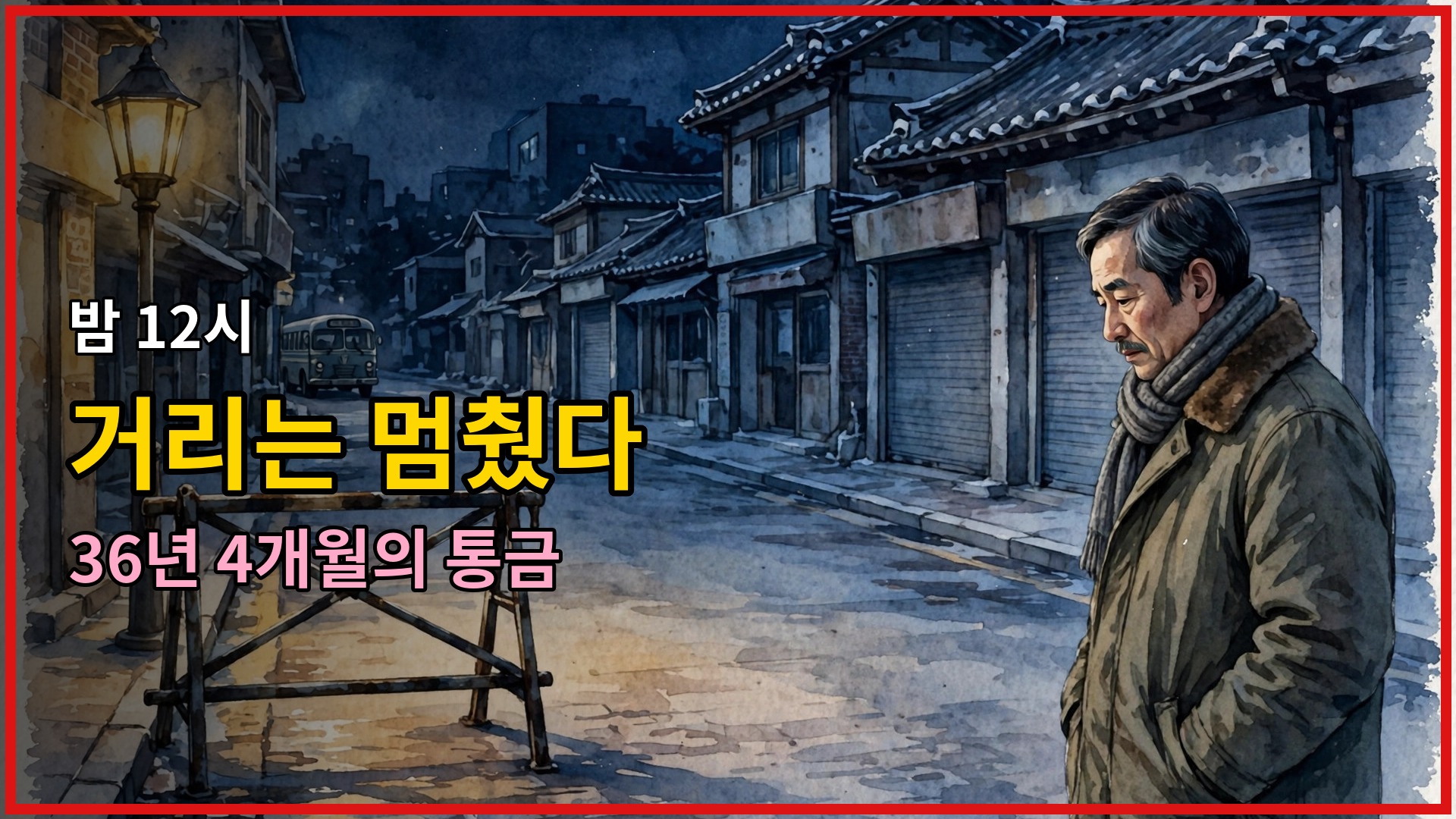
- 밤 12시, 거리는 왜 멈췄을까? 통금이 있던 시절
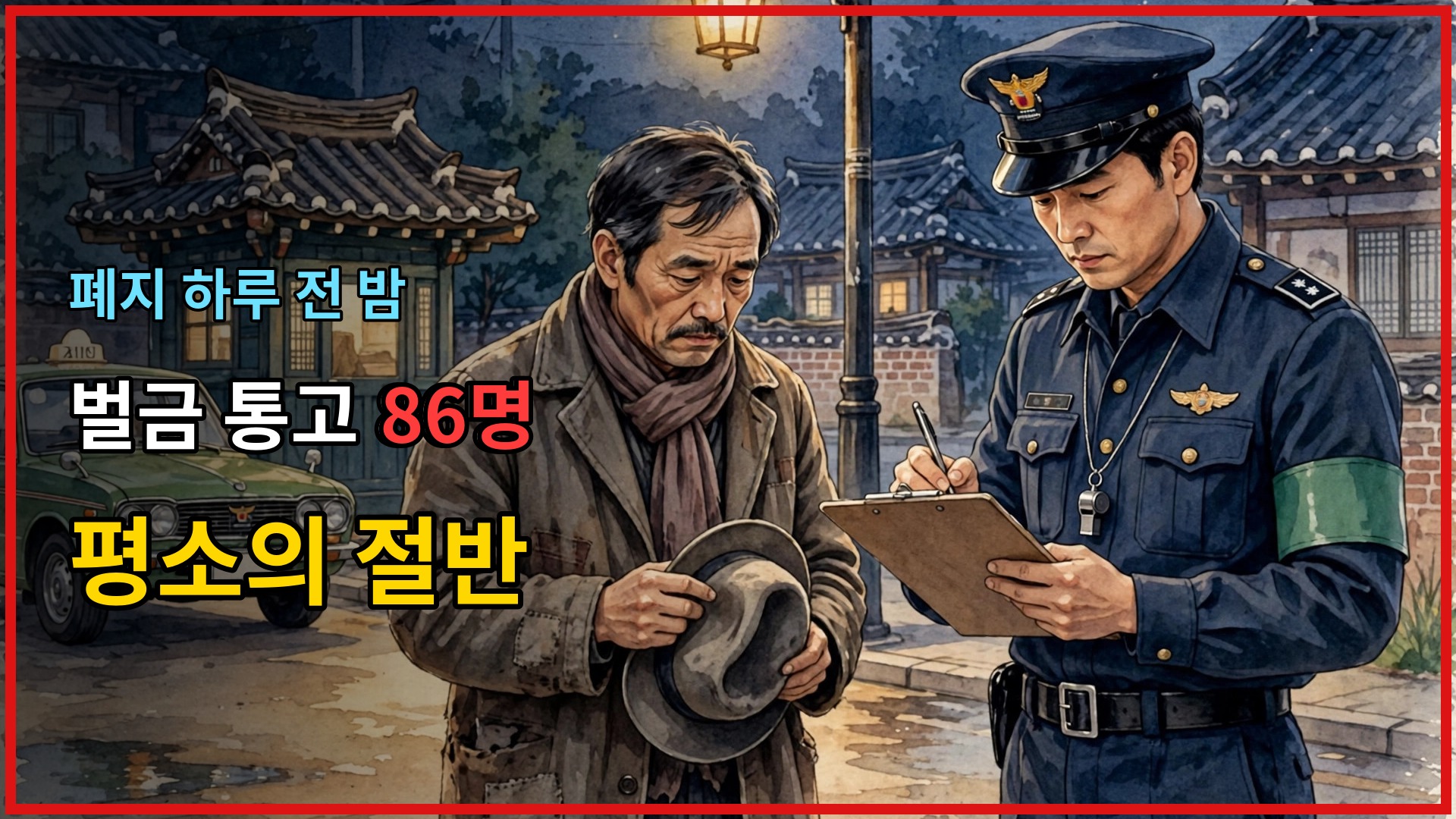
- 마지막 밤, 벌금 통고 86명 — 36년 4개월의 통금이 풀리던 날
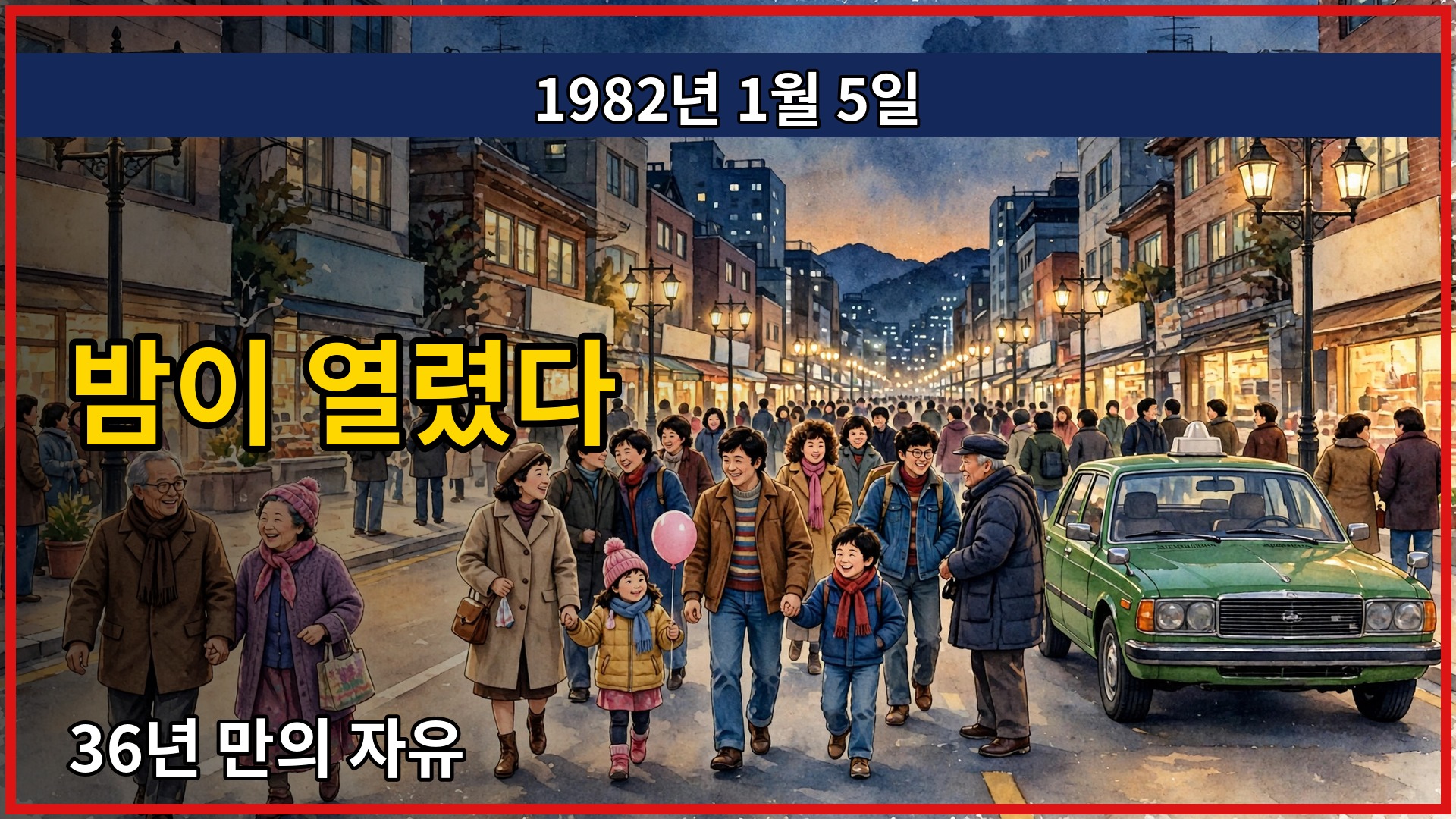
- 자정 사이렌이 울리면 거리는 멈췄습니다 — 1982년 1월 5일, 밤이 열린 날
🎙️ 대본 (약 14분 · Vrew 양식)
📋 Vrew '텍스트로 영상 만들기'에 그대로 붙여넣으세요. 한 줄 = 한 문장 = 한 클립·한 자막 양식입니다.
안녕하세요, 위로집입니다.
오늘도 하루 수고 많으셨습니다.
창밖으로 밤이 깊어갑니다.
이 시간, 거리에 나가도 아무도 붙잡지 않습니다.
그런데 말입니다.
불과 40여 년 전만 해도, 밤 12시가 되면 이 거리는 멈췄습니다.
자정 사이렌이 울리면, 거리에 있는 사람은 누구든 붙잡혔습니다.
밤 12시, 사이렌 소리를 기억하시는 분, 계신가요.
그 시절을 살아낸 분들에게, 밤 12시는 어떤 시간이었을까요.
라디오에서 흘러나오던 목소리,
막차를 타기 위해 뛰던 발걸음,
자정 사이렌 소리.
그 소리를 들으면, 그때의 밤이 떠오르실 겁니다.
오늘 위로집이 준비한 이야기는 야담·야화의 두 번째 이야기,
밤 12시에 멈췄던 거리, 통금이 있던 시절입니다.
실화라서 더 재미있는 옛이야기, 오늘은 그 두 번째 장을 엽니다.
1982년 1월 4일 밤, 서울의 거리에는
평소와 다른 긴장이 흘렀습니다.
내일이면 통금이 풀린다는 걸 모두가 알고 있었지만,
그날 밤 단속은 평소대로 이어졌습니다.
자정부터 새벽 4시까지, 경찰은 거리를 순찰했고,
통금을 어긴 시민 86명이 벌금 통고를 받았습니다.
평소의 절반이었습니다.
폐지를 하루 앞두고도, 시민들은 자정 직전 귀가를 서둘렀습니다.
36년 4개월의 마지막 밤, 그 밤은 그렇게 조용히 지나갔습니다.
그리고 1월 5일 자정, 사이렌은 울리지 않았습니다.
그날부터, 우리나라의 밤은 다시 움직이기 시작했습니다.
통금은 언제 시작됐을까요.
이야기는 600년 전으로 거슬러 올라갑니다.
조선왕조실록에 따르면, 1401년,
태종 1년 5월, 밤 8시가 지나면 거리를 걷는 사람은
모두 붙잡혔습니다.
통행증도 있었습니다.
급한 일이 있으면 순관에 신고하고
경첨이라는 증표를 받아
호송을 받으며 다녔습니다.
위반하면 시간에 따라 곤장을 맞았습니다.
초경에는 10대, 2경에는 20대,
3경에는 30대였습니다.
밤 10시 반을 인정,
새벽 4시 반을 파루라고 불렀습니다.
조선의 통금은 1895년에 폐지됐습니다.
그런데 50년 뒤, 통금은 다시 돌아왔습니다.
1945년 9월 8일, 광복 한 달 뒤였습니다.
미군정은 서울과 인천에 밤 8시부터 아침 5시까지 통행금지를 내렸습니다.
미 제24군 사령관의 일반명령에 따른 것이었고, 치안을 위해서였습니다.
21일 뒤, 시간은 밤 10시부터 새벽 4시로 바뀌었고,
1950년 7월 8일, 한국전쟁이 터지자 통금은 전국으로 확대됐습니다.
1954년 4월 1일, 경범죄처벌법으로 법제화됐습니다.
밤 10시에서 새벽 4시, 5시 사이를 오가던 통금 시간은
1961년이 되어서야 자정부터 새벽 4시로 자리 잡았습니다.
그렇게 36년 4개월, 흔히 37년이라 불리는 긴 밤이 시작됐습니다.
통금이 36년이나 이어진 건, 분단 상황 때문이었습니다.
휴전선을 사이에 둔 준전시 상태에서,
밤의 통제는 국가 안보의 문제로 여겨졌습니다.
그 시절의 밤은 어땠을까요.
매일 밤 10시가 되면, 라디오에서 이런 목소리가 흘러나왔습니다.
청소년 여러분 밤이 깊었습니다. 집으로 돌아갈 시간이 되었습니다.
그 목소리가 들리면, 사람들은 막차를 타기 위해 분주히 움직였습니다.
밤 11시부터 자정까지, 버스와 지하철은 귀가하는 사람들로
북새통이었습니다.
자정이 되면 사이렌이 울렸습니다.
거리 곳곳에 철제 바리케이드가 설치됐고,
2인 1조의 방범대원이 호각을 불며 단속을 시작했습니다.
붙잡히면 가까운 파출소로 끌려가 밤을 보내야 했습니다.
새벽 4시쯤 즉결심판을 받고 벌금을 낸 뒤에야 풀려났습니다.
1979년 당시 벌금은 2,000원, 지금 가치로 3만 원이 넘습니다.
통행증이 있으면 달랐습니다.
막차를 탄 승객은 역이나 터미널에서 스탬프를 받아 합법적으로
밤길을 걸을 수 있었고,
의사나 기자, 공무원에게는 장기간 쓸 수 있는 통행증도 있었습니다.
그 스탬프가 없으면, 자정을 넘긴 밤길은 곧 파출소행이었습니다.
그런데 통행증이 없는 밤은 참으로 길었습니다.
예를 들어, 밤늦게 아이가 아프면,
경찰 배차를 기다리거나 택시를 불러야 했습니다.
시장 상인과 공장 야간 근무자도 자정 전 귀가를 서둘러야 했습니다.
술집과 다방은 밤 10시 반쯤 되면 문을 닫아야 했습니다.
하지만 손님을 안에 둔 채 새벽까지
술과 대화를 이어가는 곳도 흔했다고 합니다.
호텔의 고고클럽은 통금 중에도 영업을 이어갔습니다.
택시는 합승이 기본이었고, 두 배,
세 배 요금을 부르는 게 일상이었습니다.
학원도 통금에 맞춰 교습 시간을 줄여야 했습니다.
국제선 비행기도 통금의 영향을 받았습니다.
밤에 착륙하지 못한 비행기는 일본이나 홍콩,
하와이로 돌아가야 하는 경우도 많았다고 합니다.
같은 도시 안에서 밤의 경계선이 갈린 곳도 있었습니다.
국가기록원에 남겨진 회고에 따르면,
경기도 장호원에서는 개울 하나를 사이에 두고 한쪽은
통금이 있고 한쪽은 통금이 없었다고 합니다.
그 시절의 밤은 그렇게 길고, 조용하고, 조금 불공평했습니다.
하지만 1년에 며칠, 밤이 풀리는 날도 있었습니다.
부처님 오신 날, 크리스마스, 12월 31일에는 통금을 하지 않았습니다.
1950년대에는 이승만 대통령의 생일에도 통금이 풀린 적이 있습니다.
1965년부터는 매년 크리스마스이브와 연말,
자정부터 새벽 4시까지 통금을 실시하지 않았습니다.
그날만큼은 밤거리가 젊은이들로 북적였다고 합니다.
1965년 6월 1일 밤 10시,
종로 보신각에서는 내무장관과 서울 시장이 나와
청소년들에게 집으로 빨리 돌아가라고 타종을 하기도 했습니다.
밤은 조금씩 풀리기 시작했습니다.
1962년 5월, 쿠데타 1주년을 맞아 관광의 달로
지정되며 16일간 통금이 해제됐고,
그해 연말에는 크리스마스이브부터 새해 1월 3일까지
11일간 두 번째 장기 해제가 이어졌습니다.
1964년 1월 제주도, 2월 울릉도,
1965년 3월 충청북도,
1966년 3월에는 화물차의 통금이 풀렸고,
5월에는 온양과 경주 같은 관광 지구의
통금도 풀렸습니다.
1966년 5월에는 외국인 관광객에 대한
통금도 풀렸습니다.
1964년에는 야당인 민정당이 전국적인 통금 폐지 건의안을 냈고,
국회는 조속한 시일 내에 점진적으로 폐지하자는 건의안을 통과시켰습니다.
1967년, 대선과 총선을 앞두고 통금 폐지 이야기가 나왔지만,
선거가 끝나자 흐지부지됐습니다.
밤은 조금씩, 조금씩 돌아오고 있었습니다.
그리고 1981년 가을, 큰 소식이 전해졌습니다.
9월 30일, 바덴바덴에서 열린 국제올림픽위원회 총회에서
1988년 서울올림픽 개최가 결정됐습니다.
11월 초, 여당은 통금 폐지를 국회에 내기로 했고,
12월 초, 국회 내무위원회를 거쳤고,
12월 15일, 국회 본회의를 통과했습니다.
새해를 맞아 통금은 사흘간 풀렸습니다.
축제 분위기를 돋우기 위해서였습니다.
그리고 1982년 1월 1일,
전두환 대통령의 신년사에서 깜짝 발표가 나왔습니다.
1월 5일에 통금을 해제하겠다는 발표였습니다.
신문들은 봄쯤 해제될 거라 예상하고 있었는데,
모두를 놀라게 한 발표였습니다.
1982년 1월 5일 오후 3시,
청와대 국무회의에서 내무부 장관이 해제 안건을 보고했고,
그날 자정, 1월 5일 24시를 기해 통금은 해제됐습니다.
다만 휴전선 가까운 곳과 바닷가 마을은 제외됐습니다.
해제된 지역은 국토의 약 82퍼센트,
16개 항구도시는 면제돼 함께 풀렸습니다.
그날 밤, 서울은 어땠을까요.
버스와 지하철은 30분 더 운행했고, 택시는 밤새 달렸습니다.
그런데 거리는 생각보다 조용했습니다.
이태원의 술집들은 새벽 1시 전에 문을 닫았고,
사람들은 습관 때문에 자정쯤 집으로 돌아갔다고 합니다.
36년 동안 몸에 밴 습관은 하룻밤에 바뀌지 않았습니다.
첫날 밤, 경찰은 혹시 모를 사태에 대비해 특별비상경계에 들어갔지만,
큰 사건이나 사고는 없었다고 합니다.
당시 한 시민은 이렇게 말했다고 합니다.
자정만 되면 늘 긴장했는데, 끝났다니 환상적이다.
다음 날, 외신은 뜻밖의 소식을 전했습니다.
수도권 범죄가 하루 만에 40퍼센트 가까이 줄었다는 보도였습니다.
교통사고도 줄었습니다.
택시 기사들이 자정까지 손님을 서둘러
데려다줄 필요가 없어졌기 때문입니다.
그런데 재미있는 역설이 있었습니다.
택시 기사들의 수입은 오히려 줄었다고 합니다.
자정 전 서두르는 손님들에게 받던 세 배,
다섯 배 할증이 사라졌기 때문입니다.
당시 한 주부는 이렇게 말했다고 합니다.
남편이 더 이상 통금 핑계로 밤늦게까지 밖에 있을 수 없게 돼서 좋다.
다음 날 신문은 통금 해제를
열린 자유 사회로 나아가는 과감한 조치라고
평가하면서도,
반침투 태세의 허점을 우려했습니다.
외신은 이렇게 분석했습니다.
통금 해제는 외국을 의식한 조치였다,
통금이 있는 나라가 올림픽을 연다는 걸
상상할 수 있겠느냐는 것이었습니다.
하지만 공식적인 해제 이유는 하나가 아니었습니다.
국민 생활의 편익, 관광의 진흥,
경제활동의 활성화, 그리고 올림픽과
아시안게임을 앞둔 국가 이미지 제고까지,
여러 이유가 함께 적혀 있었습니다.
올림픽이 결정적인 이유였다는 말은 분석일 뿐,
단정할 수는 없습니다.
머니투데이는 통금 해제를 정부의 이미지 개선
수단이기도 했지만, 국민의 자유와 권리를 회복한
상징적인 조치이기도 했다고 적었습니다.
한편에서는 유흥업소 영업시간이 늘면서 향락적인 사회 환경이
조성될 거라는 우려도 나왔습니다.
해제 직후, 동아일보는 통금 해제로 에너지 비용이
연 270억 원 늘어날 거라고 보도하기도 했습니다.
다만 한 가지는 분명합니다.
그날 밤, 우리나라는 36년 만에 밤을 되찾았습니다.
통금이 풀린 뒤, 밤은 경제의 시간이기도 했습니다.
철야 영업을 내건 가게들이 속속 생겨났고,
농수산물 경매도 이른 시간에 가능해졌습니다.
비행기 이·착륙 시간도 늘어났고, 관광객도 늘었습니다.
서비스 분야의 고용이 늘었고, 소비 심리도 살아났습니다.
그해 우리 경제는 8.5퍼센트,
다음 해에는 13.5퍼센트까지 성장했고,
1989년에는 국내 첫 24시간 편의점이 문을 열었습니다.
밤은 다시, 우리의 시간이 됐습니다.
놀라운 발표는 그 뒤로도 이어졌습니다.
1월 6일에는 교복과 두발 자율화가 지시됐고,
1월 7일에는 고위직 6명을 바꾸는 개각이 단행됐습니다.
통금 해제는 그해 1월, 연이은 변화의 시작이었습니다.
해제 1주년이 되자, 국립영화제작소는
통금 해제를 알리는 홍보영화를 만들어
극장에서 상영하기도 했습니다.
그런데 통금이 완전히 사라진 건 그날이 아니었습니다.
1982년 3월에는 전방 접적지역 3개면과
후방 해안지역 33개 읍면이 추가로 풀렸습니다.
다만 민통선 지역인 철원군 근동면 등 6개면은
오히려 새로 통금지역으로 지정됐습니다.
1986년에는 안성, 삼척, 대천, 여천의
통금이 풀렸습니다.
1988년 1월에는 휴전선 인접 지역까지 해제됐고,
민통선 일부 지역은 1989년 12월 조정 때까지 통금이
남아 있었습니다.
그리고 지금도, 비무장지대 안 대성동,
자유의 마을에는 통금이 남아 있습니다.
우리나라에서 마지막으로 밤이 멈추는 곳입니다.
통금이 사라진 뒤에도, 2008년 12월에는 한때
통금 부활론이 일기도 했습니다.
하지만 무산됐습니다.
밤은 다시는 멈추지 않았습니다.
자정 사이렌이 울리면 거리가 멈췄던 시절,
그 밤을 살아낸 분들은 지금 50대,
60대, 70대입니다.
그분들에게 밤 12시는 그저 시간이 아니었습니다.
돌아가야 할 시간이었고, 붙잡히면 안 되는 시간이었고,
하루의 끝을 알리는 사이렌이었습니다.
오늘, 우리는 밤 12시가 넘어도 거리를 걸을 수 있습니다.
지금 우리나라의 밤은 다른 나라와 비교해도
치안이 안정된 밤이라고 합니다.
편의점 불빛이 켜져 있고, 버스도, 택시도 달립니다.
그 당연한 밤이 당연하지 않았던 시절이 있었습니다.
밤 12시, 지금은 그저 하루가 바뀌는 시간입니다.
하지만 그 시간을 살아낸 분들에게는, 그 시간이 곧 한 시대였습니다.
36년 4개월의 밤을 지나, 우리는 밤을 되찾았습니다.
밤 12시, 그 시간은 우리에게 무엇을 남겼을까요.
어쩌면, 당연한 것이 당연하지 않았다는 기억입니다.
밤을 되찾은 지 40여 년, 이제 밤 12시는 그저 숫자에 불과합니다.
하지만 그 숫자가 자유가 아니었던 시절이 있었습니다.
그 시절을 기억하는 분들이 계시기에, 오늘의 밤은 더 소중합니다.
오늘의 한마디입니다.
통금이 풀린 그날 밤, 우리가 되찾은 건
자정 이후의 시간이 아니었습니다.
밤을 살아갈 자유였습니다.
오늘 이야기는 여기까지입니다.
위로집이었습니다.
편안한 밤 되세요.
🖼️ 이미지 프롬프트 (대본 순서대로)
📋 Vrew 나레이션 재생 중 띄울 배경 이미지용. 따뜻한 힐링 일러스트 스타일.
# 위로집 81번 이미지 프롬프트 (49개)
# 대본: ~/workspace/goals/wirojip-youtube-long-form-pipeline/packages/topic-81-script.txt
# 기준: 영문, 각 400자 이상(공백 포함·줄바꿈 제외), warm watercolor storybook illustration / 16:9 / no text 필수 (실사 아님 — 애니메이션 스타일)
# 배치: 앞 11장 = 대본 첫 ~1,400자 구간 집중 배치, 뒤 38장 = 나머지 구간 배치 (총 49장)
# 인물 일관성: 특정 주인공이 아니라 시대 자체가 주인공 — 반복 등장 인물은 1970~80년대 한국인으로 통일 (중년 남성: 40대, 짧은 검은 머리, 어두운 양복 / 젊은 여성: 20대, 짧은 단발머리, 1970년대 블라우스 / 노년 부부: 60대 후반, 회색 머리). 조선시대 장면은 한복·갓 차림. 전두환 대통령은 TV 화면 속 장면으로만, 얼굴 클로즈업 금지.
## 1. 따뜻한 오프닝 인사 (나레이션: "안녕하세요, 위로집입니다.")
A cozy Korean living room at dusk, a senior Korean couple in their late 60s sitting together on a warm wooden floor, the woman holding a ceramic teacup with both hands and smiling gently toward the viewer, the man beside her with short silver hair and a kind expression, soft golden lamplight glowing around them, a window behind showing a deep blue evening sky, a small vase of wildflowers on a low wooden table, a calm and welcoming atmosphere, warm watercolor storybook illustration, soft warm tones, ethnically Korean with natural Korean facial features, must unmistakably read as Korean, not Chinese or Japanese, wearing comfortable beige cardigans, 16:9 aspect ratio, no text, no letters, no watermark

## 2. 밤이 깊어가는 창밖 (나레이션: "창밖으로 밤이 깊어갑니다.")
A quiet Korean living room window at night, seen from inside a warm home, deep blue darkness gathering outside the glass while soft golden lamplight glows on the wooden windowsill, a ceramic teacup and a small potted plant resting nearby, the silhouette of distant rooftops and a single streetlamp fading into the blue night, a peaceful and slightly nostalgic mood as the day ends, warm watercolor storybook illustration, soft warm tones, 16:9 aspect ratio, no text, no letters, no watermark

## 3. 밤 12시에 멈춘 거리 (나레이션: "불과 40여 년 전만 해도, 밤 12시가 되면 이 거리는 멈췄습니다.")
A 1970s Seoul street at midnight, completely empty and silent under a dark blue sky, old low-rise shops with their shutters closed and a single dim streetlamp glowing, an old round 1970s Korean taxi parked at the curb with its headlights off, a large round wall clock on a shop front showing midnight, long soft shadows across the quiet road, a still and slightly eerie mood, warm watercolor storybook illustration, soft warm tones, 16:9 aspect ratio, no text, no letters, no watermark

## 4. 자정 사이렌 (나레이션: "자정 사이렌이 울리면, 거리에 있는 사람은 누구든 붙잡혔습니다.")
A tall old-fashioned siren pole on a 1970s Seoul street corner at midnight, its loudspeaker horn catching cold moonlight, an empty dark road stretching away beneath it, a few low shops with closed shutters and one faint streetlamp, a middle-aged Korean man in his 40s with short black hair hurrying away in the distance in a dark suit, his coat flapping as he rushes home, a tense and urgent mood, warm watercolor storybook illustration, soft warm tones, ethnically Korean with natural Korean facial features, must unmistakably read as Korean, not Chinese or Japanese, 16:9 aspect ratio, no text, no letters, no watermark

## 5. 라디오, 막차, 사이렌의 기억 (나레이션: "라디오에서 흘러나오던 목소리,막차를 타기 위해 뛰던 발걸음,자정 사이렌 소리.")
A warm and nostalgic montage-like scene of a 1970s Korean evening in three soft vignettes, an old wooden radio glowing warm on a table, a young Korean woman in her 20s with short bob hair and a 1970s blouse running to catch a crowded old blue city bus, and a tall siren pole against a deep blue night sky, the three moments flowing together in soft golden and blue watercolor tones, a tender memory of a time gone by, warm watercolor storybook illustration, soft warm tones, ethnically Korean with natural Korean facial features, must unmistakably read as Korean, not Chinese or Japanese, 16:9 aspect ratio, no text, no letters, no watermark

## 6. 야담·야화 두 번째 이야기 (나레이션: "오늘 위로집이 준비한 이야기는 야담·야화의 두 번째 이야기,밤 12시에 멈췄던 거리, 통금이 있던 시절입니다.")
An open old storybook with warm glowing pages resting on a wooden table in a cozy Korean living room at dusk, soft golden light rising from the pages like gentle fireflies, an elderly Korean woman's hand turning a page, a small brass alarm clock and a ceramic teacup beside the book, the room softly blurred in warm evening light, the feeling of a true old story about to begin, warm watercolor storybook illustration, soft warm tones, ethnically Korean with natural Korean facial features, must unmistakably read as Korean, not Chinese or Japanese, 16:9 aspect ratio, no text, no letters, no watermark

## 7. 마지막 밤의 긴장 (나레이션: "1982년 1월 4일 밤, 서울의 거리에는평소와 다른 긴장이 흘렀습니다.")
A 1982 Seoul street on a cold January night, people hurrying home with tense faces under dim streetlamps, a middle-aged Korean man in his 40s with short black hair glancing at his wristwatch as he walks quickly, a young Korean woman in her 20s with short bob hair clutching her coat against the winter cold, old shops closing their shutters early, a pale winter moon over the rooftops, an atmosphere of quiet tension before a big change, warm watercolor storybook illustration, soft warm tones, ethnically Korean with natural Korean facial features, must unmistakably read as Korean, not Chinese or Japanese, wearing 1980s winter coats, 16:9 aspect ratio, no text, no letters, no watermark

## 8. 벌금 통고 86명 (나레이션: "통금을 어긴 시민 86명이 벌금 통고를 받았습니다.")
A small 1980s Korean police box at night, warm yellow light glowing from its windows onto the quiet street, a uniformed Korean policeman in his 30s with a neat cap standing at the door holding a small paper slip, a middle-aged Korean man in his 40s with short black hair standing before him with a resigned expression, old 1980s Seoul shops and a dark empty road behind them, a somber yet gentle scene with no confrontation and no depiction of force, warm watercolor storybook illustration, soft warm tones, ethnically Korean with natural Korean facial features, must unmistakably read as Korean, not Chinese or Japanese, 16:9 aspect ratio, no text, no letters, no watermark

## 9. 조용히 지나간 마지막 밤 (나레이션: "36년 4개월의 마지막 밤, 그 밤은 그렇게 조용히 지나갔습니다.")
A quiet 1982 Seoul street just before dawn, soft blue-grey light slowly touching the rooftops, an empty road with a few fallen winter leaves, old shops with closed shutters and one streetlamp still glowing faintly, a single figure of a middle-aged Korean man in his 40s walking home slowly in the distance, the first pale light of morning breaking over the city, a peaceful and reflective mood, the end of a very long night, warm watercolor storybook illustration, soft warm tones, ethnically Korean with natural Korean facial features, must unmistakably read as Korean, not Chinese or Japanese, 16:9 aspect ratio, no text, no letters, no watermark

## 10. 사이렌이 울리지 않은 자정 (나레이션: "그리고 1월 5일 자정, 사이렌은 울리지 않았습니다.")
A tall old siren pole on a 1982 Seoul street at midnight, standing silent under a clear starry sky, its loudspeaker dark and still, the street below calm with a few people walking freely and unhurried, warm light spilling from a late-night shop doorway, a young Korean woman in her 20s with short bob hair smiling softly as she strolls, the first night without the siren, a quiet and hopeful mood, warm watercolor storybook illustration, soft warm tones, ethnically Korean with natural Korean facial features, must unmistakably read as Korean, not Chinese or Japanese, 16:9 aspect ratio, no text, no letters, no watermark

## 11. 다시 움직이기 시작한 밤 (나레이션: "그날부터, 우리나라의 밤은 다시 움직이기 시작했습니다.")
A 1982 Seoul street just after midnight, coming gently alive, an old blue city bus rolling slowly down the road with its warm interior lights on, a few Korean people walking freely on the sidewalk, a middle-aged Korean man in his 40s with short black hair and a young Korean woman in her 20s with short bob hair chatting as they walk, shop signs glowing softly, the city waking up after a long sleep, a hopeful and warm mood, warm watercolor storybook illustration, soft warm tones, ethnically Korean with natural Korean facial features, must unmistakably read as Korean, not Chinese or Japanese, 16:9 aspect ratio, no text, no letters, no watermark

## 12. 600년 전으로 (나레이션: "이야기는 600년 전으로 거슬러 올라갑니다.")
An old Joseon dynasty street at night six hundred years ago, wooden gates and tiled roofs under a deep blue sky full of stars, a night watchman in traditional hanbok and a black gat hat walking slowly with a paper lantern glowing warm in his hand, soft golden light falling on the quiet earthen road, a distant palace wall and pine trees in the background, a timeless and peaceful historical mood, warm watercolor storybook illustration, soft warm tones, ethnically Korean with natural Korean facial features, must unmistakably read as Korean, not Chinese or Japanese, 16:9 aspect ratio, no text, no letters, no watermark

## 13. 1401년, 조선왕조실록 (나레이션: "조선왕조실록에 따르면, 1401년,태종 1년 5월, 밤 8시가 지나면 거리를 걷는 사람은모두 붙잡혔습니다.")
An ancient Korean royal record book with aged yellowed pages resting open on a dark wooden desk, a brush and an inkstone beside it, soft candlelight glowing across the old paper with faint indistinct written lines, an elderly Korean scholar in Joseon hanbok and a black gat hat leaning over the book in quiet concentration, a palace library in soft shadow behind him, a solemn and historic atmosphere, warm watercolor storybook illustration, soft warm tones, ethnically Korean with natural Korean facial features, must unmistakably read as Korean, not Chinese or Japanese, 16:9 aspect ratio, no text, no letters, no watermark

## 14. 경첨, 조선의 통행증 (나레이션: "급한 일이 있으면 순관에 신고하고경첨이라는 증표를 받아호송을 받으며 다녔습니다.")
A Joseon dynasty night street, a young Korean man in hanbok and a black gat hat holding a small wooden pass tablet with both hands, a uniformed Joseon night patrolman with a lantern walking beside him as an escort, warm lantern light glowing on their faces, old wooden gates and tiled roofs along the quiet road, a gentle and respectful mood, a six-hundred-year-old travel permit, warm watercolor storybook illustration, soft warm tones, ethnically Korean with natural Korean facial features, must unmistakably read as Korean, not Chinese or Japanese, 16:9 aspect ratio, no text, no letters, no watermark

## 15. 인정과 파루 (나레이션: "밤 10시 반을 인정,새벽 4시 반을 파루라고 불렀습니다.")
A Joseon dynasty night watchman in hanbok and a black gat hat standing on a quiet old street at night, ringing a small brass bell with one hand and holding a glowing paper lantern in the other, warm golden light spilling across the earthen road, old wooden gates and tiled roofs in soft shadow behind him, a large pale moon in the deep blue sky, a calm and timeless night scene, warm watercolor storybook illustration, soft warm tones, ethnically Korean with natural Korean facial features, must unmistakably read as Korean, not Chinese or Japanese, 16:9 aspect ratio, no text, no letters, no watermark

## 16. 1895년, 통금 폐지 (나레이션: "조선의 통금은 1895년에 폐지됐습니다.")
A Joseon dynasty city gate at dawn in 1895, its great wooden doors standing wide open, soft golden sunrise light streaming through the gate onto the road, Korean people in hanbok and gat hats walking freely in and out of the gate, a night watchman putting away his lantern with a relieved smile, birds in the pale morning sky, a hopeful new morning after centuries of closed nights, warm watercolor storybook illustration, soft warm tones, ethnically Korean with natural Korean facial features, must unmistakably read as Korean, not Chinese or Japanese, 16:9 aspect ratio, no text, no letters, no watermark

## 17. 1945년, 미군정 포고 (나레이션: "미군정은 서울과 인천에 밤 8시부터 아침 5시까지 통행금지를 내렸습니다.")
A 1945 Seoul street in the early evening, an old American military jeep parked at a street corner with its headlights on, a plain official notice board standing beside the road, Korean people in 1940s clothing walking home quickly under a dusky sky, old tiled roofs and wooden shops along the road, a soft amber sunset behind the city, a historic and somber mood, the beginning of a long curfew, warm watercolor storybook illustration, soft warm tones, ethnically Korean with natural Korean facial features, must unmistakably read as Korean, not Chinese or Japanese, 16:9 aspect ratio, no text, no letters, no watermark

## 18. 전쟁, 전국으로 확대된 통금 (나레이션: "1950년 7월 8일, 한국전쟁이 터지자 통금은 전국으로 확대됐습니다.")
A somber 1950 Korean countryside road at dusk, families carrying bundles and walking away from a distant town, an old military truck parked by the roadside, smoke rising faintly on the horizon under a darkening sky, a middle-aged Korean man in his 40s helping an elderly woman along the road, the mood heavy yet warm with human kindness, a nation in wartime and a curfew spreading across the whole country, warm watercolor storybook illustration, soft warm tones, ethnically Korean with natural Korean facial features, must unmistakably read as Korean, not Chinese or Japanese, wearing 1950s Korean clothing, 16:9 aspect ratio, no text, no letters, no watermark

## 19. 경범죄처벌법으로 법제화 (나레이션: "1954년 4월 1일, 경범죄처벌법으로 법제화됐습니다.")
A 1950s Korean government office interior, a wooden desk with a stack of official documents tied with string, a fountain pen and an ink bottle beside them, a brass seal stamp resting on the papers, warm morning light streaming through a tall window, an elderly Korean official in a dark 1950s suit sitting at the desk in quiet concentration, the law that made the curfew official, a solemn and historic mood, warm watercolor storybook illustration, soft warm tones, ethnically Korean with natural Korean facial features, must unmistakably read as Korean, not Chinese or Japanese, 16:9 aspect ratio, no text, no letters, no watermark

## 20. 1961년, 자정부터 새벽 4시 (나레이션: "1961년이 되어서야 자정부터 새벽 4시로 자리 잡았습니다.")
A 1960s Seoul street at midnight, a large round clock on a shop wall showing twelve o'clock, an empty quiet road under a dark blue sky, a few old shops with their lights going out one by one, a middle-aged Korean man in his 40s with short black hair hurrying home with his coat collar turned up, the clock's hands glowing softly in the dark, the four-hour night now fixed in place, a calm and slightly lonely mood, warm watercolor storybook illustration, soft warm tones, ethnically Korean with natural Korean facial features, must unmistakably read as Korean, not Chinese or Japanese, wearing a 1960s dark suit, 16:9 aspect ratio, no text, no letters, no watermark

## 21. 분단 상황, 밤의 통제 (나레이션: "통금이 36년이나 이어진 건, 분단 상황 때문이었습니다.")
A quiet hillside near the demilitarized zone at dusk, layers of barbed wire fences and a small guard post silhouetted against a deep orange sunset, a young Korean soldier standing watch in soft focus in the distance, pine trees and misty mountains behind, the mood solemn and thoughtful, a divided land and a night kept under watch, warm watercolor storybook illustration, soft warm tones, ethnically Korean with natural Korean facial features, must unmistakably read as Korean, not Chinese or Japanese, 16:9 aspect ratio, no text, no letters, no watermark

## 22. 밤 10시, 라디오 (나레이션: "매일 밤 10시가 되면, 라디오에서 이런 목소리가 흘러나왔습니다.")
A cozy 1970s Korean living room at ten in the evening, an old wooden vacuum-tube radio glowing warm amber on a low table, a senior Korean couple in their late 60s listening quietly, the woman holding a ceramic teacup and the man with short silver hair leaning slightly toward the radio, soft golden lamplight and a dark blue night outside the window, a calm and familiar nightly ritual, warm watercolor storybook illustration, soft warm tones, ethnically Korean with natural Korean facial features, must unmistakably read as Korean, not Chinese or Japanese, wearing comfortable 1970s home clothes, 16:9 aspect ratio, no text, no letters, no watermark

## 23. 라디오 멘트 (나레이션: "청소년 여러분 밤이 깊었습니다. 집으로 돌아갈 시간이 되었습니다.")
A 1970s Korean family living room at night, an old wooden radio on a low table with its warm amber dial glowing, a teenage Korean boy and girl in 1970s school clothes standing up from the floor cushions and reaching for their coats, their parents watching them with gentle smiles, soft golden lamplight and a dark window behind them, the familiar voice of the radio sending the children home, a warm and nostalgic family moment, warm watercolor storybook illustration, soft warm tones, ethnically Korean with natural Korean facial features, must unmistakably read as Korean, not Chinese or Japanese, 16:9 aspect ratio, no text, no letters, no watermark

## 24. 막차 북새통 (나레이션: "밤 11시부터 자정까지, 버스와 지하철은 귀가하는 사람들로북새통이었습니다.")
A crowded old blue 1970s Seoul city bus at eleven at night, its warm interior lights glowing, Korean people in 1970s clothing pressed close together inside, a middle-aged Korean man in his 40s with short black hair holding a strap overhead and a young Korean woman in her 20s with short bob hair clutching her bag, the bus rolling through a dark street lined with dim shop signs, the rush to get home before midnight, a lively and slightly chaotic mood, warm watercolor storybook illustration, soft warm tones, ethnically Korean with natural Korean facial features, must unmistakably read as Korean, not Chinese or Japanese, 16:9 aspect ratio, no text, no letters, no watermark

## 25. 사이렌과 바리케이드 (나레이션: "자정이 되면 사이렌이 울렸습니다.")
A 1970s Seoul street at midnight, iron barricades standing across the road under a tall siren pole, two Korean civil defense patrolmen in their 30s with caps and armbands walking in step and blowing whistles, their breath visible in the cold night air, an empty dark street stretching away behind them, a single streetlamp glowing cold blue, a tense and silent night, warm watercolor storybook illustration, soft warm tones, ethnically Korean with natural Korean facial features, must unmistakably read as Korean, not Chinese or Japanese, 16:9 aspect ratio, no text, no letters, no watermark

## 26. 파출소로 끌려가다 (나레이션: "붙잡히면 가까운 파출소로 끌려가 밤을 보내야 했습니다.")
A small 1970s Korean police box at night, its windows glowing warm yellow onto the quiet street, a uniformed Korean policeman in his 30s with a neat cap opening the door for a tired middle-aged Korean man in his 40s with short black hair, the man looking down with a weary and resigned expression, an old wooden bench and a kettle visible inside the small office, the street outside empty and dark, a somber yet gentle scene with no confrontation and no depiction of force, warm watercolor storybook illustration, soft warm tones, ethnically Korean with natural Korean facial features, must unmistakably read as Korean, not Chinese or Japanese, 16:9 aspect ratio, no text, no letters, no watermark

## 27. 벌금 2,000원 (나레이션: "1979년 당시 벌금은 2,000원, 지금 가치로 3만 원이 넘습니다.")
A close-up of old 1970s Korean banknotes and coins arranged neatly on a worn wooden table, a small paper fine notice lying beside them with soft blurred printed lines, warm morning light falling across the table, a pair of reading glasses and a ceramic teacup nearby, a quiet and thoughtful mood, the price of one night outside, warm watercolor storybook illustration, soft warm tones, 16:9 aspect ratio, no text, no letters, no watermark

## 28. 통행증 스탬프 (나레이션: "막차를 탄 승객은 역이나 터미널에서 스탬프를 받아 합법적으로밤길을 걸을 수 있었고,")
A 1970s Korean train station platform late at night, a station clerk in a dark uniform stamping a paper ticket with a round rubber stamp, a middle-aged Korean man in his 40s with short black hair holding out his ticket with a relieved expression, a young Korean woman in her 20s with short bob hair waiting beside him with her travel bag, an old train with warm glowing windows behind them, a small act of permission in a strict night, warm watercolor storybook illustration, soft warm tones, ethnically Korean with natural Korean facial features, must unmistakably read as Korean, not Chinese or Japanese, 16:9 aspect ratio, no text, no letters, no watermark

## 29. 밤늦게 아이가 아프면 (나레이션: "예를 들어, 밤늦게 아이가 아프면,경찰 배차를 기다리거나 택시를 불러야 했습니다.")
A tender 1970s Korean night scene, a young Korean mother in her 30s with short black hair holding her small sick child wrapped in a blanket, standing at a dark street corner under a streetlamp and looking anxiously down the empty road, an old 1970s taxi approaching in the distance with its headlights glowing, warm light on her worried face, a mother's worry in the middle of a forbidden night, warm watercolor storybook illustration, soft warm tones, ethnically Korean with natural Korean facial features, must unmistakably read as Korean, not Chinese or Japanese, wearing a 1970s coat, 16:9 aspect ratio, no text, no letters, no watermark

## 30. 술집과 다방, 문 닫는 시간 (나레이션: "술집과 다방은 밤 10시 반쯤 되면 문을 닫아야 했습니다.")
A 1970s Korean tea house interior in the evening, warm paper lanterns glowing over low wooden tables, a Korean shop owner in his 50s with short black hair gently pulling a wooden shutter across the entrance, a few customers in 1970s clothing putting on their coats to leave, ceramic teapots and cups on the tables, the soft golden light of a closing evening, a quiet and slightly wistful mood, warm watercolor storybook illustration, soft warm tones, ethnically Korean with natural Korean facial features, must unmistakably read as Korean, not Chinese or Japanese, 16:9 aspect ratio, no text, no letters, no watermark

## 31. 문 닫고 새벽까지 (나레이션: "하지만 손님을 안에 둔 채 새벽까지술과 대화를 이어가는 곳도 흔했다고 합니다.")
A 1970s Korean drinking house at night seen from the outside, its wooden shutters closed tight, warm golden light leaking through the cracks and gaps, the soft silhouettes of people talking and laughing visible faintly through a paper window, a few empty bottles on a small table outside, the quiet dark street around it, a hidden warm world continuing behind closed doors, warm watercolor storybook illustration, soft warm tones, ethnically Korean with natural Korean facial features, must unmistakably read as Korean, not Chinese or Japanese, 16:9 aspect ratio, no text, no letters, no watermark

## 32. 택시 합승 (나레이션: "택시는 합승이 기본이었고, 두 배,세 배 요금을 부르는 게 일상이었습니다.")
An old 1970s Korean taxi at night with its roof sign glowing, three Korean passengers in 1970s clothing squeezing into the back seat together, a middle-aged Korean man in his 40s with short black hair in the front seat counting paper bills in his hand, the taxi driver in his 50s with a cap smiling in the rear-view mirror, streetlamps and dark shop fronts passing by outside the windows, the everyday bargain of a shared ride home, warm watercolor storybook illustration, soft warm tones, ethnically Korean with natural Korean facial features, must unmistakably read as Korean, not Chinese or Japanese, 16:9 aspect ratio, no text, no letters, no watermark

## 33. 장호원, 개울 사이의 경계선 (나레이션: "국가기록원에 남겨진 회고에 따르면,경기도 장호원에서는 개울 하나를 사이에 두고 한쪽은통금이 있고 한쪽은 통금이 없었다고 합니다.")
A small Korean country town at night in the 1970s, a narrow stream running through the middle of the town, one bank bright with warm lights from a few small shops where people are still talking and drinking, the other bank dark and silent with closed shutters, a small wooden bridge crossing the stream in the middle, a middle-aged Korean man in his 40s with short black hair standing on the bridge looking from one side to the other, an unfair and quietly strange border drawn by a stream, warm watercolor storybook illustration, soft warm tones, ethnically Korean with natural Korean facial features, must unmistakably read as Korean, not Chinese or Japanese, 16:9 aspect ratio, no text, no letters, no watermark

## 34. 밤이 풀리는 날 (나레이션: "부처님 오신 날, 크리스마스, 12월 31일에는 통금을 하지 않았습니다.")
A joyful 1970s Korean street on Christmas Eve at night, colorful paper lanterns and small electric lights strung across the road, young Korean people in 1970s winter coats walking happily together under the lights, a young Korean woman in her 20s with short bob hair laughing with her friends, a decorated Christmas tree glowing in a shop window, the night finally free and full of laughter, warm watercolor storybook illustration, soft warm tones, ethnically Korean with natural Korean facial features, must unmistakably read as Korean, not Chinese or Japanese, 16:9 aspect ratio, no text, no letters, no watermark

## 35. 보신각 타종 (나레이션: "1965년 6월 1일 밤 10시,종로 보신각에서는 내무장관과 서울 시장이 나와청소년들에게 집으로 빨리 돌아가라고 타종을 하기도 했습니다.")
The Bosingak bell pavilion in Jongno, Seoul at night in 1965, a large bronze bell hanging in the open wooden pavilion, two dignified Korean officials in 1960s dark suits standing beside the bell with a wooden beam ready to strike it, a crowd of young Korean people in 1960s school clothes gathered in the square below listening quietly, warm lamplight glowing on the old wooden pavilion and the bell's bronze surface, a solemn civic moment, warm watercolor storybook illustration, soft warm tones, ethnically Korean with natural Korean facial features, must unmistakably read as Korean, not Chinese or Japanese, 16:9 aspect ratio, no text, no letters, no watermark

## 36. 1962년, 관광의 달 (나레이션: "1962년 5월, 쿠데타 1주년을 맞아 관광의 달로지정되며 16일간 통금이 해제됐고,")
A bright 1962 Korean tourist street in May, colorful festival banners strung between old shops, Korean families in 1960s clothing strolling happily in the warm evening light, a young Korean woman in her 20s with short bob hair taking a photograph with an old film camera, street vendors selling snacks from small carts, the night open and festive for sixteen days, a rare and joyful break from the curfew, warm watercolor storybook illustration, soft warm tones, ethnically Korean with natural Korean facial features, must unmistakably read as Korean, not Chinese or Japanese, 16:9 aspect ratio, no text, no letters, no watermark

## 37. 조금씩 풀리는 밤 (나레이션: "1964년 1월 제주도, 2월 울릉도,1965년 3월 충청북도,1966년 3월에는 화물차의 통금이 풀렸고,5월에는 온양과 경주 같은 관광 지구의통금도 풀렸습니다.")
A warm symbolic image of the Korean peninsula at night seen from above, soft golden lights gradually spreading across the southern coast and islands like Jeju, warm lights glowing along the roads where old trucks travel freely, a few fishing boats with lanterns on the dark sea, the rest of the map still in soft blue shadow, the night slowly opening region by region, a hopeful and poetic image, warm watercolor storybook illustration, soft warm tones, 16:9 aspect ratio, no text, no letters, no watermark

## 38. 1964년, 통금 폐지 건의안 (나레이션: "1964년에는 야당인 민정당이 전국적인 통금 폐지 건의안을 냈고,국회는 조속한 시일 내에 점진적으로 폐지하자는 건의안을 통과시켰습니다.")
The National Assembly building in Seoul in 1964, its modern white facade glowing in warm evening light, a few Korean officials in 1960s dark suits walking up the wide stone steps carrying document folders, a middle-aged Korean man in his 40s with short black hair holding a thick paper proposal in both hands, pine trees and a clear sky behind the building, a formal and hopeful moment of democracy at work, warm watercolor storybook illustration, soft warm tones, ethnically Korean with natural Korean facial features, must unmistakably read as Korean, not Chinese or Japanese, 16:9 aspect ratio, no text, no letters, no watermark

## 39. 1988년 서울올림픽 결정 (나레이션: "9월 30일, 바덴바덴에서 열린 국제올림픽위원회 총회에서1988년 서울올림픽 개최가 결정됐습니다.")
A grand European conference hall in 1981, rows of delegates in dark suits applauding warmly, colorful international flags hanging from the ceiling, a large Olympic rings symbol glowing on the stage, golden light streaming through tall windows, a middle-aged Korean delegate in his 40s with short black hair smiling with joy and relief among the crowd, a historic decision that would change a nation's nights, warm watercolor storybook illustration, soft warm tones, ethnically Korean with natural Korean facial features, must unmistakably read as Korean, not Chinese or Japanese, 16:9 aspect ratio, no text, no letters, no watermark

## 40. 신년사, 깜짝 발표 (나레이션: "그리고 1982년 1월 1일,전두환 대통령의 신년사에서 깜짝 발표가 나왔습니다.")
A cozy 1980s Korean living room on New Year's morning, a family gathered around an old CRT television, the television screen glowing with the soft blurred figure of a man in a dark suit delivering an address from a podium, the screen kept deliberately out of focus with no recognizable face, a senior Korean couple in their late 60s and a young Korean woman in her 20s with short bob hair watching with surprised expressions, warm morning light through the window, a moment of unexpected news, warm watercolor storybook illustration, soft warm tones, ethnically Korean with natural Korean facial features, must unmistakably read as Korean, not Chinese or Japanese, 16:9 aspect ratio, no text, no letters, no watermark

## 41. 국무회의, 해제 안건 (나레이션: "1982년 1월 5일 오후 3시,청와대 국무회의에서 내무부 장관이 해제 안건을 보고했고,그날 자정, 1월 5일 24시를 기해 통금은 해제됐습니다.")
A formal 1980s Korean cabinet meeting room in the afternoon, a long polished wooden table with leather chairs, Korean ministers in dark suits seated in a row listening seriously, one minister standing and presenting a thick document folder, a large round wall clock showing three o'clock, warm light streaming through tall windows and a Korean flag standing in the corner, a historic decision being made, warm watercolor storybook illustration, soft warm tones, ethnically Korean with natural Korean facial features, must unmistakably read as Korean, not Chinese or Japanese, 16:9 aspect ratio, no text, no letters, no watermark

## 42. 첫날 밤, 서울은 어땠을까 (나레이션: "그날 밤, 서울은 어땠을까요.")
A wide 1982 Seoul street just after midnight on the first night without curfew, surprisingly calm and quiet, a few Korean people strolling slowly under the streetlamps, an old blue city bus rolling gently past with warm lights glowing inside, shop signs shining softly, a young Korean woman in her 20s with short bob hair walking unhurried with a soft smile, the city peaceful under a clear starry sky, a quiet and wondrous mood, warm watercolor storybook illustration, soft warm tones, ethnically Korean with natural Korean facial features, must unmistakably read as Korean, not Chinese or Japanese, 16:9 aspect ratio, no text, no letters, no watermark

## 43. 이태원, 새벽 1시 전에 문을 닫다 (나레이션: "이태원의 술집들은 새벽 1시 전에 문을 닫았고,사람들은 습관 때문에 자정쯤 집으로 돌아갔다고 합니다.")
A quiet 1982 Itaewon street just before one in the morning, small bars with warm lights closing their doors early, a few Korean people in 1980s clothing walking home in small groups, a middle-aged Korean man in his 40s with short black hair glancing at his wristwatch out of old habit, a taxi waiting patiently at the curb with its headlights on, the street calm and sleepy despite the new freedom, a gentle and slightly funny scene of old habits, warm watercolor storybook illustration, soft warm tones, ethnically Korean with natural Korean facial features, must unmistakably read as Korean, not Chinese or Japanese, 16:9 aspect ratio, no text, no letters, no watermark

## 44. 범죄가 줄었다는 보도 (나레이션: "수도권 범죄가 하루 만에 40퍼센트 가까이 줄었다는 보도였습니다.")
A bright 1982 Seoul morning, a newspaper boy in his teens delivering fresh newspapers on a bicycle, a middle-aged Korean man in his 40s with short black hair unfolding a morning newspaper on a sunny doorstep, a peaceful residential street with warm sunlight and a few neighbors chatting calmly, a sense of a safe and quiet morning after the first free night, warm watercolor storybook illustration, soft warm tones, ethnically Korean with natural Korean facial features, must unmistakably read as Korean, not Chinese or Japanese, 16:9 aspect ratio, no text, no letters, no watermark

## 45. 택시 기사의 역설 (나레이션: "택시 기사들의 수입은 오히려 줄었다고 합니다.")
An old 1980s Korean taxi at dawn, its driver a Korean man in his 50s with a cap sitting in the driver's seat and counting a small handful of paper bills with a puzzled and slightly rueful smile, the taxi's meter and a few coins on the dashboard, soft pink and golden morning light coming through the windshield, an empty quiet street outside, the funny paradox of a driver earning less now that the night is free, warm watercolor storybook illustration, soft warm tones, ethnically Korean with natural Korean facial features, must unmistakably read as Korean, not Chinese or Japanese, 16:9 aspect ratio, no text, no letters, no watermark

## 46. 국내 첫 24시간 편의점 (나레이션: "1989년에는 국내 첫 24시간 편의점이 문을 열었습니다.")
A bright 1989 Korean convenience store at night, its big glass windows glowing warm and welcoming, shelves full of colorful snacks and drinks visible inside, a young Korean woman in her 20s with short bob hair buying a warm drink at the counter, a middle-aged Korean man in his 40s with short black hair browsing the shelves, a bicycle parked outside under a streetlamp, the first all-night light in a country that once closed at midnight, warm watercolor storybook illustration, soft warm tones, ethnically Korean with natural Korean facial features, must unmistakably read as Korean, not Chinese or Japanese, 16:9 aspect ratio, no text, no letters, no watermark

## 47. 대성동, 마지막 통금 마을 (나레이션: "그리고 지금도, 비무장지대 안 대성동,자유의 마을에는 통금이 남아 있습니다.")
A quiet farming village inside the demilitarized zone at dusk, simple Korean farmhouses with warm lights glowing in their windows, green rice fields and a barbed wire fence in the soft-focus background, a tall watchtower standing silent against a deep orange sunset, a few Korean villagers in work clothes walking home along a dirt road, the last place in the country where the night still stops, a peaceful yet poignant mood, warm watercolor storybook illustration, soft warm tones, ethnically Korean with natural Korean facial features, must unmistakably read as Korean, not Chinese or Japanese, 16:9 aspect ratio, no text, no letters, no watermark

## 48. 밤을 살아갈 자유 (나레이션: "통금이 풀린 그날 밤, 우리가 되찾은 건자정 이후의 시간이 아니었습니다.밤을 살아갈 자유였습니다.")
An elderly Korean couple in their late 60s walking freely together down a warm 1980s Seoul street after midnight, holding hands and smiling softly, golden streetlamps glowing above them and shop lights shining warmly on both sides, the man with short silver hair and the woman with a gentle smile, the city peaceful and open around them, a deep sense of freedom and gratitude in the night air, the closing image of a night finally given back, warm watercolor storybook illustration, soft warm tones, ethnically Korean with natural Korean facial features, must unmistakably read as Korean, not Chinese or Japanese, wearing comfortable beige cardigans, 16:9 aspect ratio, no text, no letters, no watermark

## 49. 편안한 밤 되세요 (나레이션: "편안한 밤 되세요.")
A cozy Korean living room late at night, a senior Korean woman in her late 60s smiling warmly toward the viewer while holding a ceramic teacup with both hands, soft golden lamplight glowing around her, a window behind her showing a calm starry night sky, a small vase of wildflowers on a wooden table, a folded blanket on the sofa beside her, a peaceful and loving goodnight, the same warm home where the story began, warm watercolor storybook illustration, soft warm tones, ethnically Korean with natural Korean facial features, must unmistakably read as Korean, not Chinese or Japanese, wearing a comfortable beige cardigan, 16:9 aspect ratio, no text, no letters, no watermark
📄 설명란
밤 12시, 거리는 왜 멈췄을까? 통금이 있던 시절
불과 40여 년 전만 해도, 밤 12시가 되면 이 거리는 멈췄습니다.
자정 사이렌이 울리면, 거리에 있는 사람은 누구든 붙잡혔습니다.
오늘 위로집 야담·야화 두 번째 이야기는
36년 4개월 동안 밤을 멈추게 했던 통금, 그리고 1982년 1월 5일 밤이 열린 날의 이야기입니다.
첫째, 마지막 밤 — 1982년 1월 4일, 폐지를 하루 앞두고도 단속은 계속됐고 벌금 통고를 받은 시민은 86명, 평소의 절반
둘째, 36년 4개월의 밤 — 1945년 9월 8일 미군정 포고부터 1961년 자정~새벽 4시까지, 조선시대 통금부터 이어진 긴 역사
셋째, 통금 시절의 밤 — 밤 10시 라디오, 사이렌과 바리케이드, 통행증, 택시 할증, 그리고 조금씩 풀리기 시작한 밤
넷째, 밤이 열린 날 — 1982년 1월 5일 24시 해제, 첫날 밤의 의외의 조용함, 그리고 남은 지역의 단계 해제
📌 오늘의 한마디
"통금이 풀린 그날 밤, 우리가 되찾은 건 자정 이후의 시간이 아니었습니다. 밤을 살아갈 자유였습니다."
✅ 팩트체크
- 야간통행금지는 1945년 9월 8일 미군정 포고로 시작됐습니다. 서울·인천 두 지역에 밤 8시~아침 5시로 시작했고, 1950년 7월 8일 전국으로 확대됐으며, 1954년 4월 1일 경범죄처벌법으로 법제화됐습니다. 1961년부터 자정~새벽 4시로 자리 잡았고, 1982년 1월 5일 해제까지 36년 4개월간 시행됐습니다 (한국민족문화대백과사전 '야간통행금지', 위키백과 '통행금지령' 교차 검증)
- 마지막 밤: 1982년 1월 4일 밤부터 5일 새벽까지, 통금 위반으로 벌금 통고를 받은 시민은 86명으로 평소의 절반이었습니다. 1979년 당시 범칙금은 2,000원, 현재 가치로 3만 원 이상입니다 (이데일리 '밤에 외출하면 유치장 갔다고요?…마지막 통금의 밤', 2023.1.4)
- 조선시대 통금: 조선왕조실록 1401년(태종 1) 5월에 기록이 남아 있고, 경첨이라는 통행증이 있었으며, 위반하면 시간에 따라 곤장을 맞았습니다. 1895년에 폐지됐습니다 (한국민족문화대백과사전)
- 해제 과정: 1981년 9월 30일 바덴바덴 IOC 총회에서 1988년 서울올림픽 개최가 결정됐고, 12월 15일 국회 본회의에서 통금해제안이 통과됐으며, 1982년 1월 1일 신년사에서 깜짝 발표가 나왔습니다. 1982년 1월 5일 오후 3시 국무회의에서 내무부 장관이 해제 안건을 보고했고, 그날 24시를 기해 해제됐습니다. 해제 지역은 국토의 약 82%, 16개 항구도시는 면제됐습니다 (국가기록원 국무회의 안건, 백과사전, 코리아타임스)
- 해제 첫날 밤: 버스·지하철이 30분 연장 운행됐고, 택시는 밤새 달렸습니다. 그런데 이태원 술집은 새벽 1시 전에 문을 닫았고, 사람들은 습관 때문에 자정쯤 집으로 돌아갔다고 합니다. 다음 날 UPI는 수도권 범죄가 하루 만에 약 40% 줄었다고 보도했고, 워싱턴포스트는 심야 교통사고 감소와 함께 택시 기사들의 수입 감소(3~5배 할증 소멸)를 전했습니다 (코리아타임스 'Enjoying open and liberalized way of life as nighttime curfew lifts in 1982', 2022.2.22 회고 기사)
- 남은 지역: 1982년 3월 추가 해제, 1986년 안성·삼척·대천·여천, 1988년 1월 휴전선 인접 지역, 1989년 12월 민통선 일부 조정까지 단계적으로 풀렸습니다. DMZ 대성동(자유의 마을)에는 지금도 통금이 남아 있습니다 (국가기록원, 대한민국역사박물관 소식지 Vol.38, 이데일리). 백과사전의 '1988년 1월 1일 전면 해제' 표기와 국가기록원의 단계 해제 기록이 달라, 본 영상은 단계 해제로 서술했습니다
- 경제성장률: 1982년 8.5%, 1983년 13.5% (한국은행 실질 GDP 성장률 기준)
- 해제 이유: 공식 이유는 국민 생활의 편익, 관광의 진흥, 경제활동의 활성화, 올림픽과 아시안게임을 앞둔 국가 이미지 제고의 복합입니다 (국가기록원 국무회의 안건 취지). '올림픽이 결정적인 이유였다'는 분석·해석으로, 본 영상에서는 단정하지 않았습니다
- 본 영상의 예시는 특정 개인이 아닌 일반적 상황을 바탕으로 한 것입니다 ("예를 들어"로 시작하는 일반 상황 설명만 사용, 가명 인물 없음)
📚 참고 자료
- 한국민족문화대백과사전 '야간통행금지': https://encykorea.aks.ac.kr/Article/E0035247
- 국가기록원 '금기와 자율 > 야간통행': https://theme.archives.go.kr/next/tabooAutonomy/kindOfTaboo01.do
- 대한민국역사박물관 소식지 Vol.38 '야간 통행금지 시절': https://www.much.go.kr/webzine/vol38/sub/sub4.html
- 이데일리 '밤에 외출하면 유치장 갔다고요?…마지막 통금의 밤': https://www.edaily.co.kr/News/Read?newsId=01092246635474440&mediaCodeNo=257
- 코리아타임스 'Enjoying open and liberalized way of life as nighttime curfew lifts in 1982': https://www.koreatimes.co.kr/southkorea/globalcommunity/20220222/korea-encounters-enjoying-open-and-liberalized-way-of-life-as-nighttime-curfew-lifts-in-1982
- Wikipedia 통행금지령: https://ko.wikipedia.org/wiki/%ED%86%B5%ED%96%89%EA%B8%88%EC%A7%80%EB%A0%B9
💛 마음이 많이 지치신 분께
자살예방 상담전화 109번 (24시간)
💬 댓글로 나눠 주세요
통금이 있던 시절, 밤 12시 사이렌 소리를 기억하시나요?
그 시절의 밤은 어떤 밤이었는지, 댓글에 한 줄만 남겨 주세요.
#위로집 #통금 #야간통행금지 #1982 #그시절이야기 #야담야화 #실화 #한국역사 #밤 #1980년대 #추억 #노스텔지어 #시니어위로 #위로 #인생이야기 #좋은글 #명언 #서울올림픽 #88올림픽 #그때그시절
🏷️ 태그
위로집통금야간통행금지1982그시절이야기야담야화실화한국역사밤1980년대추억노스텔지어시니어위로위로인생이야기좋은글명언서울올림픽88올림픽그때그시절
📚 소재 파이프라인 (그 시절 소재실)
📥 소재 수집
제목: 밤 12시, 거리는 왜 멈췄을까? 통금이 있던 시절 · 연도: 1982년 · 지역: 전국 · 방향: 생활의 변천사
1945년 미군정 포고로 시작된 야간통행금지는 1961년부터 밤 12시부터 새벽 4시까지 이어지다 1982년 1월 5일 대부분 지역에서 해제됐다. 접적지역 등 일부는 남아 1988년 1월 1일에야 전면 해제됐다. 통금 해제 전후의 밤거리와 생활을 신문·행정 기록으로 비교하는 이야기.
📖 출처 관리
- —
위키백과 '통행금지령'+한국민족문화대백과사전 '야간통행금지' 교차 확인 + 이데일리 '마지막 통금의 밤'(2023.1.4) + 코리아타임스 'Enjoying open and liberalized way of life as nighttime curfew lifts in 1982'(2022.2.22) + 대한민국역사박물관 소식지 Vol.38 + 국가기록원 — 2026-11-16 검증, 대본 집필 전 팩트 노트(topic-81-facts.md) 작성
✅ 사실 검증
확인된 사실:
- 야간통행금지 1982년 1월 5일 해제 — 1945년 9월 8일 미군정 포고로 시작해 36년 4개월간 시행
- 1961년부터 통금 시간은 밤 12시부터 새벽 4시까지로 자리 잡음
- 1982년 해제는 접적지역·해안 면부 제외, 국토 면적의 약 82% 지역에 적용
- 1982년 이후 남은 지역도 단계적으로 해제 — 1982년 3월 추가 해제, 1986년 안성·삼척·대천·여천, 1988년 1월 휴전선 인접 지역, 1989년 12월 민통선 일부 조정. DMZ 대성동은 현재도 통금 유지 (국가기록원·대한민국역사박물관 소식지 Vol.38·이데일리 교차 확인, 2026-11-16)
- 해제 배경으로 1981년 서울올림픽 개최지 결정과 3S정책이 거론됨 — 단, 공식 해제 이유는 국민 편익·관광·경제 활성화·국가이미지 제고의 복합이며 '올림픽이 결정적 이유'는 분석·해석임
출처 간 차이:
- 해제일 표기 주의: 1982년 1월 5일에서 6일로 넘어가는 0시부터 해제 — '1월 5일 해제'로 쓰는 것이 일반적
- 일부 자료는 시행 기간을 '37년'으로 적기도 하나, 1945.9.8~1982.1.5는 36년 4개월
- 전면 해제 날짜 주의: 백과사전·위키백과·이데일리는 1988년 1월 1일을 전면 해제일로 적으나, 국가기록원·대한민국역사박물관 소식지에는 1986년·1989년 12월의 단계 해제 기록이 있음 — '1988.1.1 전국 통금 완전 종료' 단정 금지
- 경범죄처벌법 제정 연도: 위키백과 본문의 '1955년'은 오류 — 백과사전·국가법령정보센터 기준 1954년 4월 1일이 맞음
미확인 주장:
- 통금 단속·통금 위반 처벌의 구체적 사례 — 이데일리(2023.1.4 '마지막 통금의 밤')로 확인됨: 마지막 밤 벌금 통고 86명·평소의 절반, 1979년 범칙금 2,000원
- 동아일보 1982년 1월 6일 1면 제목 '37년만의 활보한 심야' — 재현 페이지(2차 출처)로만 확인, 네이버 뉴스 라이브러리 원문 대조 필요 — 대본에는 인용하지 않음
설화 여부: 설화 아님
🎬 영상 기획
아직 기획 전입니다.
⚙️ 제작 관리
소재 상태: 검증됨 · 제작 단계: 제작 완료